Introduction
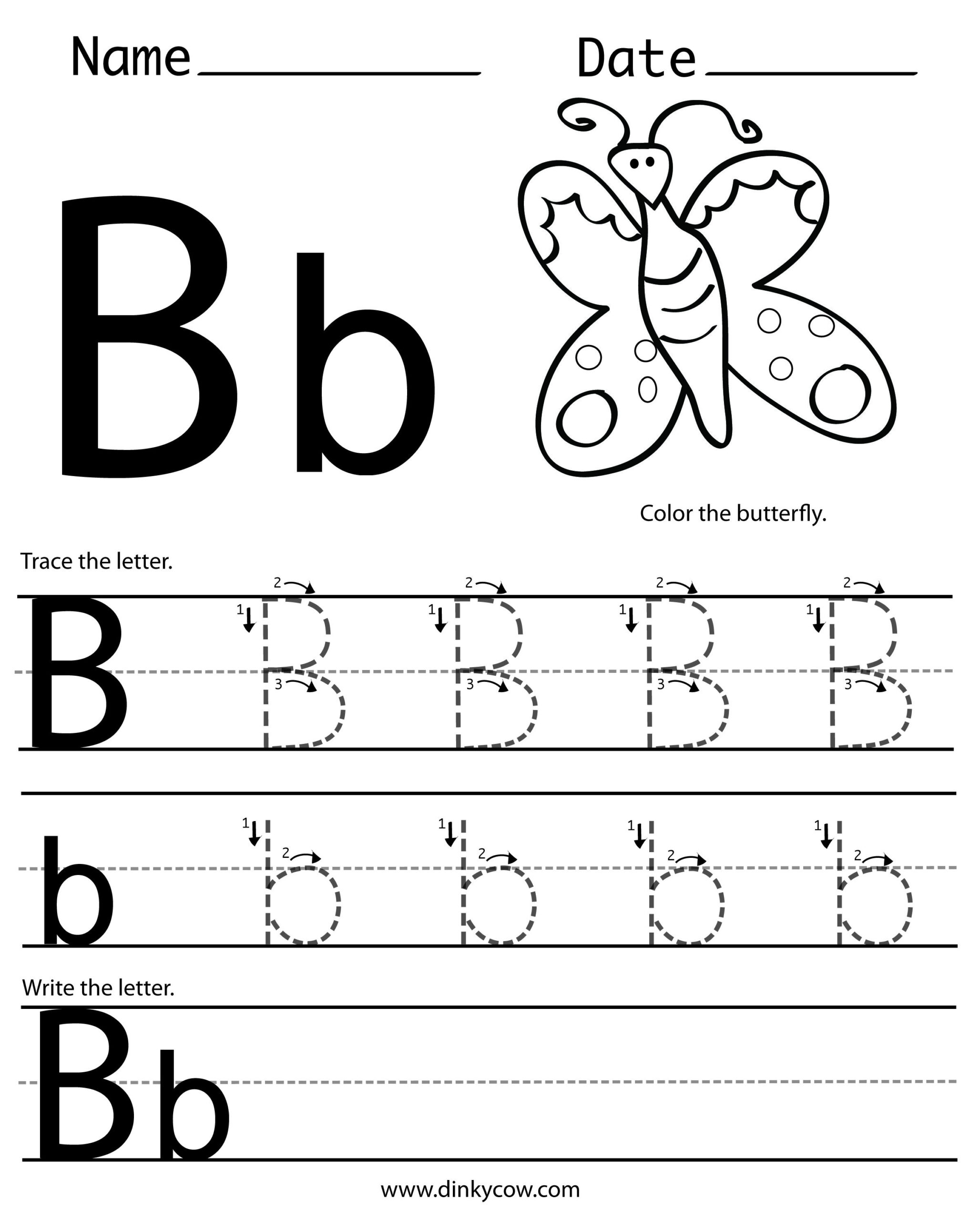
Beginning letter writing worksheets provide structured, progressive templates designed to guide young learners through foundational handwriting mechanics, stroke sequencing, and fine-motor control. According to the National Association for the Education of Young Children (NAEYC), intentional instruction in early writing supports letter recognition, orthographic mapping, and long-term literacy acquisition. Educators and parents utilize these printable letter writing worksheets to bridge the gap between gross-motor pre-writing lines and precise pencil control. Mastery of basic strokes depends heavily on consistent visual cues, directional arrows, and appropriate baseline bounds.
Handwriting Practice Snapshot:
- Core Focus: Systematic stroke sequencing and spatial awareness for early manuscript writing.
- Target Scope: Early childhood education classrooms, preschool settings, and home-school environments.
- Key Recommendation: Implement short, daily multi-sensory writing sessions to reinforce muscle memory without inducing hand fatigue.
Core Principles and Detailed Overview
Effective handwriting development relies on a structured progression from gross motor movements to fine motor letter formation using specialized preschool worksheets. Beginning letter writing worksheets systematically introduce vertical, horizontal, diagonal, and curved strokes in an intentional developmental sequence rather than alphabetical order. Grouping letters by shared motor patterns—such as starting all ‘magic c’ letters at the same clock position—minimizes cognitive overload and builds reliable muscle memory. Furthermore, integrating tracing worksheets before independent freehand practice ensures that learners internalize correct pencil trajectories before forming habits that prove difficult to correct later.
Key Specifications and Breakdown
| Skill Level / Grade | Target Stroke / Mechanical Focus | Pedagogical / Coaching Cue |
|---|---|---|
| Early Preschool (Ages 3-4) | Vertical lines, horizontal lines, and intersecting crosses | “Start at the top sky line and pull straight down to the ground.” |
| Late Preschool (Ages 4-5) | Diagonal slants, continuous curves, and basic loops | “Trace the dotted butterfly wings from left to right smoothly.” |
| Kindergarten (Ages 5-6) | Full letter formation, proper proportions, and baseline spacing | “Keep your pencil on the paper until the letter stroke is complete.” |
Fine motor competence and pencil grasp stability during early writing tasks directly correlate with spatial visual-motor integration milestones established in early childhood. — American Occupational Therapy Association (AOTA)
Step-by-Step Practical Application and Guidelines
Implementing beginning letter writing worksheets successfully requires a predictable routine that prioritizes correct posture, proper pencil grip, and multi-sensory reinforcement. Educators should first demonstrate the target letter stroke on a large whiteboard while verbalizing directional cues aloud, allowing learners to air-write the shape before touching the printed page. Next, students complete guided tracing segments on specialized name practice worksheets and letter sheets, focusing on smooth transitions rather than rapid completion. Finally, adults must monitor grip pressure and wrist positioning to prevent cramping, praising sustained effort and correct stroke sequence over aesthetic perfection.
Common Challenges and How to Avoid Them
Reversals, bottom-to-top stroke habits, and incorrect pencil grips represent the most frequent obstacles encountered when using beginning letter writing worksheets. Children frequently attempt to draw letters from the bottom baseline upward, which impairs writing speed and legibility as academic demands increase. Educators can eliminate this habit by strictly enforcing directional dot cues and utilizing tactile surfaces, such as salt trays, before transitioning back to paper. Additionally, incorporating engaging coloring worksheets alongside writing drills helps strengthen intrinsic hand muscles without causing repetitive strain injury or frustration.
💬 Frequently Asked Questions
Explore More Free Handwriting and Character Worksheets
Building strong literacy foundations requires access to diverse, high-quality resources that keep young learners engaged across every stage of development. Discover an extensive library of printable activities, foundational drills, and practice tools directly on the main portal at CharacterWritingWorksheets.com to support early childhood education goals.
Worksheet Previews & Reference Materials