Introduction
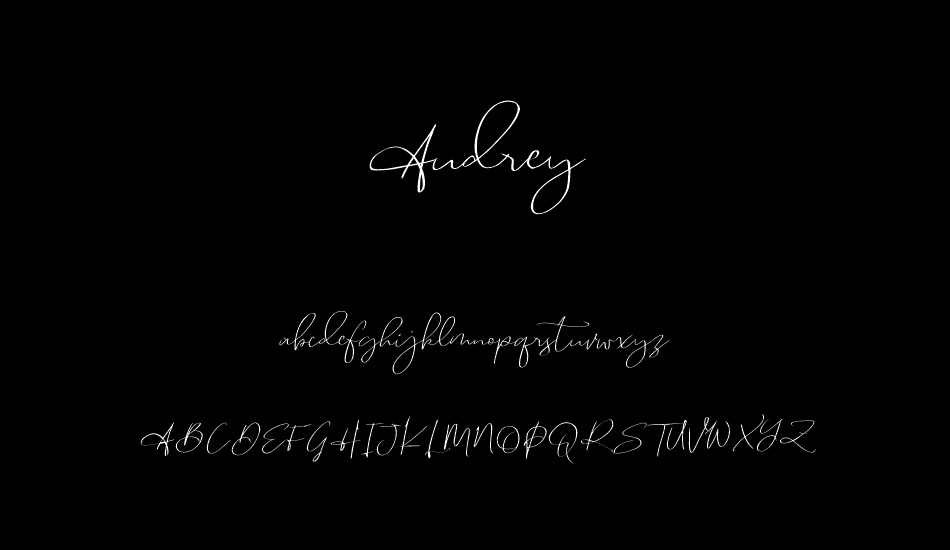
Pencil control does not magically appear when a child turns five. Long before words emerge on lined paper, young hands need exposure to targeted movement patterns. The free printable worksheet known as audreyh handwriting provides a structured foundation for building these essential foundational skills. Watching a child grip a writing utensil for the first time often reveals tension in the shoulders, a tight fist, or an awkward thumb wrap. Addressing these early physical habits requires more than endless repetition; it demands thoughtfully designed tracing paths that engage the small intrinsic muscles of the hand. Integrating structured writing practice early on helps bridge the gap between abstract visual concepts and concrete motor execution.
💡 Educational Key Takeaways:
- Core Skill: Structured Audreyh Handwriting focused on developing pencil grip, stroke control, and early literacy/math confidence.
- Target Scope: Suited for homeschoolers, preschool, kindergarten, and elementary learners.
- Best Recommendation: Practice 10–15 minutes daily with ergonomic writing tools to reinforce muscle memory without hand fatigue.
What This Worksheet Covers
This specific printable targets the foundational architecture of early writing through systematic stroke sequencing and spatial awareness. Children encounter visual prompts that require sustained visual-motor integration, moving smoothly from left to right across the page. It sounds simple, and that’s the point. Yet beneath the apparent simplicity lies a complex orchestration of visual tracking, proprioceptive feedback, and bilateral coordination. Educators frequently observe children pressing so hard onto the page that the paper tears, or conversely, floating the pencil tip with almost zero downward pressure. Materials like the audreyh handwriting layout help regulate this motor output by offering clear boundary lines that encourage steady, controlled pressure regulation.
Key Learning Outcomes
Mastery of these exercises translates directly into improved letter sequencing, consistent letter sizing, and spatial organization. According to the American Occupational Therapy Association, foundational fine motor interventions significantly enhance a child’s classroom participation and functional performance. Learners develop the wrist stability required to anchor the hand while independent finger movements take over. This shift from gross arm movements to refined finger dexterity marks a major developmental milestone in early childhood education. Exploring additional resources via Tracing Worksheets offers even more opportunities to reinforce these precise motor patterns.
How to Use This Worksheet
Implementation requires patience and a watchful eye on physical posture. Adults should ensure that feet rest flat on the floor and the table sits approximately two inches above the bent elbow. Children benefit from starting with heavier writing tools like short crayons or broken chalk pieces before transitioning to standard pencils, as shorter tools naturally encourage a functional tripod grasp. Here’s what makes this worksheet different: it accommodates various learning paces by pairing repetitive stroke practice with engaging visual layouts that prevent cognitive fatigue. For broader developmental support, pairing these pages with selections from Preschool Worksheets creates a well-rounded daily routine.
Practical Tips for Parents and Teachers
Creating a low-stress environment transforms handwriting practice from a chore into an enjoyable sensory experience. Sessions should remain brief, lasting no longer than ten to fifteen minutes to protect developing hand stamina. If fatigue sets in, shaking out the hands or squeezing a soft putty ball restores muscle readiness. Educators notice that children respond exceptionally well when tracing lines are framed as tracks for toy cars or flights for little airplanes. Expanding beyond single sheets by incorporating activities from Letter Writing Worksheets keeps the learning momentum alive.
Age-Appropriate Recommendations
According to the National Association for the Education of Young Children, developmentally appropriate practice relies on aligning learning tasks with a child’s current biological and psychological readiness. For three- and four-year-olds, focus should center on vertical, horizontal, and diagonal pre-writing strokes rather than formal letter production. By age five and six, children typically transition toward controlled letter formation and consistent sizing within defined baselines. Pushing children into complex writing tasks before their intrinsic hand muscles mature often leads to frustration and compensatory grip habits that prove difficult to break later in elementary school.
Foundational fine motor interventions significantly enhance functional performance and classroom participation in young learners. — American Occupational Therapy Association (AOTA)
Frequently Asked Questions
Finding the right tools for early writing support can raise several practical questions for educators and caregivers alike. Clear guidance ensures that children get the maximum developmental benefit from every printable resource used at home or inside the classroom.
Explore More Free Printable Worksheets
Continuing a child’s skill development requires a steady stream of fresh, engaging practice materials that target specific motor and cognitive milestones. Discovering complementary printables allows caregivers to tailor daily routines to individual learning styles and developmental needs. Broader explorations through Worksheets ensure that young learners remain challenged and motivated across every stage of early childhood education.
Developmental Milestone & Activity Table
| Development Stage | Recommended Daily Duration | Primary Learning Objective |
|---|---|---|
| Preschool & Pre-K | 10 – 15 Minutes | Pencil grip development & basic pre-stroke lines |
| Kindergarten | 15 – 20 Minutes | Letter/number formation & spatial line awareness |
| Early Elementary (Grade 1–2) | 20 – 30 Minutes | Fluency, sentence construction & neatness |
Images References