Introduction
Mastering cursive script remains a pivotal milestone in elementary education, bridging artistic expression with functional writing fluency. Children often encounter frustration when transitioning from disjointed print to the fluid loops of cursive, particularly when practicing proper letter formation, stroke order, and spacing. The printable resource featuring the name Izzy provides targeted practice that addresses these specific mechanical hurdles. Educators and occupational therapists frequently notice how personalized name tracing sparks immediate engagement in young learners who otherwise resist repetitive writing drills. It sounds simple, and that’s the point. By focusing on a familiar, meaningful word, the exercise eliminates cognitive overload so the brain can direct full attention to pencil control and fluid hand movements. Exploring additional Name Practice Worksheets can further reinforce this vital connection between personal identity and writing mastery.
💡 Educational Key Takeaways:
- Core Skill: Structured Izzy In Cursive Writing focused on developing pencil grip, stroke control, and early literacy/math confidence.
- Target Scope: Suited for homeschoolers, preschool, kindergarten, and elementary learners.
- Best Recommendation: Practice 10–15 minutes daily with ergonomic writing tools to reinforce muscle memory without hand fatigue.
What This Worksheet Covers
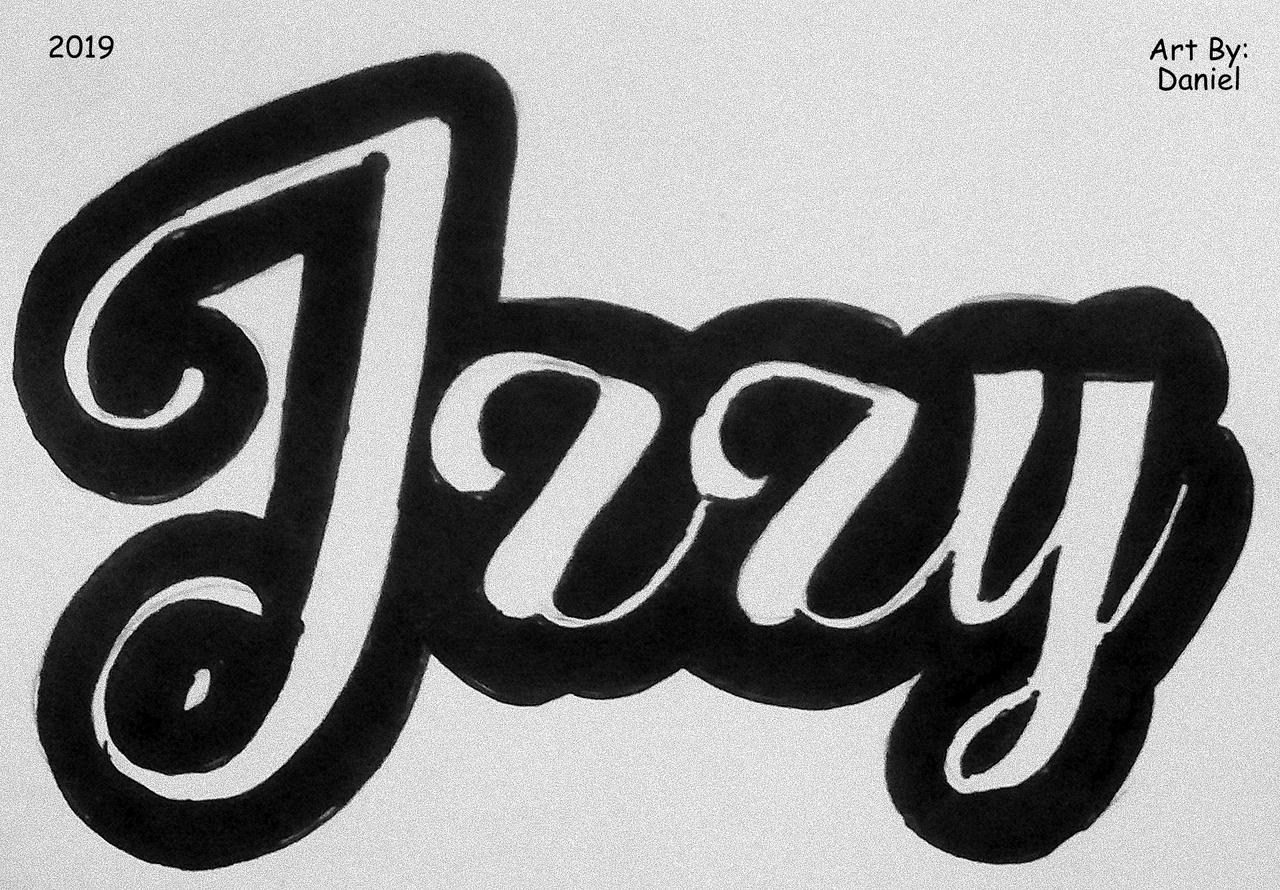
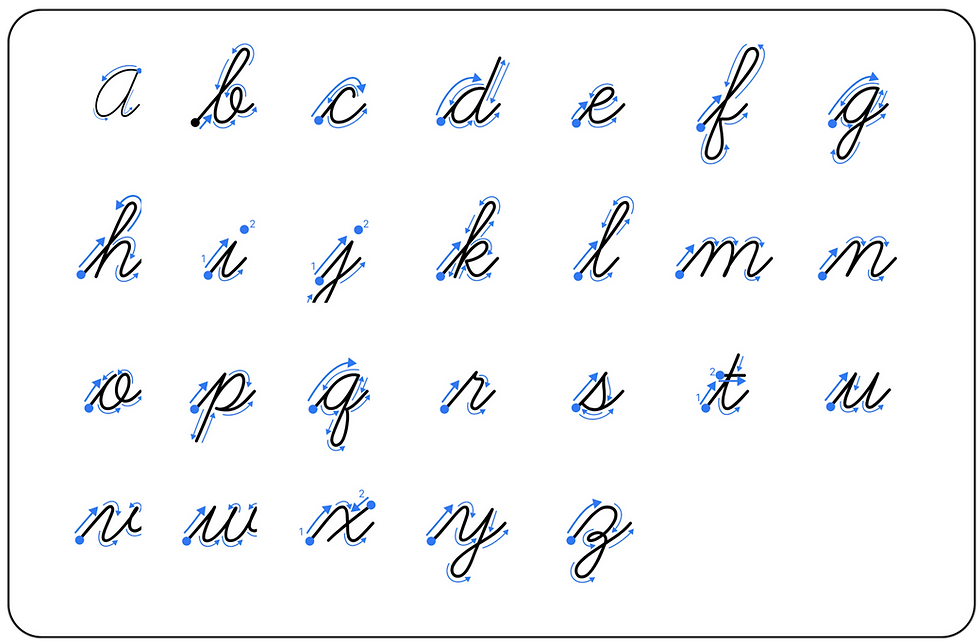
The instructional layout centers entirely on mastering the cursive representation of the name Izzy, guiding the hand through delicate connectors and baseline loops. Initial rows feature dotted tracing paths, gradually transitioning to independent execution spaces that build muscle memory in the fingers and wrist. Children must navigate the tricky upward hook of the capital letter I, the tight undercurves of the double z, and the finishing tail of the lowercase y. According to the American Occupational Therapy Association, foundational fine motor control established through structured handwriting tasks directly supports overall academic participation and self-regulation in school-aged children. These targeted strokes require precise bilateral hand coordination, where the writing hand moves fluidly while the stabilizing hand keeps the paper anchored securely.
Key Learning Outcomes
Working through this guided layout refines spatial awareness and visual-motor integration, teaching young writers how letters relate to one another on a baseline. Consistent repetition helps automate pencil trajectories, transforming slow, deliberate finger motions into automatic, effortless wrist movements. Confidence blooms organically as the distinct loops and connectors begin to resemble a cohesive, beautiful signature rather than isolated scribbles. Classroom observations consistently reveal that when children conquer tricky letter combinations like the double z in a short name, their general willingness to tackle longer writing assignments increases dramatically. Delving into broader Letter Writing Worksheets offers continuous skill reinforcement once the basics of this specific name are firmly established.
How to Use This Worksheet
Successful implementation begins with establishing an optimal physical setup, including a slant board or a flat surface where both feet rest flat on the floor. Adults should supervise the initial attempts to ensure the pencil grip avoids excessive thumb wrapping or white-knuckle tension that exhausts small hand muscles prematurely. Here’s what makes this worksheet different: it invites learners to trace slowly at first, prioritizing line accuracy over speed. Finger-tracing the letters before touching a pencil to paper allows the proprioceptive system to map the physical pathways of each stroke accurately. Integrating related Tracing Worksheets into the daily routine builds an even stronger foundation for these intricate cursive movements.
Practical Tips for Parents and Teachers
Short, joyful bursts of practice yield significantly better results than marathon writing sessions that breed fatigue and frustration. Adults can transform the drill into a tactile game by having children trace the letters in a tray of colored sand or shaving cream before picking up a writing utensil. Observing the child’s posture provides immediate clues about physical readiness; slouching often indicates core fatigue rather than behavioral resistance. Positive reinforcement should focus on the effort put into smooth connectors and consistent sizing rather than absolute perfection on the first try. Providing varied tools, such as weighted pencils or short stubby crayons, can also instantly improve grip stability for children struggling with hand fatigue.
Age-Appropriate Recommendations
Introducing cursive typically aligns with late second grade, though advanced first graders showing strong spatial awareness and finger dexterity can also benefit from introductory tracing. According to the National Association for the Education of Young Children, developmentally appropriate practice requires matching instructional complexity to the child’s current fine motor maturity rather than enforcing strict chronological benchmarks. Pushing cursive too early, before the arches of the hand are fully developed, can cause painful cramping and aversion to writing. Educators should continually assess pencil pressure and hand stamina to ensure the activity remains a positive, confidence-building experience rather than a physical burden.
Foundational fine motor control established through structured handwriting tasks directly supports overall academic participation and self-regulation in school-aged children. — American Occupational Therapy Association (AOTA)
Frequently Asked Questions
How do I download and print this worksheet?
Simply click the download button on the resource page to save the PDF file directly to your device, then print it using standard letter-sized paper.
How does this worksheet support fine motor and early writing development?
It builds intrinsic hand muscle strength, visual-motor integration, and pencil control through guided cursive stroke repetition.
What age group is recommended by the American Occupational Therapy Association for cursive handwriting introduction?
According to the American Occupational Therapy Association, cursive instruction is typically introduced in late second grade when children possess the necessary finger dexterity and spatial awareness.
Explore More Free Printable Worksheets
Expanding the child’s learning library with diverse practice materials ensures well-rounded development across all core academic domains. Exploring a broader collection of Preschool Worksheets helps younger siblings build foundational readiness skills alongside older children. For creative days that combine fine motor control with artistic expression, browsing through specialized Coloring Worksheets offers wonderful therapeutic benefits. Every printable resource available on the main hub of Worksheets is thoughtfully designed by developmental experts to support lifelong learning, confidence, and academic success for every unique learner.
Developmental Milestone & Activity Table
| Development Stage | Recommended Daily Duration | Primary Learning Objective |
|---|---|---|
| Preschool & Pre-K | 10 – 15 Minutes | Pencil grip development & basic pre-stroke lines |
| Kindergarten | 15 – 20 Minutes | Letter/number formation & spatial line awareness |
| Early Elementary (Grade 1–2) | 20 – 30 Minutes | Fluency, sentence construction & neatness |
Images References