Introduction
Pencil control forms the bedrock of early academic success, yet many children struggle with the complex mechanics required for fluid writing. Educators frequently notice young learners gripping pencils with white-knuckled intensity or pressing so lightly that the marks vanish entirely. Introducing specialized tools like the ampersand handwriting test printable addresses these precise challenges by isolating intricate curves and directional shifts. Children often view unusual characters as puzzles rather than mundane drills, which completely transforms their engagement levels during table time. Developing mastery over complex symbols requires a deliberate blend of visual-perceptual processing and muscular endurance in the hand. Exploring broader resources like tracing worksheets can lay the necessary groundwork for tackling advanced punctuation marks and unusual characters.
💡 Educational Key Takeaways:
- Core Skill: Structured Ampersand Handwriting Test focused on developing pencil grip, stroke control, and early literacy/math confidence.
- Target Scope: Suited for homeschoolers, preschool, kindergarten, and elementary learners.
- Best Recommendation: Practice 10–15 minutes daily with ergonomic writing tools to reinforce muscle memory without hand fatigue.
What This Worksheet Covers
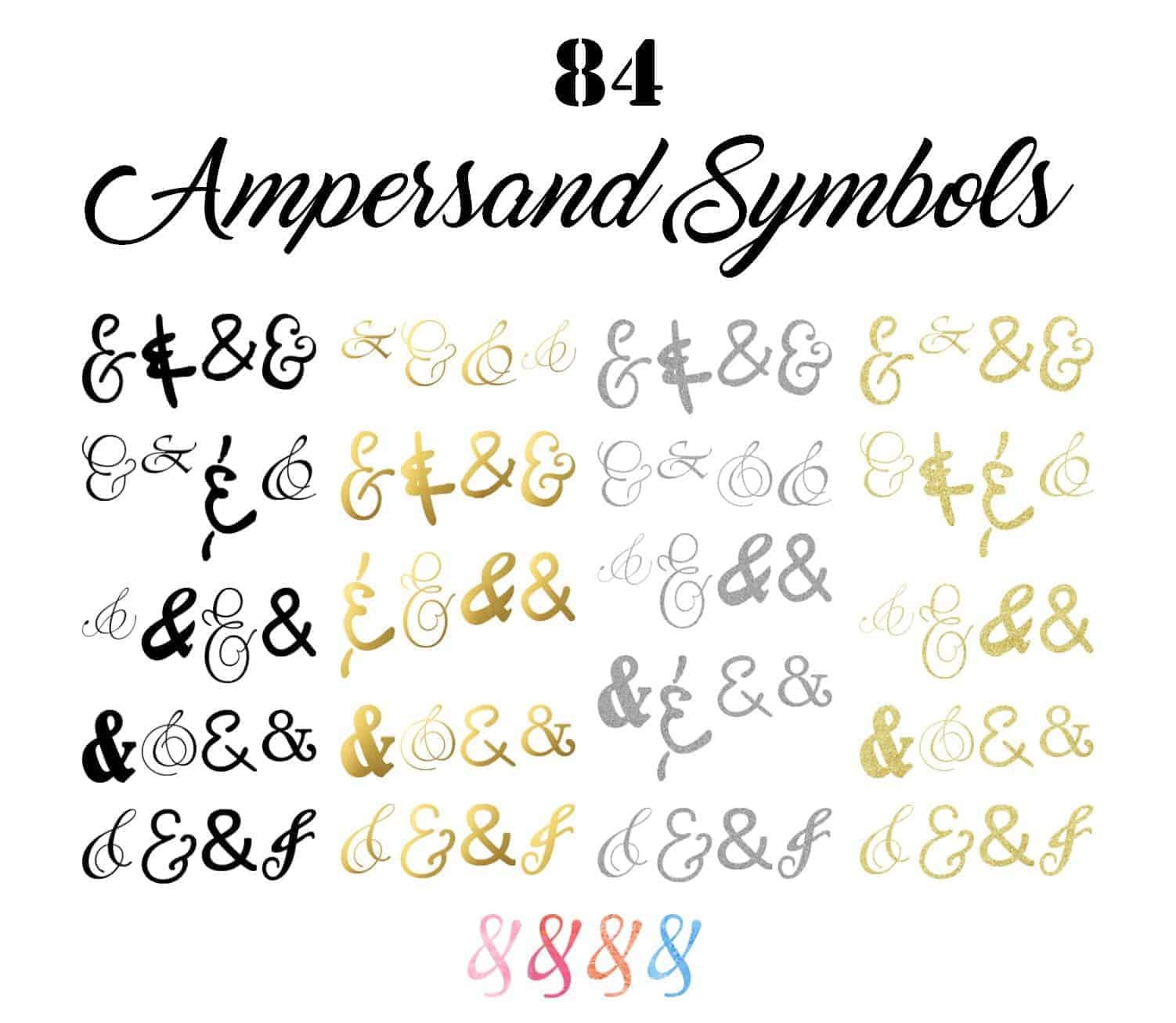
The ampersand stands out as one of the most mechanically demanding symbols encountered in early literacy environments. It requires a continuous, fluid motion that combines diagonal slashes, loops, and a precise closing curve without lifting the writing utensil. Working through this specific sheet targets intrinsic hand muscles, bilateral coordination, and visual-motor integration simultaneously. It sounds simple, and that’s the point: isolating a single complex glyph forces the brain to slow down and map out stroke sequences accurately. According to the American Occupational Therapy Association, foundational fine motor competence directly correlates with a child’s ability to engage fully in classroom activities and self-care tasks. Mastering this specific curve helps bridge the gap between basic pre-writing strokes and legible, efficient letter formation.
Key Learning Outcomes
Targeted practice with this unique character yields measurable improvements in directional awareness and spatial planning on lined paper. Young writers learn to control starting points, manage pressure gradients, and maintain fluid continuity through multiple directional changes. Observation in developmental clinics reveals that children who conquer the intricate looping of an ampersand exhibit greater confidence when transitioning to standard cursive connections later on. Furthermore, visual tracking improves dramatically as eyes follow the sweeping upper loop down to the final balancing base. Educators seeking additional skill-building assets often explore various letter writing worksheets to reinforce these newly acquired motor patterns across the entire alphabet.
How to Use This Worksheet
Successful implementation begins with posture and proper seating alignment before a single mark touches the paper. Feet should rest flat on the floor, hips and knees bent at ninety-degree angles, with the non-dominant hand stabilizing the sheet firmly. Adults ought to model the stroke sequence slowly in the air first, verbalizing directional cues like loop, cross, and sweep. Children benefit immensely from using multi-sensory approaches, such as tracing oversized examples in shaving cream or textured sand prior to pencil application. Pushing too fast through the steps usually leads to frustration and ingrained grip compensations that prove difficult to correct later.
Practical Tips for Parents and Teachers
Here’s what makes this worksheet different: it treats pencil control as an athletic endeavor for small hands. Short, frequent sessions lasting no longer than five to seven minutes yield far superior results compared to marathon writing drills. Switching writing tools, such as utilizing broken crayon pieces or short golf pencils, naturally encourages a functional tripod grasp by restricting fist-like holds. Praising effort over perfection keeps morale high when those tricky bottom loops refuse to close neatly. Accessing a diverse collection of preschool worksheets provides complementary avenues for strengthening little fingers through playful, engaging activities.
Age-Appropriate Recommendations
According to the National Association for the Education of Young Children Developmentally Appropriate Practice guidelines, structured writing tasks for children aged five to eight must align with their evolving fine motor stamina. Kindergarteners should focus primarily on large, guided tracing paths that emphasize fluid movement over tight precision. First and second-grade students possess the required wrist stability and visual-spatial maturity to attempt independent scaling and line adherence on standard primary writing paper. Pushing complex symbols onto younger toddlers before intrinsic hand muscles mature only causes unnecessary fatigue and aversion to writing tasks.
Foundational fine motor competence directly correlates with a child’s ability to engage fully in classroom activities and self-care tasks. — American Occupational Therapy Association
Frequently Asked Questions
Parents and educators frequently ask about the best ways to integrate specialized writing sheets into daily routines. Clear, direct answers help maximize the educational impact of every printing session.
Explore More Free Printable Worksheets
Building a comprehensive library of early childhood resources ensures children never run out of engaging opportunities to practice essential academic skills. Rotating through various thematic materials keeps enthusiasm high during independent learning stations and homework hours alike. Discovering targeted resources like name practice worksheets adds a deeply personalized element to daily writing routines. Exploring the complete catalog of available worksheets guarantees access to developmentally appropriate challenges for every stage of early growth.
Developmental Milestone & Activity Table
| Development Stage | Recommended Daily Duration | Primary Learning Objective |
|---|---|---|
| Preschool & Pre-K | 10 – 15 Minutes | Pencil grip development & basic pre-stroke lines |
| Kindergarten | 15 – 20 Minutes | Letter/number formation & spatial line awareness |
| Early Elementary (Grade 1–2) | 20 – 30 Minutes | Fluency, sentence construction & neatness |
Images References