Introduction
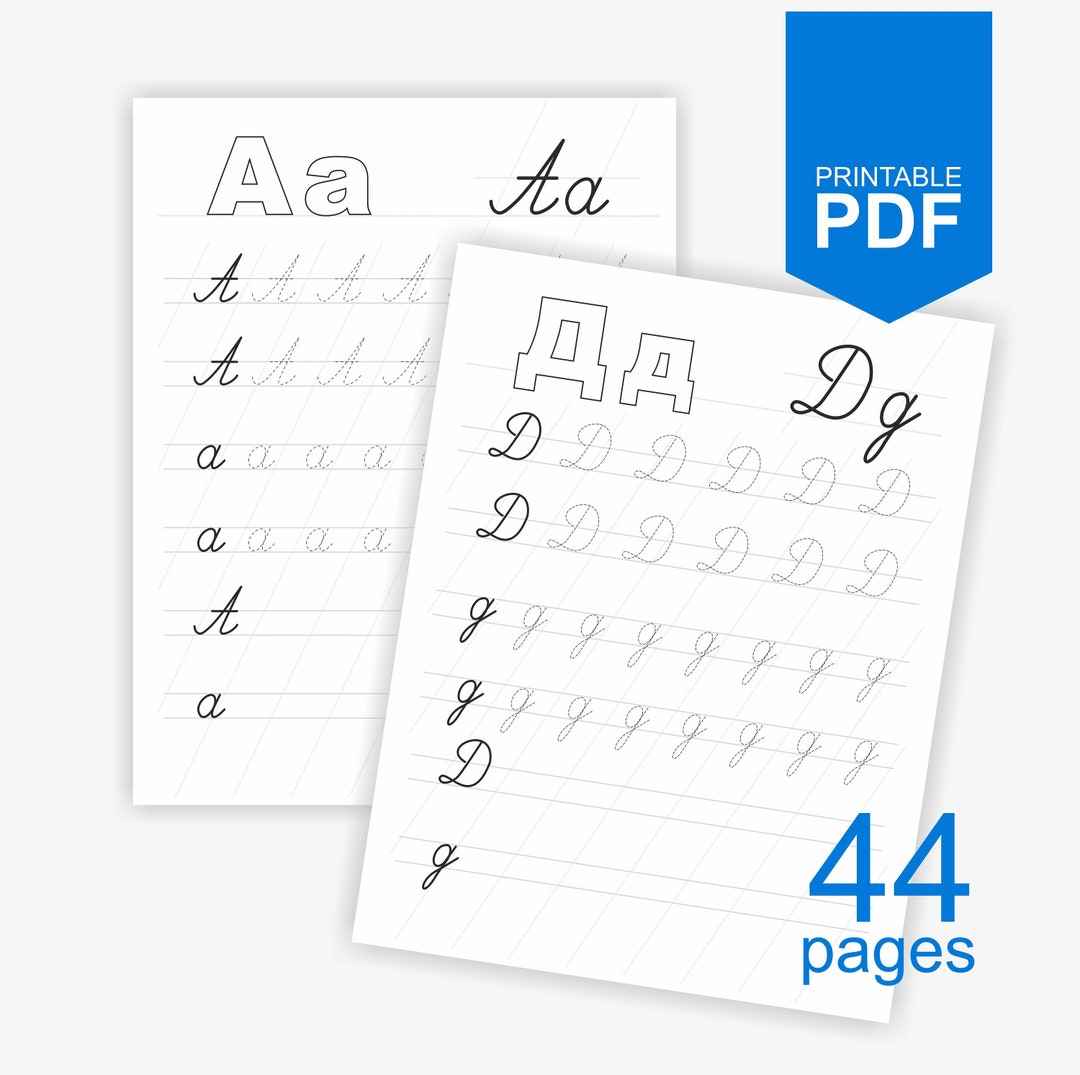
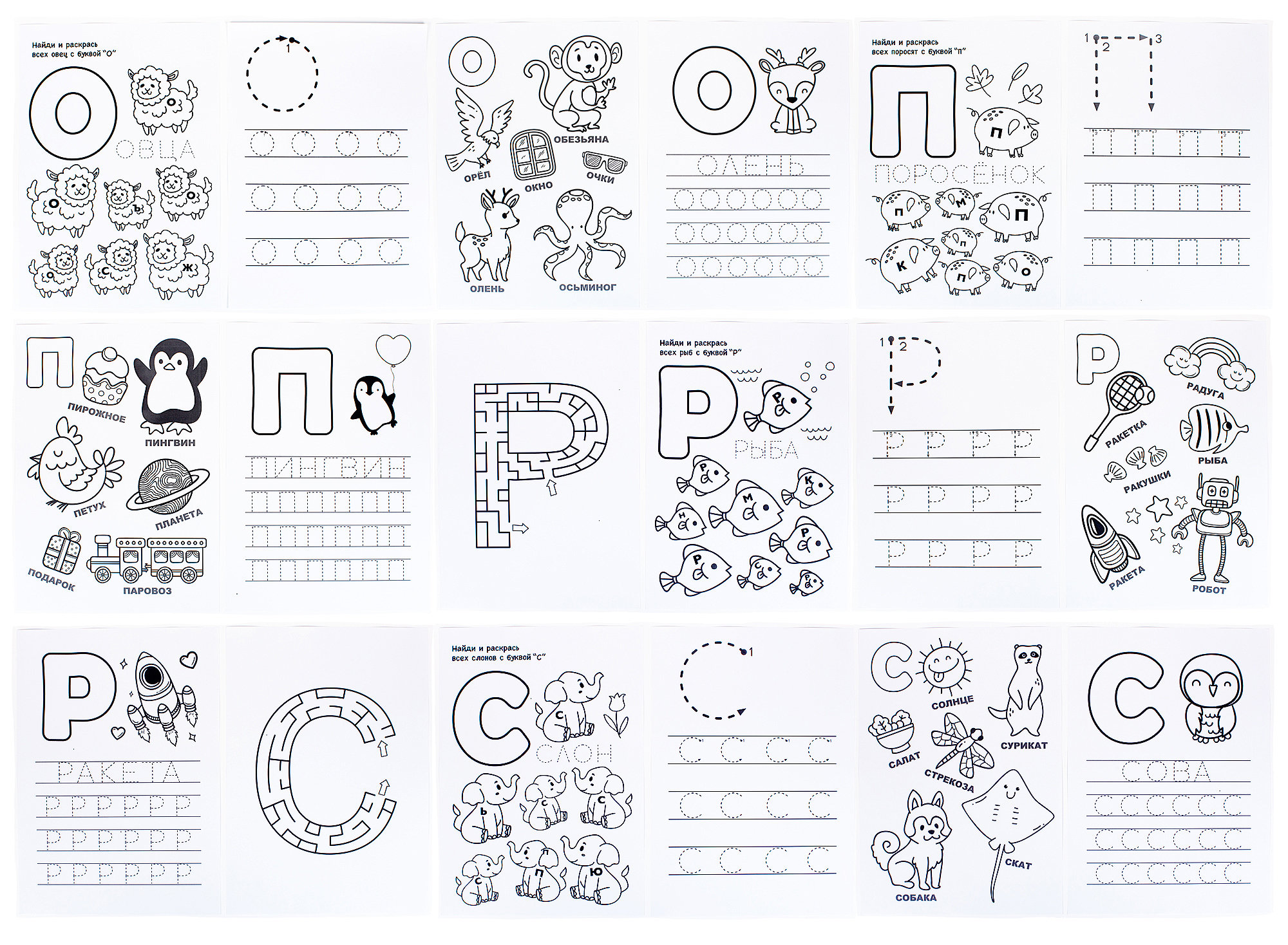
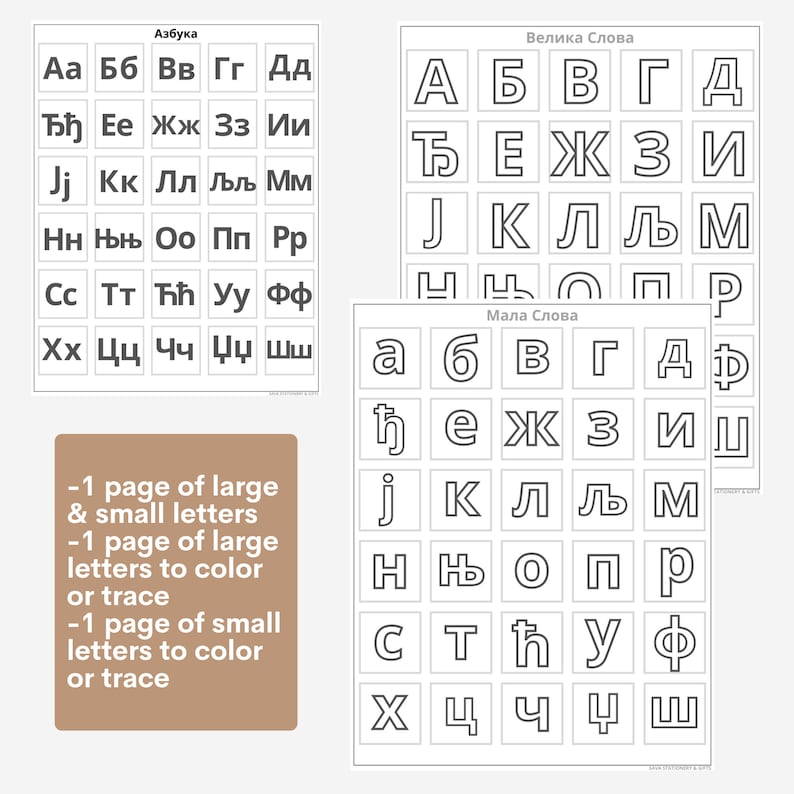
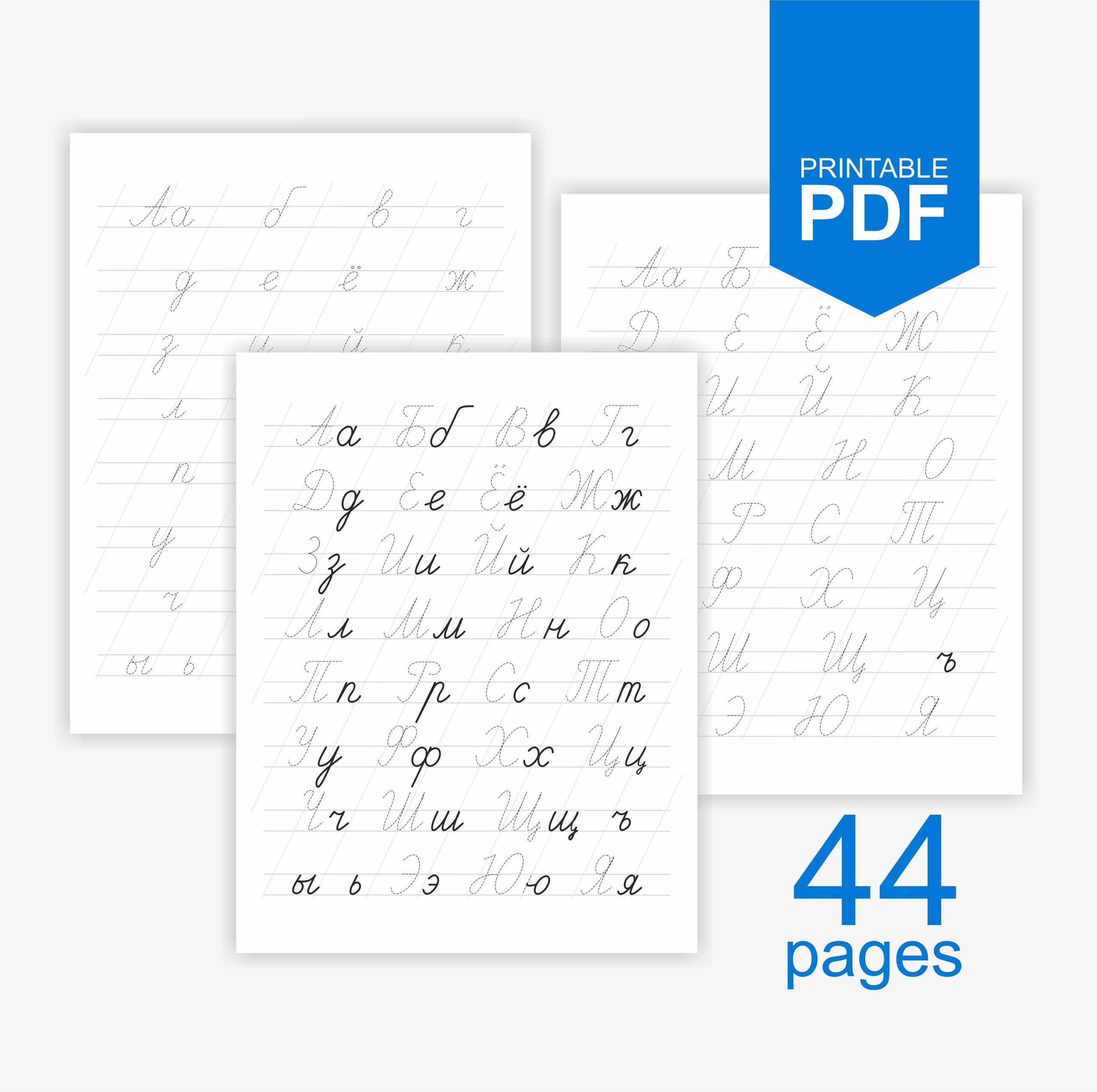
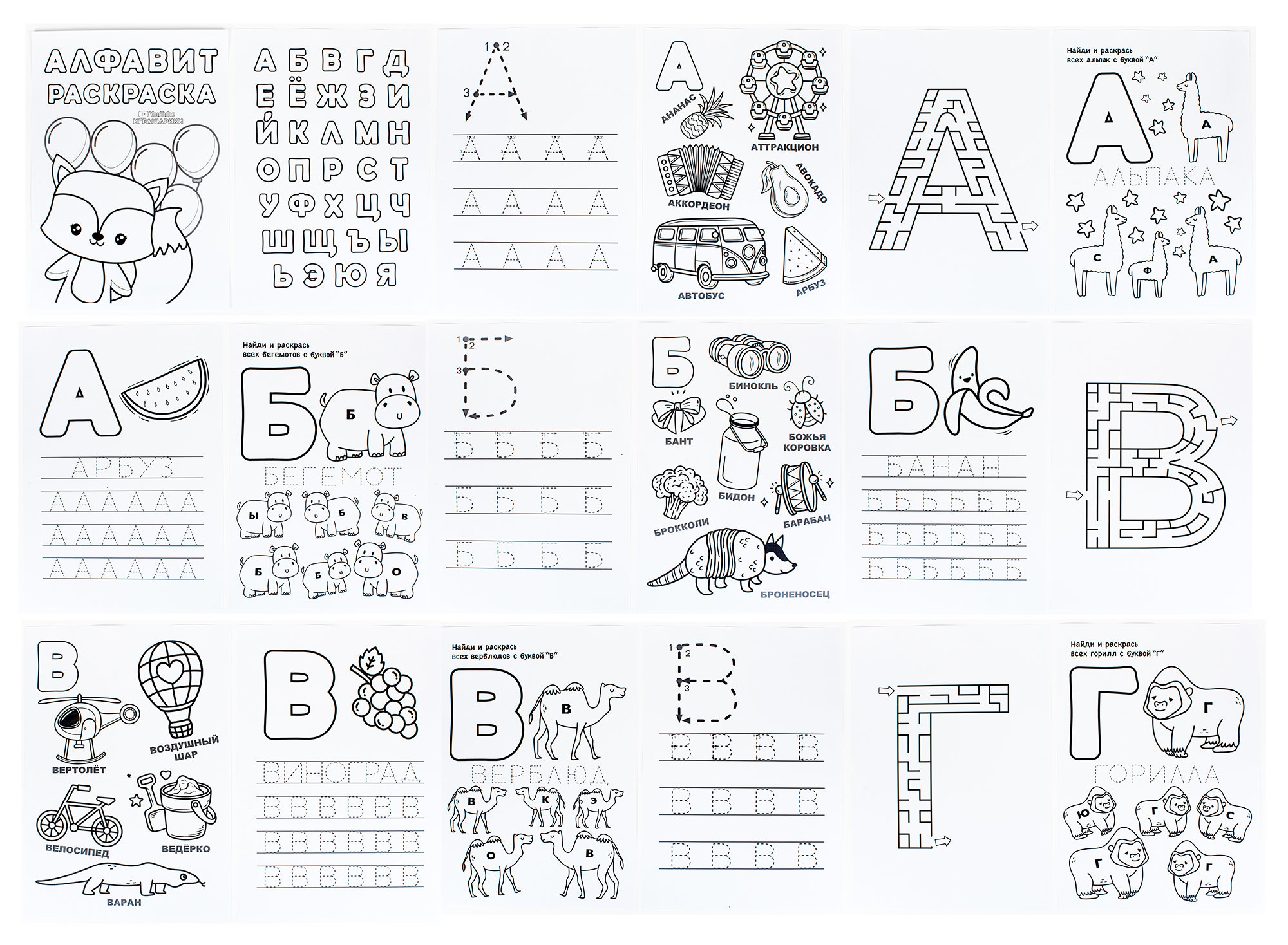
Introducing a brand-new script to young learners requires more than just showing them shapes on a page. The free printable cyrillic alphabet sheet bridges the gap between unfamiliar foreign characters and tangible fine motor control. Children approaching early literacy often lean toward tactile exploration, making structured tracing sheets an essential tool for building early confidence in writing. Educators and occupational therapists frequently notice that children who struggle with standard Latin letters approach a completely novel writing system with fresh enthusiasm. This innate curiosity transforms what could be a tedious drill into a fascinating visual and kinesthetic puzzle.
💡 Educational Key Takeaways:
- Core Skill: Structured Cyrillic Alphabet Sheet focused on developing pencil grip, stroke control, and early literacy/math confidence.
- Target Scope: Suited for homeschoolers, preschool, kindergarten, and elementary learners.
- Best Recommendation: Practice 10–15 minutes daily with ergonomic writing tools to reinforce muscle memory without hand fatigue.
What This Worksheet Covers
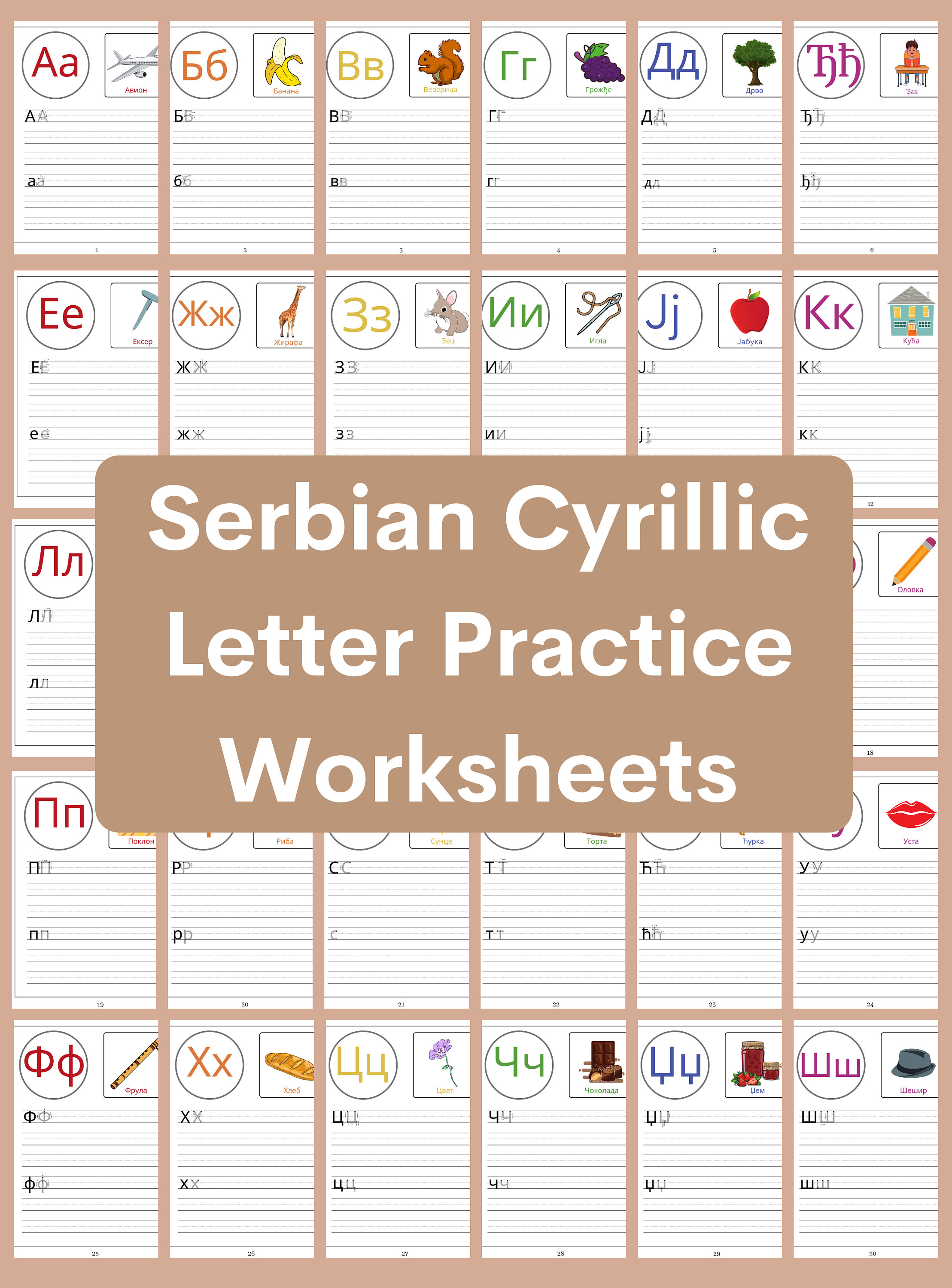
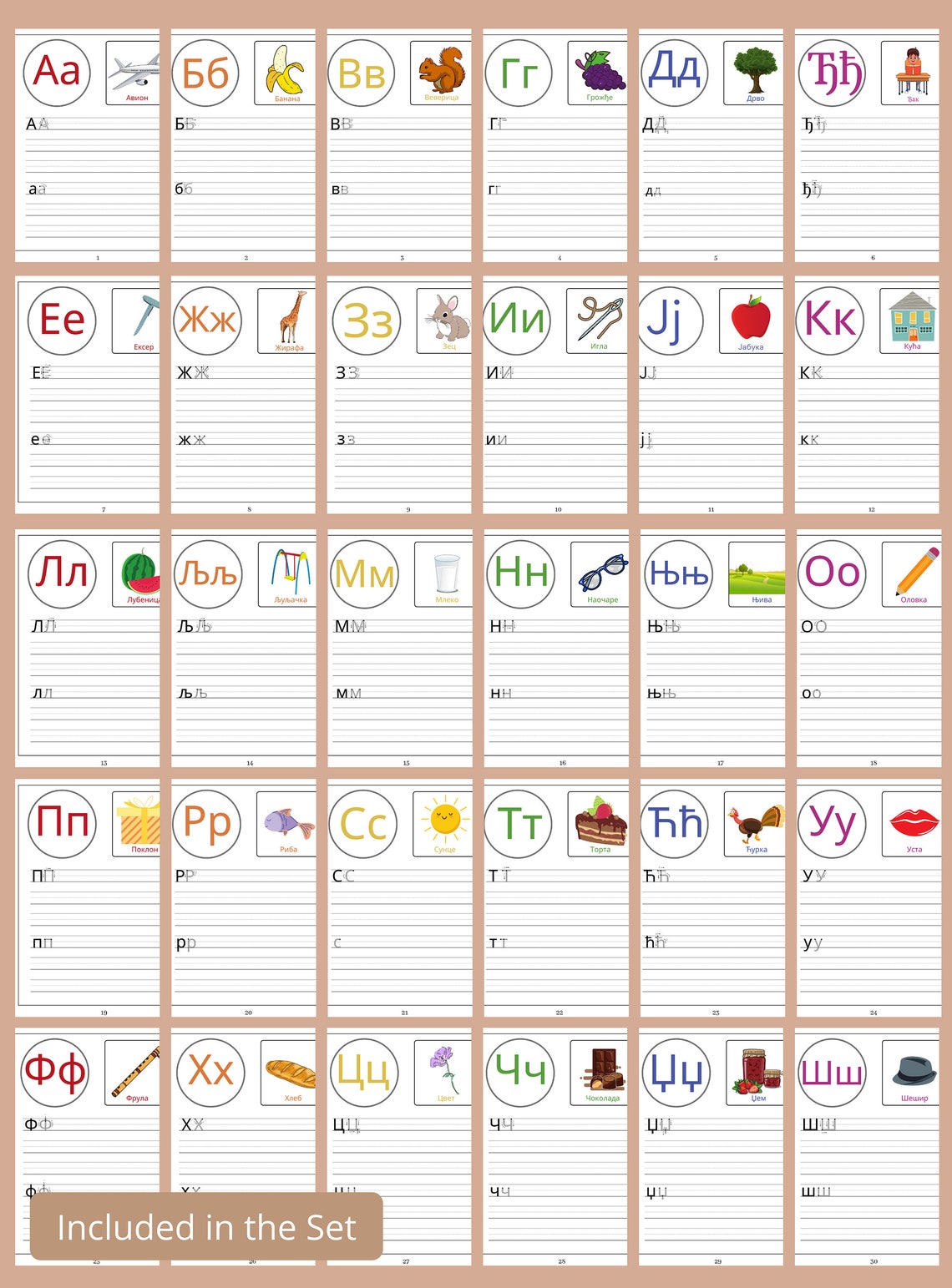
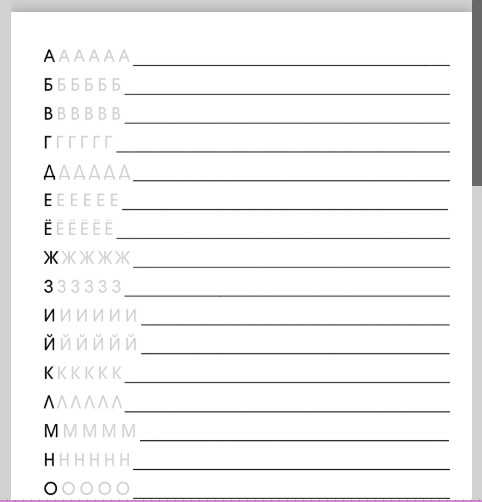
The cyrillic alphabet sheet guides learners through the foundational letters of the script, offering structured pathways for precise pencil control. Proper stroke order remains the cornerstone of legible writing, preventing the formation of awkward habits that are difficult to correct later. Children must coordinate visual perception with fine motor execution to map unfamiliar shapes onto paper. Hand placement, pencil pressure, and spatial awareness all come into play during this process. Exploring diverse writing systems also expands a child’s global awareness while simultaneously strengthening the intrinsic hand muscles required for rigorous academic tasks. For more foundational writing practice, educators often pair these materials with Letter Writing Worksheets to reinforce structural consistency.
Key Learning Outcomes
Mastering new letter forms demands acute attention to detail and sustained focus. Working through this printable helps children refine their hand-eye coordination by requiring them to stay within designated boundary lines. According to the American Occupational Therapy Association, purposeful fine motor activities directly support the neural pathways necessary for academic success and functional independence. Learners develop bilateral integration as one hand stabilizes the paper while the dominant hand executes controlled strokes. Familiarity with distinct letter structures also bolsters cognitive flexibility, preparing young minds to adapt to various linguistic and graphic challenges.
How to Use This Worksheet
Facilitating success with novel writing sheets begins with environmental setup and correct ergonomic positioning. Feet should rest flat on the floor, and the workspace must provide adequate lighting to reduce visual strain. Adults should demonstrate the correct pencil grasp before letting learners attempt the strokes independently. It sounds simple, and that’s the point: rushing a child through tracing exercises often leads to hand fatigue and frustration. Breaking the alphabet sheet into small, manageable chunks prevents cognitive overload. To build a robust foundation across multiple developmental domains, consider integrating resources found within Preschool Worksheets.
Practical Tips for Parents and Teachers
Variety keeps motivation high during skill-acquisition phases. Instead of standard graphite pencils, let children use scented markers, colored pencils, or even dry-erase sleeves to complete the page multiple times. Tracing over raised-line versions or textured paper provides extra sensory feedback for tactile learners who struggle with standard flat surfaces. Observation in the classroom reveals that children correct their own grip errors much faster when they use shorter writing utensils like golf pencils, which naturally encourage a tripod grasp. Patience and positive reinforcement transform a standard homework session into an engaging developmental milestone.
Age-Appropriate Recommendations
Introducing a cyrillic alphabet sheet is most effective for children aged six to eight, a window when fine motor precision and visual-spatial skills mature rapidly. According to the National Association for the Education of Young Children guidelines for developmentally appropriate practice, learning experiences must align with children’s current physical and cognitive capabilities rather than forcing rigid, premature academic drill. Younger preschoolers can engage with larger, simplified strokes, while older elementary students can focus on proportional sizing and clean line accuracy. Educators can further expand these cross-curricular writing sessions by exploring Worksheets designed for diverse skill levels.
According to the American Occupational Therapy Association, targeted fine motor interventions in early childhood significantly improve functional handwriting outcomes and spatial organization skills. — AOTA
Frequently Asked Questions
Navigating specialized printables raises common logistical and developmental questions for educators and families alike.
According to Reading Rockets, explicit instruction in letter formation and multisensory alphabet practice strongly correlates with future reading fluency and spelling proficiency. — Reading Rockets
Explore More Free Printable Worksheets
Expanding a child’s portfolio of writing activities ensures well-rounded development across all fine motor domains. Beyond foreign scripts and standard handwriting drills, learners benefit greatly from exploring Tracing Worksheets to sharpen their foundational pencil control. Consistent practice with varied materials guarantees steady progress.
Developmental Milestone & Activity Table
| Development Stage | Recommended Daily Duration | Primary Learning Objective |
|---|---|---|
| Preschool & Pre-K | 10 – 15 Minutes | Pencil grip development & basic pre-stroke lines |
| Kindergarten | 15 – 20 Minutes | Letter/number formation & spatial line awareness |
| Early Elementary (Grade 1–2) | 20 – 30 Minutes | Fluency, sentence construction & neatness |
Images References