Introduction
Worksheets for preschool provide structured graphical frameworks that transition young learners from gross-motor scribbling to precise, controlled fine-motor letter formation. According to the National Association for the Education of Young Children (NAEYC), early childhood literacy development relies heavily on hands-on multisensory experiences paired with guided paper-and-pencil tasks that establish foundational muscle memory. Educators utilize foundational preschool worksheets to build the essential grip strength, visual-motor integration, and directional tracking required for lifelong writing fluency without inducing cognitive fatigue or hand cramping.
Handwriting Practice Snapshot:
- Core Focus: Worksheets for preschool build pre-writing stroke control, fine-motor dexterity, and letter formation mechanics.
- Target Scope: Early childhood classrooms, home learning environments, and occupational therapy interventions.
- Key Recommendation: Pair structured stroke sheets with multi-sensory tracing tools to reinforce correct directional habits.
Core Principles and Detailed Overview
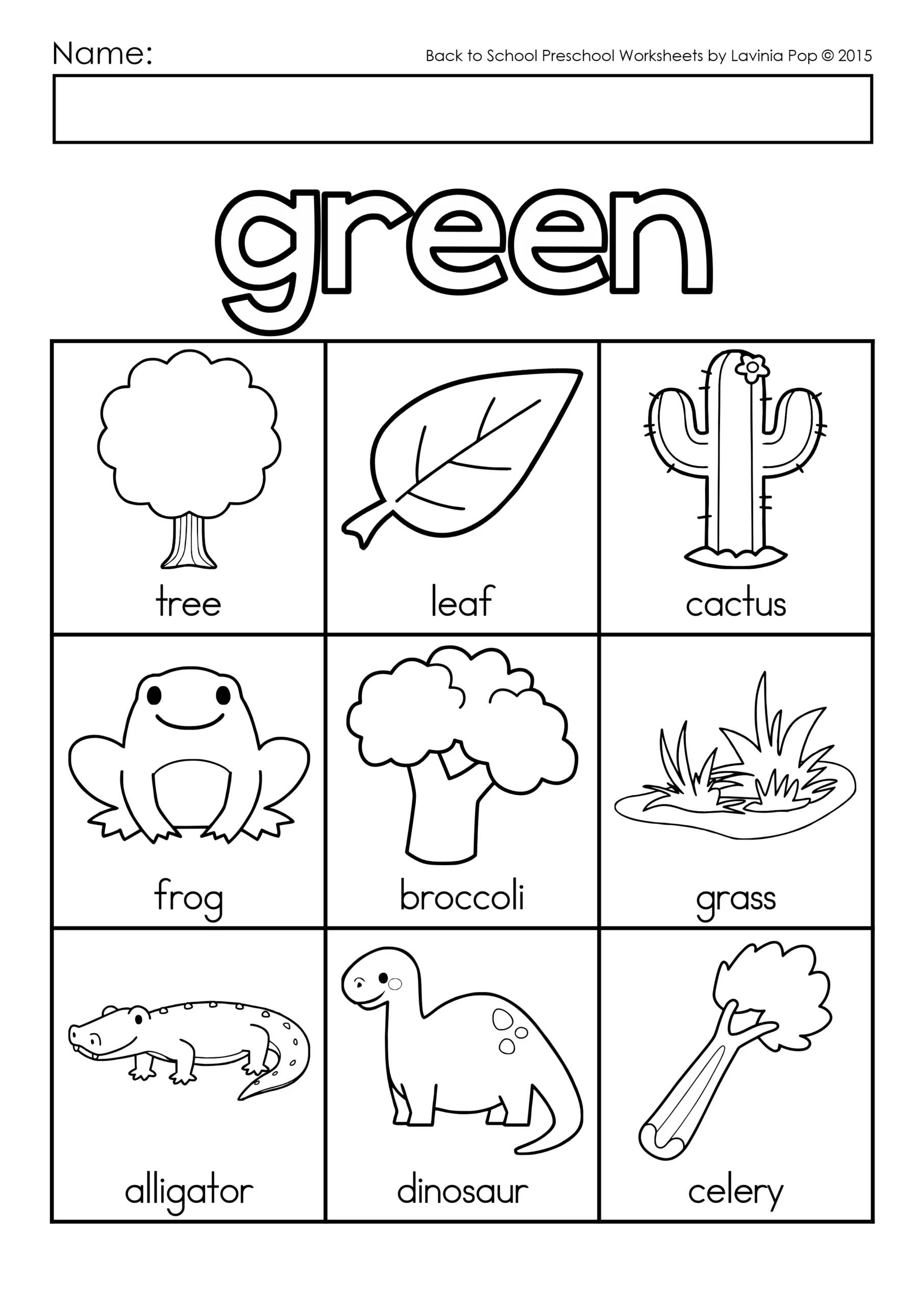
Handwriting mechanics in early childhood begin with mastering specific directional strokes before introducing complex alphabet characters. Well-designed worksheets systematically sequence vertical lines, horizontal lines, intersecting crosses, and continuous curves to align with neurological developmental milestones. Occupational therapists stress that consistent exposure to age-appropriate tracing worksheets conditions the intrinsic hand muscles, improves visual tracking from left to right, and establishes correct pencil posture. Integrating targeted coloring worksheets further enhances spatial boundaries and grip modulation before formal letter writing begins.
Key Specifications and Breakdown
| Skill Level / Grade | Target Stroke / Mechanical Focus | Pedagogical / Coaching Cue |
|---|---|---|
| Early Preschool (Age 3) | Vertical, horizontal, and circular continuous strokes | Start at the top, pull straight down, never lift the pencil prematurely. |
| Mid Preschool (Age 4) | Diagonal slants, crosses, and intersecting lines | Keep eyes on the target dot while anchoring the non-writing stabilizing hand. |
| Late Preschool (Age 5) | Pre-writing baseline letters and initial name forms | Maintain a tripod pencil grasp while keeping paper angled comfortably toward the chest. |
Fine motor competence, visual-perceptual skills, and bilateral coordination serve as the critical neurological triad required for functional handwriting mastery in early childhood education. — American Occupational Therapy Association (AOTA)
Step-by-Step Practical Application and Guidelines
Implementing preschool writing sheets effectively requires a structured daily routine that prioritizes short, focused practice intervals over extended drill sessions. Educators should begin each session by demonstrating the correct pencil grip and verbally stating the stroke direction, such as mentioning top-to-bottom or left-to-right trajectories. Children then trace oversized baseline shapes, progress to guided dotted outlines, and eventually attempt independent execution on blank primary lines. Establishing personalized name practice worksheets boosts personal relevance and encourages persistent engagement during writing blocks.
Common Challenges and How to Avoid Them
Incorrect pencil grasps and bottom-up stroke reversals represent the most frequent obstacles encountered when introducing early writing templates. Educators can prevent these detrimental mechanical habits by rejecting dull, oversized writing utensils in favor of short triangular crayons that naturally encourage proper three-finger opposition. Furthermore, setting realistic time limits of five to ten minutes per session protects young hands from muscle fatigue, preventing frustration and negative associations with writing tasks.
💬 Frequently Asked Questions
Explore More Free Handwriting and Character Worksheets
Educators and parents seeking comprehensive, printable resources can explore the full digital library available at CharacterWritingWorksheets.com. Access targeted instructional materials designed to support every stage of early childhood literacy development, fine-motor coordination, and alphabet mastery.