Introduction
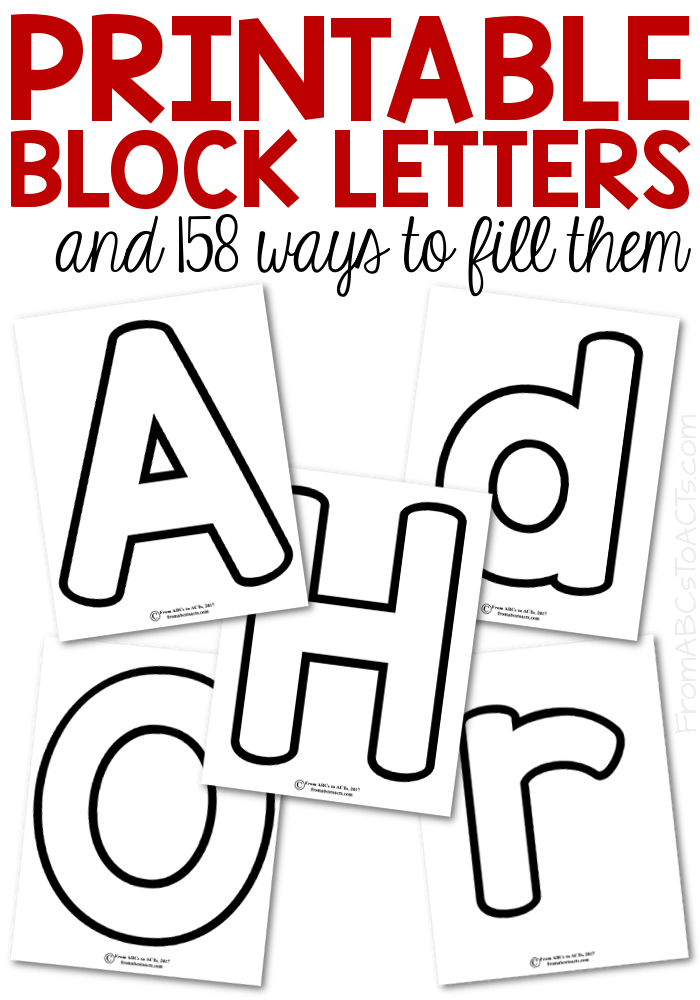
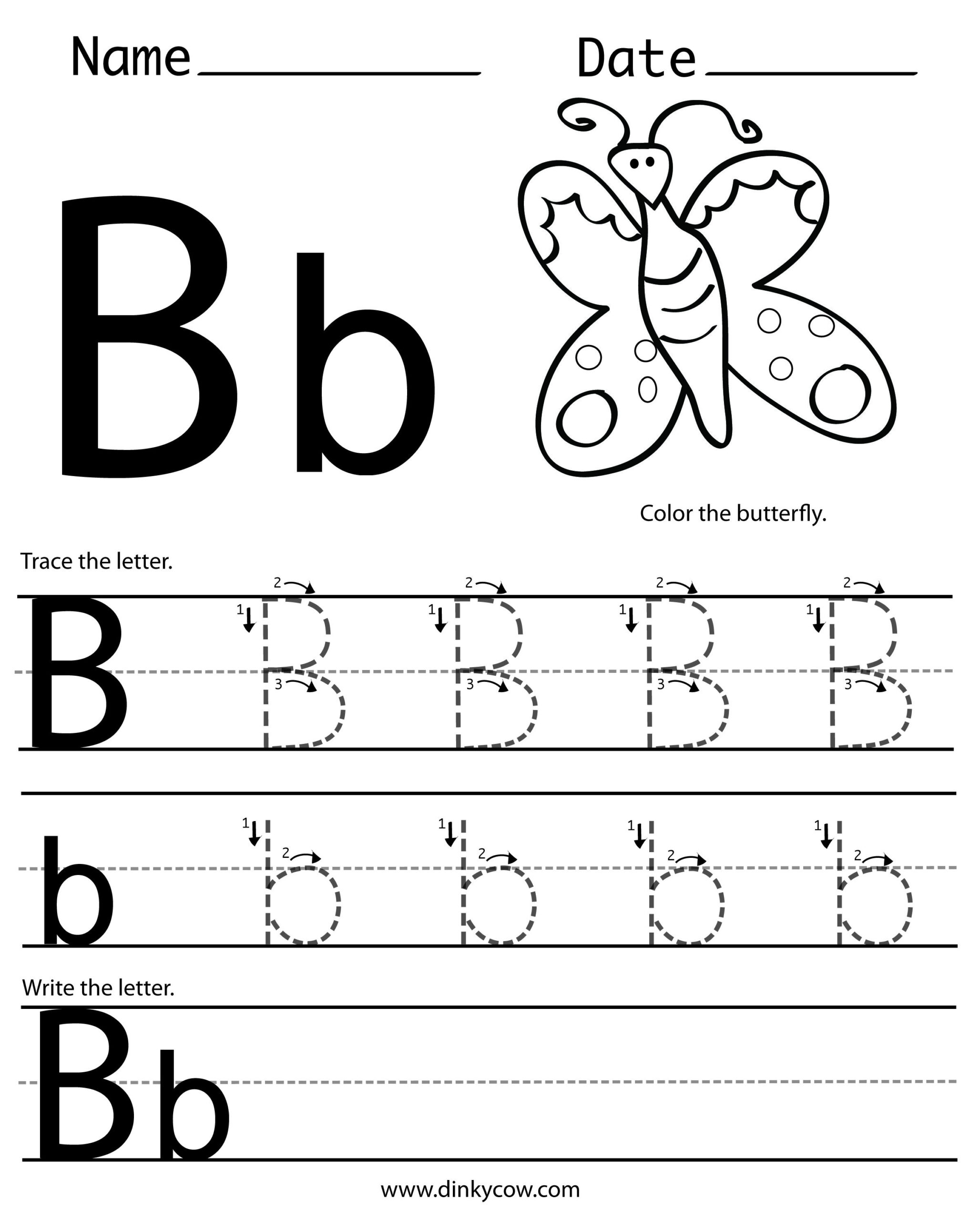
Letter box writing worksheets utilize enclosed boundary boxes for each individual grapheme to enforce consistent letter sizing, proportional spacing, and spatial awareness during early handwriting instruction. According to the American Occupational Therapy Association (AOTA), structured visual boundaries significantly improve motor planning and spatial organization in developing writers. Educators frequently integrate these targeted templates alongside foundational preschool worksheets to establish proper stroke mechanics before transitioning to standard lined paper. Mastering spatial constraints early prevents common sizing errors, such as inconsistent ascenders and descenders, thereby boosting overall legibility and fine-motor control. For comprehensive skill development, pairing these structured boxes with complementary tracing worksheets ensures learners grasp both kinetic memory and visual form consistency.
Handwriting Practice Snapshot:
- Core Focus: Letter box writing worksheets enforce precise letter dimensions and proportional spatial boundaries.
- Target Scope: Early elementary classrooms, homeschooling environments, and occupational therapy clinics.
- Key Recommendation: Pair bounded character boxes with multi-sensory stroke tracing to reinforce muscle memory.
Core Principles and Detailed Overview
Letter box writing worksheets provide explicit tactile and visual boundaries that dictate exactly where a character sits, rises, or drops relative to the baseline. Direct spatial feedback reduces visual-motor errors by teaching children to regulate the height of tall letters like ‘b’ and ‘h’, the core body of short letters like ‘a’ and ‘c’, and the low extension of descenders like ‘g’ and ‘p’. This structural rigidity builds exceptional foundational control, making these printables an essential supplement to standard letter writing worksheets. When children physically encounter a hard visual wall inside a box, proprioceptive awareness increases, training the hand to modulate stroke length automatically without constant adult verbal prompts.
Key Specifications and Breakdown
| Skill Level / Grade | Target Stroke / Mechanical Focus | Pedagogical / Coaching Cue |
|---|---|---|
| Early Preschool | Basic horizontal and vertical lines | “Keep the pencil stroke entirely inside the square box.” |
| Kindergarten | Proportional height and baseline alignment | “Touch the ceiling for tall letters, stay on the floor for short letters.” |
| First Grade | Descender placement and letter-to-letter spacing | “Drop the tail below the bottom line into the basement box.” |
Structured visual boundaries are critical for developing automaticity in handwriting mechanics and motor planning — American Occupational Therapy Association (AOTA)
Step-by-Step Practical Application and Guidelines
Implementing letter box writing worksheets requires a methodical approach that transitions learners from macro-motor execution to fine-motor precision. Instructors should begin by modeling stroke formation on an oversized whiteboard or oversized grid before distributing printed materials. Next, guide learners to verbally identify the anatomy of each box, pointing out the top ceiling line, middle dotted divider, and bottom baseline floor. Encourage students to name the letter aloud as the pencil executes the formation, ensuring auditory and visual pathways reinforce motor output. Once children master single-character boxes, educators can transition proficiency toward multi-character words and personalized spelling tasks using name practice worksheets.
Common Challenges and How to Avoid Them
Children frequently struggle with letter box writing worksheets by overfilling the boxes or ignoring internal divider lines, which causes improper stroke proportion. Instructors should resolve this by utilizing thicker marker outlines for the middle divider, helping learners visually distinguish upper and lower zones within the box. Another common pitfall involves an improper pencil grip, which limits fine-motor fluidity and causes hand fatigue; corrective pencil grips or short stubby crayons can instantly rectify this mechanical issue. Furthermore, ensure children do not rush through the boxes, as speed often compromises the spatial accuracy that these structured pages are specifically designed to cultivate.
💬 Frequently Asked Questions
Explore More Free Handwriting and Character Worksheets
Building robust handwriting mechanics requires access to diverse, high-quality practice materials tailored to every developmental milestone. Educators and parents can expand instructional resources by exploring the complete repository of free educational printables at CharacterWritingWorksheets.com. Whether developing fine motor skills with coloring worksheets or advancing core literacy through targeted writing drills, structured practice tools provide the ideal foundation for lifelong academic success.
Worksheet Previews & Reference Materials