Introduction
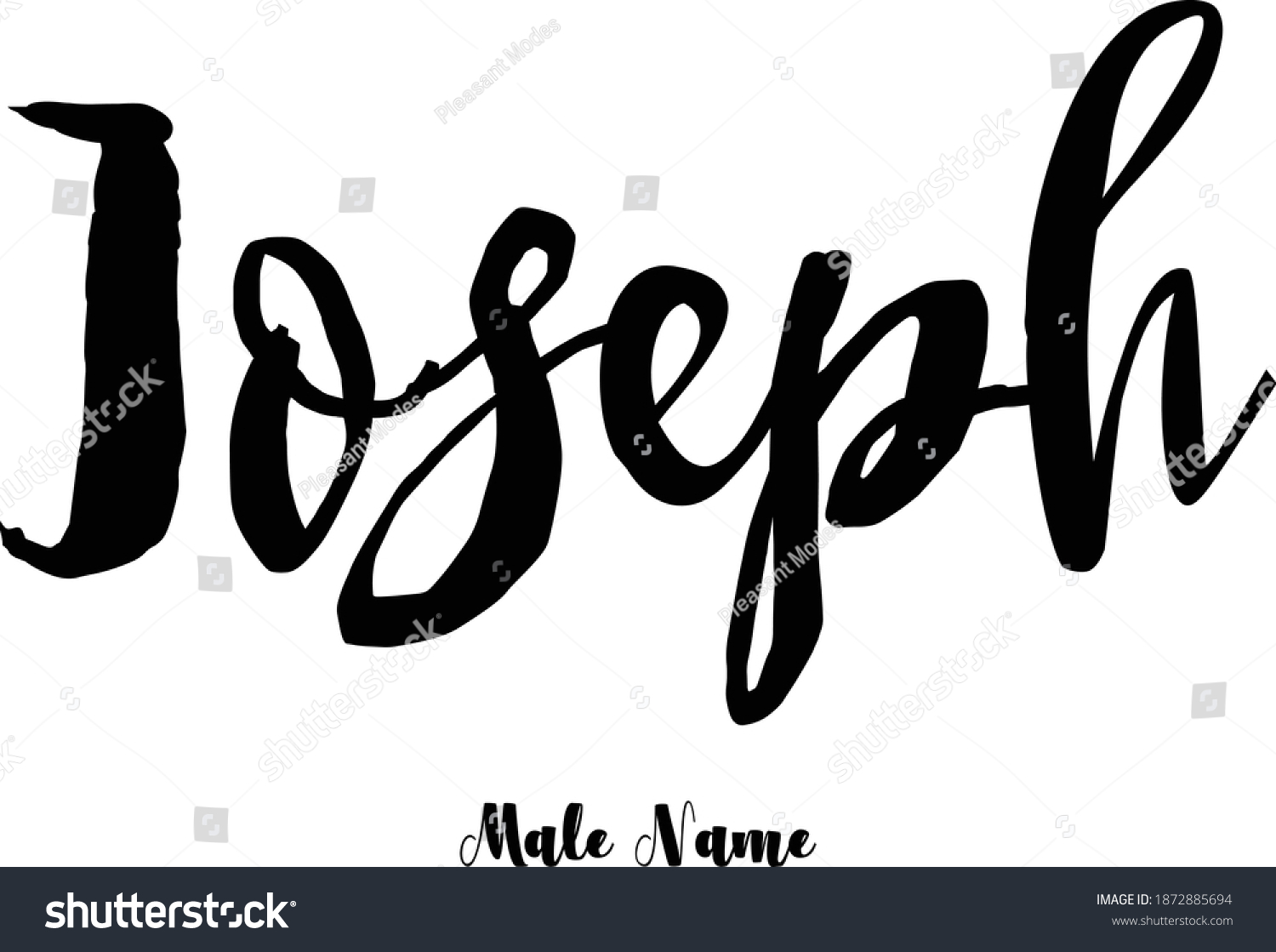
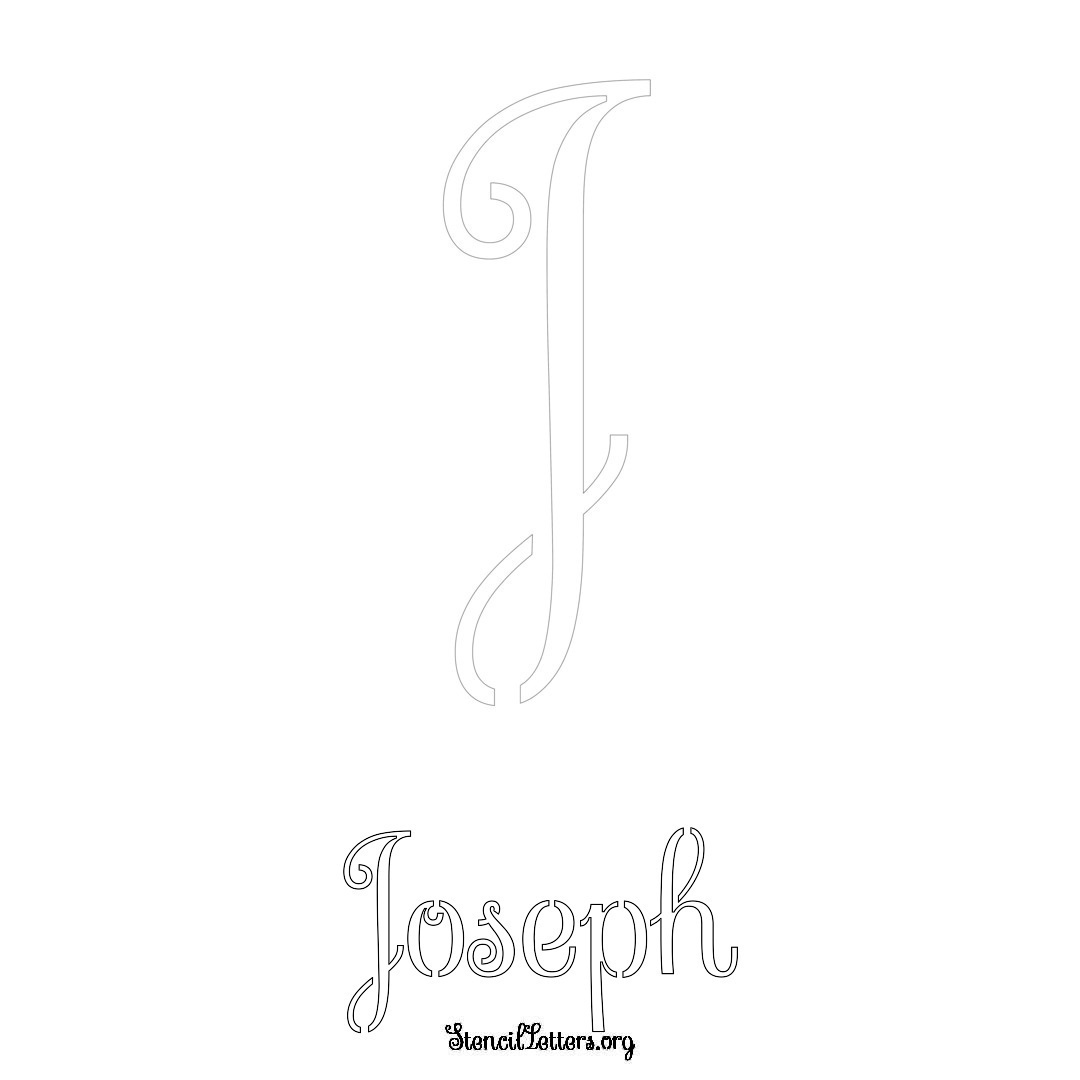
Mastering how to write joseph in cursive requires precise sequential connections from the capital loop of the letter J to the trailing exit stroke of the final letter h. According to the American Occupational Therapy Association (AOTA), sequential handwriting instruction supports cognitive processing, motor memory consolidation, and early literacy development in young learners. Utilizing structured name practice worksheets accelerates this mastery by providing consistent baseline guidelines and targeted mechanical repetitions.
Handwriting Practice Snapshot:
- Core Focus: Executing fluid cursive letter transitions for the proper noun ‘Joseph’ without lifting the pen unnecessarily.
- Target Scope: Early elementary students, homeschoolers, and individuals developing cursive motor fluency.
- Key Recommendation: Practice individual lowercase connecting strokes before attempting continuous multi-letter execution.
Core Principles and Detailed Overview
Understanding how to write joseph in cursive depends upon mastering the distinct baseline entries and exit connectors for both uppercase and lowercase letterforms. The uppercase J initiates from the top headline, sweeps downward into a descending loop below the baseline, and links directly upward to the lowercase o. Maintaining a consistent slant angle of roughly 55 degrees ensures uniformity across the entire word, bridging the loop of the letter s with the ascending stem of the letter p. Incorporating specialized letter writing worksheets helps reinforce these individual kinetic movements before applying them to full proper nouns.
Key Specifications and Breakdown
| Skill Level / Grade | Target Stroke / Mechanical Focus | Pedagogical / Coaching Cue |
|---|---|---|
| Early Beginner (Grade 2) | Capital J loop and baseline connector | “Start at the top headline, dive deep below, and sweep up to meet the o.” |
| Intermediate (Grade 3) | Mid-zone lowercase transitions (o-s-e) | “Keep the connections tight and round; do not let the loop of the s collapse.” |
| Advanced (Grade 4+) | Ascender and descender fluidity (p to h) | “Drop straight down for the p stem, push up, and finish with the tall h loop.” |
Proper pencil grasp and biomechanical positioning significantly reduce hand fatigue during extended multi-letter cursive writing tasks. — American Occupational Therapy Association (AOTA)
Step-by-Step Practical Application and Guidelines
Executing how to write joseph in cursive follows a six-step chronological stroke sequence that begins with the capital letter and terminates with the final exit stroke of the lowercase h. Step one creates the capital J starting at the top guideline, curving down past the baseline to form a descending loop that crosses upward. Step two transitions smoothly from the J baseline exit directly into the top curve of the lowercase o. Step three moves from the o into the entry stroke of the lowercase s, ensuring the sharp top angle remains intact. Step four connects the s into the lowercase e loop, keeping the character compact within the midline. Step five extends the stroke straight down from the e into the vertical stem of the lowercase p, and step six loops back up to form the final tall ascender and exit stroke of the letter h. Targeted tracing worksheets offer invaluable guided support throughout this precise six-step progression.
Common Challenges and How to Avoid Them
Identifying frequent mechanical errors prevents bad habits from forming during cursive instruction. A common error when learning how to write joseph in cursive involves detaching the pen between the capital J and the lowercase o, which disrupts the natural flow and rhythmic momentum of the word. Educators should also watch for improper sizing of the lowercase p stem, ensuring students extend the descent far enough below the baseline while keeping the loop distinct from the final h. Utilizing comprehensive preschool worksheets for foundational fine-motor control further resolves grip and pressure issues before students advance to complex proper noun execution.
💬 Frequently Asked Questions
Explore More Free Handwriting and Character Worksheets
Expanding cursive literacy requires access to structured, high-quality practice materials tailored to developing learners. Educators, parents, and homeschoolers can discover a vast array of supplementary tools and educational assets directly by visiting CharacterWritingWorksheets.com to support daily handwriting instruction.
Visual Reference Gallery