Introduction
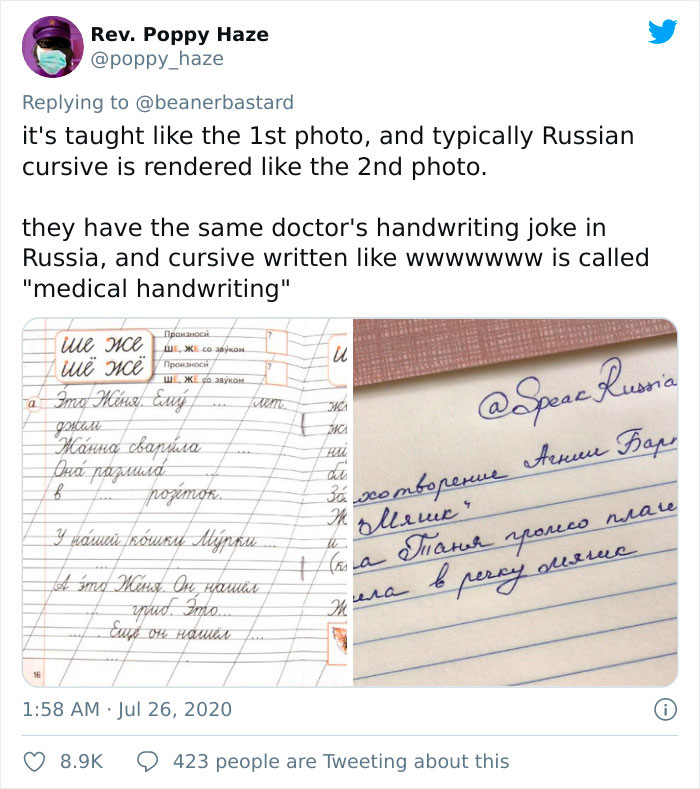
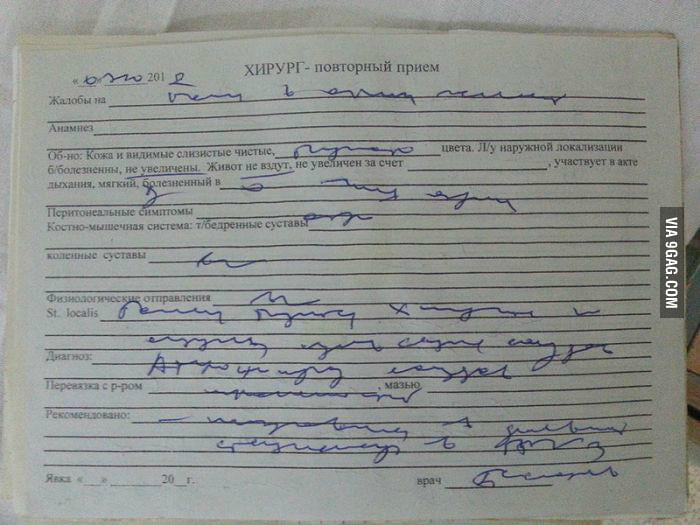
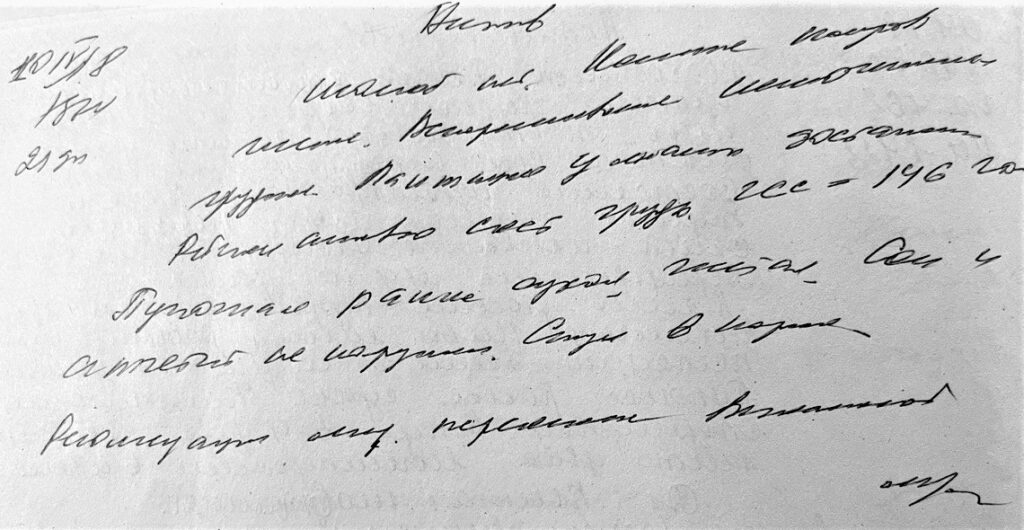
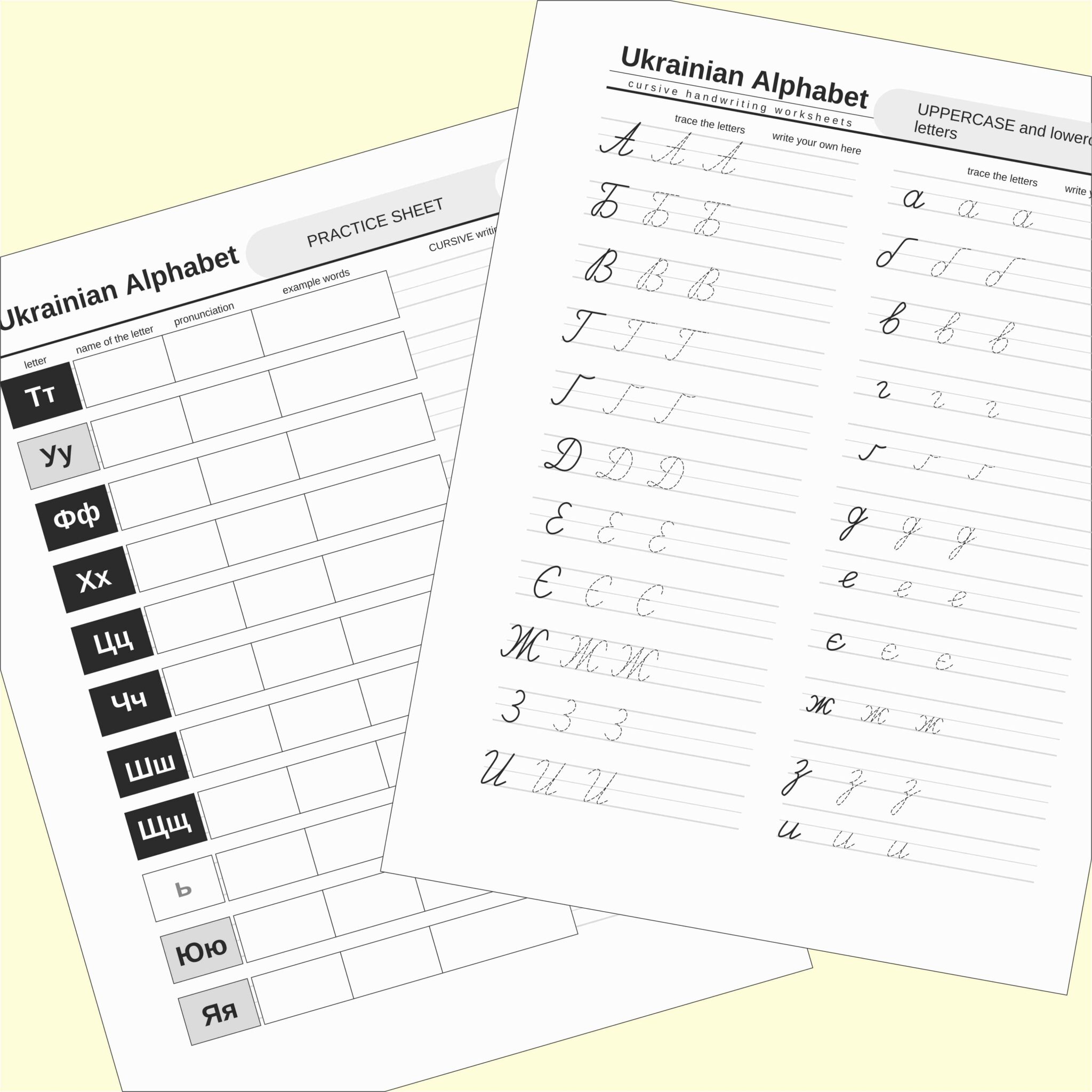
Russian cursive doctors notes refer to the extreme form of rapid, highly connected script characterized by uniform rhythmic waves, compressed loops, and interconnected baseline strokes that challenge traditional decoding. According to the American Occupational Therapy Association (AOTA), mastery of complex cursive mechanics requires systematic instruction in continuous fine-motor control, spatial orientation, and fluid stroke production. Educators and parents examining this phenomenon often utilize specialized tracing worksheets to break down connected letter forms into manageable motor patterns. Decoding or producing these rapid scripts demands strict adherence to pen-lift minimization and rhythmic pacing, making structured practice essential for students transitioning from isolated manuscript forms to high-speed cursive integration.
Handwriting Practice Snapshot:
- Core Focus: Fluid rhythmic connections and uniform letter compression seen in rapid Russian cursive scripts.
- Target Scope: Advanced early literacy learners and occupational handwriting specialists.
- Key Recommendation: Maintain consistent slant angles and continuous baseline momentum during letter writing worksheets practice.
Core Principles and Detailed Overview
Rapid cursive scripts like Russian medical handwriting depend heavily on uniform slant, precise baseline alignment, and predictable connector strokes that link adjacent letters without breaking contact. Direct instruction in this style requires careful attention to stroke sequencing, as letters such as ‘и’, ‘л’, and ‘м’ share identical initial wave components that can easily blur into indistinguishable lines without adequate spacing awareness. When introducing advanced script mechanics, instructors often incorporate targeted preschool worksheets to build foundational hand strength, grip stability, and bilateral coordination before tackling dense connected sequences. Understanding the underlying geometry of these scripts prevents physical fatigue and repetitive strain by teaching children how to leverage arm and wrist movement efficiently across the page.
Key Specifications and Breakdown
| Skill Level / Grade | Target Stroke / Mechanical Focus | Pedagogical / Coaching Cue |
|---|---|---|
| Early Foundation | Continuous baseline loops and rhythmic wave generation | Maintain steady downward pressure without lifting the writing implement. |
| Intermediate Integration | Letter height consistency and compressed connector angles | Keep parallel slants uniform across adjacent vertical strokes. |
| Advanced Mastery | High-speed ligature formation and illegibility reduction | Prioritize rhythmic flow while preserving distinguishing character peaks. |
Occupational therapy standards emphasize that dynamic tripod grasps and fluid proximal stability are mandatory prerequisites for executing high-speed, multi-stroke connected cursive scripts safely without inducing hand fatigue. — American Occupational Therapy Association (AOTA)
Step-by-Step Practical Application and Guidelines
Mastering dense cursive scripts requires a progressive multi-stage approach that begins with slow isolations and gradually advances to rapid connected phrases. Educators must first isolate ambiguous letter clusters—such as sequential combinations of ‘ш’, ‘щ’, and ‘и’—to ensure learners understand the precise entry and exit strokes required for each character. Utilizing structured name practice worksheets helps learners apply these fluid connective principles directly to personal identifiers, reinforcing muscle memory through repeated contextual execution. Regular pacing drills combined with visual feedback mechanisms allow instructors to correct sloping errors and excessive compression before bad mechanical habits become permanent.
Common Challenges and How to Avoid Them
The primary challenge when practicing rapid script forms is the complete loss of letter differentiation, where words degenerate into monotonous, unreadable waves of identical loops. Instructors mitigate this issue by enforcing strict baseline boundaries and requiring students to pause slightly at specific character inflection points during initial training phases. Incorporating varied worksheets that alternate between structured grid lines and blank pages encourages learners to internalize proportional spacing independently. Monitoring grip pressure and posture further prevents the physical cramping associated with attempting high-speed cursive without adequate muscular endurance.
💬 Frequently Asked Questions
Explore More Free Handwriting and Character Worksheets
Enhance early literacy development and fine-motor control by utilizing the comprehensive resource collection available at CharacterWritingWorksheets.com. Instructors and parents can discover a wide variety of printable tools, including engaging coloring worksheets, designed to support every stage of handwriting proficiency.
Visual Reference Gallery