Introduction
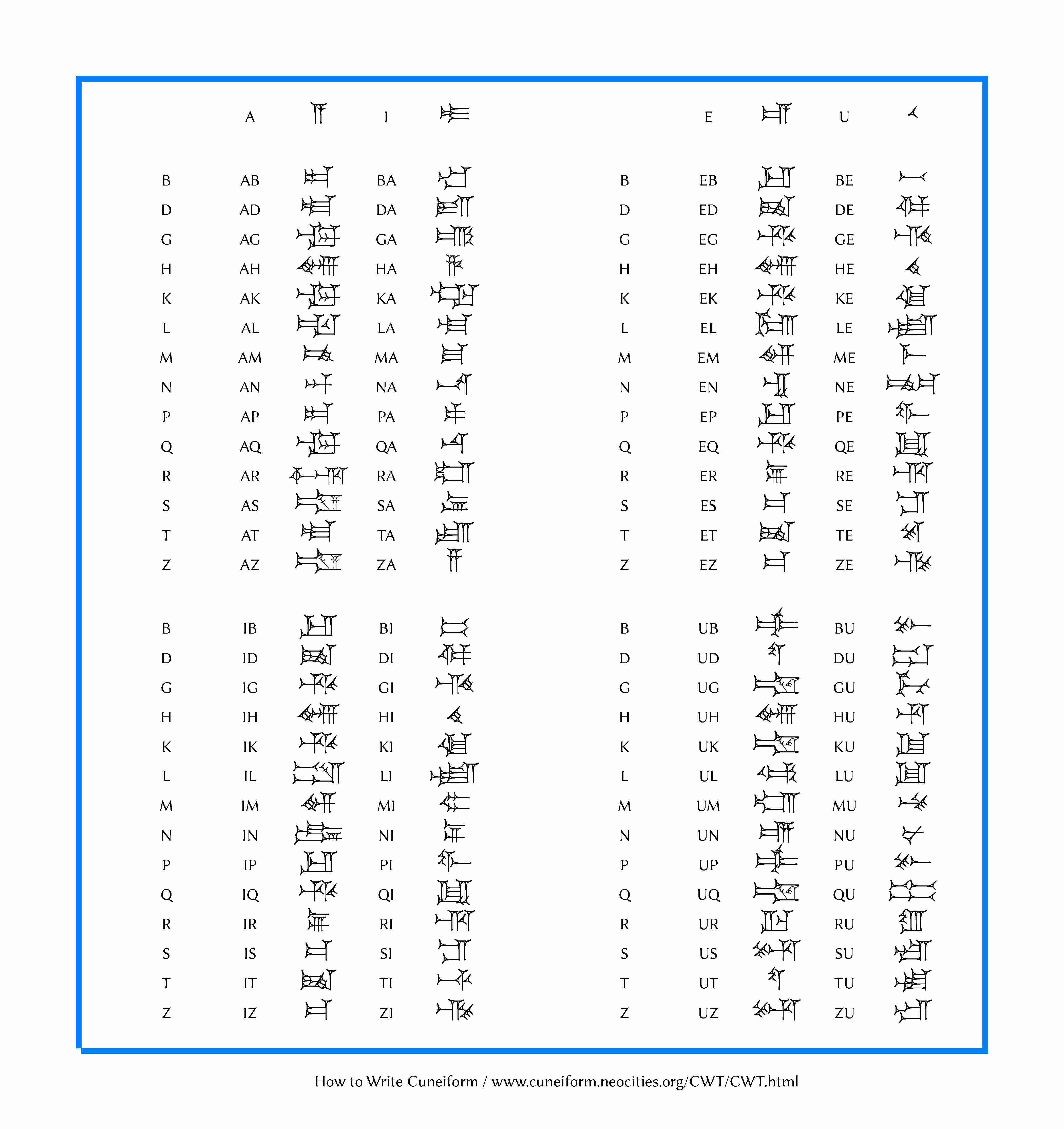
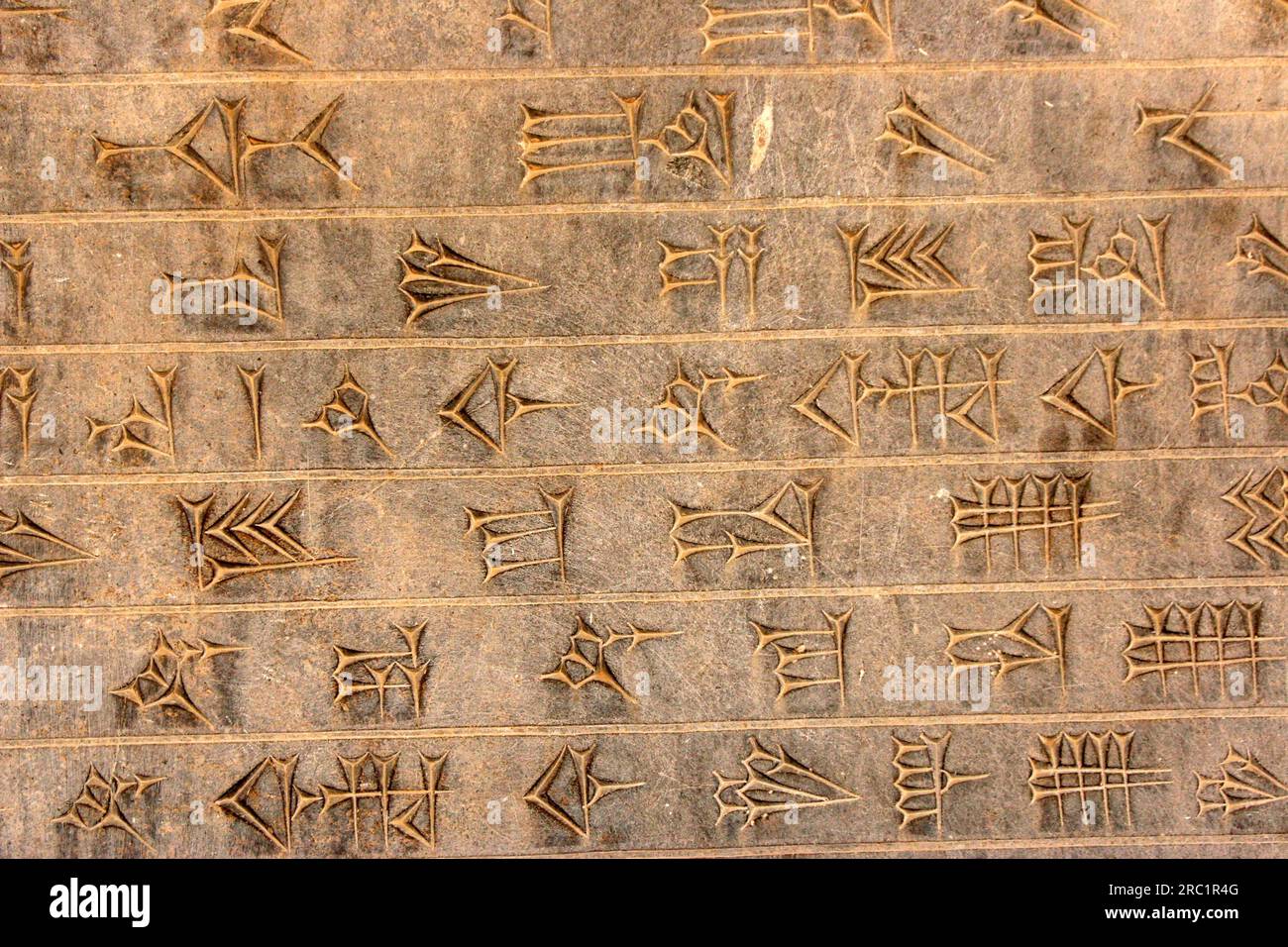
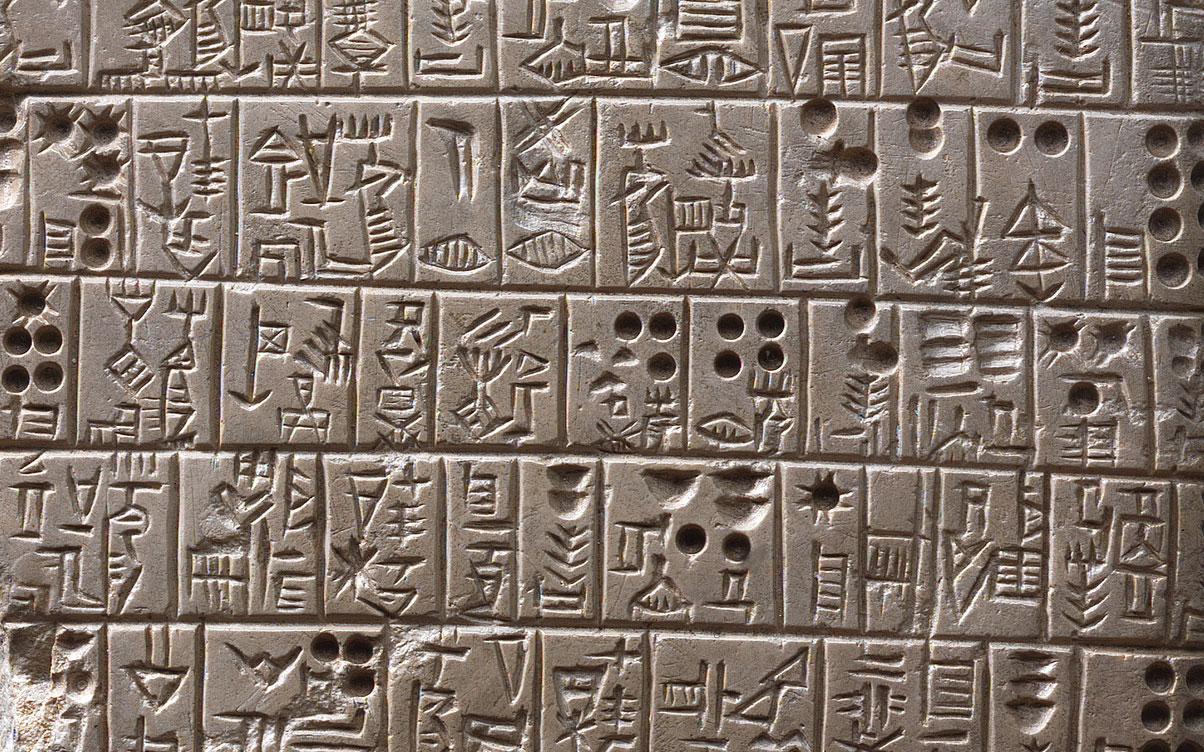
Writing the name “Ryan” in cuneiform requires transliterating the modern phonetic sounds into ancient Neo-Assyrian or Old Babylonian syllabic signs using a wedge-shaped stylus pressed into a clay tablet. According to the International Literacy Association (ILA), integrating historical writing systems into contemporary literacy curricula enhances phonological awareness, cross-disciplinary engagement, and foundational fine-motor control. Translating modern given names into ancient scripts serves as an engaging bridge between standard letter writing worksheets and ancient history, requiring precise downward wedge impressions rather than traditional fluid ink strokes.
Handwriting Practice Snapshot:
- Core Focus: Phonetic mapping and wedge-stroke mechanics for rendering modern names in ancient cuneiform script.
- Target Scope: Upper elementary students, homeschoolers, and educators exploring historical orthography and fine-motor precision.
- Key Recommendation: Master vertical, horizontal, and diagonal wedge angles separately before assembling multi-sign syllables on practice plates.
Core Principles and Detailed Overview
Rendering the phonetic sequence for “Ryan” (pronounced /raɪən/) in cuneiform demands breaking the name down into distinct consonant-vowel or vowel-consonant syllables compatible with ancient Akkadian or Sumerian sign lists. Direct transcription involves matching the sounds [ra], [i], and [an] (or closest historical equivalents) to specific cuneiform sign values. From a handwriting mechanics standpoint, transferring from standard tracing worksheets to cuneiform requires developing specialized tripod grasp pressure, as students must pivot a triangular stylus at precise 45-degree angles to form clear horizontal, vertical, and Winkelhaken (hook) impressions. This tactile manipulation builds intrinsic hand strength and spatial planning abilities essential for early orthographic mastery.
Key Specifications and Breakdown
| Skill Level / Grade | Target Stroke / Mechanical Focus | Pedagogical / Coaching Cue |
|---|---|---|
| Beginner / Grade 1-2 | Stylus grip, pressure control, single horizontal wedge | Tilt the stylus at a forty-five-degree angle and press firmly into the clay surface. |
| Intermediate / Grade 3-4 | Vertical wedges and parallel spacing | Maintain uniform depth across parallel horizontal lines before adding intersecting verticals. |
| Advanced / Grade 5+ | Complex syllabic clustering and alignment | Sequence the phonetic signs linearly from left to right while checking proportional sizing. |
Fine-motor precision and tool-handling proficiency are foundational prerequisites for mastering non-traditional writing systems and complex historical character formation — American Occupational Therapy Association (AOTA)
Step-by-Step Practical Application and Guidelines
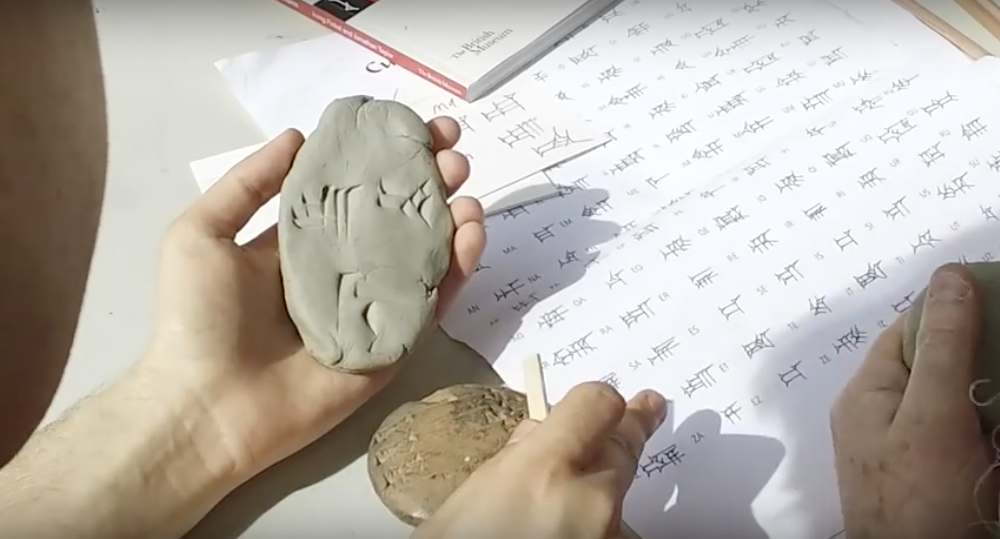
Executing the full cuneiform sequence for “Ryan” follows a structured mechanical progression from phonetic breakdown to final impression stamping. First, isolate the phonetic sounds of the name into manageable syllables: /ra/ or /ri/ plus an ending element. Second, select the corresponding cuneiform sign values from standardized ancient syllabaries. Third, practice the individual wedge components—horizontal wedges, vertical wedges, and corner wedges—on designated name practice worksheets adapted for grid alignment. Finally, press the stylus into a soft medium such as modeling clay or heavy paperboard, ensuring each wedge maintains a sharp head and a tapering tail. Educators utilizing preschool worksheets or broader worksheets can adapt these geometric stamping exercises to build foundational hand strength before introducing complex historical scripts.
Common Challenges and How to Avoid Them
The most frequent error when writing modern names in cuneiform is applying uneven vertical pressure, which results in smudged wedge tails and unreadable sign clusters. Educators should ensure learners lift the stylus cleanly rather than dragging it across the writing surface, as dragging distorts the characteristic triangular head of the cuneiform sign. Additionally, students often miscalculate the spacing between adjacent syllabic signs, crowding the characters beyond the allotted margins. Correct this spatial error by providing gridded layout guides that enforce strict boundaries for each wedge impression, ensuring structural clarity and authentic aesthetic proportions throughout the word.
💬 Frequently Asked Questions
Explore More Free Handwriting and Character Worksheets
Expanding historical script practice and foundational literacy skills requires access to diverse, high-quality instructional materials. Explore the extensive educator-approved collections available at CharacterWritingWorksheets.com to support comprehensive fine-motor development, letter formation, and engaging cross-curricular handwriting lessons.
Visual Reference Gallery