Introduction
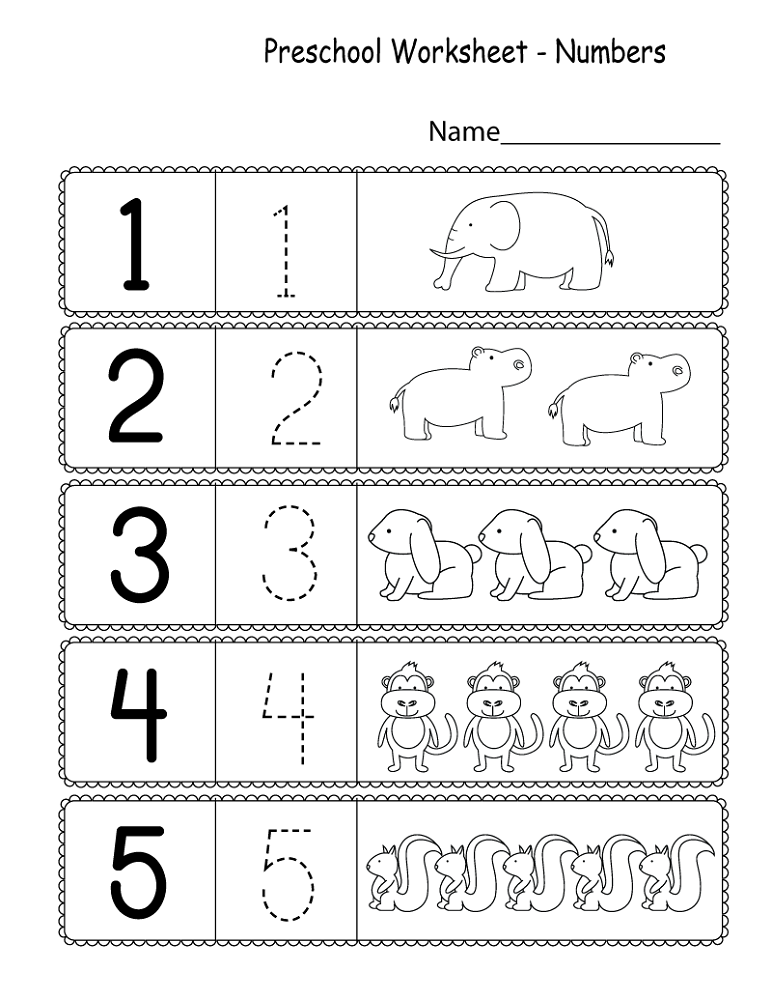
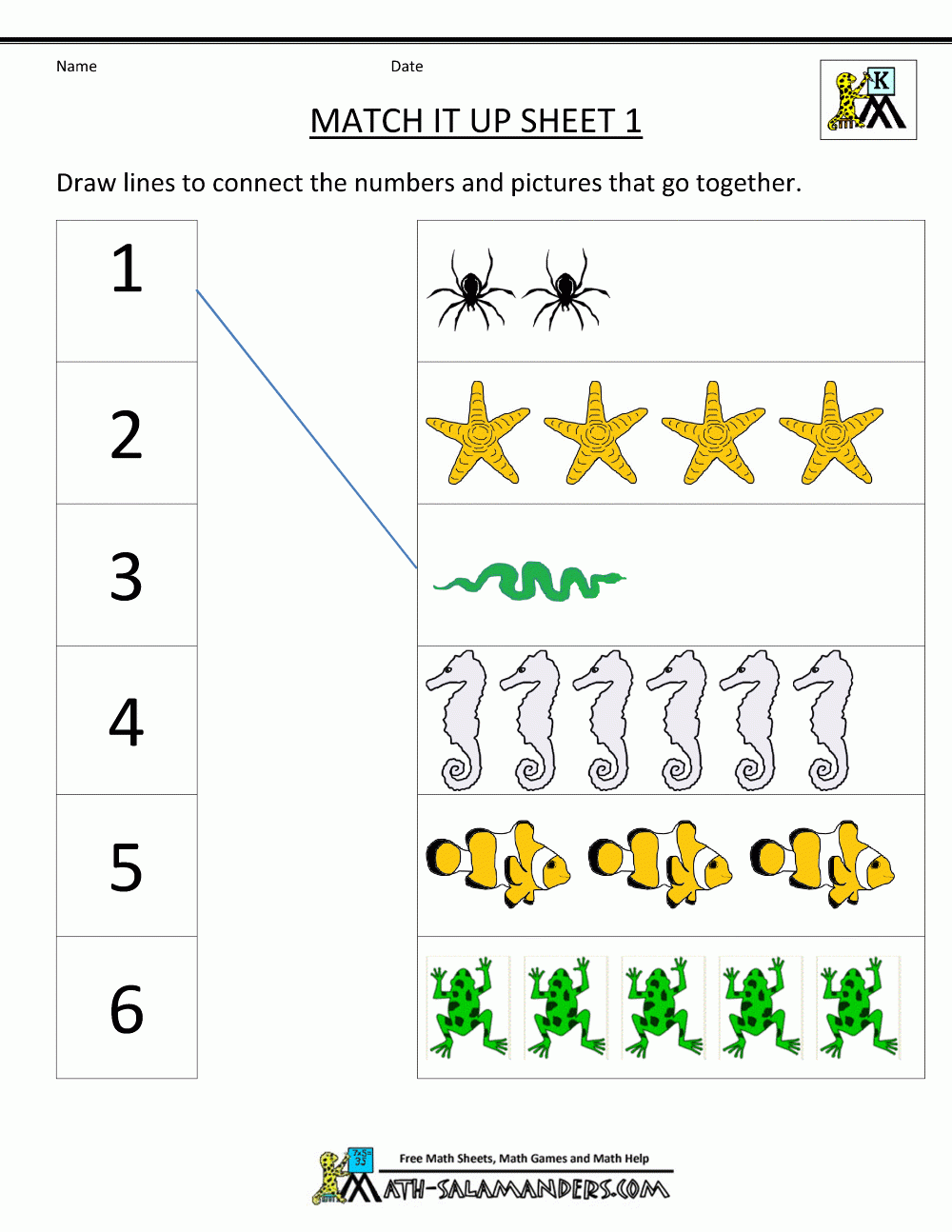
High-quality preschool worksheets free printable pdf resources provide structured, accessible foundations for early childhood handwriting mechanics, stroke sequencing, and fine-motor development. According to the National Association for the Education of Young Children (NAEYC), purposeful play-based and scaffolded literacy practice supports the optimal development of children’s small muscle control and cognitive schema. Utilizing specialized preschool worksheets ensures young learners develop correct spatial awareness and pencil grips before transitioning into formal letter formation.
Handwriting Practice Snapshot:
- Core Focus: Structured preschool worksheets free printable pdf files designed to build foundational motor skills.
- Target Scope: Early childhood education settings, homeschooling environments, and developmental therapy clinics.
- Key Recommendation: Pair digital PDF downloads with tactile tracing exercises and oversized writing utensils to reinforce muscle memory.
Core Principles and Detailed Overview
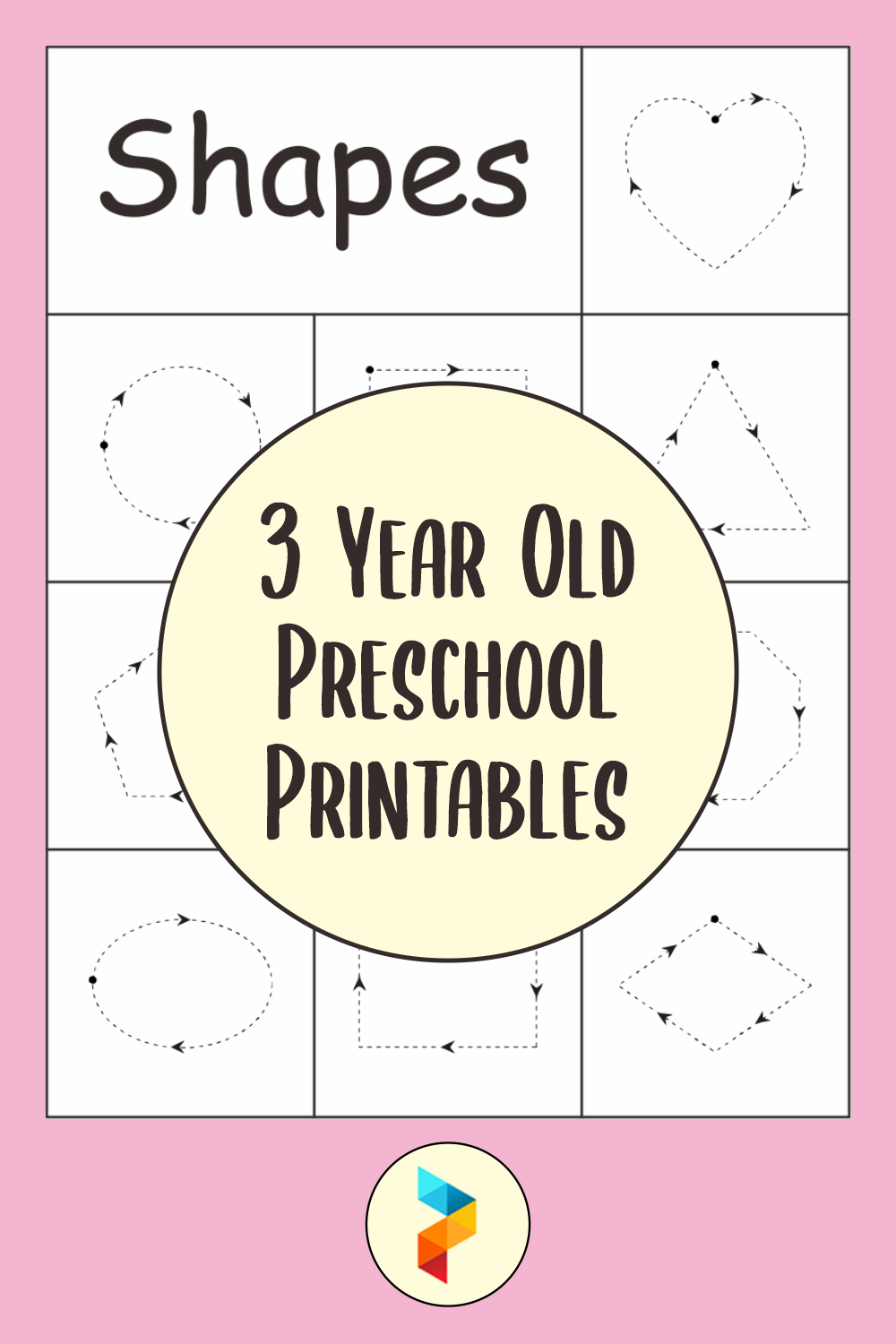
Mastering early handwriting mechanics relies on understanding how fine-motor control, visual-motor integration, and consistent stroke sequencing intersect during the preschool years. Educators utilize tracing worksheets to bridge the gap between gross-motor arm movements and precise finger manipulation. Executing printable PDFs effectively requires careful attention to line width, directional arrows, and repetitive practice that reduces cognitive load while building automaticity. When implementing letter writing worksheets, instructors must emphasize top-to-bottom and left-to-right trajectories to prevent reverse strokes and future writing fatigue.
Key Specifications and Breakdown
| Skill Level / Grade | Target Stroke / Mechanical Focus | Pedagogical / Coaching Cue |
|---|---|---|
| Early Preschool (Ages 3-4) | Horizontal, vertical, and diagonal pre-writing strokes | “Start at the smiling sun and pull straight down to the grass.” |
| Mid Preschool (Ages 4-5) | Closed circles, intersecting lines, and curved paths | “Trace around the circular track without lifting the pencil tip.” |
| Transition Kindergarten (Ages 5-6) | Capital letter formation and baseline alignment | “Touch the top skyline, pull down, and cross on the middle plane.” |
Developmental progression in early handwriting requires foundational mastery of horizontal and vertical strokes prior to complex diagonal letter formation. — American Occupational Therapy Association (AOTA)
Step-by-Step Practical Application and Guidelines
Implementing printable handwriting materials systematically ensures that children build endurance and correct physical habits without developing hand cramps or frustration. Educators and parents should first download high-resolution PDF templates, secure writing surfaces at an appropriate ergonomic height, and demonstrate pencil grasp techniques explicitly. Transitioning young learners through diverse formats—such as incorporating name practice worksheets and creative coloring worksheets—maintains high engagement while reinforcing controlled finger dexterity.
Common Challenges and How to Avoid Them
Premature fatigue, incorrect pencil grasps, and resistance to repetitive stroke tracing represent the most frequent hurdles encountered during early childhood writing instruction. Educators mitigate these obstacles by limiting single-session worksheet time to ten-minute intervals, utilizing short triangular writing tools to encourage proper tripod grips, and selecting engaging worksheets that reward completion with visual progress markers.
💬 Frequently Asked Questions
Explore More Free Handwriting and Character Worksheets
Discovering comprehensive educational tools is essential for fostering lifelong literacy and mechanical precision in young learners. Explore the complete curriculum library available at CharacterWritingWorksheets.com to access professional resources designed to elevate early childhood education.
Worksheet Previews & Reference Materials