Introduction
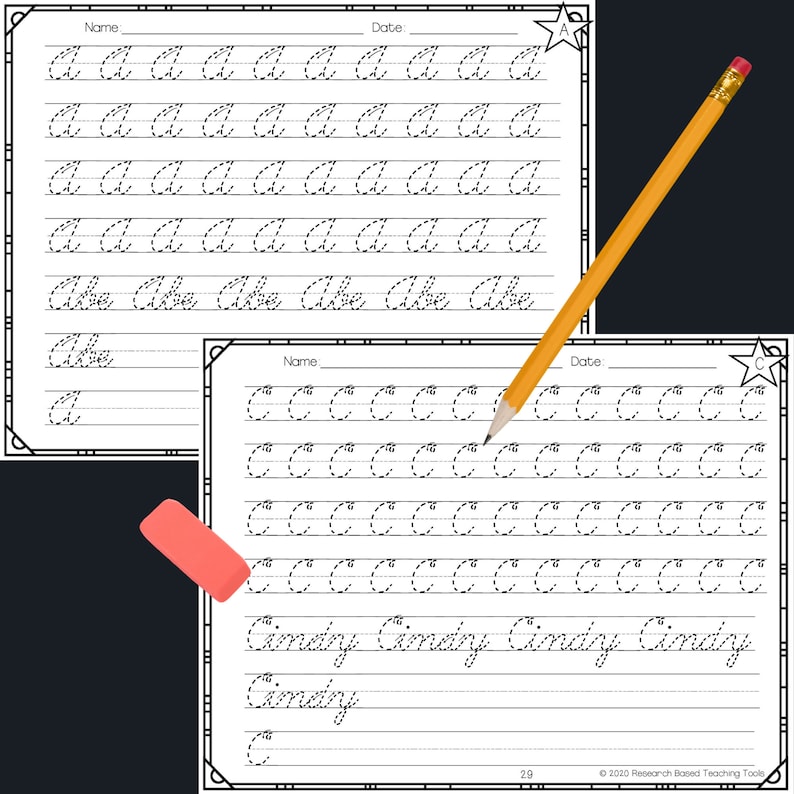
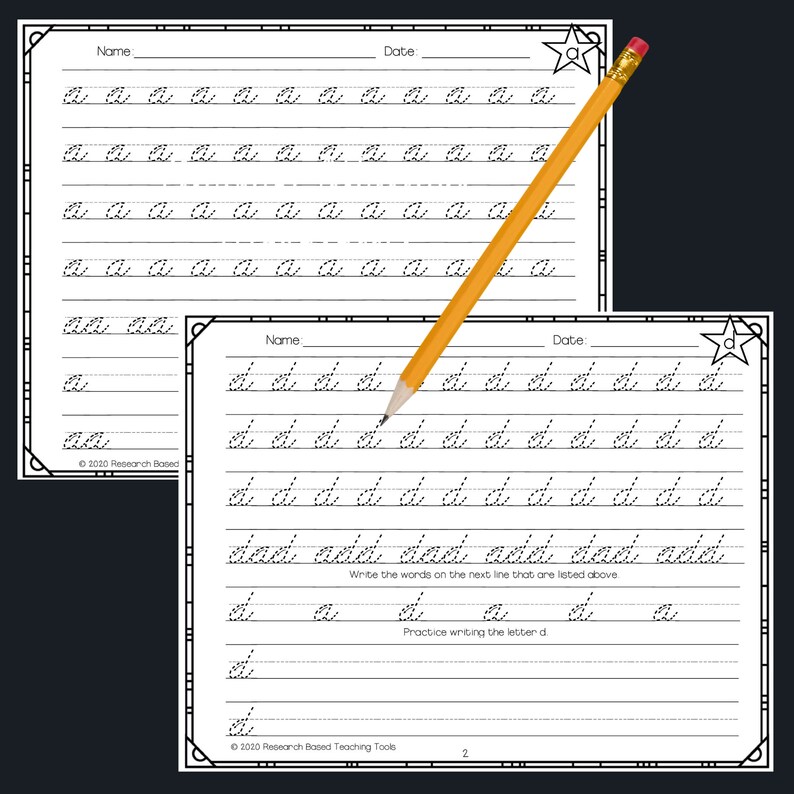
Bridging generational connections through handwriting offers a unique pathway for young learners to master complex fine motor skills. Introducing traditional script to children often sparks curiosity, yet educators notice that modern learners frequently struggle with the continuous fluid motions required for flowing loops and connected letter forms. The grandmother cursive writing printable provides a meaningful bridge, connecting familiar familial themes with foundational penmanship practice. When children trace or copy affectionate terms related to elder family members, pencil control transforms from a tedious chore into an engaging, purposeful communication task.
💡 Educational Key Takeaways:
- Core Skill: Structured Grandmother Cursive Writing focused on developing pencil grip, stroke control, and early literacy/math confidence.
- Target Scope: Suited for homeschoolers, preschool, kindergarten, and elementary learners.
- Best Recommendation: Practice 10–15 minutes daily with ergonomic writing tools to reinforce muscle memory without hand fatigue.
What This Worksheet Covers
Navigating connected script demands a high level of bilateral coordination, visual-motor integration, and steady hand control. This specific resource targets letter formation, precise stroke order, and consistent spacing between interconnected words. As children guide their writing utensils along the sloping lines, intrinsic hand muscles engage to stabilize the arch of the palm, while the eyes track the sweeping curves across the page. It sounds simple, and that’s the point, but the underlying neurological demands are remarkably sophisticated for early elementary learners transitioning from basic block printing to fluid handwriting.
Key Learning Outcomes
Mastering these specialized sheets yields measurable improvements in pencil pressure regulation and motor planning. Learners begin recognizing how individual letters link together smoothly, reducing the frequency of awkward pencil lifts. Furthermore, regular interaction with script models reinforces orthographic mapping, helping young minds store letter patterns more efficiently for future composition tasks. Educators seeking broader foundational tools often explore various Letter Writing Worksheets to support this crucial developmental stage.
How to Use This Worksheet
Facilitating this practice effectively requires a thoughtful approach to timing and environment rather than simply handing over a pencil. Adults should encourage a functional grasp, ensuring the wrist remains relatively neutral and the paper is angled slightly to match the natural slant of the script. Begin by having the learner trace larger exemplar models with a finger to internalize the directional flow before touching a writing instrument to the paper. Transitioning next to short-tipped crayons or slightly weighted pencils can provide extra proprioceptive feedback for hands that fatigue easily.
Practical Tips for Parents and Teachers
Creating a low-stress atmosphere remains paramount when children tackle challenging looping strokes. Short, five-minute sessions yield far better physiological endurance than extended drills that lead to hand cramping and frustration. According to Reading Rockets, explicit and systematic instruction in letter formation is vital for building automaticity, which subsequently frees cognitive capacity for higher-level creative writing. Pairing these targeted writing tasks with complementary resources like Tracing Worksheets helps reinforce pre-writing fluidity across diverse classroom and home environments.
Age-Appropriate Recommendations
Introducing connected script typically aligns best with late second or third-grade curricula, though mature second graders often show readiness for introductory looping exercises. According to the Common Core ELA standard L.2.1.a, children at this developmental tier benefit immensely from refining their command of conventions when writing legible texts. Educators utilizing the National Association for the Education of Young Children (NAEYC) Developmentally Appropriate Practice framework will find that contextualizing writing within relational themes—such as family bonds—enhances intrinsic motivation and engagement.
Explicit handwriting instruction directly improves orthographic processing and automaticity in young learners — Reading Rockets
Frequently Asked Questions
Answers to common inquiries regarding implementation, printing accessibility, and developmental benefits are detailed below to assist caregivers and educators.
Explore More Free Printable Worksheets
Expanding a child’s pencil control toolkit requires a diverse selection of practice materials targeting different developmental domains. Beyond connected script, educators and parents can discover comprehensive resources by browsing foundational Preschool Worksheets or exploring the complete index of available Worksheets designed to foster lifelong academic success.
Developmental Milestone & Activity Table
| Development Stage | Recommended Daily Duration | Primary Learning Objective |
|---|---|---|
| Preschool & Pre-K | 10 – 15 Minutes | Pencil grip development & basic pre-stroke lines |
| Kindergarten | 15 – 20 Minutes | Letter/number formation & spatial line awareness |
| Early Elementary (Grade 1–2) | 20 – 30 Minutes | Fluency, sentence construction & neatness |
Images References