Introduction
Mastering specialized symbols and early typographic characters requires more than simple repetition; it demands precise visual-motor coordination and steady hand control. Young learners often encounter unique punctuation marks and glyphs during their early educational journeys, transitioning from basic strokes to complex symbolic representations. Working through technical formatting concepts like the ampersand symbol en latex printable bridges the gap between digital typesetting and tactile pencil manipulation. Children frequently hunch over their desks, gripping pencils with white knuckles when attempting unfamiliar, curved shapes. Educators and therapists consistently observe that breaking down complex symbols into manageable tracing steps significantly reduces writing anxiety and promotes fluid hand movements. Supporting this pedagogical approach, foundational resources are readily available within specialized Tracing Worksheets collections designed to build early pencil control.
💡 Educational Key Takeaways:
- Core Skill: Structured Ampersand Symbol En Latex focused on developing pencil grip, stroke control, and early literacy/math confidence.
- Target Scope: Suited for homeschoolers, preschool, kindergarten, and elementary learners.
- Best Recommendation: Practice 10–15 minutes daily with ergonomic writing tools to reinforce muscle memory without hand fatigue.
What This Worksheet Covers
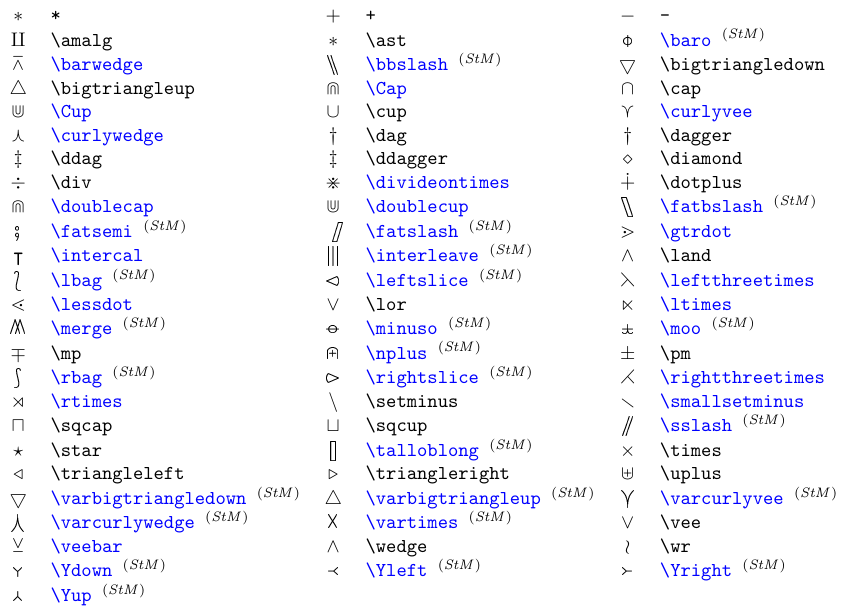
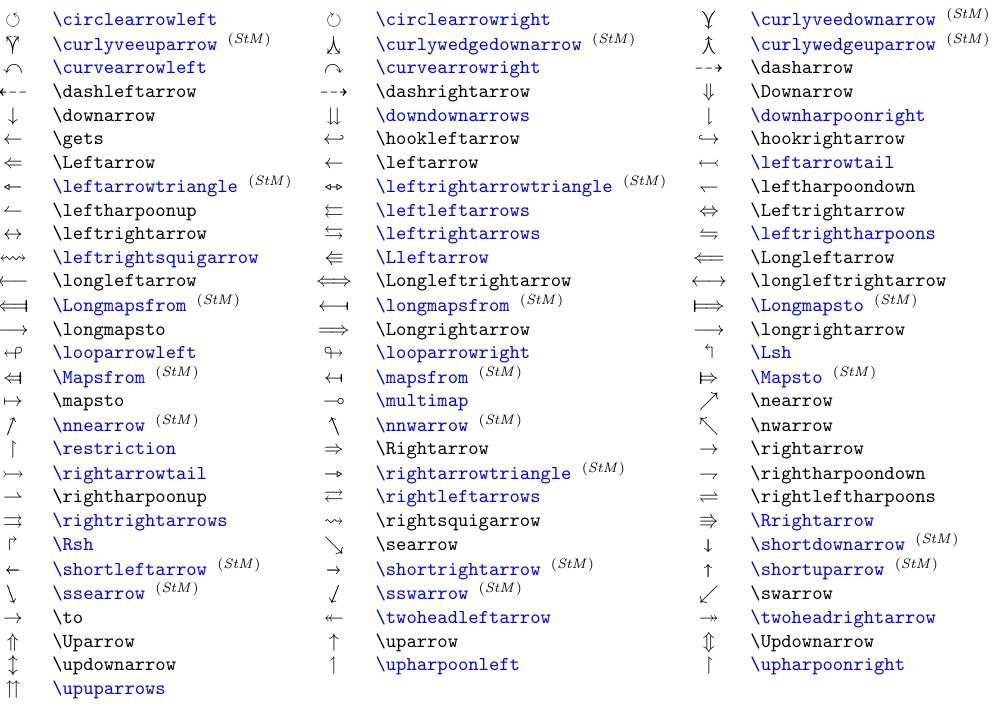
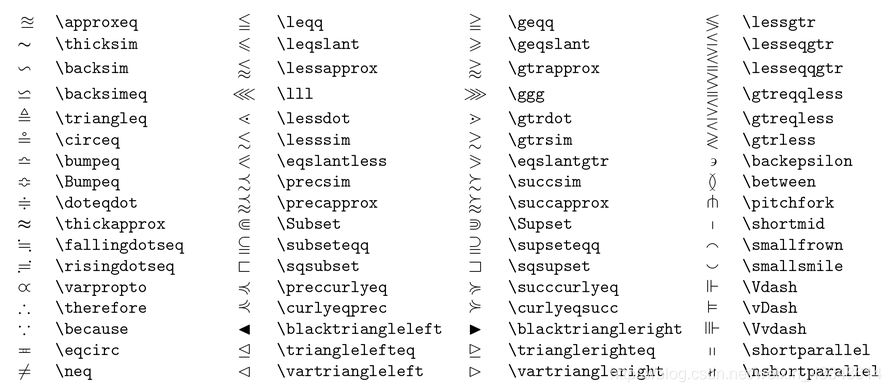
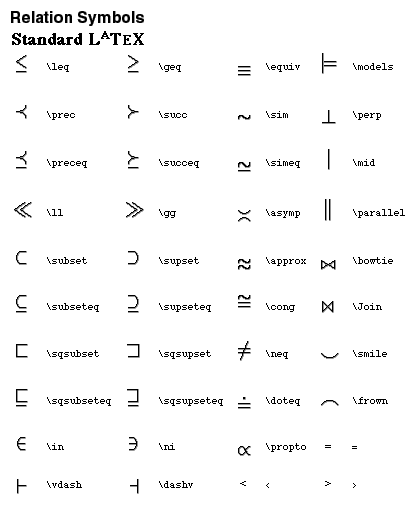
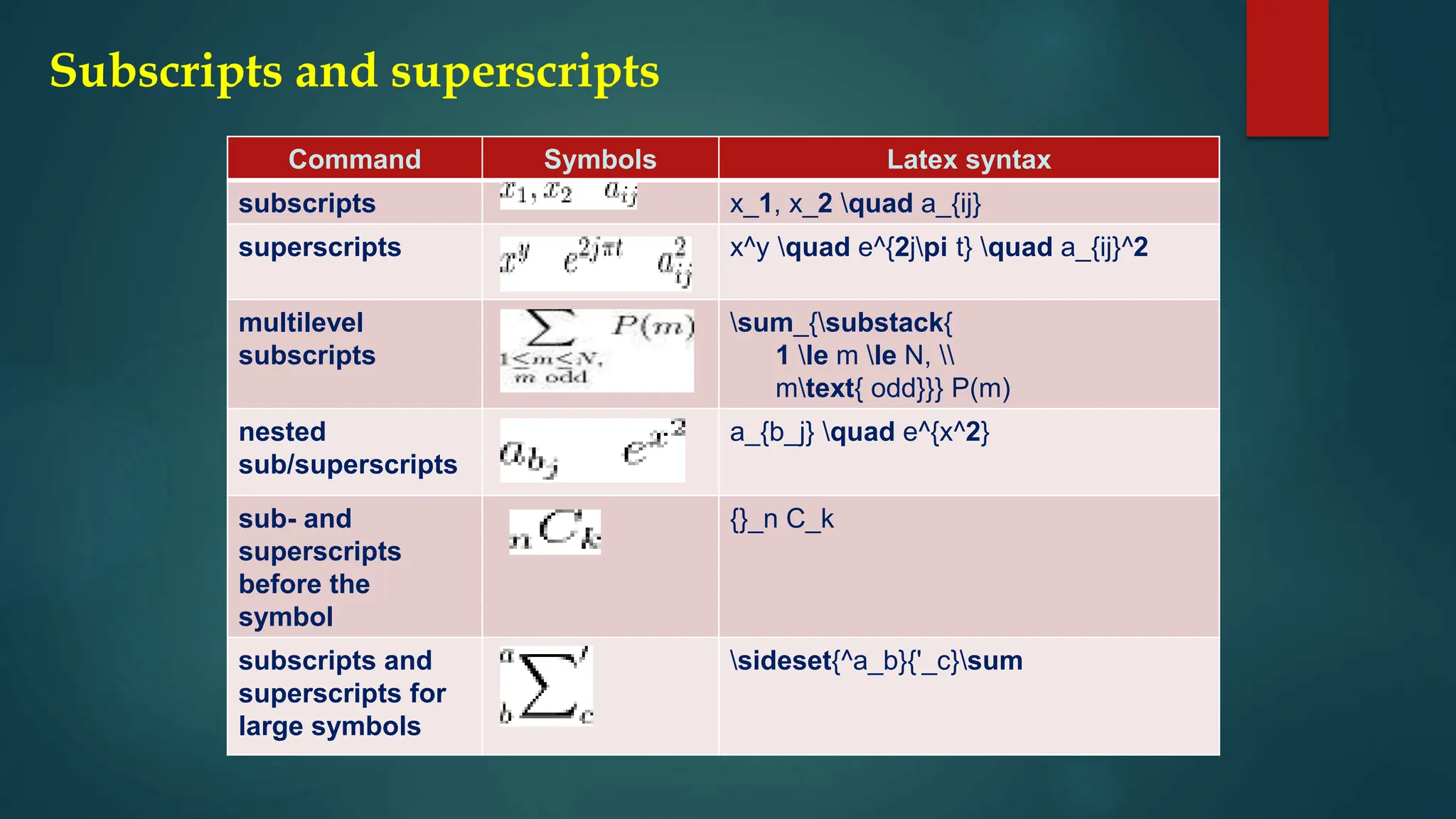
This specific printable resource focuses heavily on the continuous curved trajectories required to form the ampersand cleanly, alongside complementary LaTeX formatting conventions translated into kid-friendly tracing paths. Children navigate loops, intersecting diagonal strokes, and tight terminal curves that mimic the precise motor planning needed for cursive and advanced manuscript writing. It sounds simple, and that’s the point, yet the cognitive load of translating a programmatic typesetting symbol onto physical paper engages both visual spatial awareness and fine motor precision. According to the American Occupational Therapy Association, mastering foundational stroke patterns and tool manipulation directly correlates with academic success and classroom participation.
Key Learning Outcomes
Engaging with structured symbol tracing strengthens intrinsic hand muscles, improves visual tracking across a page, and reinforces directional consistency. Learners develop superior wrist stability, which stops the hand from fatiguing quickly during extended writing sessions. Furthermore, exposure to diverse typographic characters expands visual literacy well beyond standard alphabet letters. To build a robust foundation in these pre-writing skills, exploring comprehensive Preschool Worksheets provides invaluable support for early childhood development.
How to Use This Worksheet
Beginners benefit greatly from starting with large, finger-tracing motions over the primary symbol before introducing a writing utensil. Adults should encourage a functional grasp—such as a tripod or quadripod grip—while ensuring the paper is angled appropriately to match the natural arc of the child’s forearm. Here’s what makes this worksheet different: it treats symbolic punctuation not as an afterthought, but as a deliberate exercise in continuous line fluidity. Slow, controlled pacing yields much better neurological retention than rushing through multiple messy repetitions.
Practical Tips for Parents and Teachers
Observation in both clinic rooms and traditional classrooms reveals that posture dictates pencil control. Feet must rest flat on the floor, and the non-dominant hand should stabilize the top corner of the paper to prevent slipping. Using broken crayons or short stubby pencils naturally encourages fingers to adopt an efficient grasp pattern by limiting space for improper fist holds. Educators can integrate these focused exercises into morning centers or occupational therapy warm-up routines to prepare hands for heavier academic writing tasks later in the day.
Age-Appropriate Recommendations
Aligning with the National Association for the Education of Young Children guidelines on developmentally appropriate practice, symbolic tracing activities should be introduced gradually between ages five and eight, depending on individual motor readiness. Younger children in this spectrum thrive when tracing larger, oversized glyphs, whereas older elementary students can manage standard sizing that demands finer metacarpal control. According to the National Center for Learning Disabilities, targeted multisensory interventions significantly improve written expression and symbol recognition for developing minds.
Targeted fine motor interventions and structured pre-writing practice measurably improve symbol formation accuracy and reduce hand fatigue in early elementary learners — American Occupational Therapy Association
Frequently Asked Questions
Clear guidance helps caregivers maximize the utility of specialized printables.
Explore More Free Printable Worksheets
Expanding a child’s writing repertoire requires a diverse toolkit of educational materials. Educators and parents can easily access complementary resources by browsing through comprehensive Worksheets directories. For focused handwriting development, targeted Letter Writing Worksheets offer structured practice to complement symbol tracing.
Developmental Milestone & Activity Table
| Development Stage | Recommended Daily Duration | Primary Learning Objective |
|---|---|---|
| Preschool & Pre-K | 10 – 15 Minutes | Pencil grip development & basic pre-stroke lines |
| Kindergarten | 15 – 20 Minutes | Letter/number formation & spatial line awareness |
| Early Elementary (Grade 1–2) | 20 – 30 Minutes | Fluency, sentence construction & neatness |
Images References