Introduction
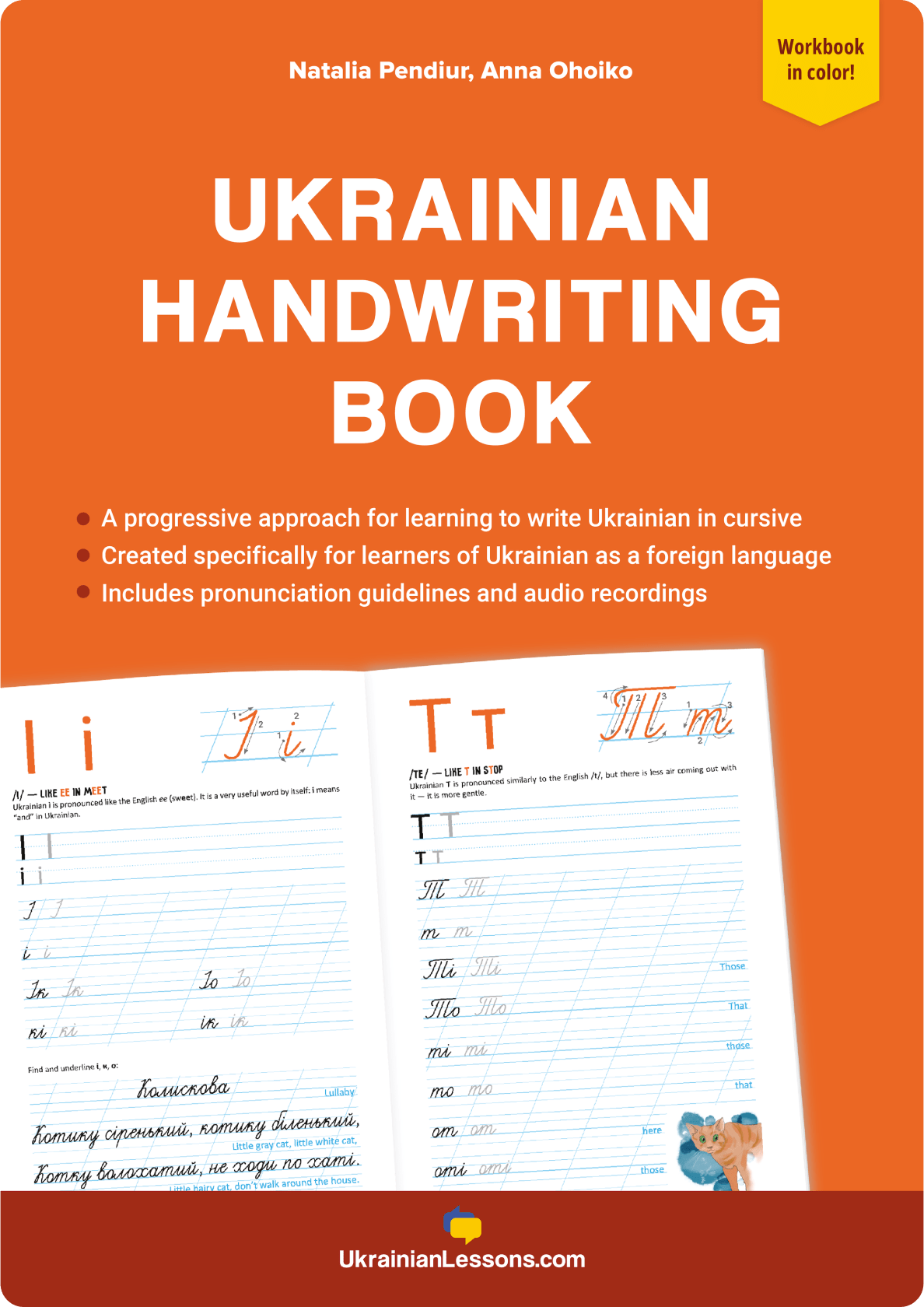
Developing foundational literacy skills requires an intentional blend of visual-motor integration and cultural engagement, particularly when introducing young learners to new alphabets and writing systems. Mastering the Cyrillic script used in Ukrainian presents a unique set of biomechanical challenges for developing hands, requiring precise pencil control and deliberate stroke sequencing. Educators and occupational therapists frequently observe that introducing foreign or heritage alphabets too rigidly can cause hand fatigue and frustration before the child even grasps the basic mechanics of letter formation. The free printable ukrainian writing practice sheets bridge this gap by offering structured, scaffolded exercises that transform intricate letter structures into manageable, confidence-building steps. Every carefully designed curve and vertical line on the page guides the hand naturally, fostering both penmanship and cultural connection without overwhelming the child’s sensory and motor systems.
💡 Educational Key Takeaways:
- Core Skill: Structured Ukranian Writing Practice Sheets focused on developing pencil grip, stroke control, and early literacy/math confidence.
- Target Scope: Suited for homeschoolers, preschool, kindergarten, and elementary learners.
- Best Recommendation: Practice 10–15 minutes daily with ergonomic writing tools to reinforce muscle memory without hand fatigue.
What This Worksheet Covers
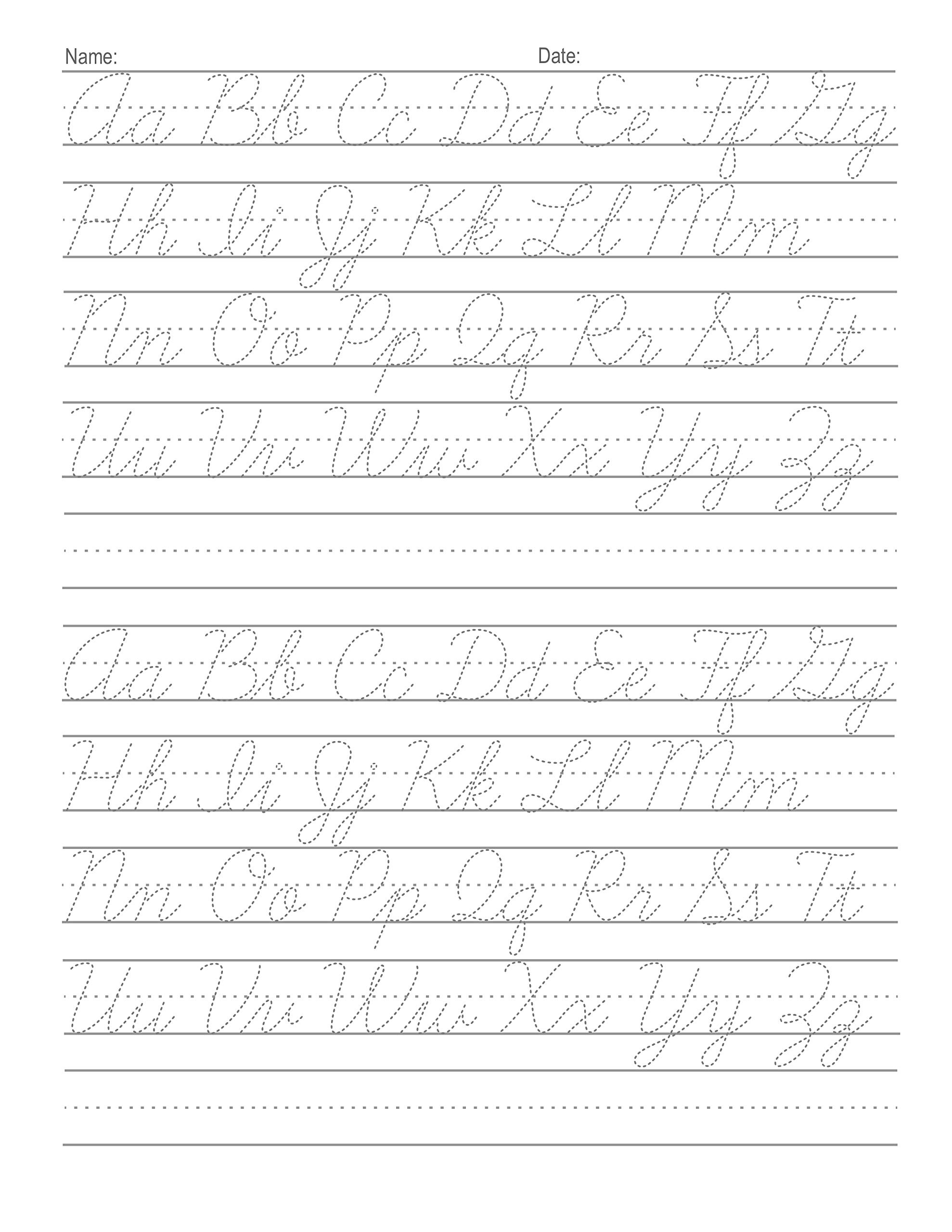
Targeting both foundational pre-writing strokes and specific letter formation, these instructional materials address the complex interplay between visual attention and manual dexterity. Children encounter guided tracing paths for distinct Cyrillic characters, helping them understand spatial orientation, line awareness, and proportional sizing on the page. It sounds simple, and that’s the point. By breaking down complex glyphs into individual strokes—such as loops, ascenders, and descenders—the resource prevents bad habits like heavy-handed pressing or incorrect pencil lifts. These sheets coordinate closely with other foundational resources found across our Tracing Worksheets collection, ensuring consistent progression from basic lines to fully formed linguistic symbols. Learners gradually transition from tracing dotted models to independent execution, reinforcing the cognitive memory required for fluent writing.
Key Learning Outcomes
Engaging systematically with these practice pages yields measurable improvements in fine motor control and visual perception. According to the American Occupational Therapy Association, foundational pencil control and fine motor manipulation are direct predictors of academic success and classroom endurance in early elementary years. Children develop bilateral coordination by stabilizing the paper with one hand while executing precise finger movements with the other. Furthermore, consistent engagement with these materials enhances letter recognition and spatial mapping, which are essential components of early literacy. Exploring related foundational activities via our broader Preschool Worksheets archive helps children build the comprehensive hand strength necessary for all academic writing tasks.
How to Use This Worksheet
Implementation succeeds best when adults treat the activity as a multi-sensory experience rather than a mechanical copying drill. Before introducing the pencil, children benefit from tracing the large-format letters in the air, in a tray of sand, or with textured manipulatives to anchor the kinesthetic memory of the stroke order. Here’s what makes this worksheet different: it allows for flexible pacing, accommodating both children who need oversized motor planning spaces and those ready for standard primary lines. Adults should supervise closely during the initial attempts to ensure the child maintains an efficient dynamic tripod grasp, preventing finger-wrapping or excessive wrist extension. Integrating these sheets alongside targeted exercises from our Letter Writing Worksheets category ensures a well-rounded approach to global literacy and fine motor skill acquisition.
Practical Tips for Parents and Teachers
Short, frequent practice sessions yield significantly better biomechanical outcomes than long, fatiguing blocks of repetitive writing. Limiting sessions to five or ten minutes protects the intrinsic hand muscles from cramping, which often leads to poor postural habits and pencil grip regression. Using broken crayons or short golf pencils naturally encourages fingers to drop into the correct tripod position, bypassing the need for constant verbal reminders. Positioning the writing surface on a slanted slant board promotes optimal wrist extension and upright posture, reducing visual strain and shoulder fatigue during detailed tracing tasks. Celebrating small victories, such as a smoothly executed vertical stroke or a well-proportioned loop, keeps intrinsic motivation high.
Age-Appropriate Recommendations
Aligning with the National Association for the Education of Young Children Developmentally Appropriate Practice (NAEYC DAP) framework, these sheets are best introduced to children between the ages of five and eight, depending on their individual fine motor readiness. Younger children in the lower end of this range should focus primarily on the larger pre-writing strokes and gross motor letter approximations, avoiding rigid expectations for perfection. Older children can utilize the smaller grid spaces to refine their proportional sizing, alignment, and spacing between words. According to Reading Rockets, explicit instruction in letter formation directly supports orthographic mapping, allowing children to store letter sequences securely in their long-term memory for faster reading and writing fluency.
Explicit instruction in letter formation and fine motor control significantly accelerates early orthographic mapping and writing fluency. — Reading Rockets
Frequently Asked Questions
Explore More Free Printable Worksheets
Expanding a child’s writing repertoire involves exploring various thematic and structural formats to keep engagement levels consistently high. Educators and caregivers can easily supplement handwriting sessions with diverse materials found across our comprehensive Worksheets directory. Building personalized confidence and identity-based literacy is equally important, which is why pairing foreign alphabet practice with resources from our Name Practice Worksheets section creates a balanced, highly motivating daily writing routine for every developing learner.
Developmental Milestone & Activity Table
| Development Stage | Recommended Daily Duration | Primary Learning Objective |
|---|---|---|
| Preschool & Pre-K | 10 – 15 Minutes | Pencil grip development & basic pre-stroke lines |
| Kindergarten | 15 – 20 Minutes | Letter/number formation & spatial line awareness |
| Early Elementary (Grade 1–2) | 20 – 30 Minutes | Fluency, sentence construction & neatness |
Images References