Introduction
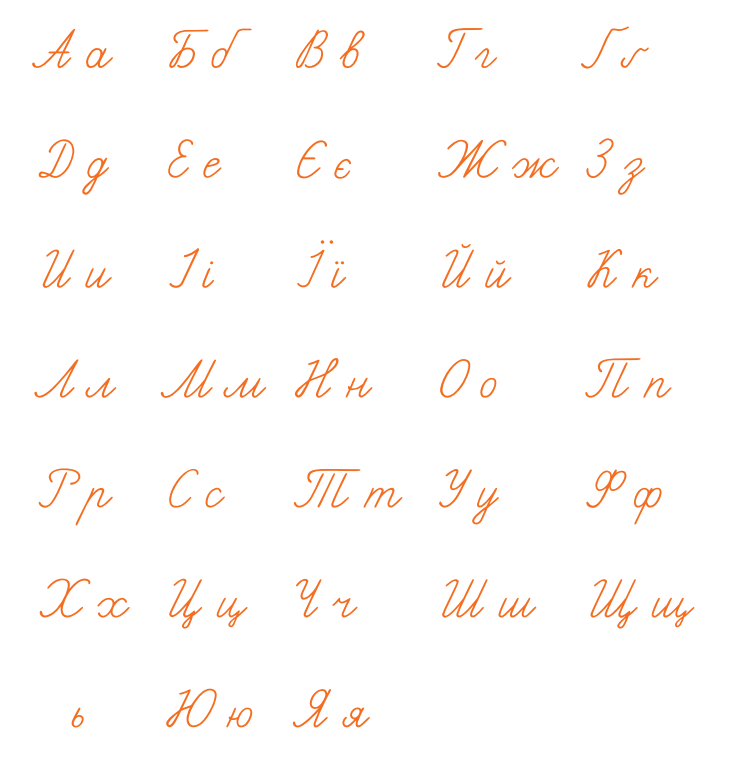
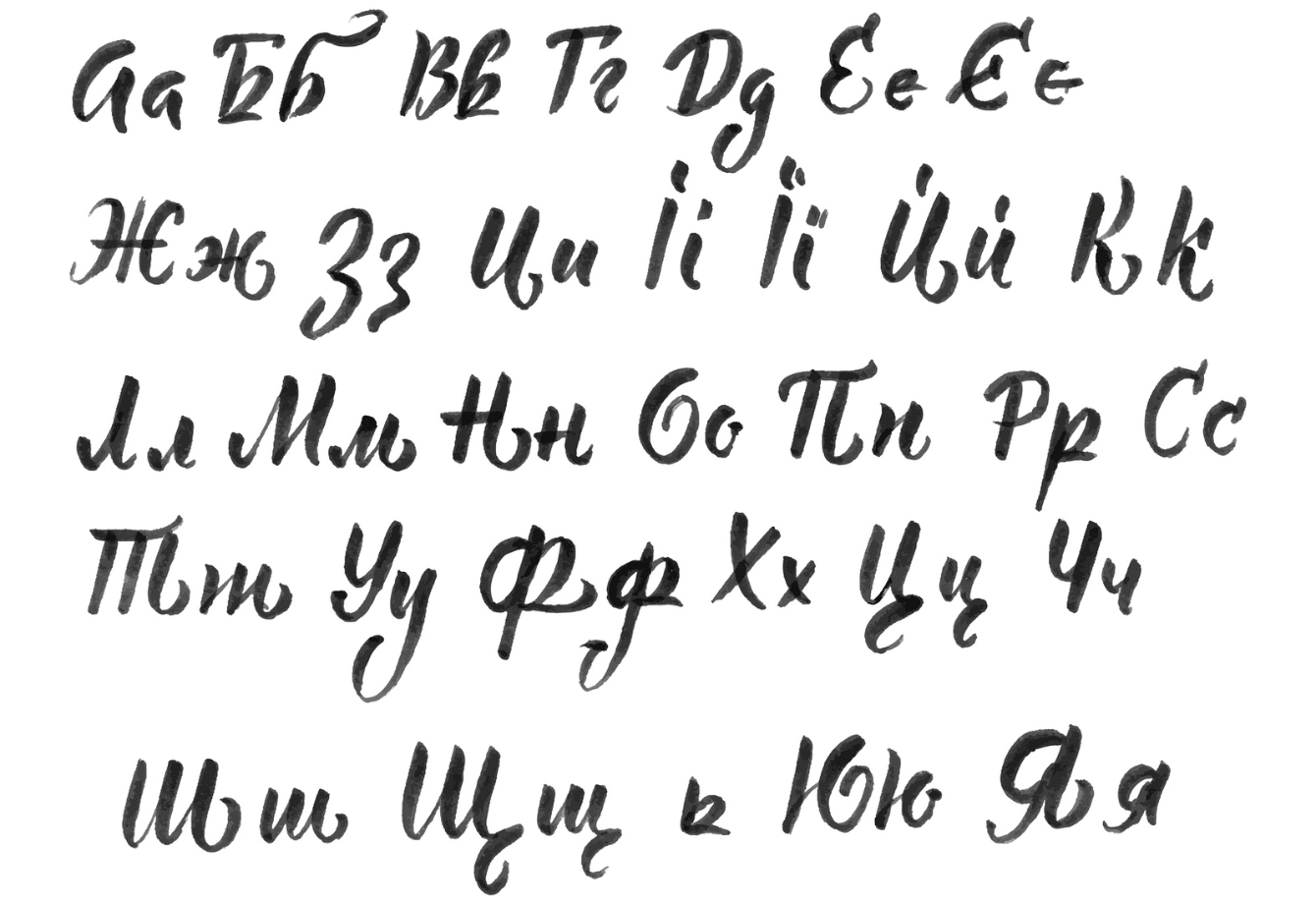
Mastering a new script requires patience, precise pencil control, and structured repetition. When introducing children to connected letter forms in a different language, traditional drills often fall short because they lack cultural relevance and engaging design. The free printable ukrainian cursive alphabet bridges this gap by offering a clean, structured layout for learners who are ready to transition from block printing to fluid handwriting. Educators and occupational therapists frequently notice that children approach unfamiliar alphabets with heightened curiosity, making structured practice sheets an ideal tool for building both linguistic skills and fine motor endurance. Developing fluency in cursive script relies heavily on continuous stroke patterns, visual-spatial planning, and consistent baseline adherence. Exploring foundational Letter Writing Worksheets provides children with the necessary groundwork to tackle these intricate letter connections without frustration. Every loop and slant in the Ukrainian cursive system demands intentional hand movements that reinforce muscle memory in the small intrinsic muscles of the hand. Providing accessible practice materials ensures that learners can progress at their own pace, moving from individual letter shapes to fully connected words.
💡 Educational Key Takeaways:
- Core Skill: Structured Ukrainian Cursive Alphabet focused on developing pencil grip, stroke control, and early literacy/math confidence.
- Target Scope: Suited for homeschoolers, preschool, kindergarten, and elementary learners.
- Best Recommendation: Practice 10–15 minutes daily with ergonomic writing tools to reinforce muscle memory without hand fatigue.
What This Worksheet Covers
This specific practice resource systematically introduces lowercase and uppercase cursive letters native to the Ukrainian alphabet, complete with directional arrows and starting dots. Letter formation requires a complex integration of visual perception, proprioception, and motor planning. According to the American Occupational Therapy Association, foundational handwriting tasks support bilateral coordination and spatial awareness, which are critical components of academic success. Learners trace individual glyphs before attempting independent execution, ensuring that stroke order remains correct from the very first session. This gradual scaffolding prevents the formation of undesirable compensatory grips and awkward hand postures. Children transitioning into this level of writing benefit greatly from pairing these exercises with broader Tracing Worksheets to refine baseline control and curve fluidity. Here is what makes this worksheet different: it emphasizes the critical transitional strokes—known as lead-ins and lead-outs—that give cursive its distinctive flowing rhythm.
Key Learning Outcomes
Working through these guided exercises yields measurable improvements in pen control, letter proportion, and writing speed. Consistent practice trains the visual-motor system to anticipate upcoming letter shapes, reducing cognitive fatigue during longer writing tasks. According to Reading Rockets, explicit handwriting instruction directly enhances overall literacy acquisition by freeing up cognitive capacity for composition and spelling. Learners begin to internalize the consistent slant and spacing required for legible cursive, which naturally translates into cleaner handwritten output across all subjects. Furthermore, mastering these character forms fosters cultural appreciation and bilingual literacy development in heritage speakers and language learners alike. Educators seeking to expand a child’s early skill set often integrate supplementary Preschool Worksheets to build foundational hand strength prior to cursive instruction.
How to Use This Worksheet
Successful implementation begins with posture and positioning, ensuring feet flat on the floor and paper tilted at a comfortable angle matching the natural slant of the writing hand. Adults should guide the learner to trace the initial rows using a sharpened graphite pencil or a fine-tip marker, depending on tactile preference. It sounds simple, and that’s the point: repetition without distraction allows the neural pathways governing fine motor control to strengthen rapidly. Sessions should remain brief, lasting roughly ten to fifteen minutes per day, to prevent hand cramping and mental burnout. Regular monitoring helps catch incorrect pencil grasps before they become deeply ingrained habits. Incorporating these targeted pages into a daily literacy block transforms abstract letter symbols into automatic, fluid movements.
Practical Tips for Parents and Teachers
Creating a low-pressure environment transforms handwriting practice from a tedious chore into an enjoyable ritual. Slip the printable sheets inside heavy-duty plastic dry-erase pockets, allowing children to practice the same letter sequences repeatedly using a dry-erase marker. This low-stakes method encourages experimentation and minimizes the anxiety associated with permanent mistakes on paper. Pairing the visual templates with multi-sensory activities—such as tracing letter shapes in a tray of colored salt or molding cursive loops out of flexible wax sticks—cements the motor plan in the child’s brain. Observing how a child approaches challenging transitions, like connecting a round letter to an ascending stem, offers valuable insight into their current visual-motor integration level.
Age-Appropriate Recommendations
Cursive instruction for complex alphabets is most effective when aligned with established developmental milestones and educational frameworks. Guided by the National Association for the Education of Young Children Developmentally Appropriate Practice, educators introduce connected writing only after children demonstrate consistent manuscript legibility and adequate hand stamina. Typically, children between the ages of seven and nine possess the necessary skeletal maturity and visual-spatial coordination to tackle cursive slants and variable line heights successfully. Pushing complex script too early often leads to physical fatigue and frustration, whereas waiting for physical readiness yields confident, legible results. Building a comprehensive portfolio of progress becomes much simpler when utilizing a diverse library of general Worksheets designed for various developmental stages.
Foundational handwriting tasks significantly support fine motor control, spatial awareness, and neurological organization in developing children. — American Occupational Therapy Association (AOTA)
Frequently Asked Questions
Clear guidance regarding printing options, skill prerequisites, and developmental expectations helps caregivers maximize the educational value of these printable resources. Reviewing the responses below addresses common concerns encountered by educators and parents navigating foreign language handwriting instruction.
Explicit and systematic handwriting instruction improves overall literacy rates by reducing the cognitive load required for letter execution. — Reading Rockets
Explore More Free Printable Worksheets
Expanding a child’s learning repertoire requires access to diverse, high-quality materials that target specific developmental domains. Educators and parents can easily browse targeted resources, ranging from early motor control builders to advanced literacy tools. Discovering additional practice pages ensures that every learner remains challenged, engaged, and supported throughout their educational journey.
Developmental Milestone & Activity Table
| Development Stage | Recommended Daily Duration | Primary Learning Objective |
|---|---|---|
| Preschool & Pre-K | 10 – 15 Minutes | Pencil grip development & basic pre-stroke lines |
| Kindergarten | 15 – 20 Minutes | Letter/number formation & spatial line awareness |
| Early Elementary (Grade 1–2) | 20 – 30 Minutes | Fluency, sentence construction & neatness |
Images References