Introduction
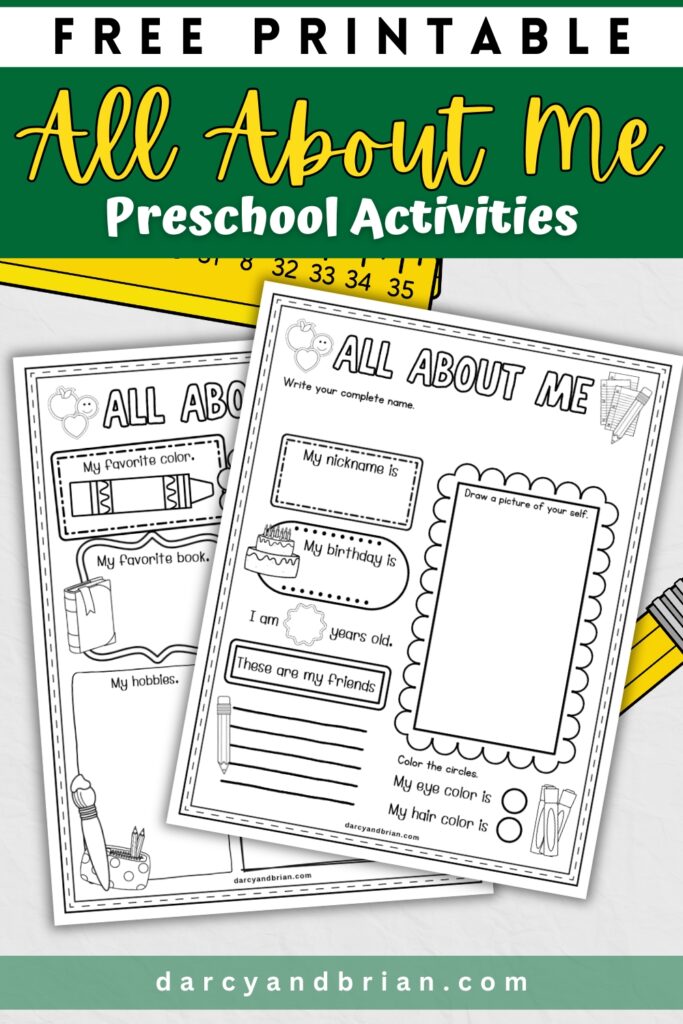
Preschool worksheets all about me are personalized educational printables that merge self-identity exploration with foundational handwriting mechanics, fine-motor skill acquisition, and letter formation practice. According to the National Association for the Education of Young Children (NAEYC), integrating personal relevance into early childhood curricula significantly boosts engagement, cognitive retention, and emotional investment in academic tasks. Educators and parents leverage these targeted preschool worksheets to transition children from unstructured scribbling to controlled, purposeful stroke sequences. By focusing writing prompts on familiar biographical subjects such as favorite colors, family members, and personal names, early learners find genuine motivation to refine pencil grip, spatial awareness, and directional tracking.
Handwriting Practice Snapshot:
- Core Focus: Preserving personal motivation through identity-based tracing, drawing, and letter formation exercises.
- Target Scope: Early childhood learners (ages three to five) in preschool, kindergarten, and homeschool environments.
- Key Recommendation: Pair self-identity prompt sheets with structured name practice worksheets for maximum transfer of motor skills.
Core Principles and Detailed Overview
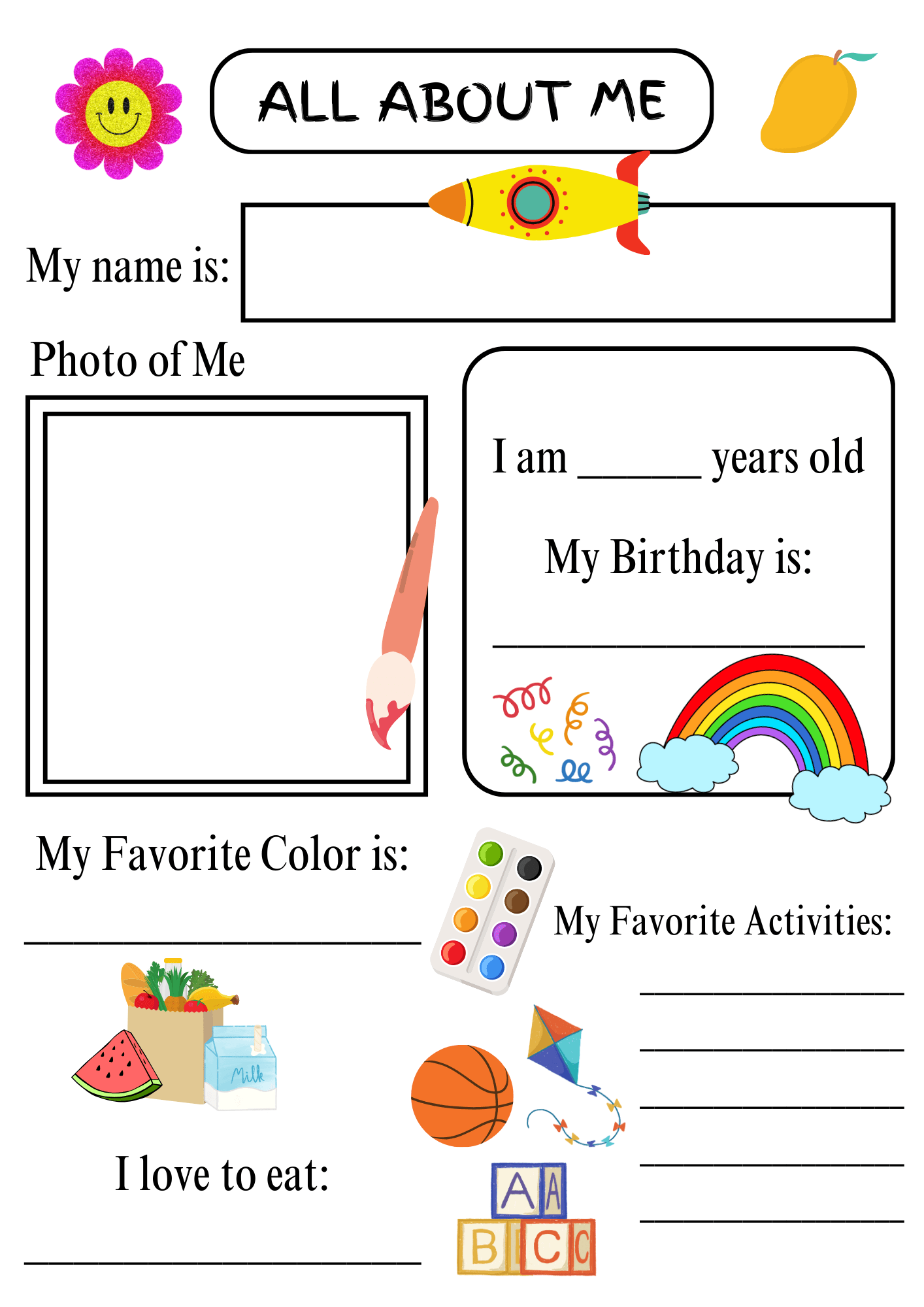
Preschool worksheets all about me establish vital cognitive links between abstract graphic symbols and concrete personal realities, anchoring early literacy in meaningful contexts. Children utilize these customizable pages to practice horizontal tracking, vertical downward strokes, and circular motions required for standard manuscript printing. Instructional designers format these resources with primary writing lines, dotted guide fonts, and open-ended drawing boxes to accommodate diverse developmental milestones. Utilizing these specialized materials supports educators in monitoring pencil pressure, hand dominance stabilization, and baseline alignment without causing cognitive overload. Consequently, young learners acquire essential mechanical stamina while articulating personal preferences, ages, and physical attributes.
Key Specifications and Breakdown
| Skill Level / Grade | Target Stroke / Mechanical Focus | Pedagogical / Coaching Cue |
|---|---|---|
| Early Preschool (Age 3) | Vertical lines, horizontal lines, and gross circular scribbles. | Encourage fist-to-fingertip grip evolution and top-to-bottom stroke execution. |
| Mid Preschool (Age 4) | Diagonal slants, intersecting crosses, and uppercase name tracing. | Model correct starting points for capital letters using verbal directional cues. |
| Late Preschool / Transitional (Age 5) | Letter-like forms, baseline consistency, and complete personal data writing. | Emphasize proportional sizing, pencil control, and steady rhythm during tracing. |
Early childhood fine-motor development requires multi-sensory integration, combining intentional pencil-and-paper practice with kinesthetic feedback to build enduring neurological pathways for handwriting fluency. — American Occupational Therapy Association (AOTA)
Step-by-Step Practical Application and Guidelines
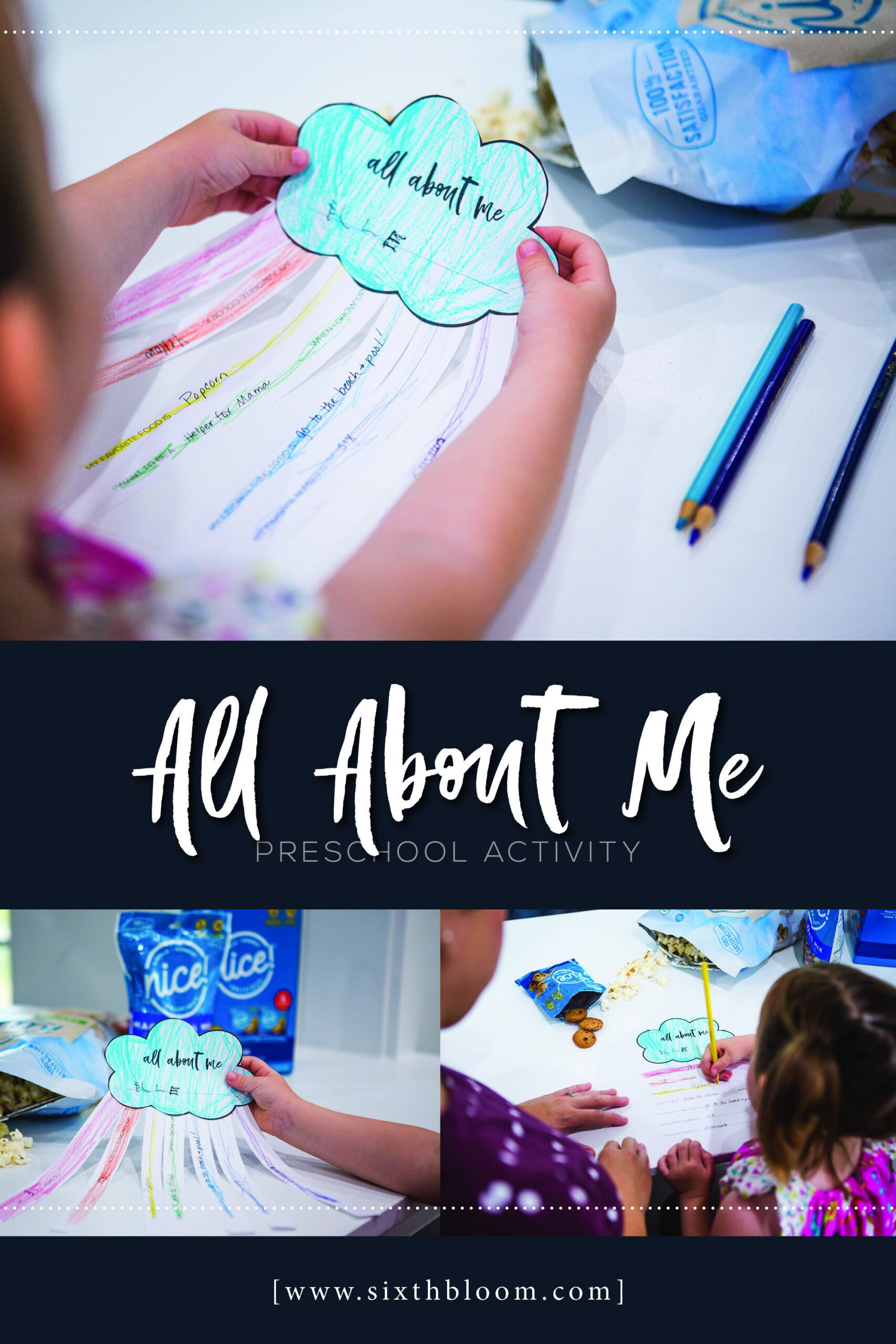
Implementing identity-based writing activities requires a systematic progression from oral brainstorming to physical pencil execution. Educators and caregivers begin by leading a group discussion regarding physical traits, family structures, and favorite hobbies to activate background knowledge before distributing the printable sheets. Next, instructors demonstrate proper grip posture, placing the non-dominant hand firmly on the paper to stabilize the writing surface while modeling the first stroke on a visible whiteboard. Learners then trace dotted guide elements on their pages, moving slowly from left to right and top to bottom to reinforce correct visual scanning patterns. Finally, adults review completed sections by praising specific motor achievements, such as staying inside boundary lines or maintaining correct letter alignment on primary writing guidelines.
Common Challenges and How to Avoid Them
Premature fatigue, incorrect pencil grasps, and frustration with complex visual layouts represent the most frequent obstacles encountered during self-portrait and biographical writing sessions. To prevent hand cramps and poor posture, supervisors must mandate short five-minute working intervals paired with hand-strengthening stretching exercises before pencil contact occurs. When children struggle with multi-step layout demands on complex activity sheets, instructors should isolate specific sections using a blank index card to block out visual clutter and reduce distraction. Furthermore, replacing standard thin graphite pencils with short triangular writing utensils naturally corrects maladaptive finger positioning and encourages a functional tripod grasp without requiring constant verbal reminders.
💬 Frequently Asked Questions
Explore More Free Handwriting and Character Worksheets
Enhance early literacy programs and fine-motor development curricula by exploring the comprehensive collections available across the platform. Educators and families can access specialized coloring worksheets and versatile worksheets designed to support every developmental milestone by visiting CharacterWritingWorksheets.com.
Worksheet Previews & Reference Materials