Introduction
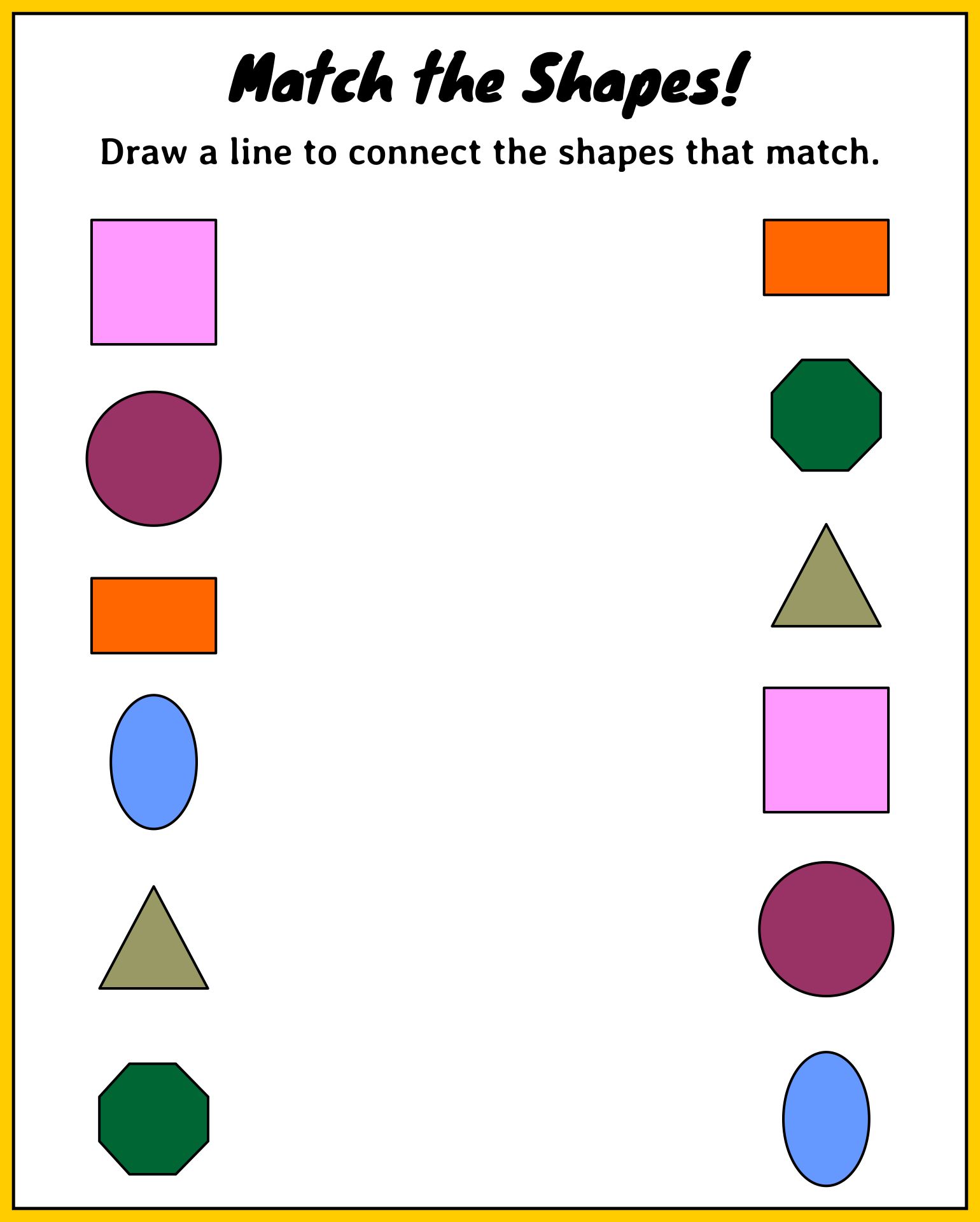
Preschool worksheets age 3-4 establish foundational handwriting mechanics by translating early fine-motor milestones into structured stroke sequences and visual-spatial exercises. According to the National Association for the Education of Young Children (NAEYC), young children develop literacy and pre-writing competencies most effectively through playful, hands-on experiences that gradually bridge gross-motor movements with fine-motor pencil control. Utilizing systematic preschool worksheets prepares the hand for formal letter and character formation by reinforcing proper grip, directional tracking, and spatial awareness.
Handwriting Practice Snapshot:
- Core Focus: Building fine-motor strength and directional stroke control for young learners.
- Target Scope: Designed specifically for children aged 3 to 4 in home and classroom environments.
- Key Recommendation: Prioritize large horizontal strokes and vertical line tracing before introducing complex curves.
Core Principles and Detailed Overview
Handwriting mechanics for three and four-year-olds depend heavily on bilateral integration, postural stability, and the maturation of the palmar arch. Structured tracing worksheets assist children in understanding linear trajectories, top-to-bottom sequencing, and left-to-right progression necessary for reading and writing readiness. Educators and parents must introduce simple pre-writing lines—such as vertical, horizontal, and diagonal strokes—before expecting mastery over complex uppercase and lowercase letter structures found in standard letter writing worksheets.
Key Specifications and Breakdown
| Skill Level / Grade | Target Stroke / Mechanical Focus | Pedagogical / Coaching Cue |
|---|---|---|
| Age 3 (Novice) | Vertical and horizontal lines | “Start at the top sky and pull straight down to the grass.” |
| Age 3.5 (Developing) | Crosses, circles, and diagonal slants | “Draw a continuous round circle, looping smoothly around the center.” |
| Age 4 (Advanced) | Early intersections and pre-cursive paths | “Keep the pencil tip touching the paper while tracing the dotted track.” |
Handwriting development requires foundational proximal stability before distal fine-motor precision can occur. — American Occupational Therapy Association (AOTA)
Step-by-Step Practical Application and Guidelines
Executing effective pencil practice sessions requires deliberate staging, ergonomic seating, and appropriate writing utensils to prevent hand fatigue. Educators should begin every session by ensuring the child sits with feet flat on the floor and hips positioned at a ninety-degree angle. Next, select developmentally appropriate writing tools, such as short triangular crayons or thick pencils that encourage a natural tripod or quadrapod grasp. Implement purposeful coloring worksheets to build intrinsic hand muscle strength before transitioning to precision pencil-and-paper tracing tasks.
Common Challenges and How to Avoid Them
Children frequently encounter frustration when introduced to writing tasks that demand excessive finger dexterity before shoulder and wrist stability are fully established. A common error involves forcing a strict adult tripod grasp prematurely, which causes hand cramping and resistance toward writing activities. Adults must monitor grip pressure carefully, substitute thin pencils with chunkier writing instruments, and limit worksheet sessions to short, five-minute intervals to maintain engagement and preserve hand health.
💬 Frequently Asked Questions
Explore More Free Handwriting and Character Worksheets
Accessing comprehensive educational resources ensures that early learners maintain steady progress across all fundamental handwriting domains. Explore specialized exercises such as targeted name practice worksheets to personalize the learning journey and support early literacy milestones by visiting the main directory at CharacterWritingWorksheets.com.
Worksheet Previews & Reference Materials