Introduction
Preschool worksheets abc serve as foundational pedagogical tools designed to guide early learners through the sequential mechanics of letter formation and fine-motor control. According to the National Association for the Education of Young Children (NAEYC), developmentally appropriate early writing practice must prioritize physical dexterity, proper grip, and spatial awareness before demanding formal manuscript production. Educators and parents utilize structured preschool worksheets to transition children smoothly from basic scribbling to purposeful stroke execution, ensuring that foundational alphabet acquisition aligns with healthy biomechanical development.
Handwriting Practice Snapshot:
- Core Focus: Systematic mastery of alphabet letter formation, stroke directionality, and fine-motor control.
- Target Scope: Early childhood education environments, preschool classrooms, and home-schooling settings.
- Key Recommendation: Pair structured alphabet practice sheets with multisensory tactile activities and proper writing posture.
Core Principles and Detailed Overview
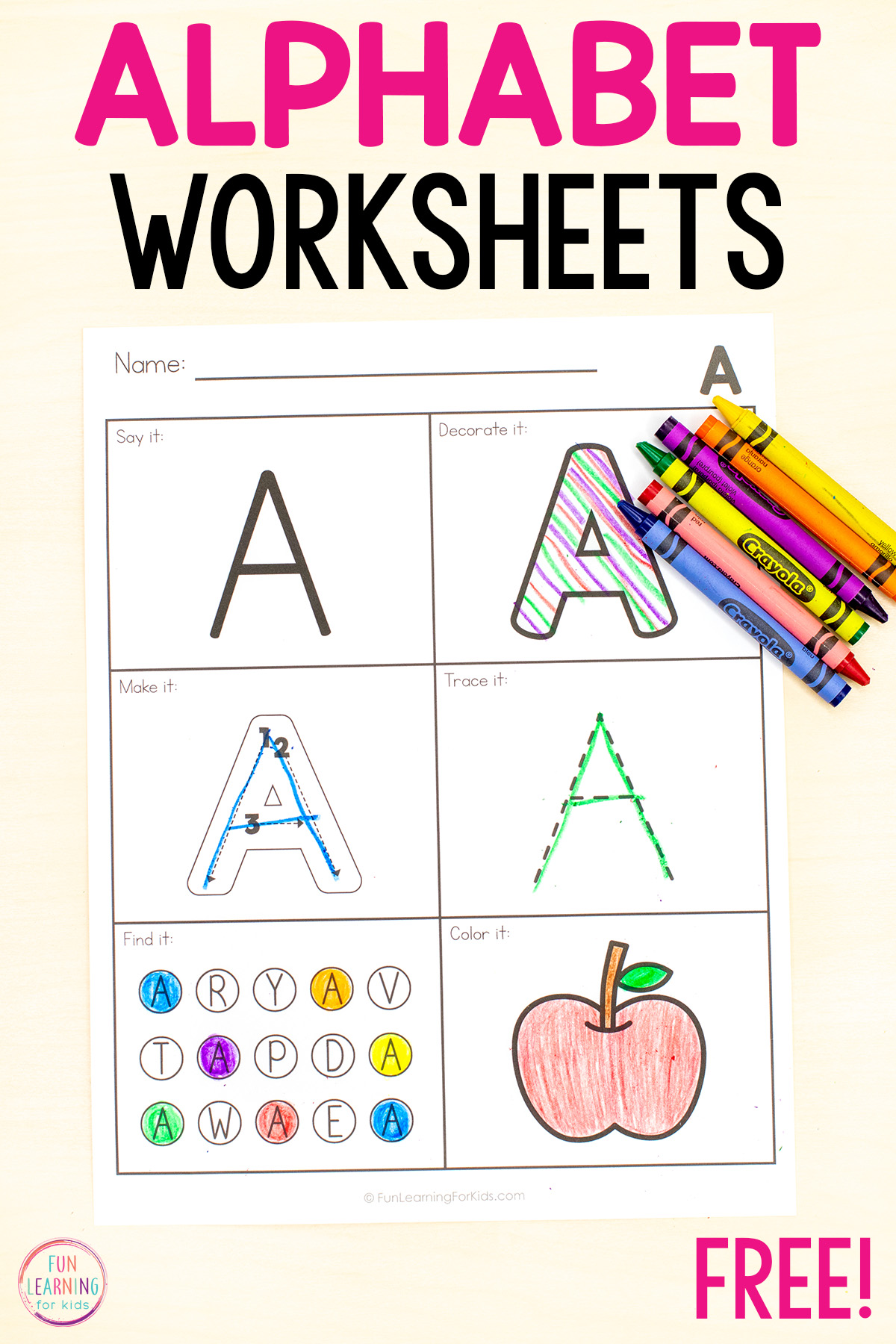
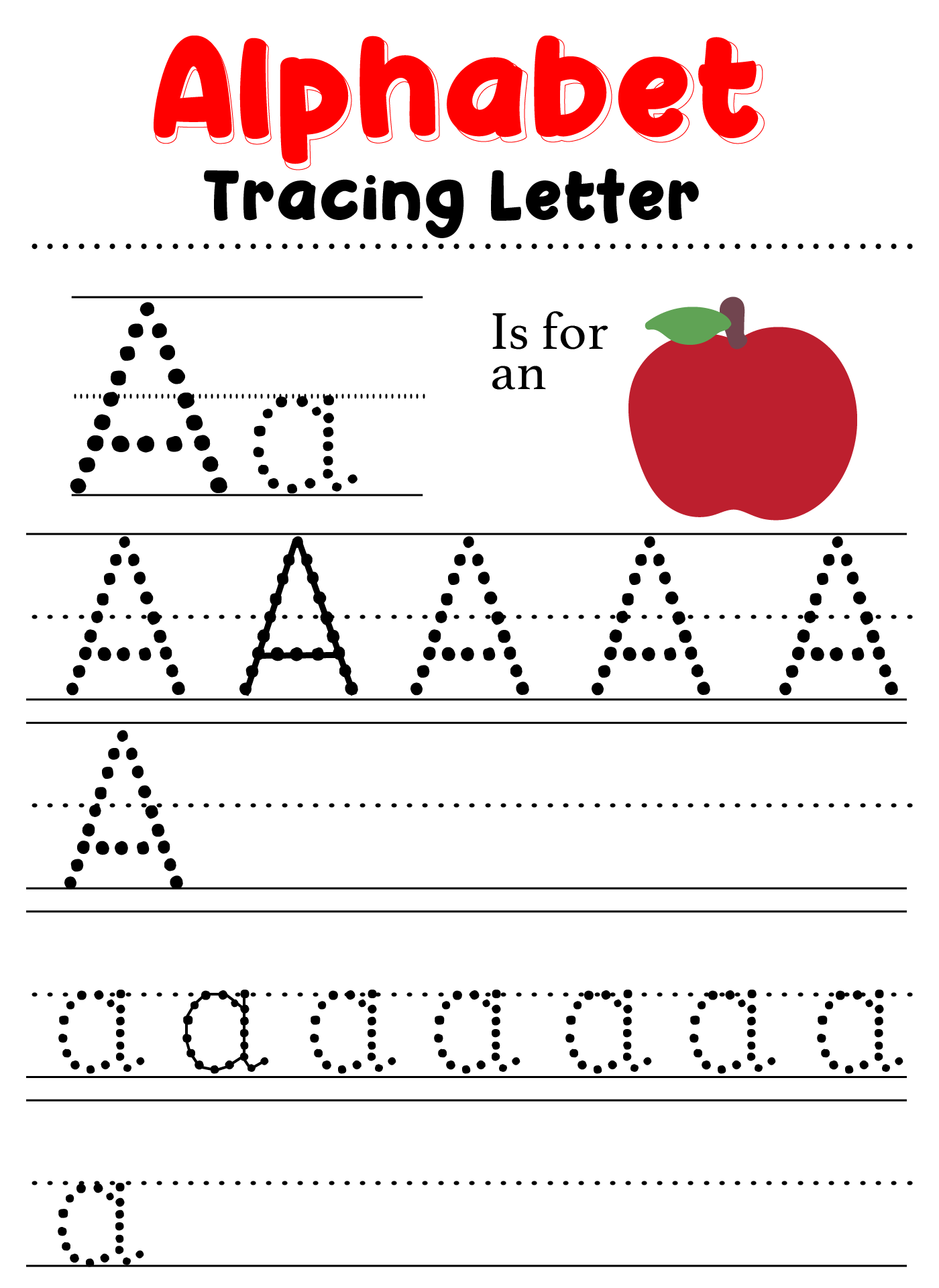
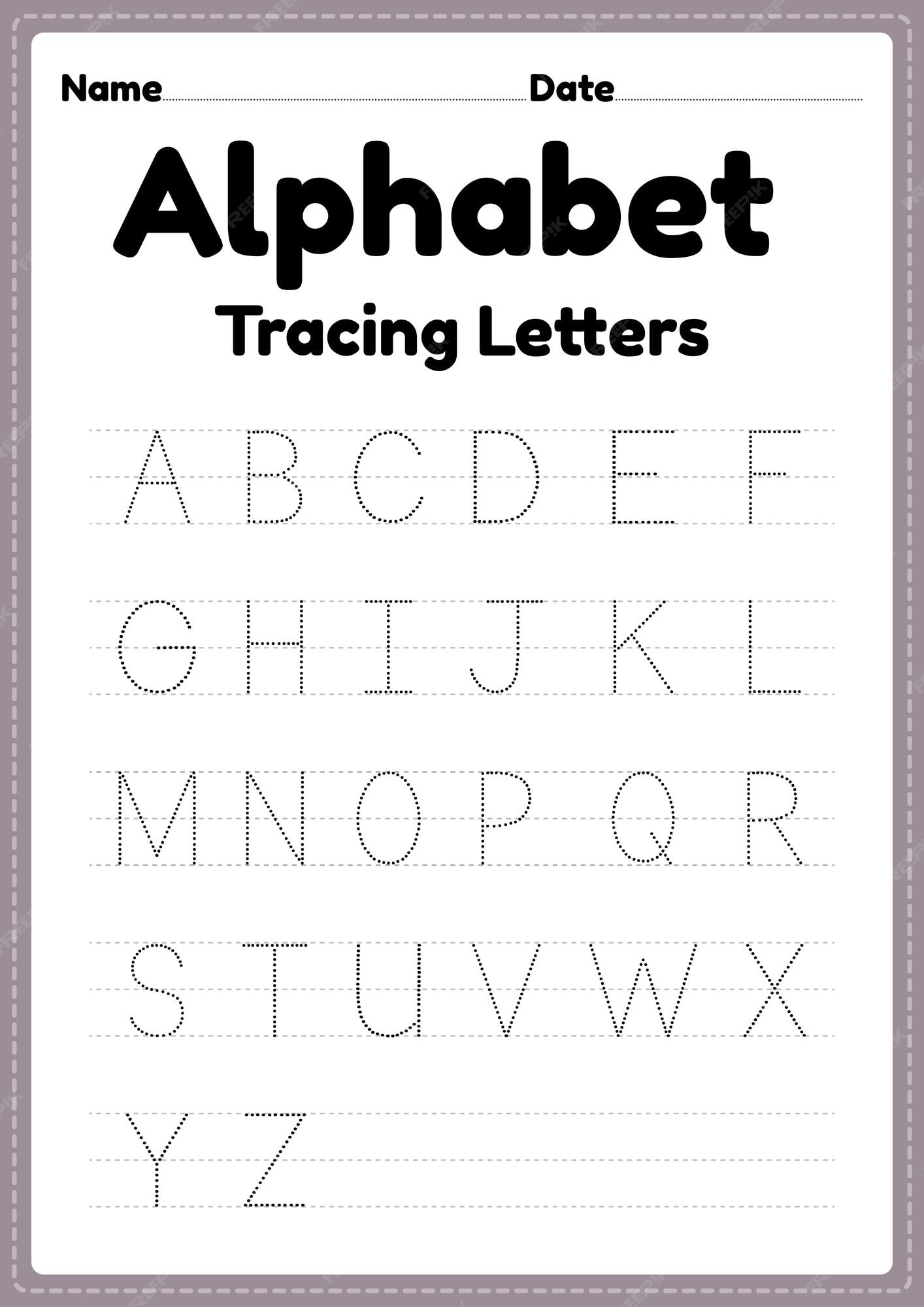
Preschool worksheets abc establish essential writing habits by breaking down complex alphabet shapes into discrete, manageable directional strokes. Mastery of these fundamentals requires consistent adherence to top-to-bottom and left-to-right trajectories, which prevent future letter reversals and spatial disorientation during composition. Utilizing targeted tracing worksheets helps learners build muscle memory through repeated motion, transitioning cognitive load from grip mechanics to linguistic expression. Furthermore, combining alphabet practice with coloring worksheets strengthens intrinsic hand muscles, improving the stamina required for sustained pencil control.
Key Specifications and Breakdown
| Skill Level / Grade | Target Stroke / Mechanical Focus | Pedagogical / Coaching Cue |
|---|---|---|
| Early Preschool (Ages 3-4) | Vertical, horizontal, and circular pre-writing lines | “Start at the top sky line and pull straight down to the ground.” |
| Mid Preschool (Ages 4-5) | Capital letter formation and directional tracing | “Trace gently along the dotted path without lifting the pencil tip.” |
| Late Preschool (Ages 5-6) | Lowercase letter orientation and baseline alignment | “Keep the small body of the letter resting firmly on the bottom line.” |
Pre-writing and handwriting readiness depend heavily on the maturation of intrinsic hand muscles, proximal joint stability, and visual-motor integration — American Occupational Therapy Association (AOTA)
Step-by-Step Practical Application and Guidelines
Executing preschool worksheets abc effectively requires establishing a standardized daily routine that prioritizes ergonomic posture, proper grip mechanics, and sequential stroke instruction. Educators begin each session by demonstrating the exact formation of the target letter on a vertical writing surface, verbalizing each stroke direction aloud to reinforce auditory and visual processing. Children then complete their letter writing worksheets using primary pencils with thick barrels, which naturally accommodate developing hand grips. Monitoring posture—ensuring feet flat on the floor, hips at a ninety-degree angle, and the paper slanted to match the child’s forearm—prevents fatigue and promotes fluid, legible character formation.
Common Challenges and How to Avoid Them
Premature fatigue and improper pencil grasps represent the most frequent obstacles encountered when introducing structured writing materials to young children. Forcing a mature tripod grip before hand muscles are fully developed causes tension, leading to hand cramping and avoidance behaviors during writing tasks. Integrating preparatory fine-motor warm-ups, utilizing shorter writing sessions, and transitioning learners through specialized name practice worksheets successfully maintains engagement while building physical endurance.
💬 Frequently Asked Questions
Explore More Free Handwriting and Character Worksheets
Accessing comprehensive educational resources empowers educators and parents to build robust literacy foundations for every emerging writer. Discover an extensive library of free, high-quality worksheets designed to support fine-motor development, stroke accuracy, and lifelong academic success across all developmental stages by visiting CharacterWritingWorksheets.com.
Worksheet Previews & Reference Materials