Introduction
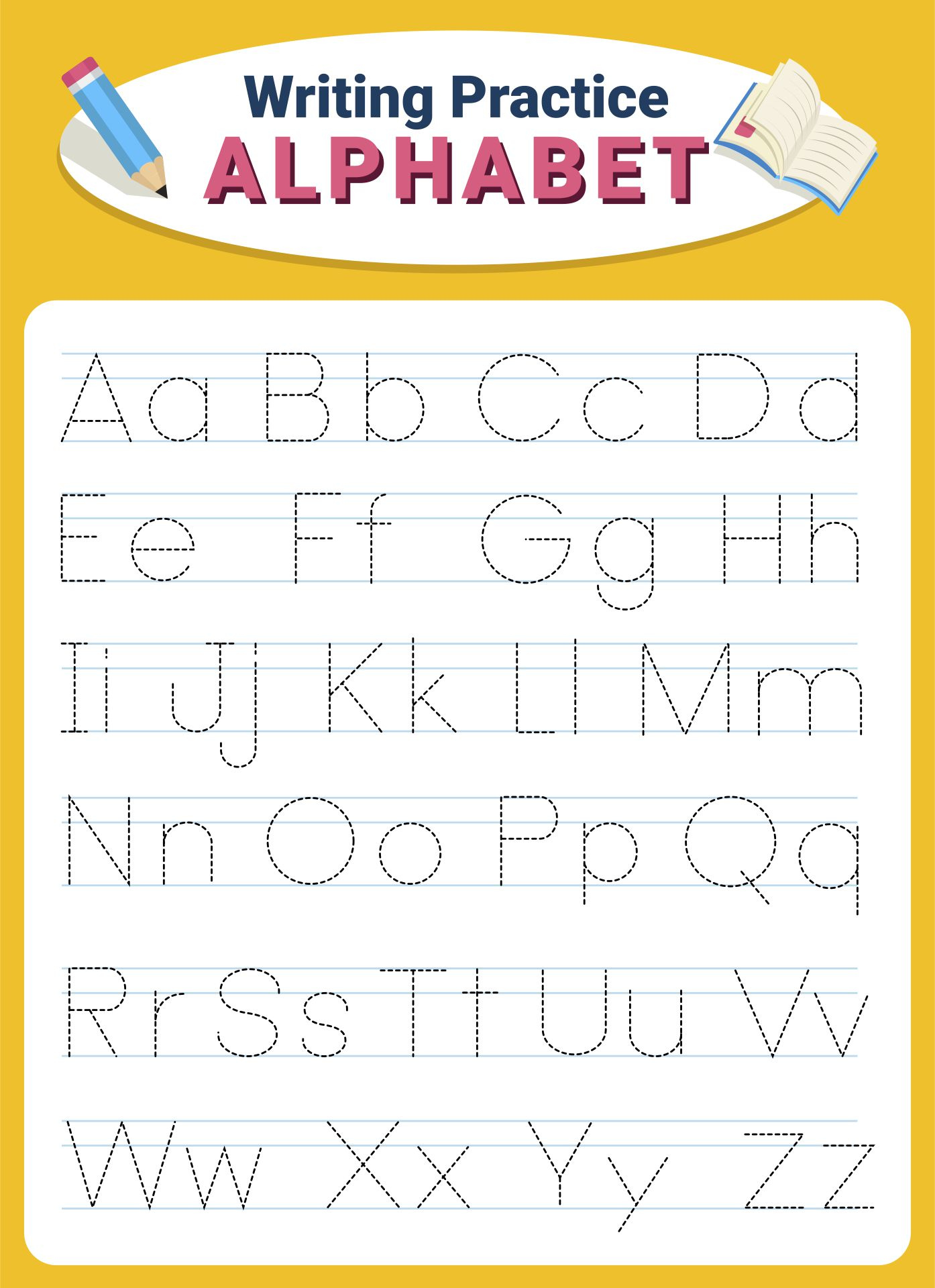
Practice writing letter e worksheets provide structured, repetitive motor-planning frameworks essential for mastering lowercase and uppercase letter formation in early elementary education. According to the National Association for the Education of Young Children (NAEYC), intentional physical practice with alphabet mechanics builds critical neuromuscular pathways required for automatic, legible writing. Utilizing these specialized materials allows educators and parents to isolate directional strokes, ensuring children transition safely from gross-motor scribbling to precise pencil control. Integrating targeted alphabetical resources alongside broader preschool worksheets establishes a solid foundation for lifelong literacy and academic confidence.
Handwriting Practice Snapshot:
- Core Focus: Systematic tracing and independent generation of the letter e through guided stroke sequences.
- Target Scope: Early childhood education settings, including kindergarten classrooms, homeschool environments, and occupational therapy clinics.
- Key Recommendation: Pair tactile pre-writing exercises with structured printable sheets to reinforce correct muscle memory.
Core Principles and Detailed Overview
Mastery of the letter e requires understanding its unique bidirectional movement, which combines horizontal starting strokes with counter-clockwise curves. Practice writing letter e worksheets systematically break down this complex geometry into manageable visual cues, directional arrows, and dotted tracing lines. Educators must monitor pencil grasp and paper angle closely during this phase to prevent fatigue and ensure fluid execution. These targeted practice sheets belong in every comprehensive curriculum, complementing specialized letter writing worksheets designed to reinforce alphabetic fluency across all grades.
Key Specifications and Breakdown
| Skill Level / Grade | Target Stroke / Mechanical Focus | Pedagogical / Coaching Cue |
|---|---|---|
| Pre-K / Early Learners | Continuous curve execution and horizontal crossing | Start at the middle, fly out, go up and around like a track! |
| Kindergarten | Proportional sizing and baseline alignment | Keep the loop below the dotted midline and rest on the solid bottom line. |
| First Grade | Fluid automaticity and spacing consistency | Write smoothly without lifting the pencil until the stroke finishes. |
Pedagogical guidelines emphasize that multisensory tracing before pencil-to-paper transfer significantly improves spatial retention and letter form accuracy. — American Occupational Therapy Association (AOTA). Related guide: Free Letter Print Printable Stencils.
Step-by-Step Practical Application and Guidelines
Executing effective handwriting lessons involves introducing the lowercase e by starting slightly below the midline, pulling straight out to the right, curving up and around past the top, and finishing down to touch the baseline. Instructors should first model this motion on a large whiteboard before distributing paper-based tasks. Learners trace oversized graphics initially before progressing to standard writing lines. Combining these targeted pages with engaging coloring worksheets maintains high engagement levels while simultaneously strengthening intrinsic hand muscles.
Common Challenges and How to Avoid Them
Reversals and closed loops represent the most frequent obstacles encountered when children learn to form the letter e. Instructors can prevent these errors by explicitly demonstrating the starting position and emphasizing the open side facing the right. If a learner struggles with line orientation, utilizing highlighted baseline resources or specialized name practice worksheets offers additional spatial scaffolding. Consistent, short daily sessions yield superior results compared to infrequent, exhaustive drills.
💬 Frequently Asked Questions
Explore More Free Handwriting and Character Worksheets
Building a comprehensive curriculum requires access to diverse, high-quality printing resources that support every stage of early childhood development. Educators, parents, and therapists can discover an extensive library of free printable educational assets, including specialized worksheets, by visiting CharacterWritingWorksheets.com today to support young learners.
Worksheet Previews & Reference Materials