Introduction
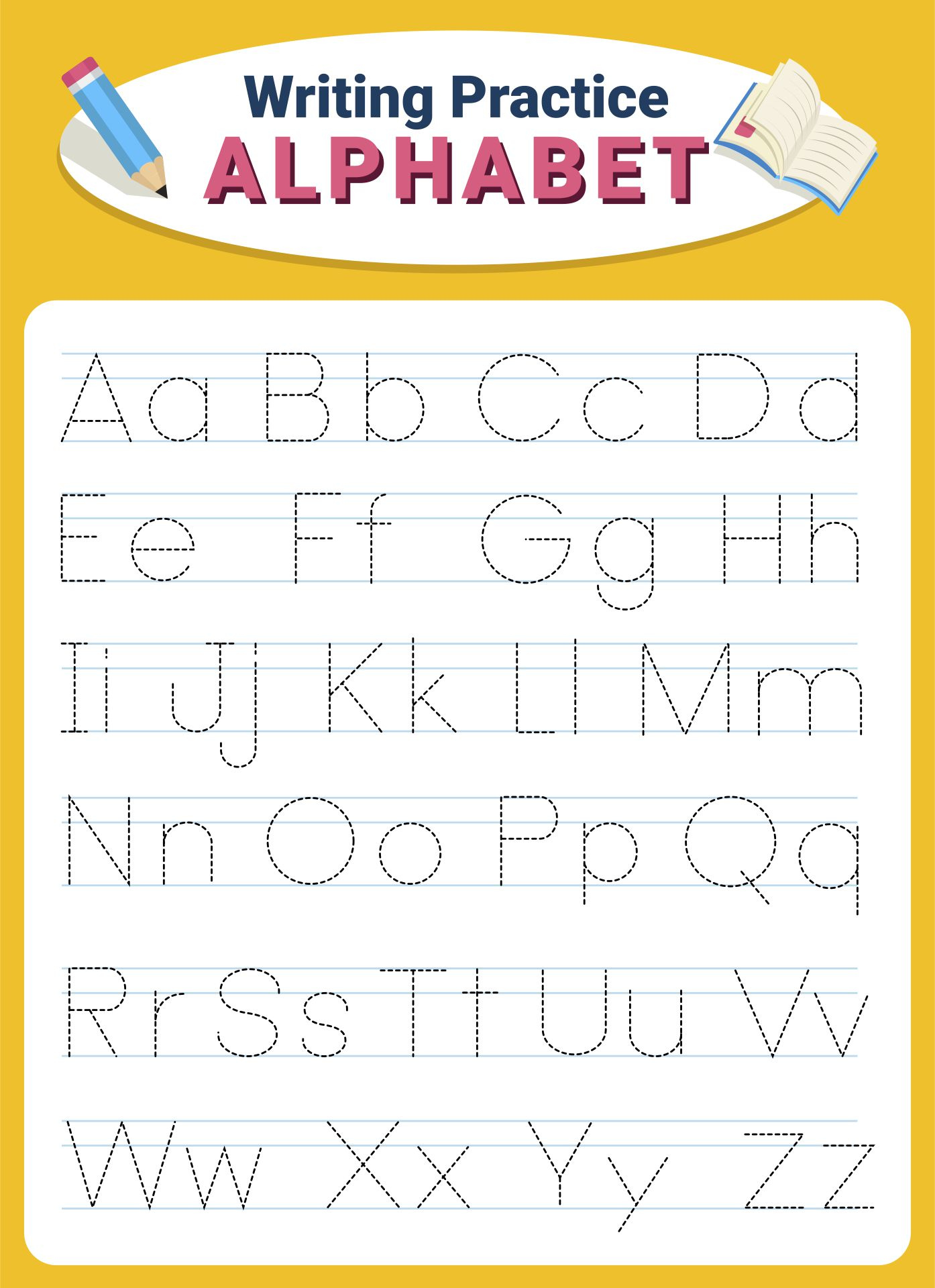
Letter e writing worksheets preschool function as structured educational templates designed to build fundamental literacy and fine-motor control through targeted lowercase and uppercase letter formation practice. According to the National Association for the Education of Young Children (NAEYC), early childhood writing instruction must integrate developmentally appropriate practice with intentional guidance to foster essential pencil grasp and spatial awareness. Educators utilize structured printable pages to bridge the gap between gross motor play and precise pencil manipulation. Selecting proper foundational materials ensures that children develop correct neuromuscular memory from the very beginning of formal handwriting instruction. Utilizing specialized preschool worksheets helps reinforce stroke sequencing while keeping young learners engaged through repetitive, scaffolded challenges.
Handwriting Practice Snapshot:
- Core Focus: Systematic mastery of the horizontal midline pull and continuous curve defining the letter e.
- Target Scope: Early childhood classrooms, home learning environments, and occupational therapy sessions.
- Key Recommendation: Prioritize proper starting points and directional arrows over sheer volume of repeated tracing.
Core Principles and Detailed Overview
Mastering the letter e requires a combination of visual-spatial processing, directional tracking, and kinesthetic muscle memory. The lowercase letter e is notoriously difficult for preschoolers because it requires a mid-air starting point just below the midline, a straight horizontal pull to the right, and an overarching counter-clockwise loop that swoops down and around. High-quality letter writing worksheets isolate this complex mechanical sequence into manageable steps. Children transition from multi-sensory tracing to independent execution by utilizing dashed guidelines that provide physical boundaries for ascending, descending, and midline characters. Incorporating supplementary coloring worksheets alongside letter exercises further strengthens intrinsic hand muscles, preparing fingers for sustained pencil control.
Key Specifications and Breakdown
| Skill Level / Grade | Target Stroke / Mechanical Focus | Pedagogical / Coaching Cue |
|---|---|---|
| Early Preschool (Age 3) | Large motor pre-writing lines and continuous curves | “Start in the middle, go straight across, and loop up and around.” |
| Mid Preschool (Age 4) | Controlled lowercase e formation within dual guidelines | “Bump the top line, curve under, and stop above the baseline.” |
| Advanced Preschool (Age 5) | Independent uppercase E and lowercase e pairing | “Big straight down, top line, middle line, bottom line for the big E.” |
Handwriting development requires the integration of visual perception, bilateral coordination, and precise fine-motor control before independent letter production can occur reliably. — American Occupational Therapy Association (AOTA). Related guide: Free Letter Print Printable Stencils.
Step-by-Step Practical Application and Guidelines
Implementing structured writing practice begins with establishing correct posture, paper angle, and a functional tripod pencil grasp. Instructors must first demonstrate the stroke sequence on a large vertical surface, such as a whiteboard, allowing learners to use gross motor movements to understand the directional flow of the letter. Once transferred to paper, children should trace oversized exemplars using index finger tracing before introducing a writing utensil. Educators pair these tactile experiences with targeted tracing worksheets that feature explicit directional arrows and numbered stroke guides. Consistent daily practice sessions lasting no longer than ten minutes prevent hand fatigue while solidifying correct motor pathways.
Common Challenges and How to Avoid Them
Reversals and starting at the baseline represent the most frequent obstacles encountered when young children attempt to form the letter e. Many learners instinctively start at the bottom baseline and pull upward, resulting in a distorted loop or a closed circle resembling the letter o. Instructors correct this mechanical error by placing a distinct visual dot directly beneath the midline to signal the exact horizontal starting zone. Furthermore, combining standard letter practice with specialized name practice worksheets ensures that children apply consistent stroke logic across diverse character combinations, reducing overall letter confusion.
💬 Frequently Asked Questions
Explore More Free Handwriting and Character Worksheets
Accessing comprehensive educational resources empowers educators and parents to build robust literacy foundations efficiently. Browse the extensive collection of printable materials available across the network, including daily practice sheets, alphabet guides, and specialized exercises designed for early learners, by visiting CharacterWritingWorksheets.com.
Worksheet Previews & Reference Materials