Introduction
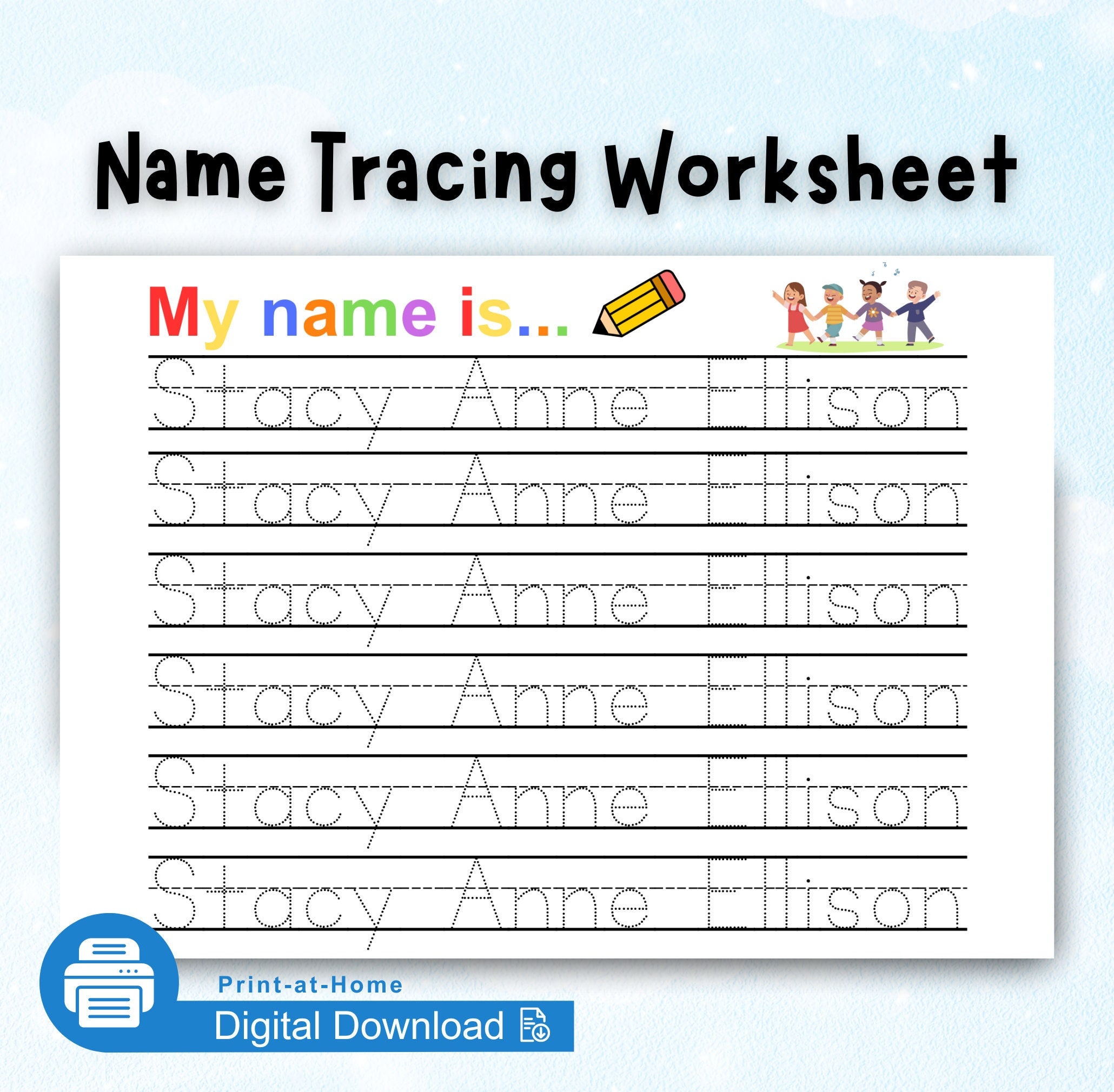
A names and initials worksheet functions as a targeted instructional tool designed to accelerate fine-motor control, spatial orientation, and personal identity literacy among early learners. According to the National Association for the Education of Young Children (NAEYC), purposeful practice with personally meaningful words rapidly increases foundational literacy engagement and letter retention. Integrating systematic name practice worksheets into daily routines bridges the cognitive gap between abstract alphabet instruction and functional handwriting mechanics. This instructional asset establishes permanent muscle memory through repetitive, structured stroke sequences for uppercase and lowercase letterforms.
Handwriting Practice Snapshot:
- Core Focus: Systematic mastery of personal names and initials through guided tracing and independent replication.
- Target Scope: Early childhood classrooms, kindergarten readiness programs, and specialized occupational therapy sessions.
- Key Recommendation: Pair daily tracing sheets with tactile multi-sensory letter formation to reinforce neural pathways.
Core Principles and Detailed Overview
Handwriting mechanics for personal identifiers require precise sequencing of vertical, horizontal, diagonal, and curved strokes executed on standard primary baseline guidelines. A properly structured names and initials worksheet utilizes multi-tiered ruling systems to teach proportional sizing, ascender height, descender depth, and consistent letter spacing. As learners transition from gross-motor scribbling to controlled pencil manipulation, these specialized templates provide visual and kinesthetic boundaries necessary for legibility. Educators utilize letter writing worksheets alongside personal identifier sheets to isolate difficult glyphs found within given names and surnames.
Key Specifications and Breakdown
| Skill Level / Grade | Target Stroke / Mechanical Focus | Pedagogical / Coaching Cue |
|---|---|---|
| Early Preschool (Ages 3-4) | Continuous tracing, vertical/horizontal pulls | Start at the top dot, pull straight down with a steady grip. |
| Late Preschool / Kindergarten (Ages 5-6) | Dotted-line fading, baseline alignment | Touch the skyline, curve down to the grass line without lifting. |
| Early Elementary (Ages 6-7) | Independent freehand, proportional spacing | Keep uniform gaps between letters; check baseline touching. |
Fine-motor control and proximal stability are foundational prerequisites for sustained handwriting endurance and legible letter production. — American Occupational Therapy Association (AOTA)
Step-by-Step Practical Application and Guidelines
Executing an effective writing session demands a systematic progression from guided tactile tracing to independent visual recall. Educators must first verify proper ergonomic tripod grasp and upright postural alignment before introducing any tracing worksheets to the student workspace. The instructor demonstrates the initial stroke sequence aloud, emphasizing directional verbal cues such as pulling down and rounding left. Following the demonstration, the learner traces solid-line models, moves to dashed-line fading models, and finally reproduces the full name and initials on a blank baseline.
Common Challenges and How to Avoid Them
Reversed letter forms, floating capital letters, and incorrect pencil pressure represent the most frequent mechanical hurdles encountered during identifier practice. Instructors resolve these issues by auditing the student workspace, ensuring feet rest flat on the floor and paper is slanted at a natural angle matching the forearm. Utilizing specialized preschool worksheets helps isolate directional confusion by limiting extraneous visual noise and enforcing strict boundary cues. Consistent, short-duration daily practice prevents hand fatigue and eradicates deeply ingrained poor stroke habits.
💬 Frequently Asked Questions
Explore More Free Handwriting and Character Worksheets
Expanding handwriting proficiency requires a diverse selection of targeted practice materials tailored to every developmental stage. Educators and parents can discover an extensive library of free educational assets, including engaging coloring worksheets and comprehensive daily practice tools, by visiting the main catalog at CharacterWritingWorksheets.com to support lifelong literacy growth.
Worksheet Previews & Reference Materials