Introduction
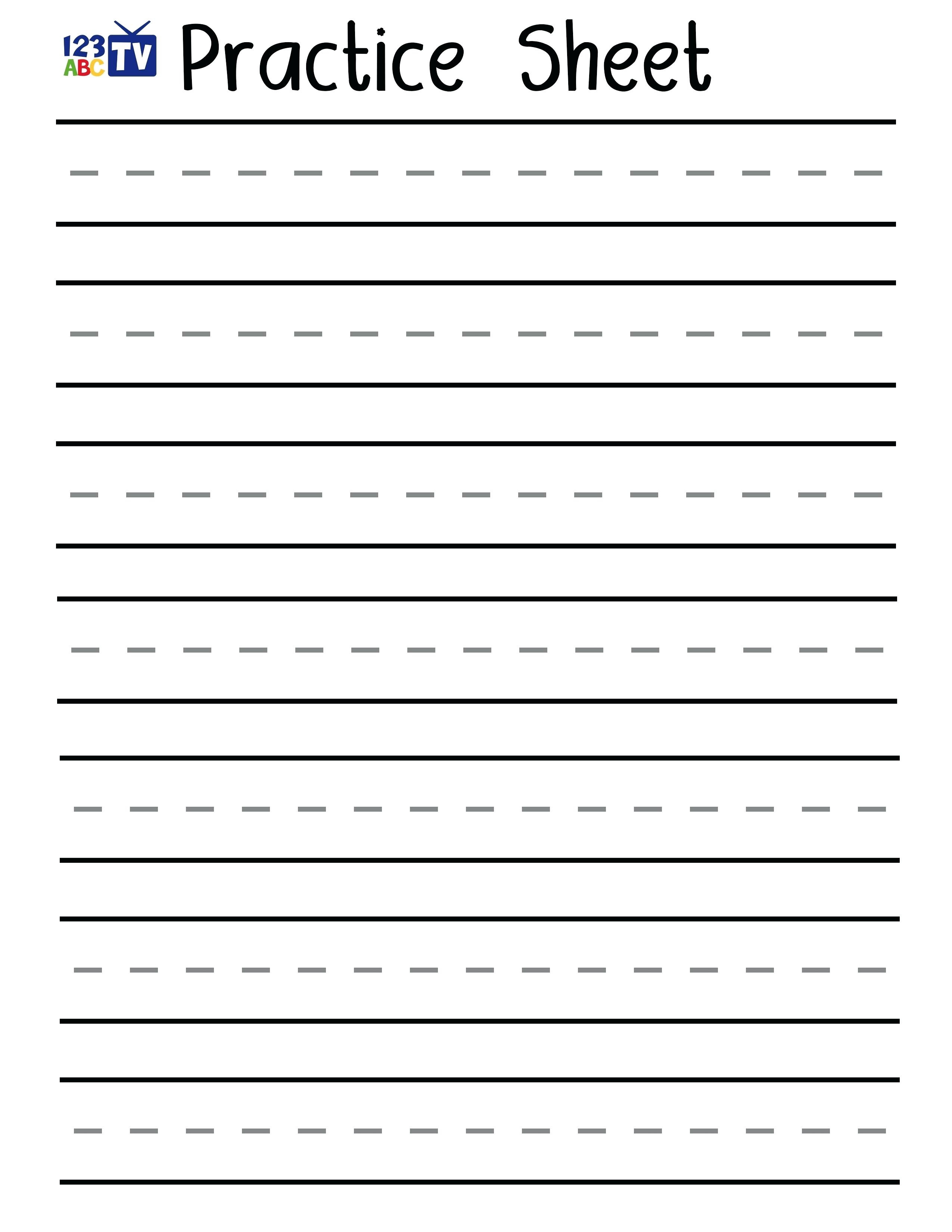
Name practice sheets with blank lines provide young learners with structured yet independent spaces to transition from heavily guided tracing to autonomous handwriting mastery. According to the National Association for the Education of Young Children (NAEYC), meaningful early literacy development relies on authentic print engagement where children regularly practice writing their own names. Mastering personal identifiers builds foundational fine-motor control, spatial awareness, and alphabet knowledge necessary for broader academic success. Educators building a robust curriculum often pair these blank-line templates with specialized preschool worksheets to reinforce pencil grip and stroke consistency. Early literacy specialists recommend moving away from continuous dot-to-dot tracing once children understand letter shapes, making uncluttered baseline guides essential for natural progression.
Handwriting Practice Snapshot:
- Core Focus: Transitioning from guided tracing to independent letter formation using blank baseline rules.
- Target Scope: Early childhood education, kindergarten classrooms, and home-school literacy environments.
- Key Recommendation: Gradually reduce visual tracing cues while maintaining strict baseline and midline boundaries.
Core Principles and Detailed Overview
Handwriting mechanics improve drastically when learners utilize name practice sheets with blank lines because empty rules eliminate visual crutches and foster muscle memory. When tracing paths disappear, the brain must actively retrieve spatial coordinates for each character, strengthening neural pathways responsible for letter retention. This independent generation phase demands precise finger-wrist coordination, posture regulation, and bilateral hand usage to stabilize the paper. Teachers often transition students to these minimalist layouts after mastering foundational strokes found inside comprehensive letter writing worksheets. Furthermore, consistent practice on standardized three-line or two-line primary paper establishes proportional awareness, ensuring ascenders, descenders, and base characters occupy correct relative heights.
Key Specifications and Breakdown
| Skill Level / Grade | Target Stroke / Mechanical Focus | Pedagogical / Coaching Cue |
|---|---|---|
| Early Preschool | Vertical and horizontal stroke alignment | “Start at the top skyline and pull straight down to the grass.” |
| Late Preschool / Pre-K | Circular formation and baseline anchoring | “Keep your magic pencil touching the solid bottom line.” |
| Kindergarten | Proportional spacing and baseline consistency | “Check letter heights to make sure tall letters touch the top.” |
Early fine-motor control and grasp development depend heavily on active, unguided tactile practice rather than passive tracing. — American Occupational Therapy Association (AOTA)
Step-by-Step Practical Application and Guidelines
Implementing name practice sheets with blank lines requires a systematic instructional sequence that supports the child from initial model observation to independent execution. Educators should begin by demonstrating correct pencil grip and verbalizing the specific stroke sequence for each letter in the target name. Next, adults write the child’s name as an accurate visual model directly above the primary blank lines on the worksheet. The learner then studies the model, verbalizes the stroke directions independently, and attempts reproduction on the first blank line. Educators review the attempt constructively, pointing out successful baseline alignments before prompting a second independent trial. Expanding this routine alongside broader name practice worksheets ensures children gain exposure to both capitalized and lowercase variations.
Common Challenges and How to Avoid Them
Letter floating, erratic sizing, and improper stroke sequencing remain the most frequent obstacles observed when children shift to blank writing guidelines. Without visible tracing dots, learners often rush, resulting in poor baseline anchoring where characters drift above or below the ruling. To prevent these mechanical errors, adults must enforce proper desk posture, stable paper positioning with the non-writing hand, and unhurried pacing. When persistent letter formation errors occur, pairing writing drills with targeted tracing worksheets for a brief corrective session helps reset muscle memory. Additionally, providing verbal rhythm cues during the writing process corrects pacing issues and eliminates bad habits before they solidify permanently.
💬 Frequently Asked Questions
Explore More Free Handwriting and Character Worksheets
Building robust writing mechanics requires a diverse collection of engaging, structured practice materials tailored to every developmental stage. Educators and parents can expand their instructional libraries by exploring the comprehensive resources available directly through CharacterWritingWorksheets.com, featuring specialized tools ranging from foundational fine-motor drills to creative coloring worksheets that reinforce pencil control and hand strength.
Visual Reference Gallery