Introduction
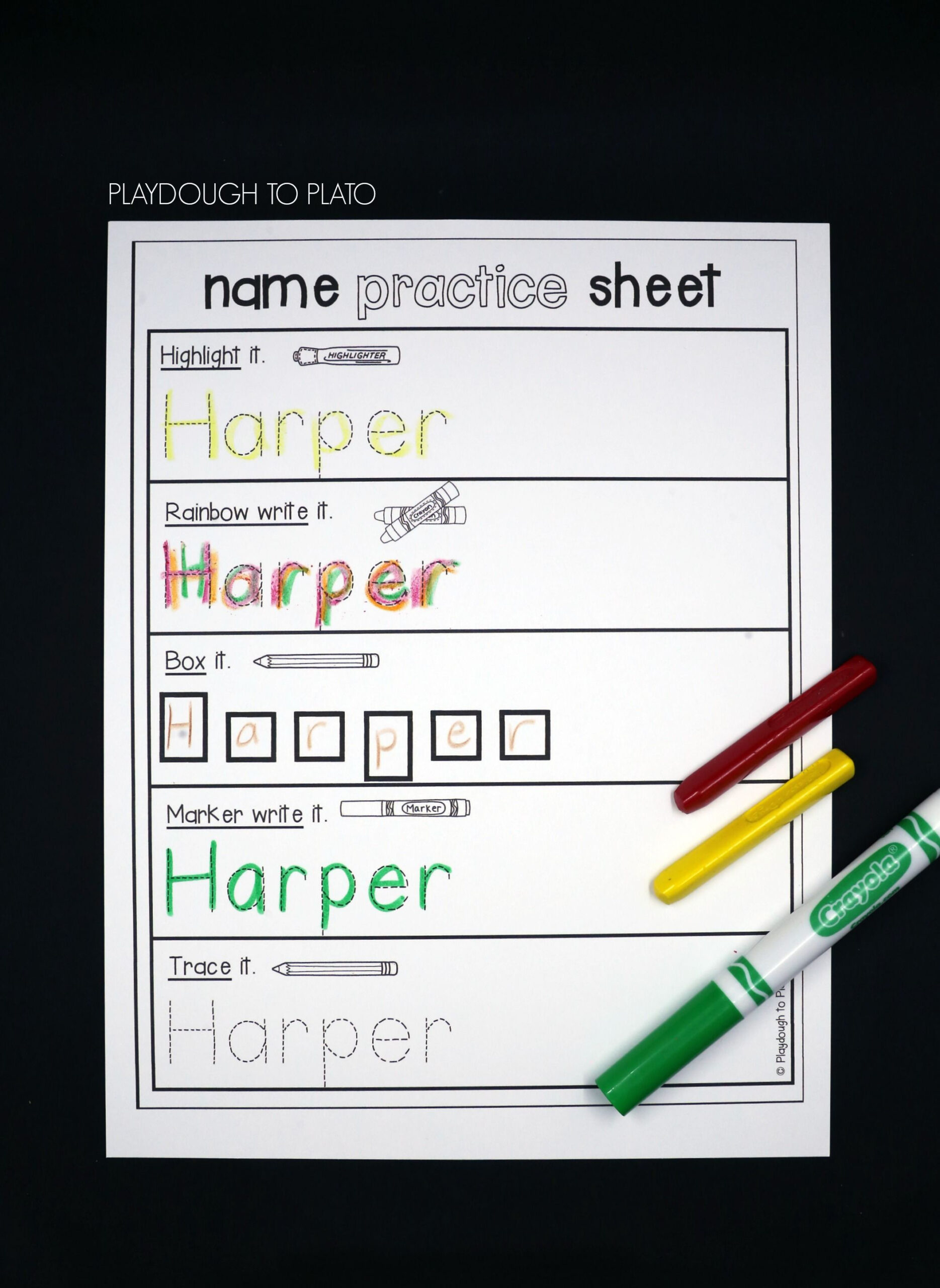
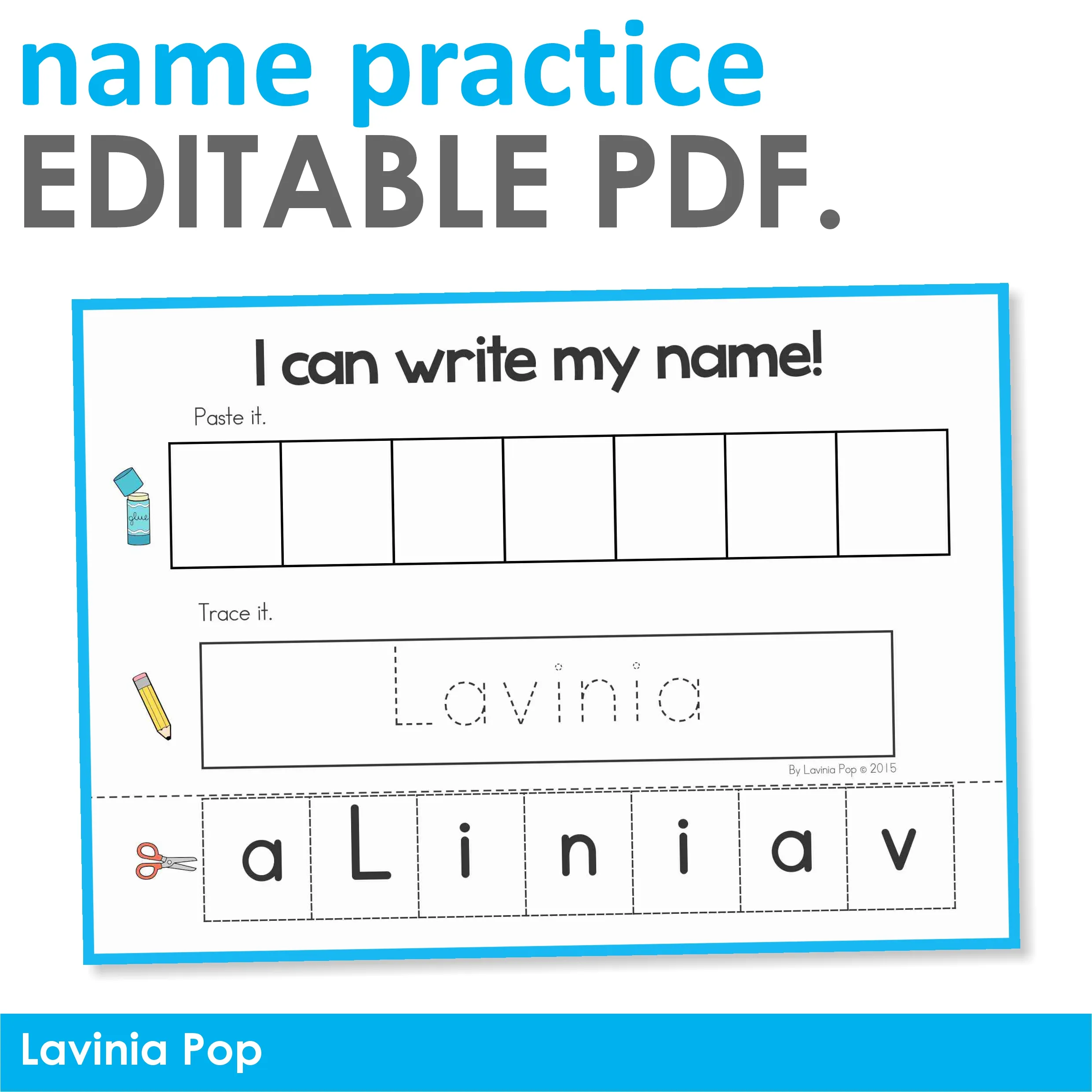
Name practice sheets editable templates provide customizable, highly targeted tracing frameworks that accelerate early literacy and fine-motor mastery by allowing educators to tailor letterforms to individual learner needs. According to the National Association for the Education of Young Children (NAEYC), purposeful, individualized writing experiences support young children in developing foundational print awareness and confidence long before formal composition begins. Leveraging customizable digital resources ensures that unique spelling lengths, varying font models, and specific developmental stages are addressed immediately. Integrating these personalized tools complements broader foundational strategies found throughout comprehensive preschool worksheets collections.
Handwriting Practice Snapshot:
- Core Focus: Customizable templates designed specifically for mastering personal name formation.
- Target Scope: Early childhood educators, homeschool environments, and occupational therapy settings.
- Key Recommendation: Transition gradually from dotted-line tracing to independent, unassisted freehand writing.
Core Principles and Detailed Overview
Name practice sheets editable frameworks directly support precise handwriting mechanics by enforcing consistent stroke sequences, proper letter proportions, and healthy pencil grasps. Children typically learn to write their given names first because personal vocabulary carries high intrinsic value, sparking immediate engagement. When designing or adapting these resources, educators must prioritize standard baseline alignment, clear midlines, and appropriate descendant spacing. Establishing correct habits during this foundational phase prevents ingrained motor errors that resist later correction. Educators expanding their instructional libraries often pair personalized name templates with targeted name practice worksheets to reinforce muscle memory.
Key Specifications and Breakdown
| Skill Level / Grade | Target Stroke / Mechanical Focus | Pedagogical / Coaching Cue |
|---|---|---|
| Early Preschool (Ages 3-4) | Continuous vertical and horizontal line formation | Start at the top and pull straight down. |
| Late Preschool (Ages 4-5) | Clockwise and counter-clockwise curved strokes | Trace around the circle safely without lifting. |
| Kindergarten (Ages 5-6) | Proportional spacing, baseline adherence, and sizing | Keep letters resting squarely on the bottom line. |
Fine-motor control and proximal stability are foundational prerequisites for legible, efficient handwriting performance in young learners — American Occupational Therapy Association (AOTA)
Step-by-Step Practical Application and Guidelines
Implementing editable writing templates successfully requires a systematic, multi-phase progression that moves from heavy scaffolding to independent execution. Begin by inputting the learner’s full name into the customizable field using a clean, primary-print font with directional start dots. Print the document on heavy cardstock to prevent tearing during repeated tactile tracing sessions with fingers or dry-erase markers. Instruct learners to trace the faded models slowly, emphasizing continuous fluid motion rather than frantic speed. For supplemental letter exploration that complements personal identifier drills, educators frequently utilize structured letter writing worksheets alongside standard daily routines.
Common Challenges and How to Avoid Them
Common writing pitfalls such as letter reversals, incorrect stroke initiation, and poor pencil pressure are easily mitigated through deliberate design adjustments in editable documents. When a learner consistently writes characters upside down or starts loops at the bottom, teachers should immediately adjust the template font size and add prominent directional arrows or color-coded starting dots. Over-reliance on solid tracing lines can create passive muscle memory; therefore, editable layouts must fade gradually from solid lines to dashed guides, and finally to blank primary lines. Combining these tailored sheets with enjoyable tracing worksheets maintains high engagement while reinforcing proper mechanics.
💬 Frequently Asked Questions
Explore More Free Handwriting and Character Worksheets
Accessing comprehensive, high-quality educational materials ensures that early learners build lifelong mechanical literacy and artistic confidence. Explore the complete collection of free resources available across the entire platform, including specialized coloring worksheets designed to strengthen hand-eye coordination and fine-motor dexterity.
Visual Reference Gallery