Introduction
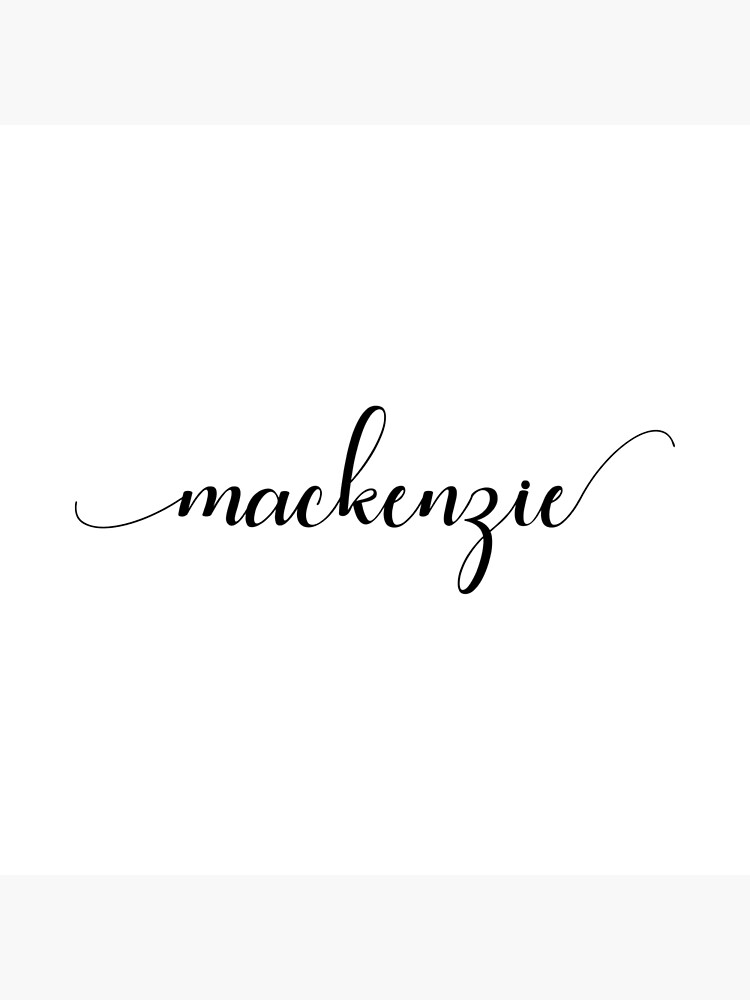
Mastering cursive writing represents a significant developmental milestone for growing children, particularly when transitioning from block print to fluid, connected script. The specific resource known as mackenzie in cursive writing offers targeted practice that bridges individual letter mechanics with personal identity recognition. Young learners often display heightened engagement when the words on the page hold personal meaning rather than functioning as random vocabulary exercises. Pediatric occupational therapists frequently observe that personalization reduces writing anxiety, transforming a frustrating fine motor task into a meaningful communication effort. Developing fluent cursive involves continuous fluid motion, rhythmic pacing, and precise spatial awareness across the writing surface. Children benefit immensely from structured exercises that isolate these specific movement patterns without overwhelming the visual processing system.
💡 Educational Key Takeaways:
- Core Skill: Structured Mackenzie In Cursive Writing focused on developing pencil grip, stroke control, and early literacy/math confidence.
- Target Scope: Suited for homeschoolers, preschool, kindergarten, and elementary learners.
- Best Recommendation: Practice 10–15 minutes daily with ergonomic writing tools to reinforce muscle memory without hand fatigue.
What This Worksheet Covers
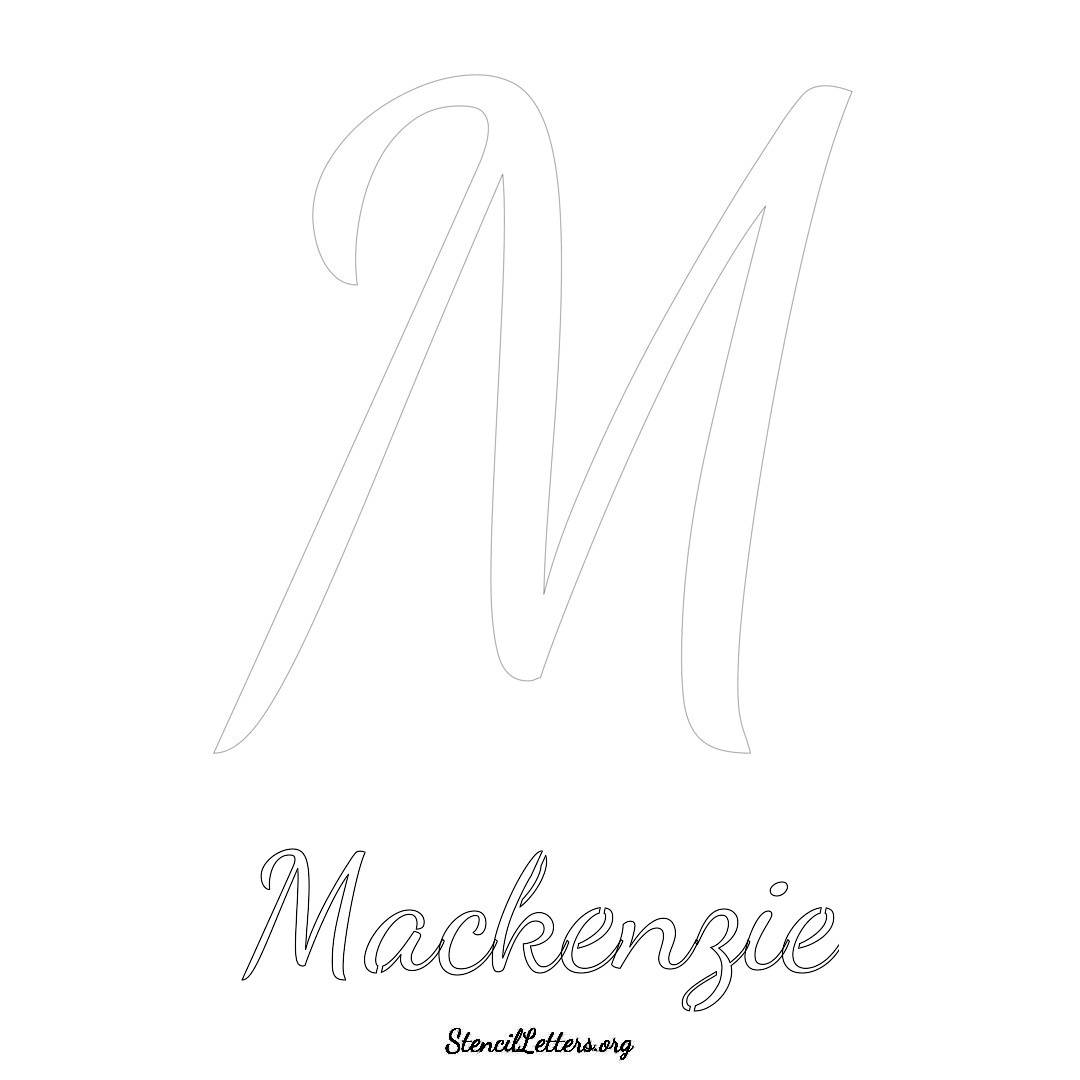
This specialized practice sheet focuses on letter sequencing, proper stroke order, and continuous pencil flow specific to a designated proper noun. It guides learners through the careful transitions between curved strokes and diagonal connectors that define standard cursive handwriting. According to Reading Rockets, early writing instruction must combine explicit motor skill practice with orthographic mapping to build long-term spelling and literacy fluency. Rather than forcing children to memorize disconnected loops, the page presents a cohesive word framework that encourages rhythmic pacing from the initial entry stroke to the final exit tail. Educators exploring foundational writing tools often pair this resource with broader Name Practice Worksheets to reinforce letter-sound correspondence and personal ownership over written work. The layout deliberately minimizes visual distractions to keep the developing writer focused entirely on hand control and pencil pressure regulation.
Key Learning Outcomes
Working consistently through this name-writing exercise yields measurable improvements in fine motor precision and muscular endurance within the hand and fingers. Children learn to maintain a dynamic tripod grasp over extended periods without experiencing hand cramping or excessive fatigue. Spatial awareness improves as the young writer monitors baseline alignment and relative letter heights within a standard three-line ruling system. Furthermore, mastering the cursive rendering of a familiar name boosts overall confidence in advanced writing tasks, establishing neural pathways essential for academic success across multiple subjects. Practitioners aiming to expand a child’s writing repertoire frequently integrate these exercises alongside structured Letter Writing Worksheets for comprehensive skill development.
How to Use This Worksheet
Implementation requires a thoughtful approach that prioritizes movement quality over sheer repetition or completion speed. Adults should first demonstrate the precise starting point and continuous directional flow of the initial uppercase letter before inviting the child to attempt a stroke. Observing a child at the table often reveals subtle compensatory grips, such as wrapping the thumb over the fingers, which require gentle redirection before bad habits become deeply ingrained. It sounds simple, and that’s the point: short, frequent sessions yield vastly superior results compared to lengthy, exhausting drill blocks. Allowing the child to trace the faded models using a colored marker or thick pencil before transitioning to standard writing utensils reduces visual-motor stress during early attempts.
Practical Tips for Parents and Teachers
Creating an optimal ergonomic environment remains critical for successful handwriting acquisition in early childhood settings. Ensure the chair allows both feet to rest flat on the floor, with hips and knees bent at comfortable ninety-degree angles to provide core stability. Slanting the writing surface slightly using a binder or specialized board encourages a natural wrist extension that protects the delicate tendons of the hand. Providing a variety of tactile writing implements, such as scented markers or textured paper, can significantly increase intrinsic motivation for reluctant learners who resist traditional paper-and-pencil tasks. Educators seeking alternative readiness tools often incorporate engaging Tracing Worksheets to build foundational hand strength prior to formal cursive instruction.
Age-Appropriate Recommendations
Introducing cursive writing typically aligns with developmental readiness rather than a strict chronological age, though most children engage successfully with personalized script between second and third grade. According to the National Association for the Education of Young Children (NAEYC) Developmentally Appropriate Practice guidelines, instructional materials must match the current fine motor and cognitive capacities of the individual learner. Younger children require larger writing formats with wider line spacing, while older students can successfully navigate standard elementary ruling. Setting realistic expectations prevents unnecessary frustration and ensures that handwriting development remains a positive, empowering experience for every child in the classroom or home environment.
Personalized name writing significantly increases task persistence and fine motor engagement in young children developing early literacy skills — American Occupational Therapy Association (AOTA)
Frequently Asked Questions
Navigating digital educational resources often raises practical questions for busy caregivers and educators seeking to optimize learning outcomes. The following responses address common inquiries regarding file access, instructional strategies, and developmental milestones associated with early handwriting practice. Exploring these details ensures seamless integration of printable materials into daily lesson plans or home routines.
Explore More Free Printable Worksheets
Expanding a child’s early learning library involves utilizing diverse resources that target different developmental domains and readiness levels. Comprehensive collections of Preschool Worksheets provide fantastic foundational support for younger siblings or toddlers preparing for formal schooling. Additionally, incorporating creative Coloring Worksheets offers an enjoyable way to build essential hand strength and bilateral coordination without direct writing pressure. Caregivers can browse the complete directory of Worksheets to find targeted practice materials tailored to every stage of early childhood education.
Developmental Milestone & Activity Table
| Development Stage | Recommended Daily Duration | Primary Learning Objective |
|---|---|---|
| Preschool & Pre-K | 10 – 15 Minutes | Pencil grip development & basic pre-stroke lines |
| Kindergarten | 15 – 20 Minutes | Letter/number formation & spatial line awareness |
| Early Elementary (Grade 1–2) | 20 – 30 Minutes | Fluency, sentence construction & neatness |
Images References