Introduction
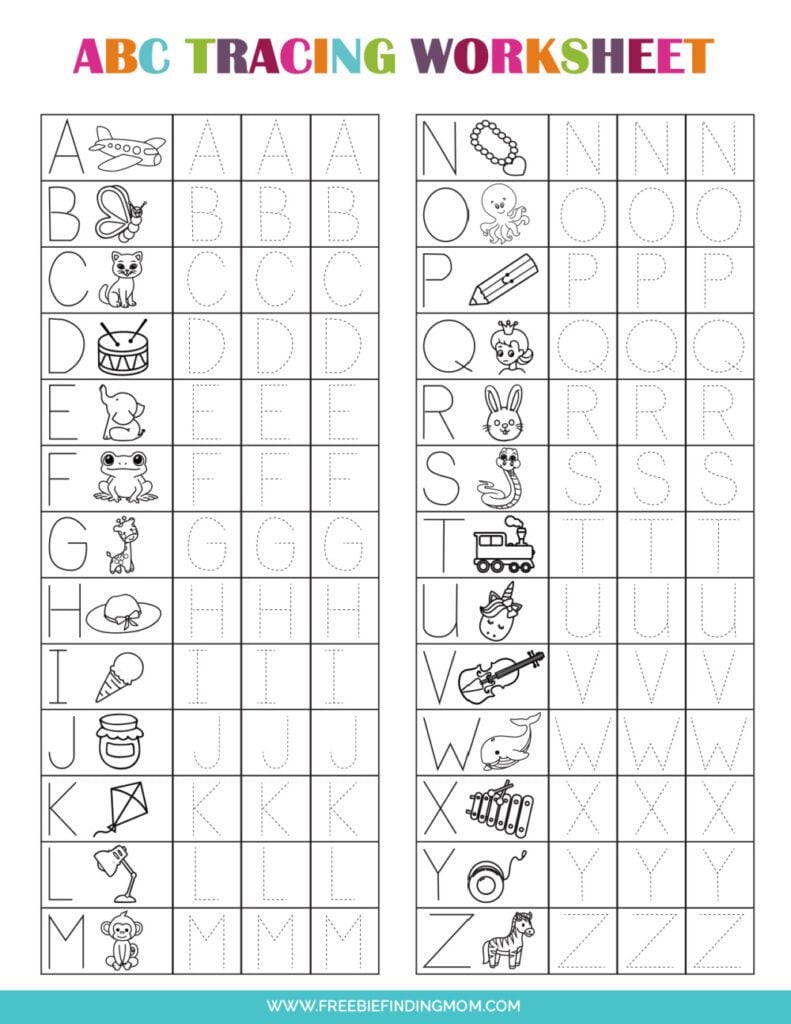
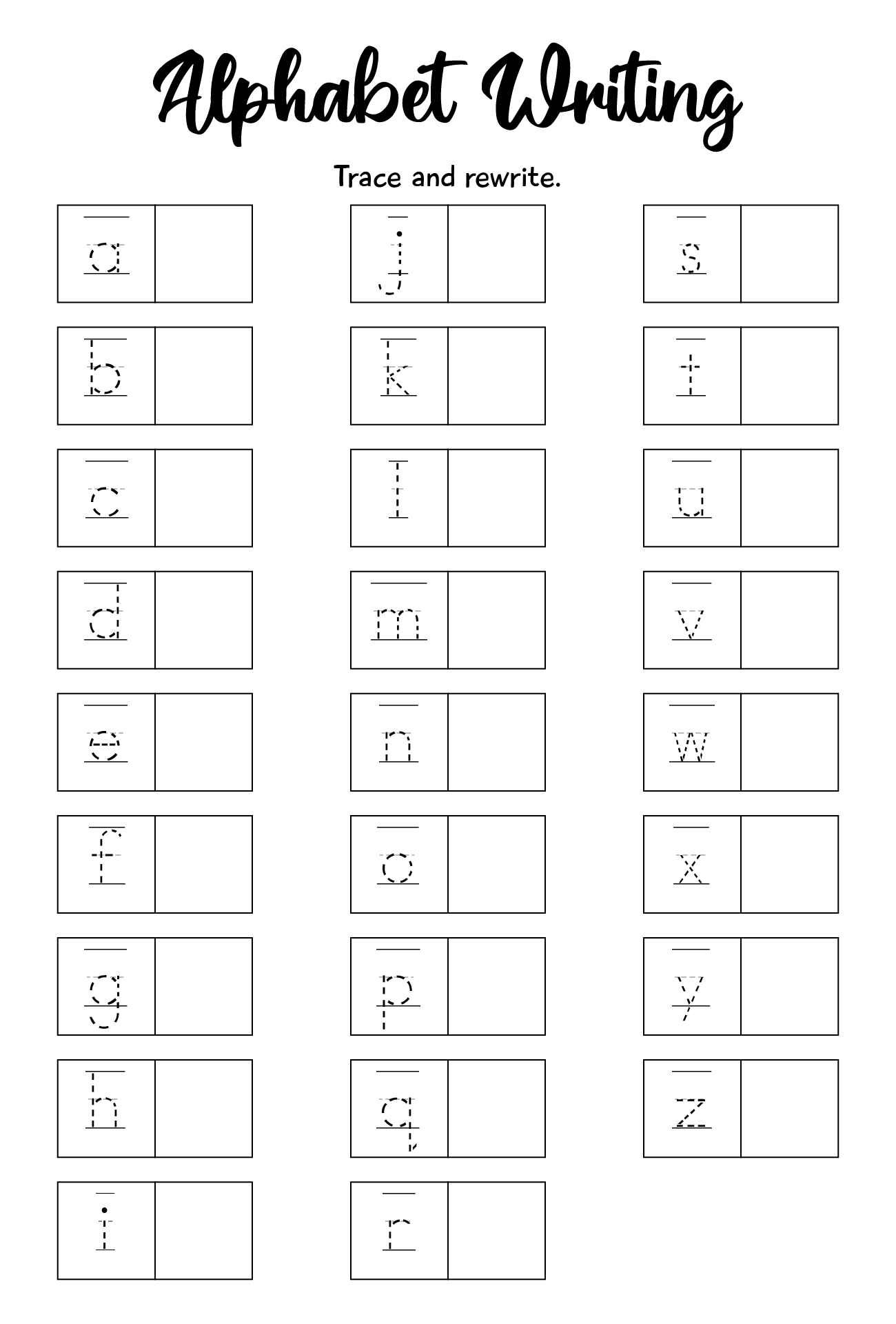
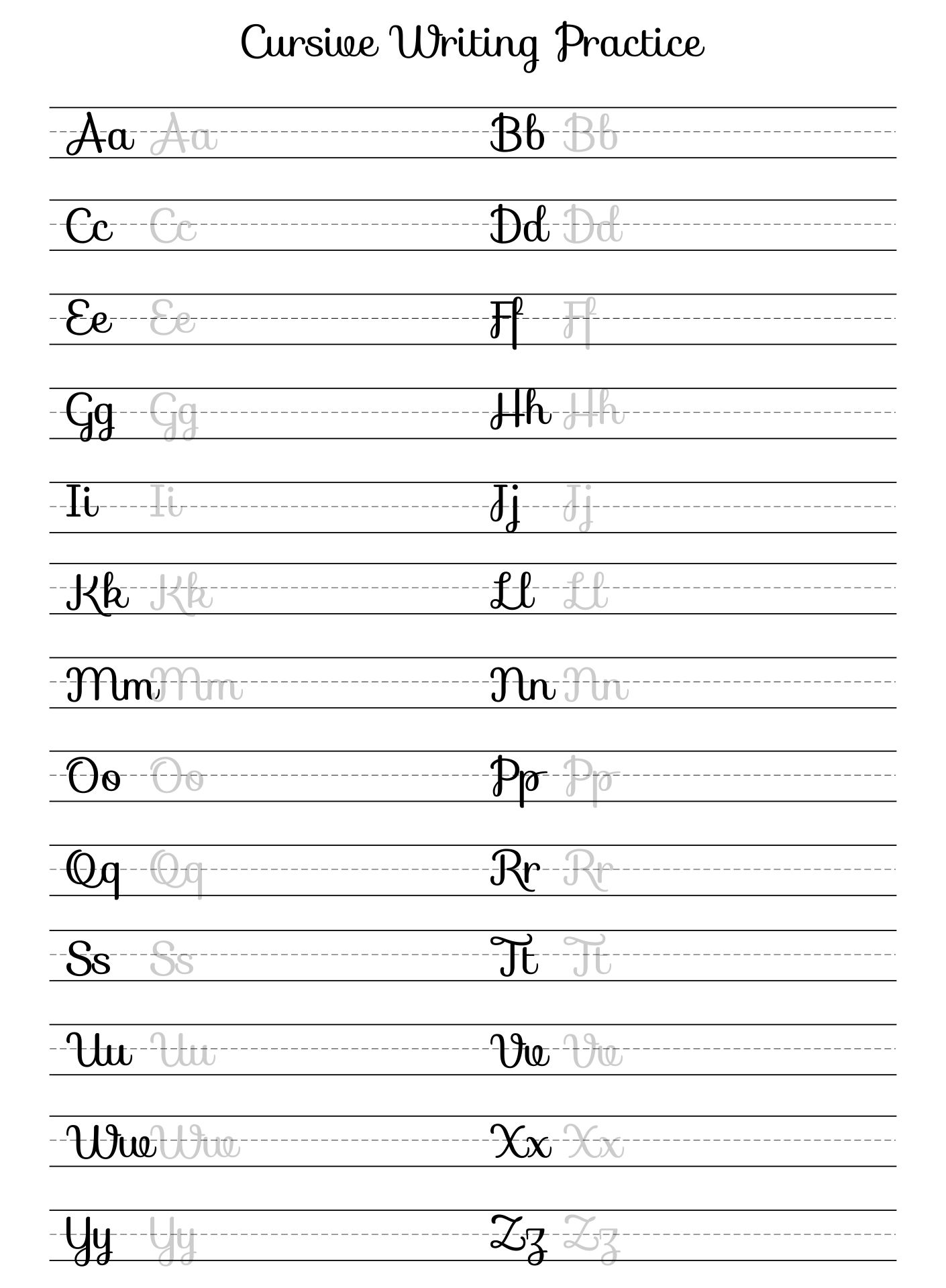
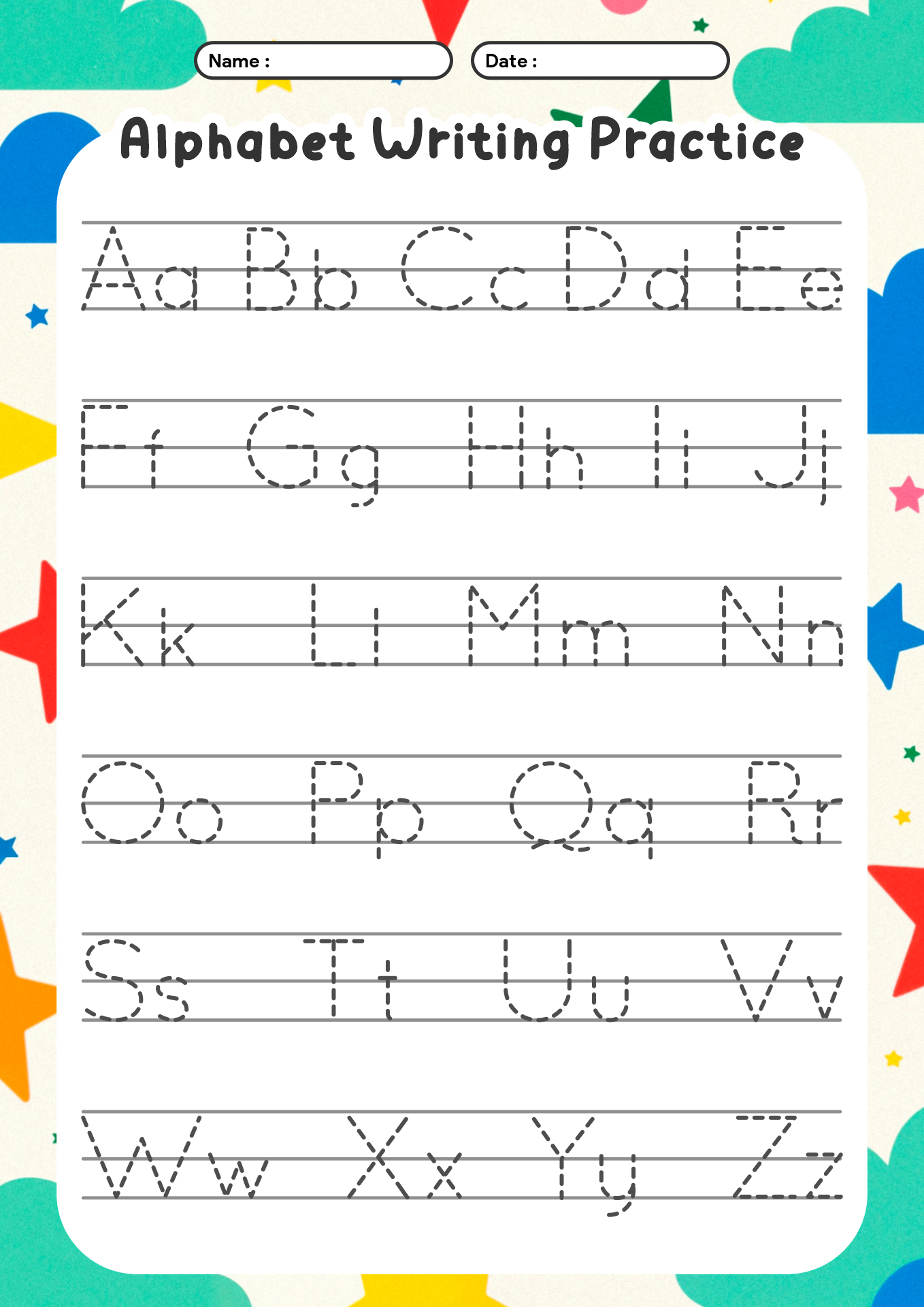
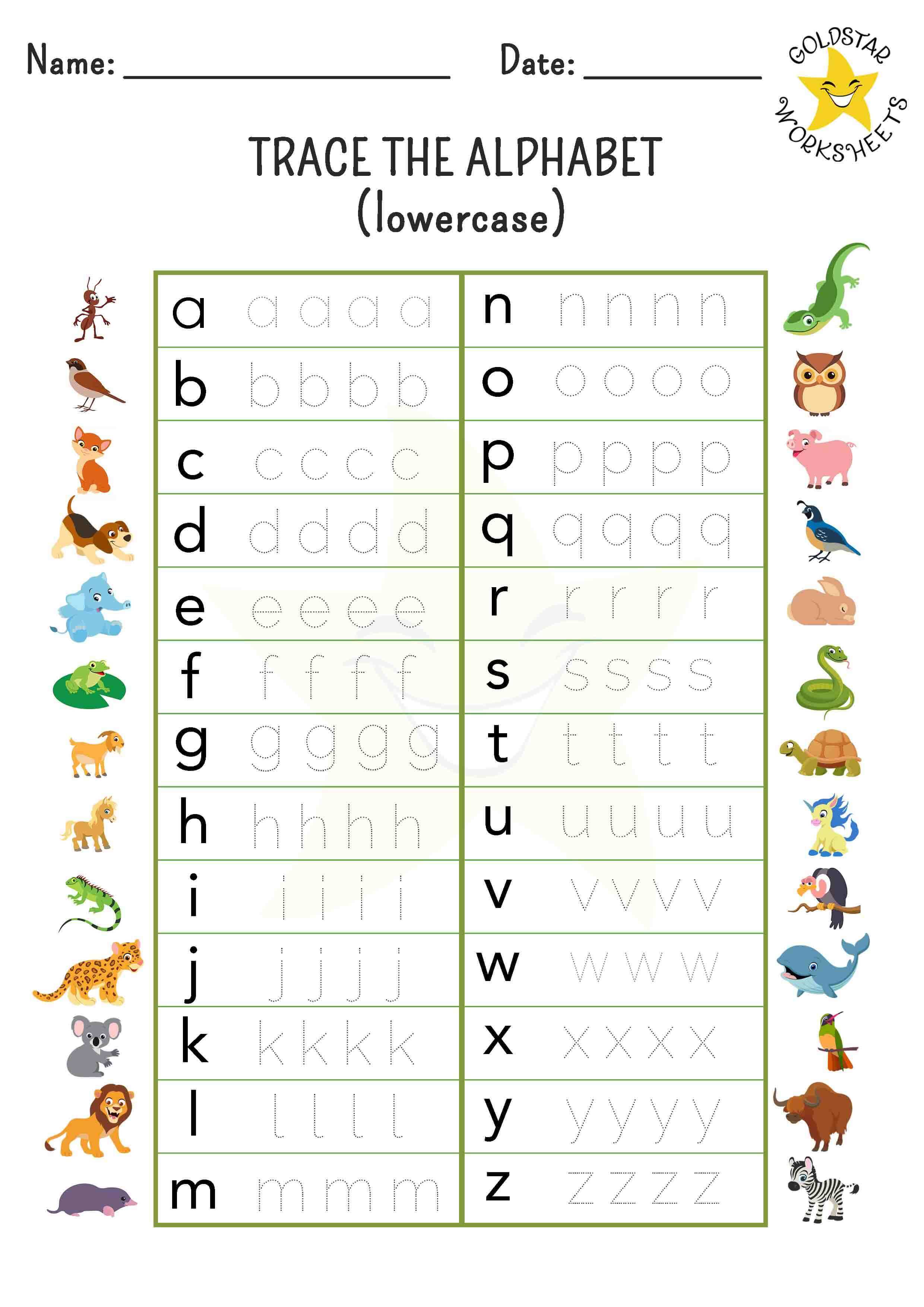
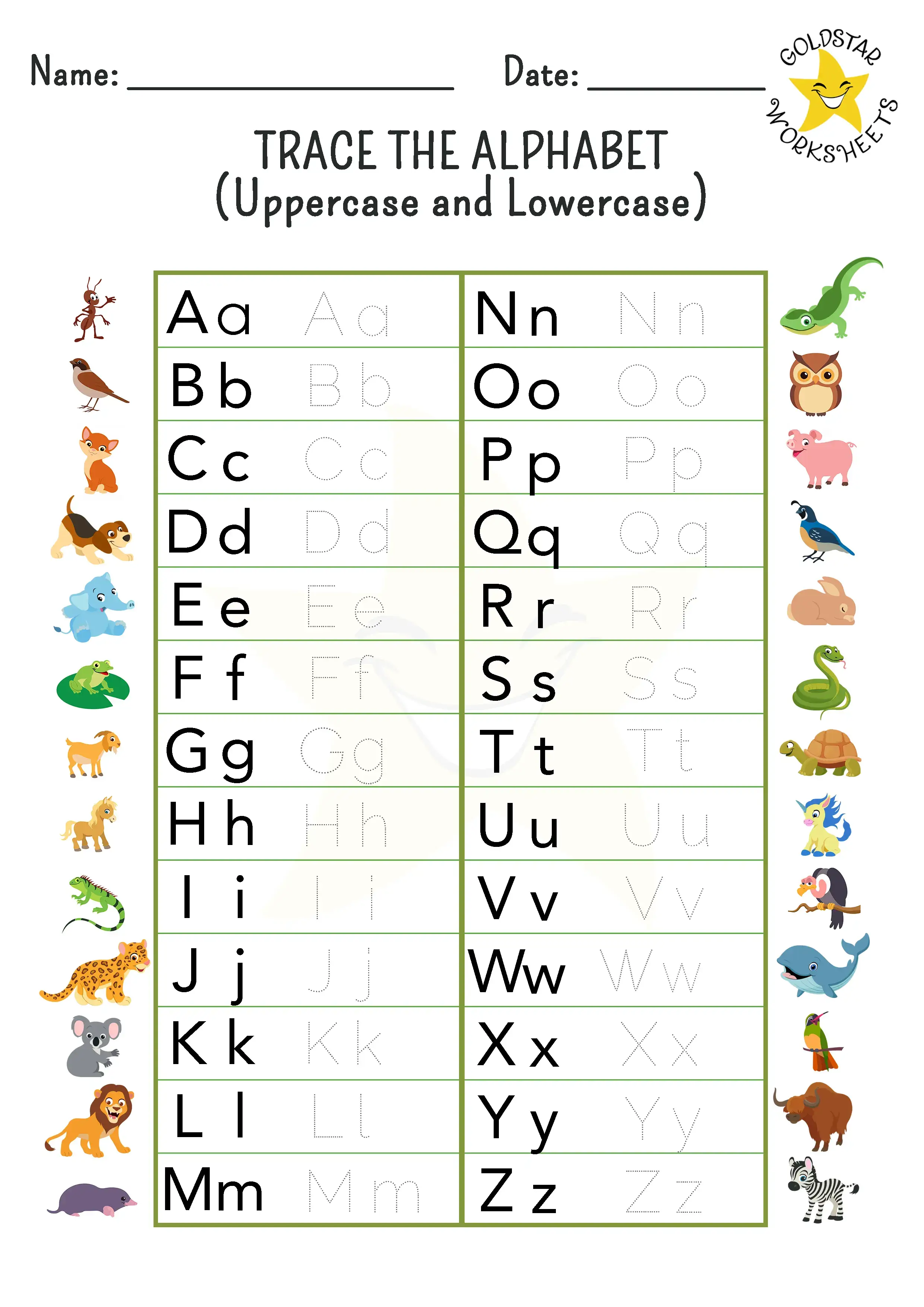
Letter writing worksheets pdf files serve as structured, printable instructional templates designed to guide young learners through accurate letter formation, stroke sequencing, and muscle memory development. According to the National Association for the Education of Young Children (NAEYC), purposeful early writing experiences built on structured practice promote foundational literacy, fine-motor control, and cognitive integration of letter symbols. Utilizing digital PDF resources allows educators and parents to generate unlimited, consistent practice sheets tailored to specific developmental milestones. When paired with preschool worksheets, these foundational templates build early confidence in pencil grip and spatial orientation.
Handwriting Practice Snapshot:
- Core Focus: Printable PDF templates dedicated to systematic letter formation and stroke mastery.
- Target Scope: Early childhood classrooms, home education, and occupational therapy interventions.
- Key Recommendation: Prioritize proper starting points and consistent directional arrows on every sheet.
Core Principles and Detailed Overview
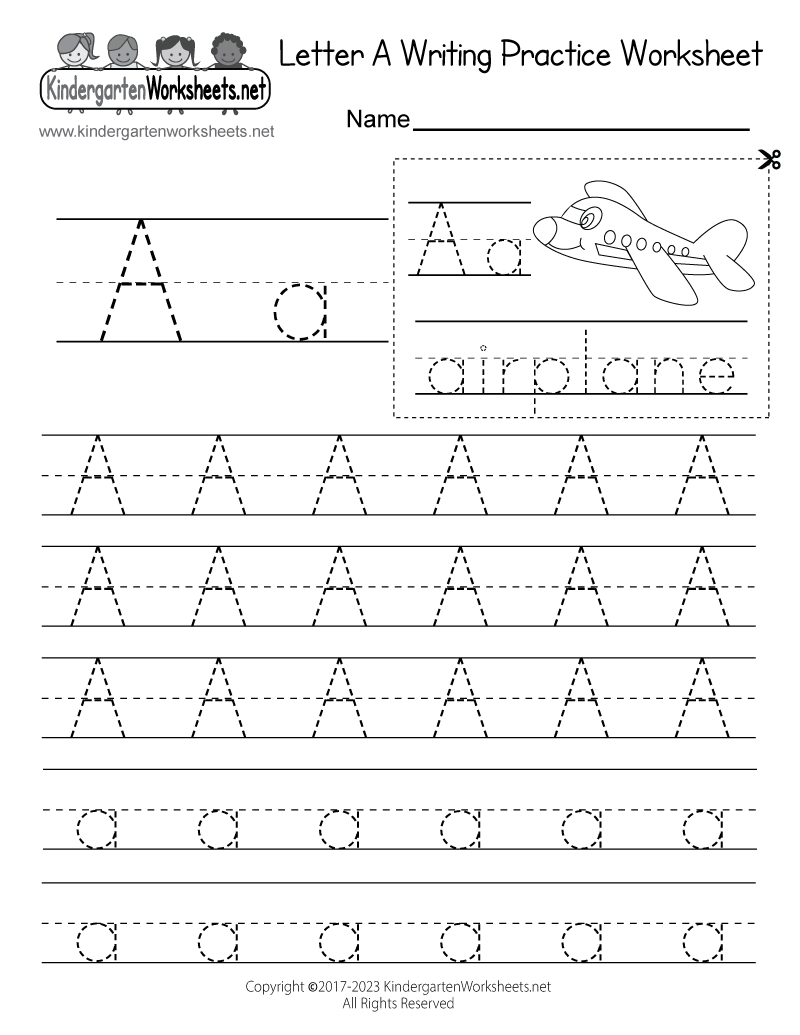
Letter writing worksheets pdf resources are scientifically structured to transition a learner from gross motor scribbling to precise, automatic letter production. The mechanical foundation relies on teaching correct top-to-bottom and left-to-right stroke sequences, which prevent the formation of inefficient habits such as drawing letters instead of writing them. High-quality printables integrate visual cues like baseline guides, dotted midlines, and directional arrows to reinforce spatial awareness and proportional sizing. Educators often supplement these writing drills with coloring worksheets to strengthen intrinsic hand muscles and improve bilateral coordination before heavy pencil work begins.
Key Specifications and Breakdown
| Skill Level / Grade | Target Stroke / Mechanical Focus | Pedagogical / Coaching Cue |
|---|---|---|
| Pre-K / Early Learners | Vertical lines, horizontal lines, and basic curved directional strokes. | “Start at the top dot and pull straight down to the floor line.” |
| Kindergarten | Uppercase and lowercase alphabet mastery utilizing three-line guidelines. | “Touch the top skyline, dive down to the grass line, and loop.” |
| First Grade | Alphabet fluidity, consistent letter sizing, and proper word spacing. | “Keep lowercase letters beneath the dotted plane line for proper proportion.” |
Fine-motor control and stroke automaticity form the neurological foundation required for legible, fatigue-free handwriting across all academic disciplines. — American Occupational Therapy Association (AOTA)
Step-by-Step Practical Application and Guidelines
Effective implementation of letter writing worksheets pdf requires a systematic routine that prioritizes physical posture, pencil grasp, and verbalized stroke directions. Begin instruction by demonstrating the target letter on a whiteboard while verbalizing the exact path of movement, such as stating “magic c” before closing into an “a.” Instruct learners to trace oversized sample letters with an index finger to engage proprioceptive feedback before transitioning to a pencil. Educators should integrate targeted tracing worksheets to bridge the gap between guided visual tracing and independent freehand replication. Monitor the workspace to ensure feet flat on the floor, paper tilted at a comfortable angle, and a functional tripod grasp.
Common Challenges and How to Avoid Them
Reversal of visually similar characters like ‘b’ and ‘d’ or bottom-up stroke habits represent frequent obstacles easily mitigated through intentional layout design in printable materials. To correct bottom-up strokes, teachers must enforce strict compliance with directional dot markers and numbered arrows embedded within the template. If hand fatigue occurs during extended practice sessions, shorten the duration and substitute standard drills with specialized name practice worksheets that maintain high engagement through personalized relevance. Establishing consistent verbal cues transforms abstract geometric shapes into memorable physical actions.
💬 Frequently Asked Questions
Explore More Free Handwriting and Character Worksheets
Accessing comprehensive collections of printable resources empowers educators and parents to build robust, customized handwriting curricula. Explore the complete library of structured letter writing worksheets and related worksheets available across CharacterWritingWorksheets.com to support early childhood literacy development.
Worksheet Previews & Reference Materials