Introduction
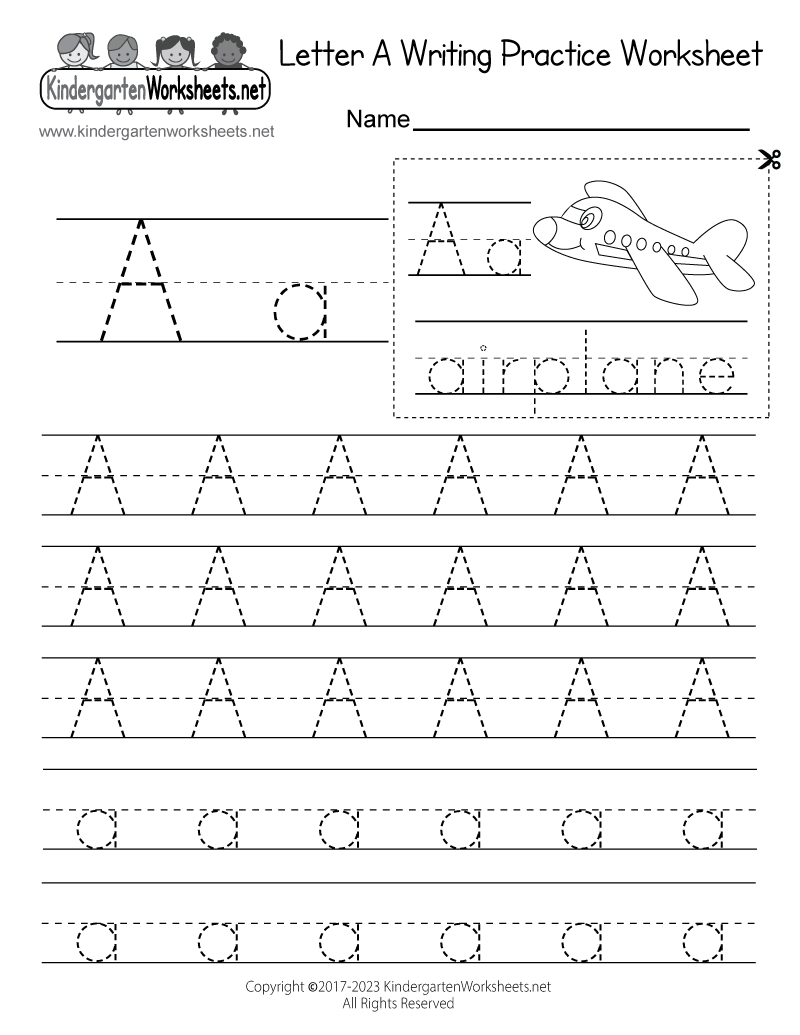
Letter writing worksheets for kindergarten provide structured graphical templates designed to teach early learners correct letter formation, precise stroke sequencing, and foundational pencil control. According to the National Association for the Education of Young Children (NAEYC), intentional handwriting instruction supports young children in developing orthographic mapping and cognitive fluency, which directly strengthens overall reading and literacy acquisition. Integrating systematic letter writing worksheets into daily routines establishes proper motor habits before compensatory grasping patterns solidify. Educators utilize targeted preschool worksheets to bridge gross motor scribbling with fine motor symbol generation. Furthermore, pairing these tools with coloring worksheets enhances hand muscle endurance required for sustained academic tasks.
Handwriting Practice Snapshot:
- Core Focus: Letter writing worksheets for kindergarten establish reliable stroke mechanics and pencil dexterity.
- Target Scope: Early childhood classrooms, home learning environments, and occupational therapy interventions.
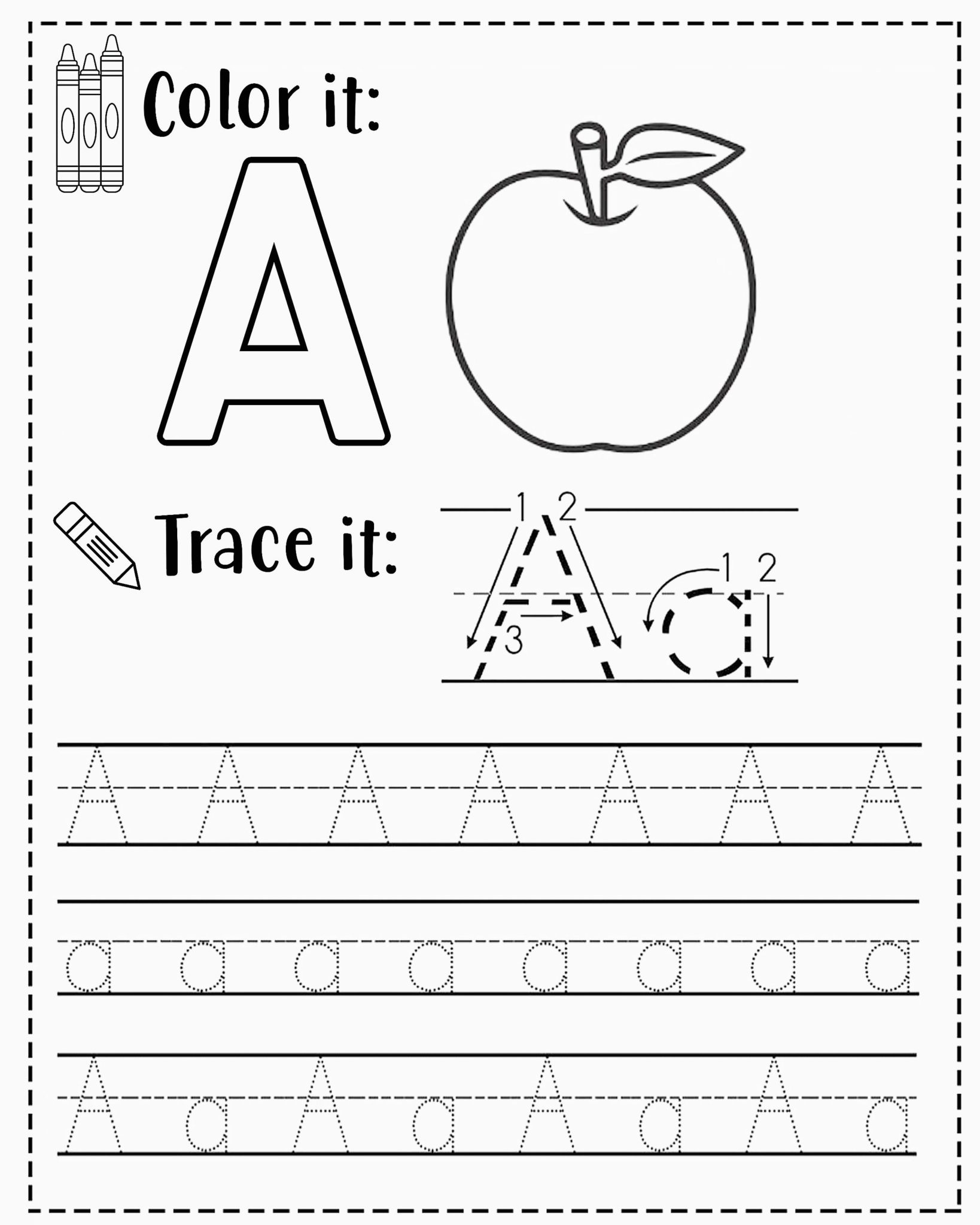
- Key Recommendation: Prioritize top-to-bottom and left-to-right directional arrows on every practice sheet.
Core Principles and Detailed Overview
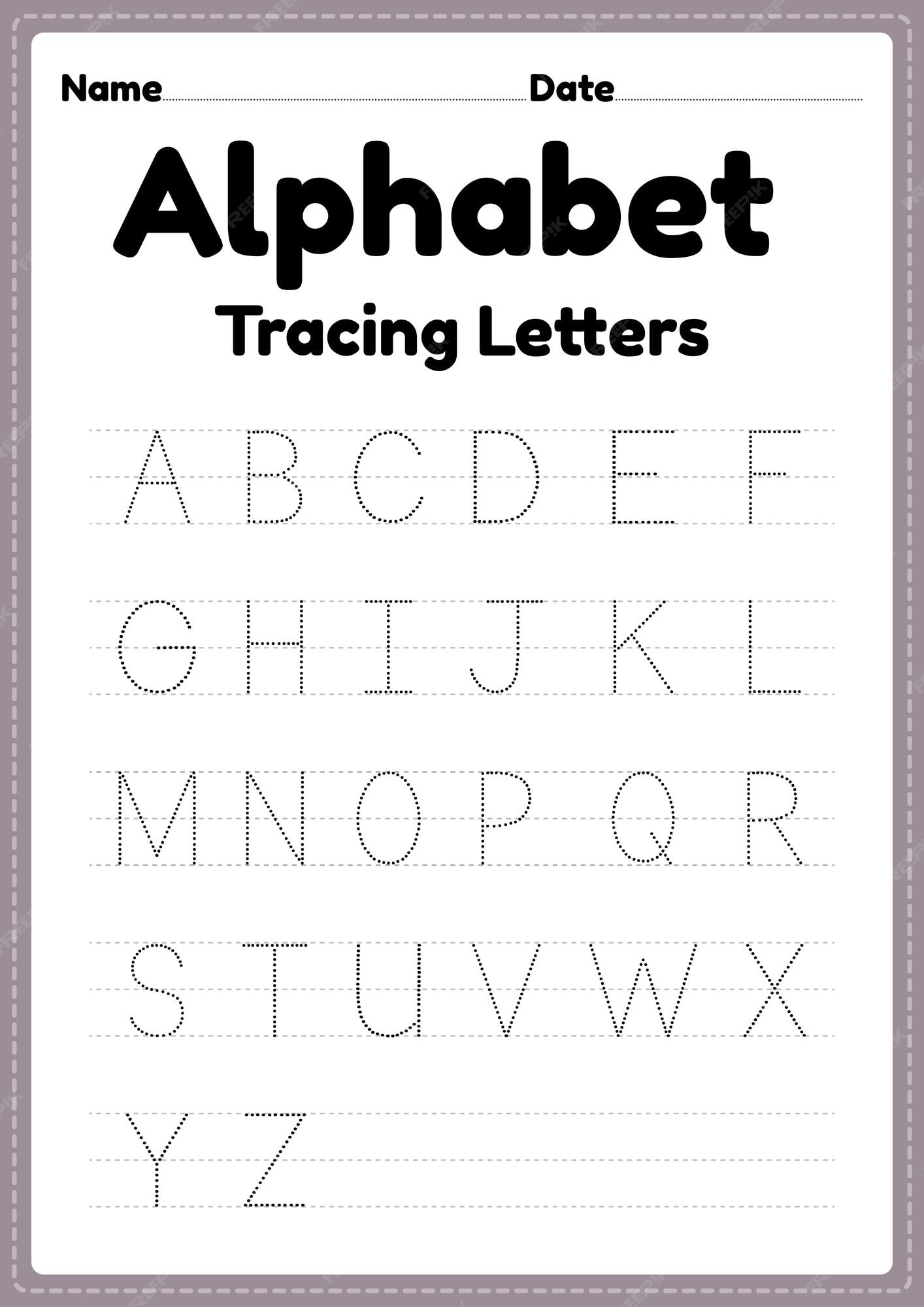
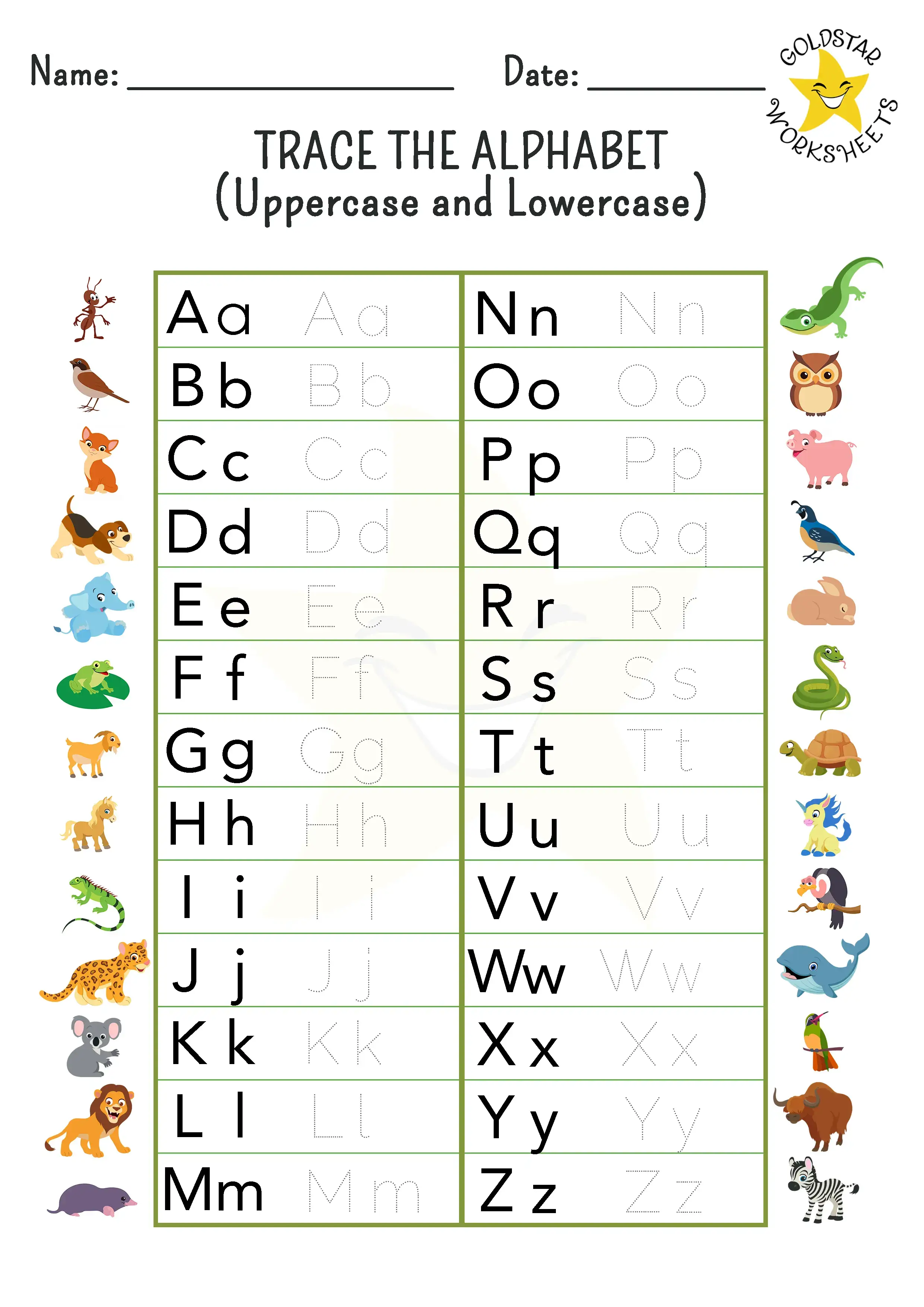
Effective kindergarten handwriting templates rely on multisensory engagement, visual baseline guides, and consistent motor mapping to transform abstract shapes into automated muscle memory. Correct formation requires beginning every uppercase and lowercase character at the top starting point, reducing unnecessary hand lifts and preventing bottom-up formation habits. Utilizing dedicated tracing worksheets allows young learners to internalize proportional sizing across three-line primary guidelines. As children progress from basic shapes to complex graphemes, transitioning to customized name practice worksheets personalizes the tactile writing experience. Standardized worksheets offer repeated exposure that reinforces neural pathways connecting visual symbols with physical execution.
Key Specifications and Breakdown
| Skill Level / Grade | Target Stroke / Mechanical Focus | Pedagogical / Coaching Cue |
|---|---|---|
| Early Kindergarten | Vertical and horizontal strokes (E, F, H, L, T) | Start at the top skyline and pull straight down. |
| Mid Kindergarten | Diagonal and curved strokes (A, C, G, M, S) | Trace the curve around like a rolling ball. |
| Late Kindergarten | Lowercase baseline descenders (g, j, p, q, y) | Drop the tail below the bottom basement line. |
Explicit handwriting instruction using structured visual templates improves letter recognition speed and orthographic output consistency in early elementary learners — American Occupational Therapy Association (AOTA)
Step-by-Step Practical Application and Guidelines
Executing letter writing worksheets successfully demands a structured pedagogical sequence that emphasizes posture, grip adjustment, and guided execution over rote completion speed. Educators and parents must first verify that children sit with feet flat on the floor, hips at a ninety-degree angle, and the non-dominant hand stabilizing the paper at an angle. Next, prompt learners to trace directional arrows with a finger before touching a writing utensil to the page. Adults should actively monitor pencil grasps, ensuring a functional tripod grip rather than a tight fist or thumb-wrap configuration. Finally, limit practice sessions to short, focused five-to-ten-minute intervals to prevent hand fatigue and maintain cognitive engagement.
Common Challenges and How to Avoid Them
Reversing mirrored letters such as ‘b’ and ‘d’ or starting strokes at the bottom of the line remain frequent developmental hurdles that require immediate, gentle redirection. Educators prevent bottom-up strokes by establishing verbal anchors like “start at the top dot” and physically guiding the child’s hand through the correct directional path. When hand fatigue or improper grip causes poor line control, temporary use of ergonomic pencil grips or thicker triangular writing instruments restores proper finger alignment. Limiting daily worksheet volume prevents frustration and ensures that children associate handwriting practice with deliberate skill mastery rather than exhausting punishment.
💬 Frequently Asked Questions
Explore More Free Handwriting and Character Worksheets
Supporting early literacy development requires a diverse collection of engaging, pedagogically sound printables tailored to every stage of foundational writing. Educators and families can explore the complete library of teacher-approved resources by visiting CharacterWritingWorksheets.com to download high-quality materials designed for developing confident young writers.
Worksheet Previews & Reference Materials