Introduction
Letter writing worksheets for preschool provide structured physical templates designed to build foundational handwriting mechanics, visual-motor integration, and stroke accuracy. According to the National Association for the Education of Young Children (NAEYC), young learners develop essential literacy and fine-motor control most effectively when early writing instruction integrates purposeful repetition with developmentally appropriate mechanical scaffolding. Selecting high-quality preschool worksheets ensures that early childhood educators and parents can systematically guide children from gross motor scribbling to controlled, linear character formation without inducing hand fatigue or frustration.
Handwriting Practice Snapshot:
- Core Focus: Letter writing worksheets for preschool build foundational stroke sequence and fine-motor pencil control.
- Target Scope: Early childhood classrooms, home learning environments, and occupational therapy interventions.
- Key Recommendation: Pair structured letter practice with multisensory pre-writing warm-ups before pencil contact.
Core Principles and Detailed Overview
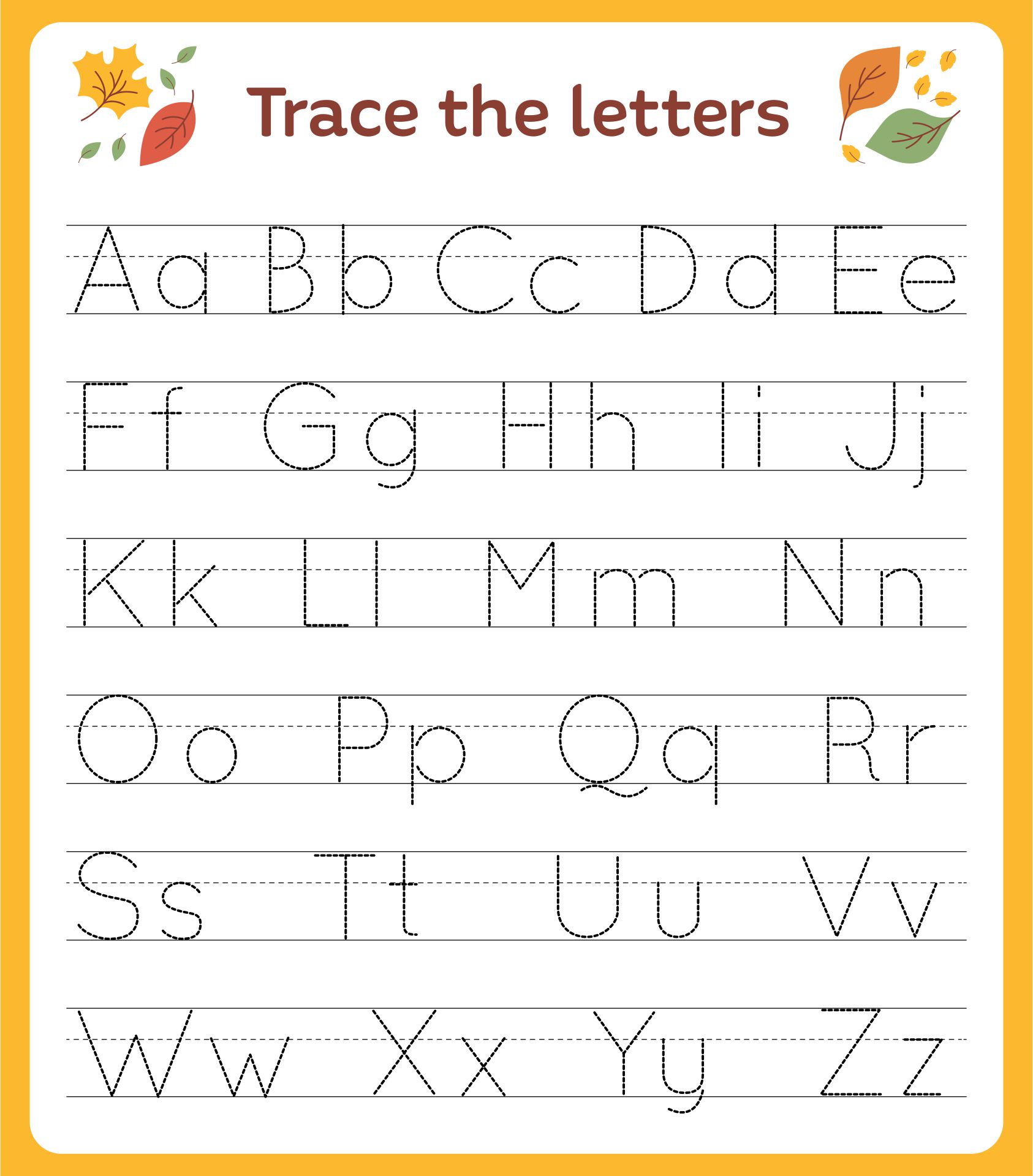
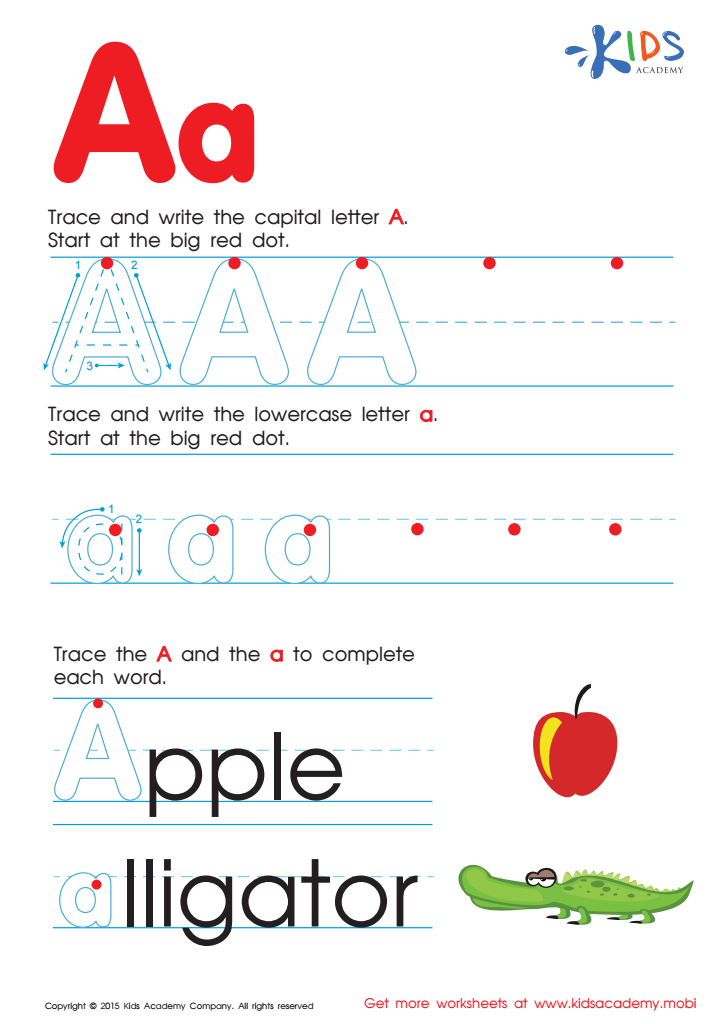
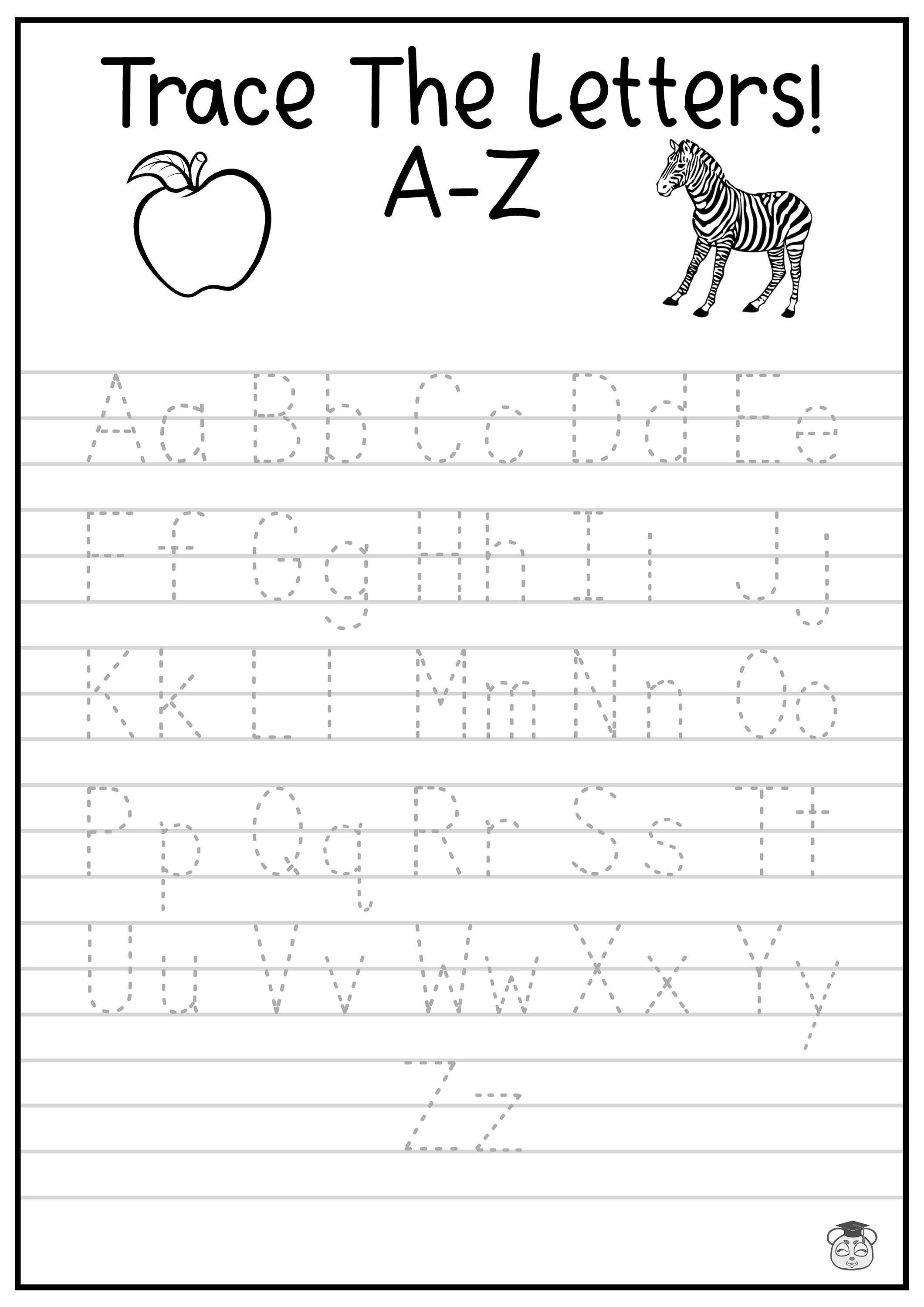
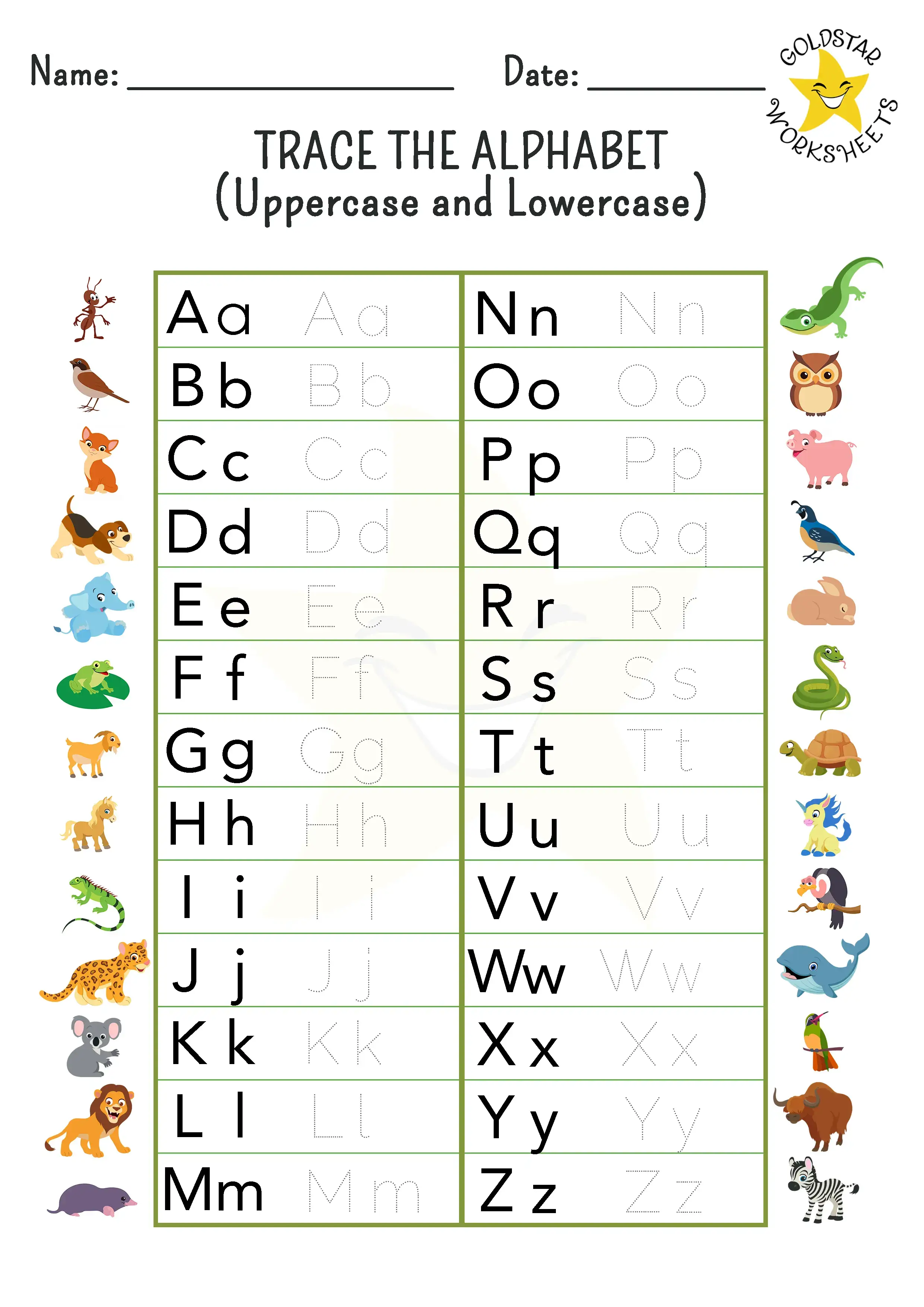
Mastering early handwriting mechanics requires an understanding of developmental stages, beginning with vertical and horizontal line imitation before progressing to diagonal strokes and closed loops. Comprehensive letter writing worksheets incorporate explicit directional arrows, clear starting dots, and primary writing lines that anchor spatial awareness. Utilizing specialized tracing worksheets helps children internalize muscle memory, while pairing exercises with coloring worksheets strengthens the intrinsic hand muscles necessary for sustained pencil grasp and optimal grip posture.
Key Specifications and Breakdown
| Skill Level / Grade | Target Stroke / Mechanical Focus | Pedagogical / Coaching Cue |
|---|---|---|
| Early Preschool (Age 3) | Vertical and horizontal strokes, basic shapes | “Pull straight down like a falling raindrop.” |
| Mid Preschool (Age 4) | Diagonal lines, intersecting crosses, circles | “Start at the top dot and sweep around to the left.” |
| Late Preschool (Age 5) | Top-to-bottom and left-to-right character sequencing | “Make a big tall stick, then jump back up to the top.” |
Fine-motor readiness requires the development of bilateral coordination, proximal core stability, and a functional three-finger tripod grasp before rigorous paper-and-pencil letter execution is enforced. — American Occupational Therapy Association (AOTA)
Step-by-Step Practical Application and Guidelines
Implementing targeted name practice worksheets and alphabet templates involves establishing a predictable physical routine that prioritizes correct posture and paper angle. Educators and parents must first demonstrate the correct stroke sequence aloud, emphasizing starting points and directional movement before permitting independent practice on standard worksheets. Limiting practice sessions to short, five-to-ten-minute intervals prevents muscle fatigue, preserves engagement, and ensures that children form positive associations with writing tasks.
Common Challenges and How to Avoid Them
Reversed letter formation, excessive pencil pressure, and bottom-up stroke habits frequently occur when young children attempt writing tasks without adequate directional scaffolding. Correcting these mechanical errors early involves returning to large-scale tactile tracing surfaces and utilizing structured templates that feature prominent visual starting cues. Consistent monitoring prevents the codification of improper grip mechanics, ensuring long-term legibility, speed, and writing comfort as academic demands increase.
💬 Frequently Asked Questions
Explore More Free Handwriting and Character Worksheets
Accessing a comprehensive library of structured learning materials empowers educators and families to support early literacy with confidence. Explore the complete collection of free educational resources designed to build foundational handwriting mechanics at CharacterWritingWorksheets.com today.
Worksheet Previews & Reference Materials