Introduction
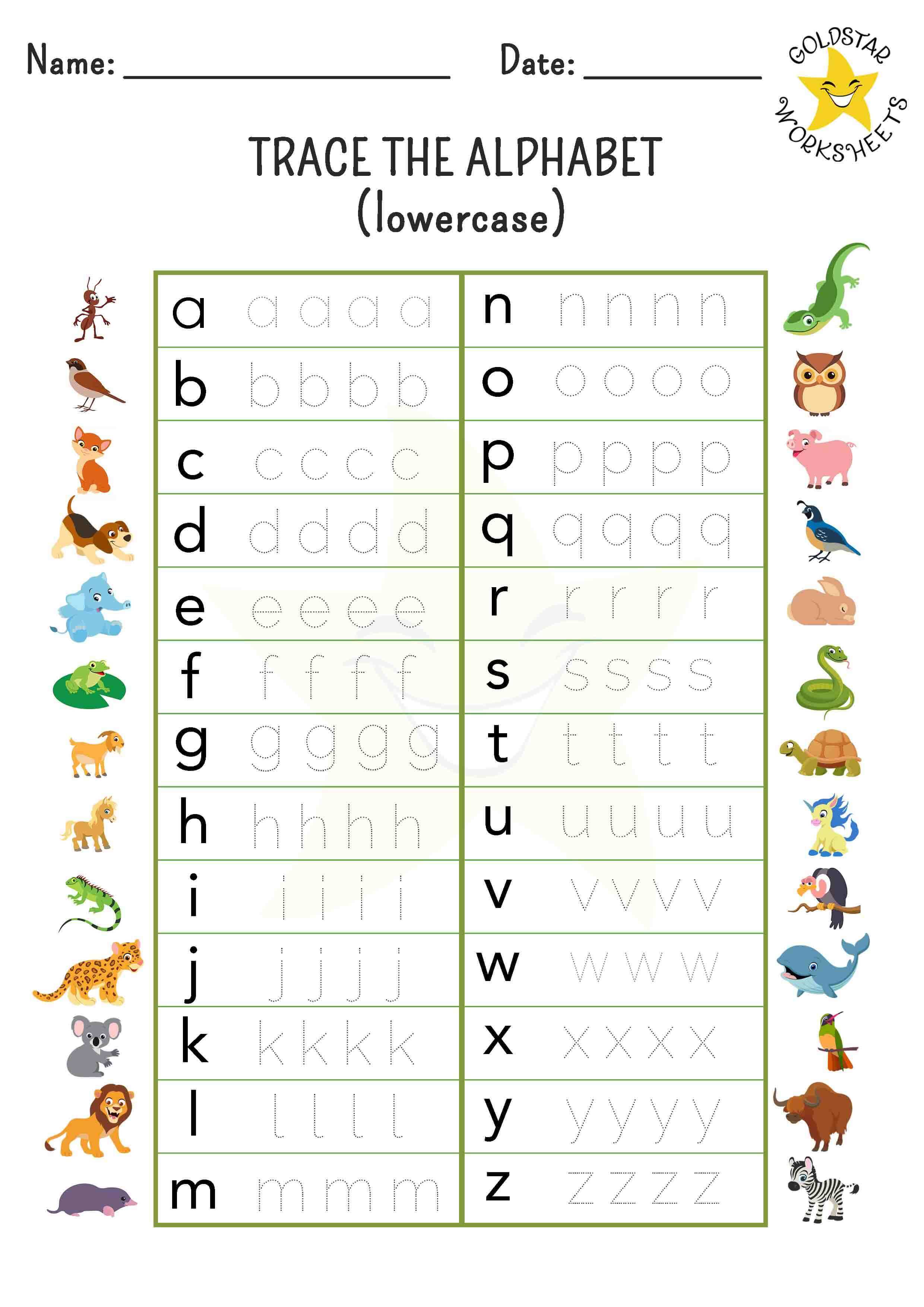
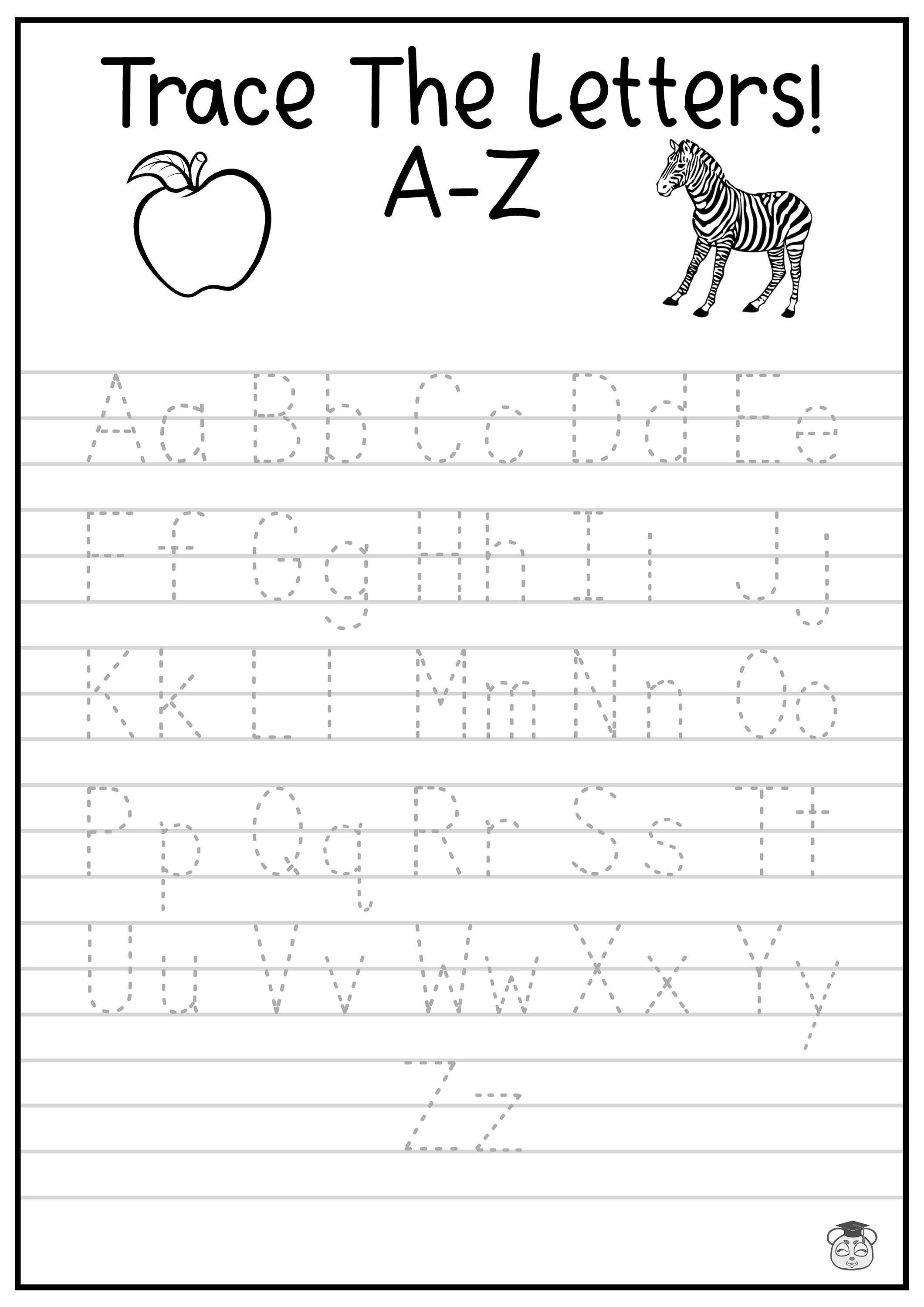
Grade 2 letter writing worksheets provide structured instructional templates designed to transition second-grade students from basic manuscript tracing to automatic, fluent handwriting mechanics. According to the American Occupational Therapy Association (AOTA), mastery of pencil grip, letter size consistency, and proper spatial orientation on lined paper are foundational milestones achieved through targeted, repetitive daily practice. Utilizing specialized letter writing worksheets ensures learners solidify muscle memory for both uppercase and lowercase character formations before tackling complex paragraph composition.
Handwriting Practice Snapshot:
- Core Focus: Structural letter formation, baseline adherence, and consistent proportional sizing for second-grade literacy standards.
- Target Scope: Classroom instruction and home-school environments focusing on primary-grade motor skill refinement.
- Key Recommendation: Implement short, consistent daily practice intervals using standard three-line primary ruling paper.
Core Principles and Detailed Overview
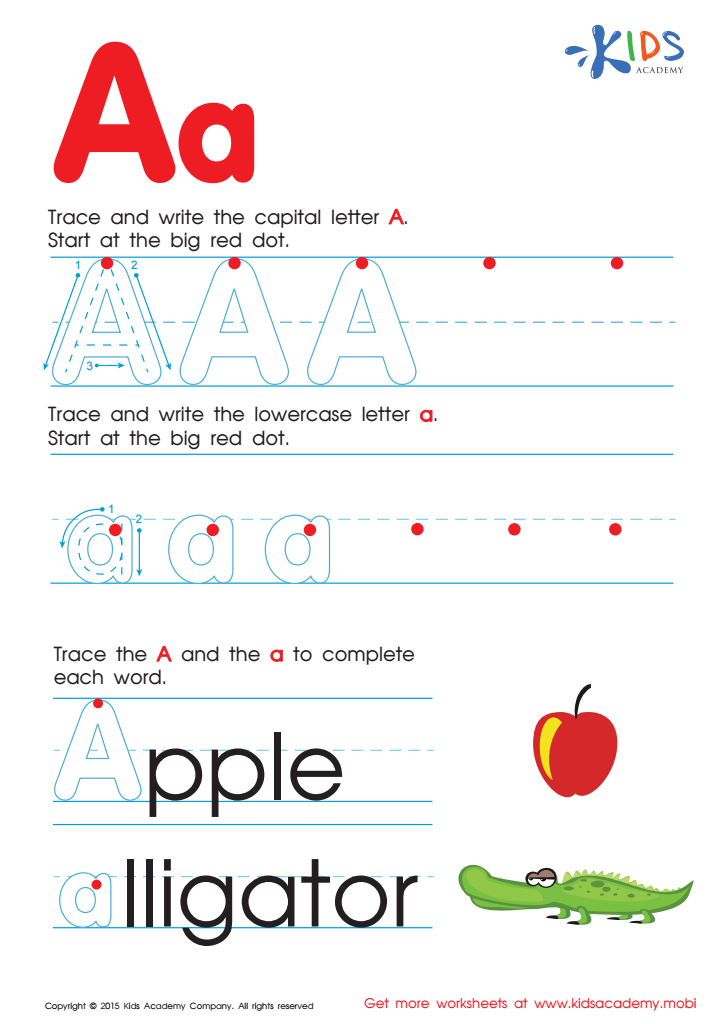
Second-grade letter formation requires shifting from learning isolated strokes to executing fluid, automatic character sequences within established baseline boundaries. High-quality worksheets integrate directional arrows, starting dots, and dotted midline guides that prompt correct pencil trajectory. Educators often pair these with name practice worksheets and foundational tracing worksheets to build continuous fine-motor endurance. Mastery at this stage prevents fatigue, reduces letter reversals (such as confusing ‘b’ and ‘d’), and directly correlates with improved reading fluency and spelling accuracy.
Key Specifications and Breakdown
| Skill Level / Grade | Target Stroke / Mechanical Focus | Pedagogical / Coaching Cue |
|---|---|---|
| Early Grade 2 | Baseline placement and capital-to-lowercase proportional height. | “Start at the top skyline, pull straight down to the grassroots, and lift.” |
| Mid Grade 2 | Consistent letter spacing, slant angle, and pencil pressure regulation. | “Keep spaces between words equal to the width of a lowercase letter o.” |
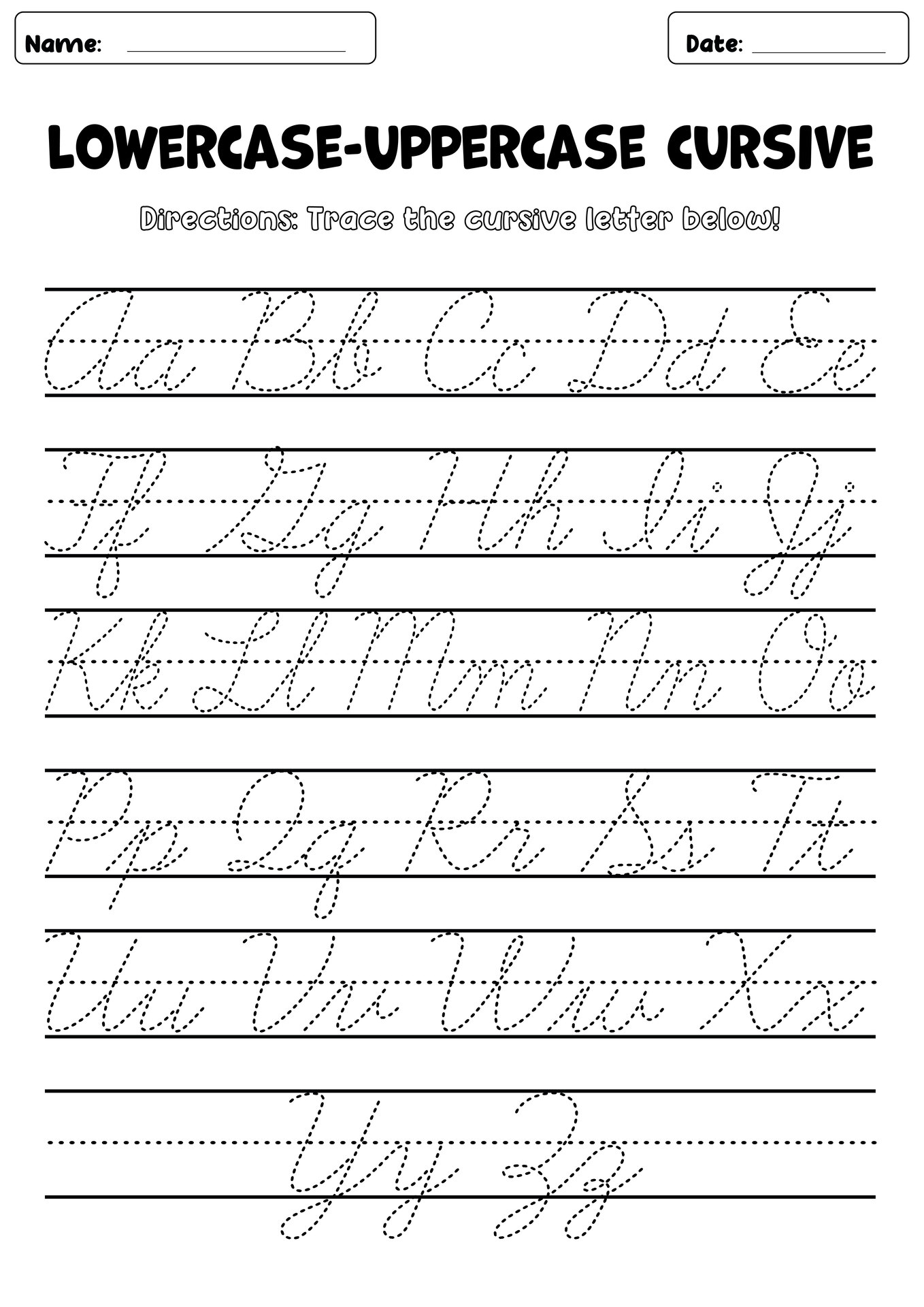
| Late Grade 2 | Fluid cursive transitions or automatic, unlined manuscript speed. | “Maintain a relaxed tripod grip while keeping the paper tilted slightly.” |
Proper postural alignment, paper positioning, and an efficient dynamic tripod grasp are essential prerequisites for legible handwriting development. — American Occupational Therapy Association (AOTA)
Step-by-Step Practical Application and Guidelines
Executing effective handwriting intervention involves methodical daily monitoring of pencil grip, posture, and stroke sequence on designated writing sheets. Instructors must first verify that children sit with feet flat on the floor, hips at a 90-degree angle, and the non-dominant hand stabilizing the page. Next, direct learners to examine the directional arrows on each target character before tracing faded models three times. Finally, transition students to independent copying on primary ruling lines, checking that descenders drop below the baseline and ascenders reach the top line accurately.
Common Challenges and How to Avoid Them
Persistent letter reversals, irregular spacing, and excessive hand fatigue represent the most frequent obstacles encountered during second-grade writing instruction. Educators mitigate reversals by incorporating multi-sensory tracing techniques, such as forming letters in textured salt trays prior to pencil-on-paper execution. To prevent gripping fatigue, teachers enforce regular hand-stretching breaks and verify that pencils are held approximately one inch above the writing tip. Utilizing targeted supplementary resources like coloring worksheets can also build the intrinsic hand muscle strength necessary for sustained writing stamina.
💬 Frequently Asked Questions
Explore More Free Handwriting and Character Worksheets
Access an extensive library of professional educational tools, early literacy templates, and foundational motor-skill resources directly through CharacterWritingWorksheets.com. Dedicated parents and classroom educators can discover supplementary preschool worksheets and advanced writing modules designed to support every stage of child development.
Worksheet Previews & Reference Materials