Introduction
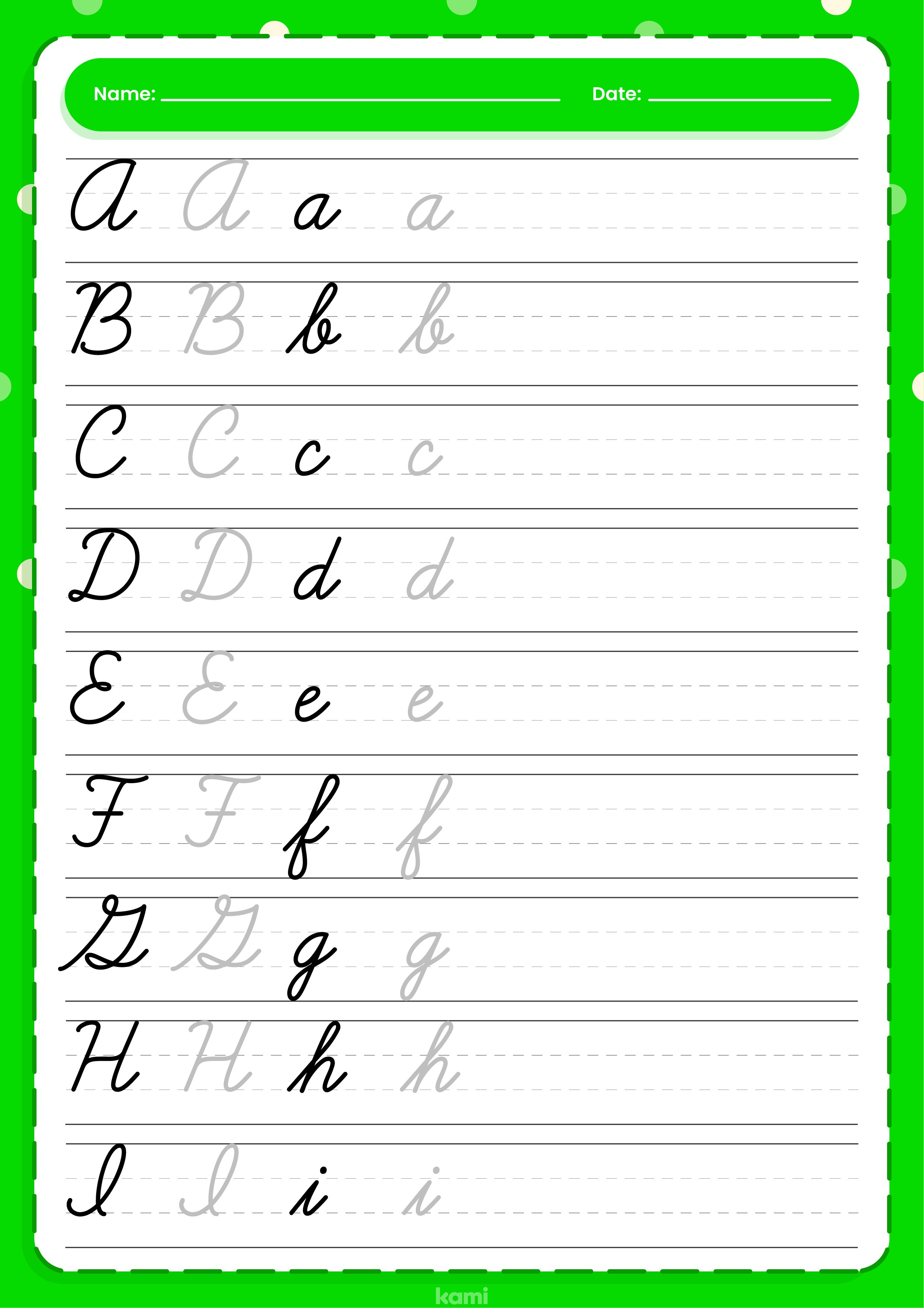
A letter writing worksheet for class 7 functions as an advanced pedagogical tool designed to refine formal correspondence, cursive fluency, and structural layout in adolescent writing. According to the International Literacy Association (ILA), explicit instructional guidance in advanced text composition supports critical thinking and effective modern communication. Integrating targeted letter writing worksheets into daily instruction helps bridge the gap between creative expression and professional documentation standards.
Handwriting Practice Snapshot:
- Core Focus: Mastering formal and informal correspondence mechanics, tone adaptation, and spatial organization.
- Target Scope: Middle school students refining advanced handwriting legibility and structured text layout.
- Key Recommendation: Combine continuous writing drills with deliberate margin and paragraph spacing practice.
Core Principles and Detailed Overview
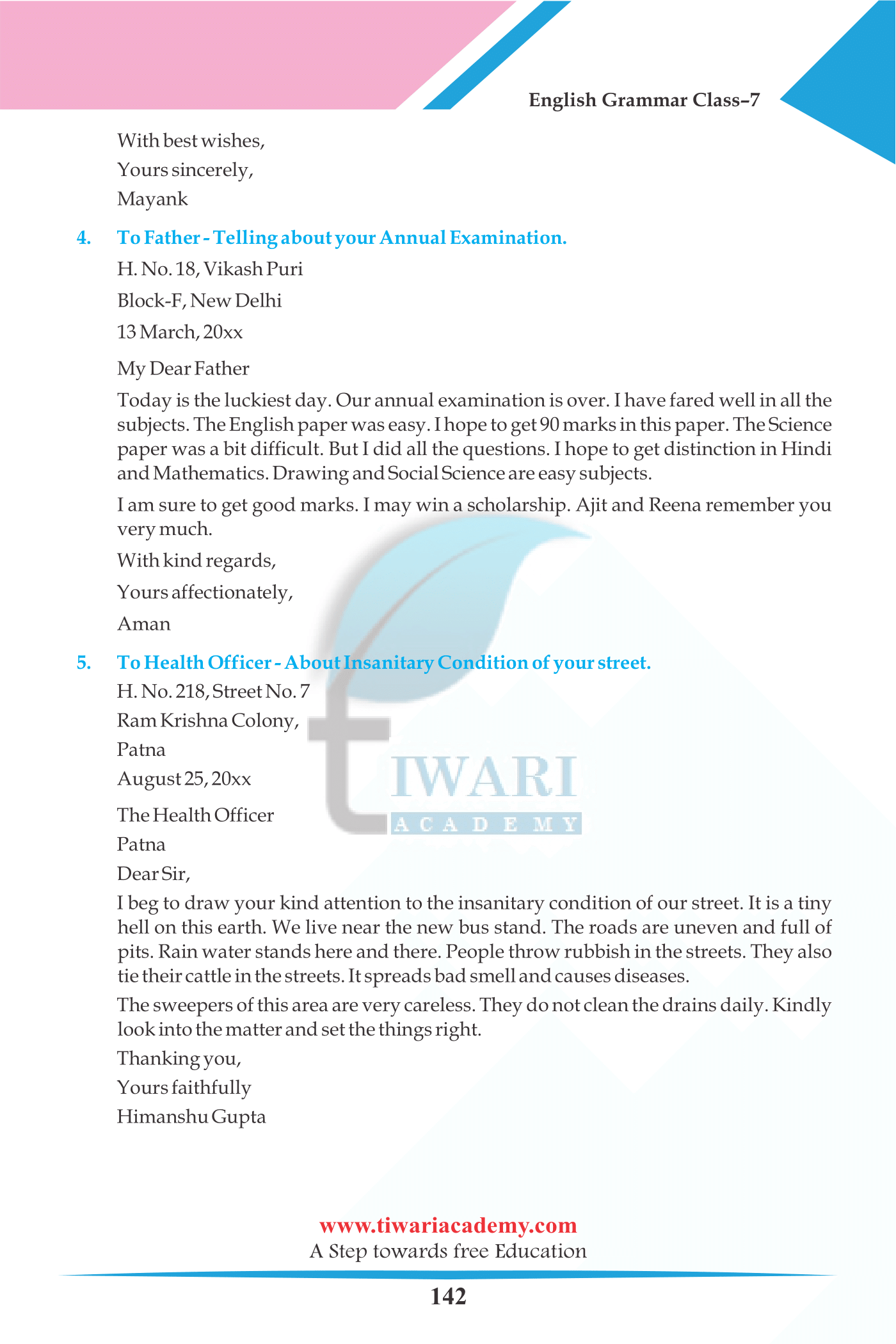
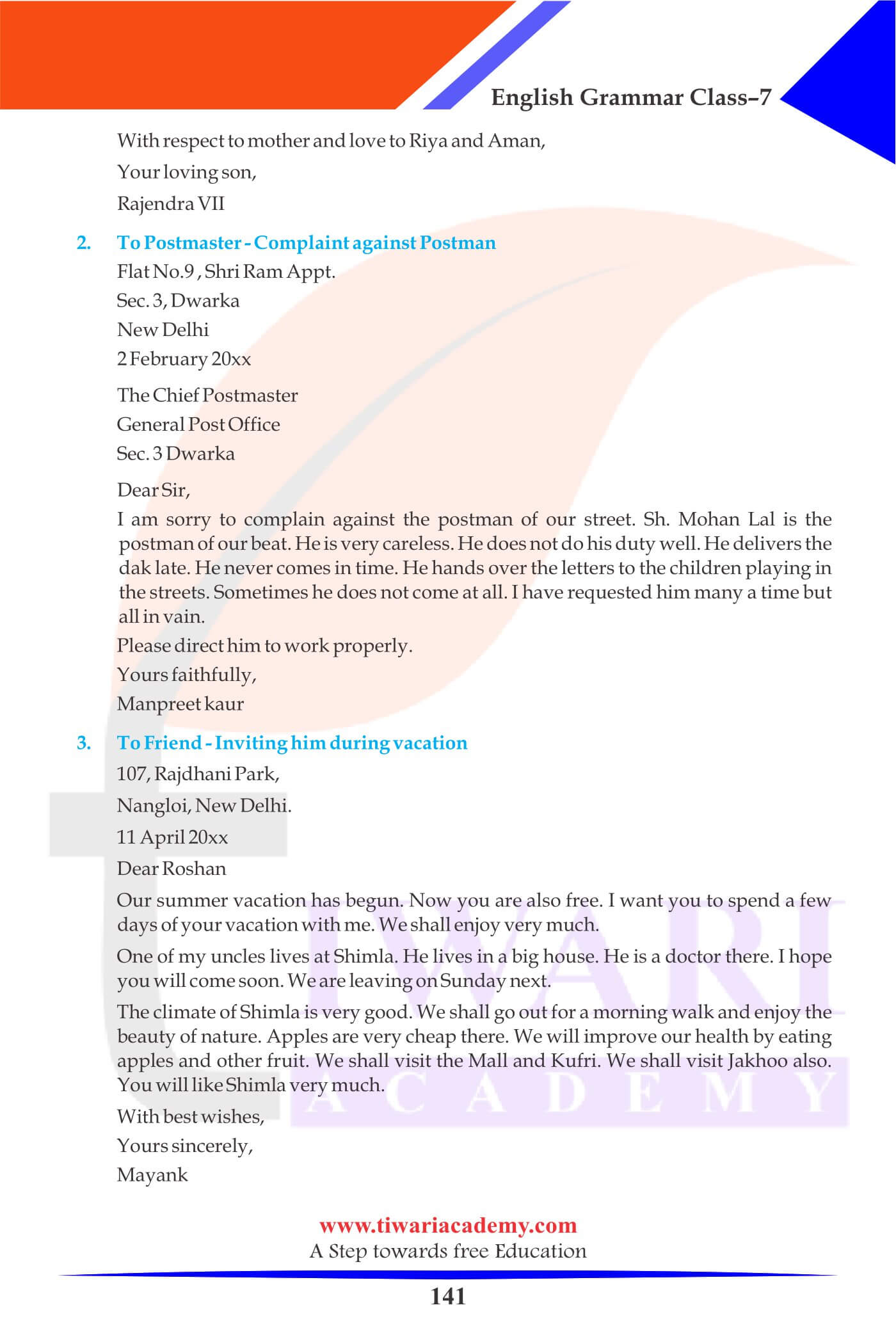
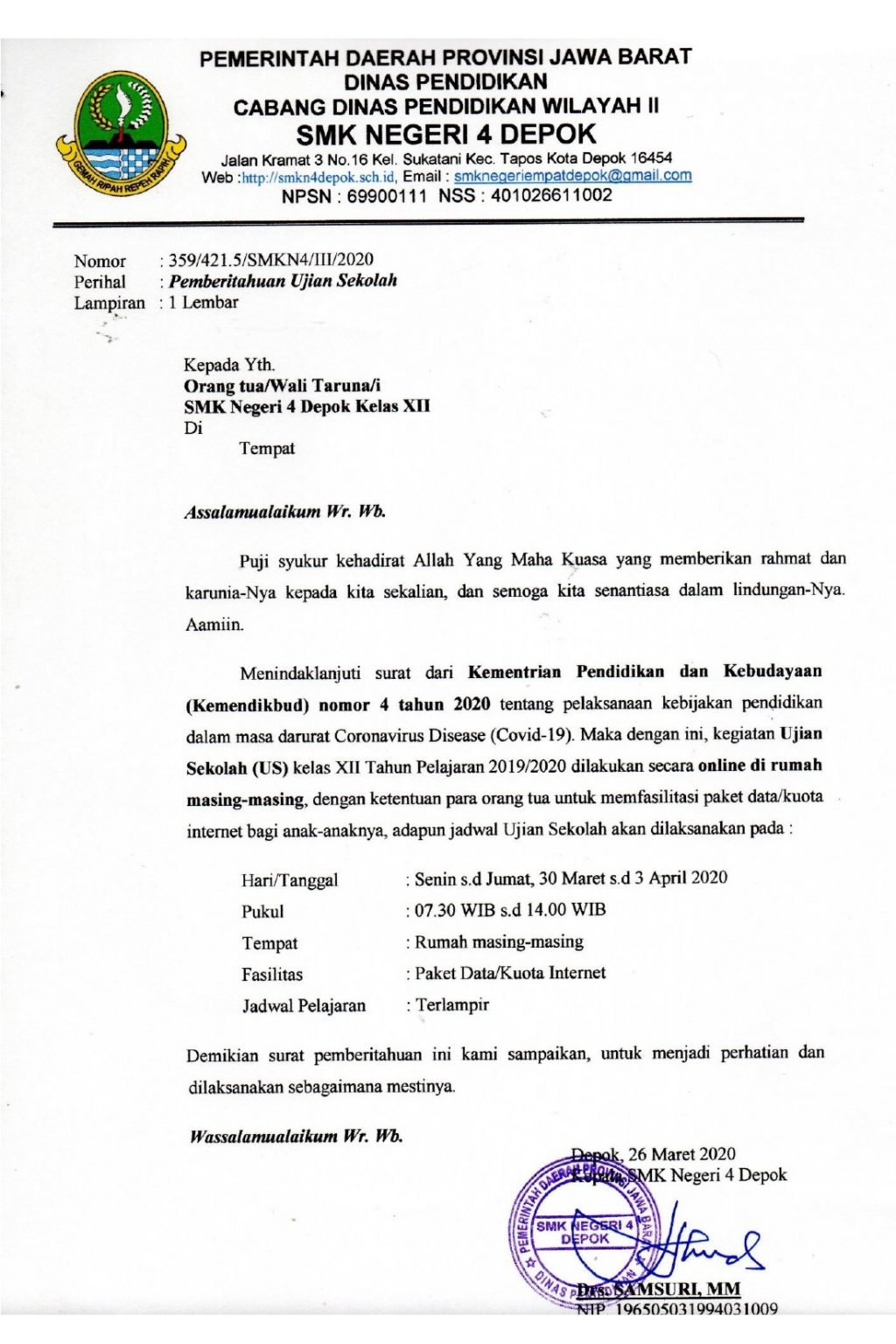
Letter writing at the middle school level requires precise command over structural conventions, vocabulary choice, and mechanical neatness. A comprehensive letter writing worksheet for class 7 guides learners through both formal epistolary formats—such as business inquiries and official complaints—and informal formats like personal reflections. Educators utilize these structured pages to monitor stroke consistency, slant uniformity, and pressure modulation, ensuring students maintain legibility during prolonged writing sessions without experiencing hand fatigue or grip degradation.
Key Specifications and Breakdown
| Skill Level / Grade | Target Stroke / Mechanical Focus | Pedagogical / Coaching Cue |
|---|---|---|
| Class 7 Formal | Consistent baseline alignment and letter height ratio. | “Keep ascenders uniform and maintain sharp 90-degree paragraph indentations.” |
| Class 7 Cursive Transition | Fluid linking strokes between complex consonant clusters. | “Lift the writing instrument only between distinct words to maximize flow.” |
| Class 7 Layout Mastery | Precise spacing for salutations, body blocks, and sign-offs. | “Leave a double line space between distinct functional paragraphs for clarity.” |
Fine-motor precision and visual-motor integration remain primary indicators of sustained academic writing endurance during middle school progression — American Occupational Therapy Association (AOTA)
Step-by-Step Practical Application and Guidelines
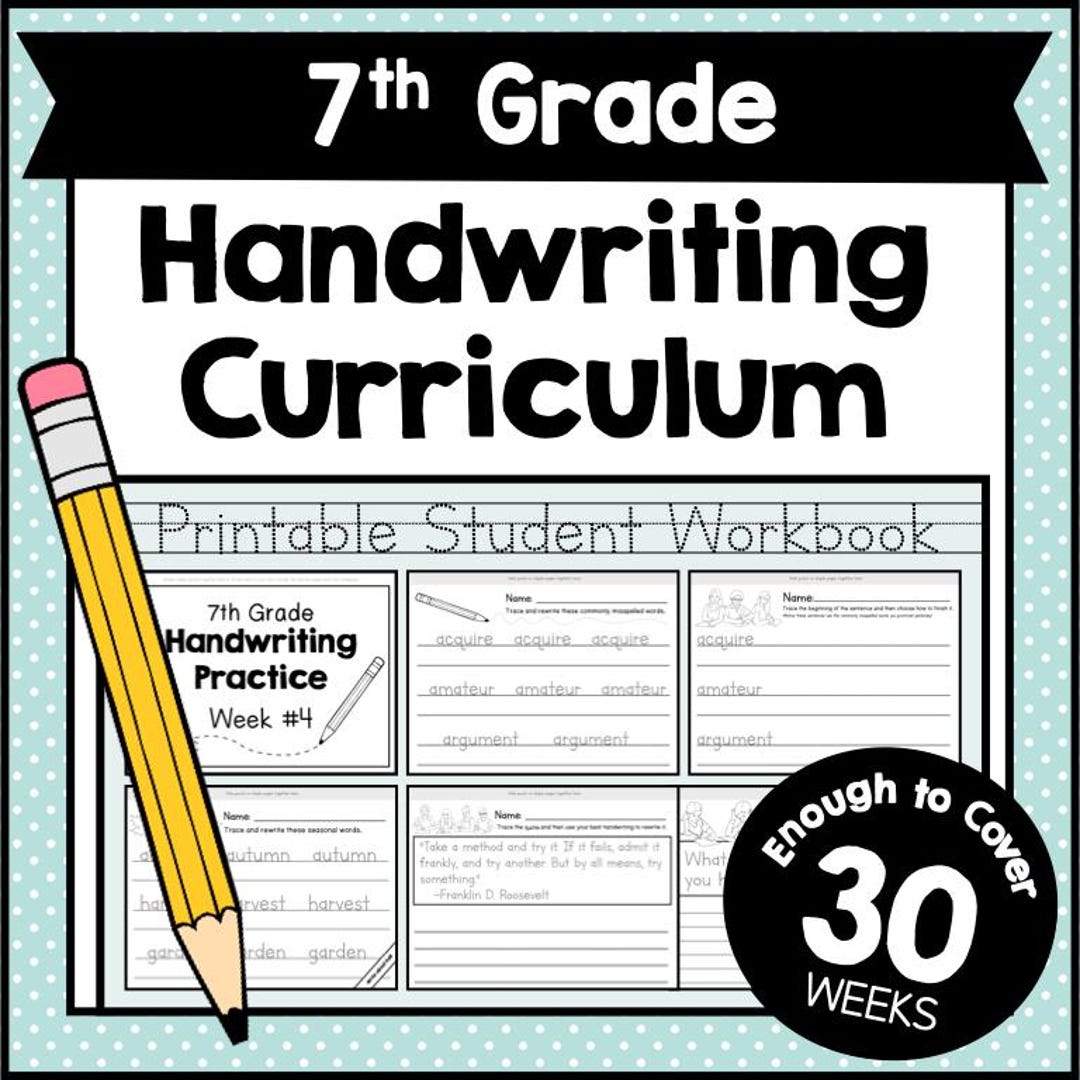
Executing an advanced letter writing worksheet involves a systematic three-phase approach focusing on layout planning, draft execution, and final review. Educators begin by having students map out the physical components of the letter, identifying specific spatial zones for the sender address, date, recipient details, and formal salutation. During the drafting phase on specialized tracing worksheets, learners focus on maintaining an even cursive slant and consistent letter spacing. Finally, instructors conduct a mechanical audit, evaluating margin discipline, punctuation placement, and overall visual neatness before approving the final submission.
Common Challenges and How to Avoid Them
Middle school students frequently struggle with spatial crowding, inconsistent letter sizing, and improper mixing of print and cursive scripts during extended writing tasks. Overcoming these mechanical hurdles requires targeted intervention using structured name practice worksheets and grid-aligned templates to reinforce boundary awareness and baseline control. Furthermore, encouraging frequent micro-breaks prevents muscle tension in the hand and fingers, ensuring steady stroke execution from the opening salutation to the closing signature.
💬 Frequently Asked Questions
Explore More Free Handwriting and Character Worksheets
Educators seeking additional instructional resources can explore the extensive curriculum library at CharacterWritingWorksheets.com for supplementary coloring worksheets and fundamental preschool worksheets designed to support every developmental stage of literacy.
Worksheet Previews & Reference Materials