Introduction
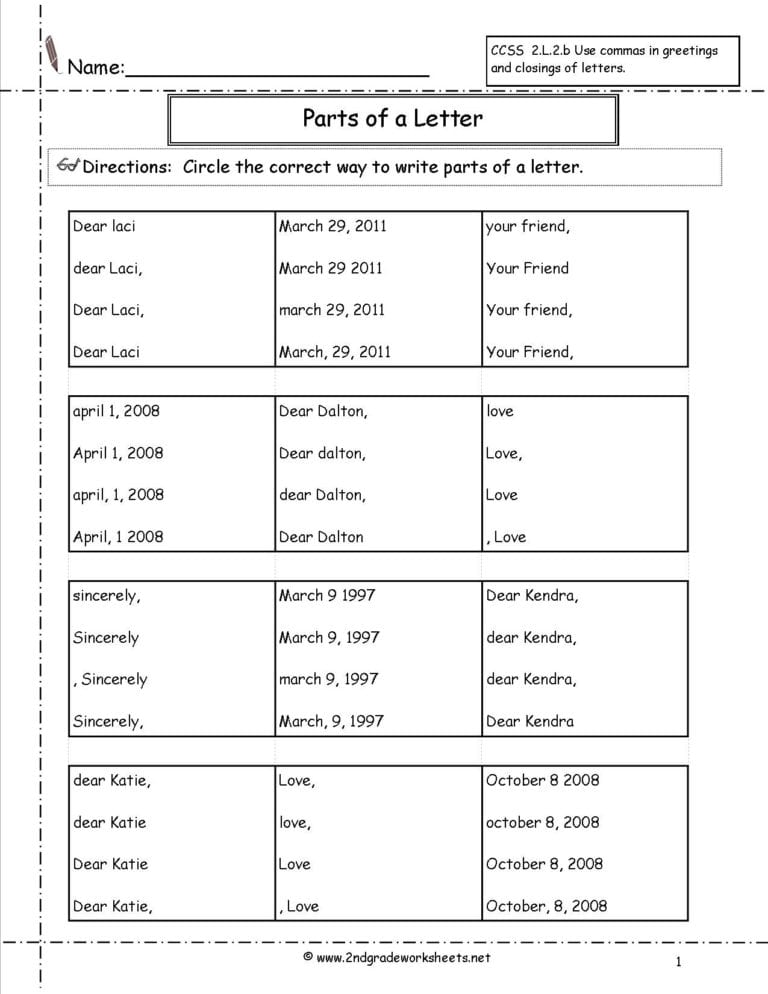
A letter writing worksheet for class 2 serves as a structured pedagogical tool designed to bridge early gross motor scribbling with precise cursive or print letter formation. According to the National Association for the Education of Young Children (NAEYC), purposeful, guided writing practice during the primary grades accelerates literacy acquisition by reinforcing orthographic mapping and fine-motor automaticity. Educators and parents utilize these specialized letter writing worksheets to refine pencil grip, spatial awareness, and baseline alignment. Integrating targeted worksheets into daily routines ensures that second-grade learners transition smoothly from simple tracing worksheets to independent, fluid sentence composition.
Handwriting Practice Snapshot:
- Core Focus: Stroke precision, letter proportion, and baseline consistency for second-grade students.
- Target Scope: Classroom instruction, homeschooling environments, and occupational therapy interventions.
- Key Recommendation: Combine daily 10-minute targeted name practice worksheets with multi-sensory letter formation drills.
Core Principles and Detailed Overview
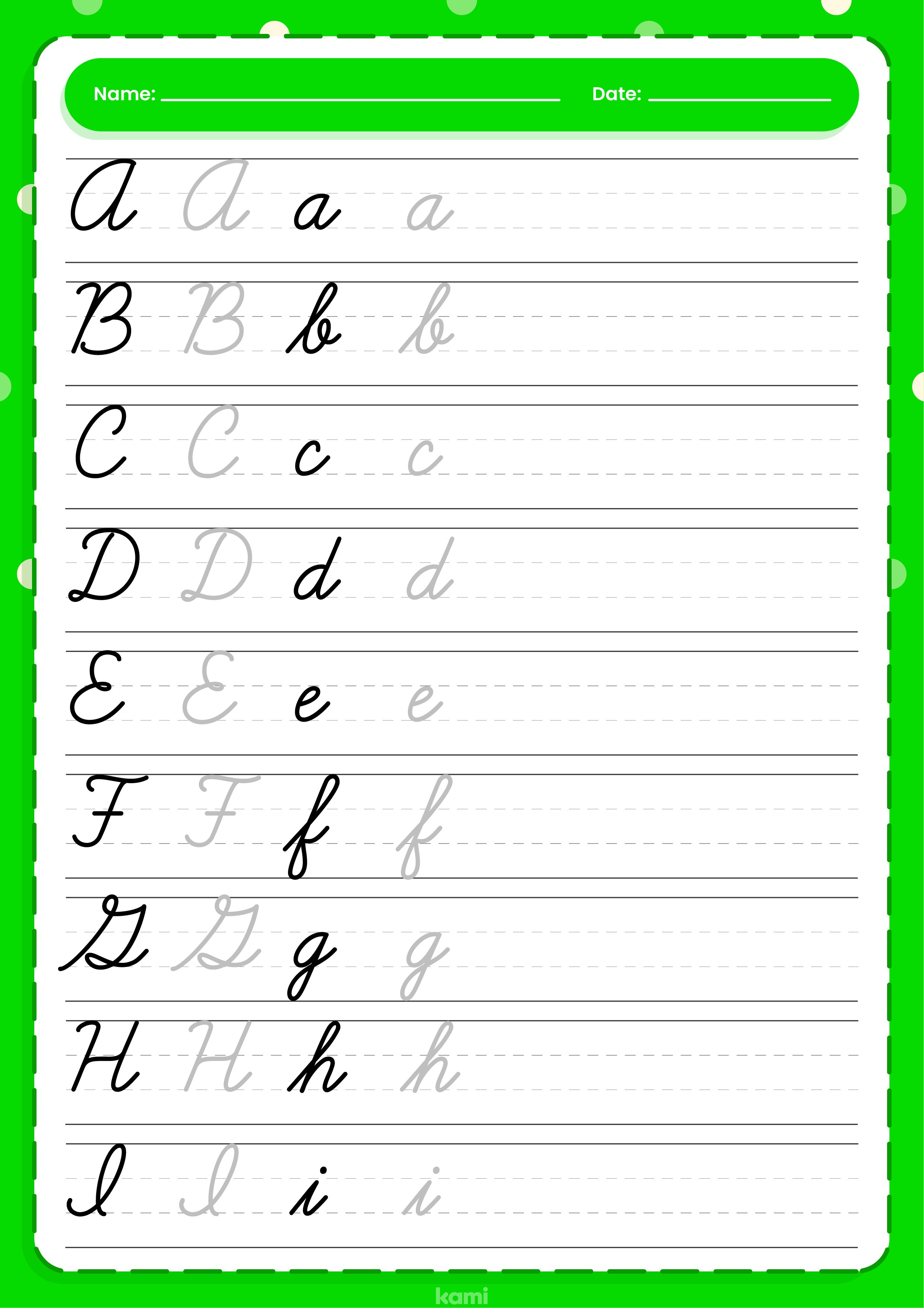
Letter writing worksheet for class 2 frameworks must prioritize anatomical handwriting mechanics, ensuring children develop proper neuromuscular memory for both uppercase and lowercase characters. Consistent exposure to regulated line heights—specifically top, midline, and baseline guidelines—trains young writers to maintain uniform letter size and proportional spacing. Furthermore, incorporating foundational exercises from coloring worksheets can help loosen stiff finger joints before formal writing sessions commence. Educational standards demand that second-grade typography instruction moves beyond mere mimicry into deliberate, conscious stroke sequencing.
Key Specifications and Breakdown
| Skill Level / Grade | Target Stroke / Mechanical Focus | Pedagogical / Coaching Cue |
|---|---|---|
| Class 2 (Early Term) | Baseline anchoring and vertical descent | “Start at the sky line and pull straight down to the grass.” |
| Class 2 (Mid Term) | Round letter closure (a, c, d, g) | “Curve around like a ball before closing the circle.” |
| Class 2 (Advanced Term) | Ascender and descender proportionality | “Make sure tall letters touch the top line without floating.” |
Handwriting legibility in second grade directly correlates with academic achievement, requiring systematic instruction in pencil control and spatial orientation — American Occupational Therapy Association (AOTA)
Step-by-Step Practical Application and Guidelines
Executing an effective letter writing worksheet for class 2 routine requires a systematic approach that moves from guided tracing to independent memory reproduction. Begin each session by having the learner trace dotted-line exemplars while verbalizing the stroke direction aloud. Next, transition the child to partial-cue segments where only starting dots are provided. Finally, require independent generation across unassisted primary lines to test retention. Monitor posture strictly: feet flat on the floor, paper tilted slightly matching the forearm angle, and a relaxed tripod grasp maintained without excessive knuckle hyperextension.
Common Challenges and How to Avoid Them
Letter reversal and inconsistent letter sizing represent the most frequent hurdles encountered when implementing a letter writing worksheet for class 2. Educators and parents can eliminate reversals by embedding directional arrows and color-coded starting dots directly into every writing task. If a child demonstrates hand fatigue or grip degradation, immediately halt the session to prevent entrenched muscle strain. Remediation should focus on shorter, highly concentrated writing bursts rather than extended, fatiguing worksheets that reinforce poor biomechanical habits.
💬 Frequently Asked Questions
Explore More Free Handwriting and Character Worksheets
Expanding early literacy toolkits requires access to diverse, high-quality practice materials tailored to every developmental milestone. Educators and parents can explore the comprehensive library available directly at CharacterWritingWorksheets.com to download additional resources supporting early writing proficiency.
Worksheet Previews & Reference Materials