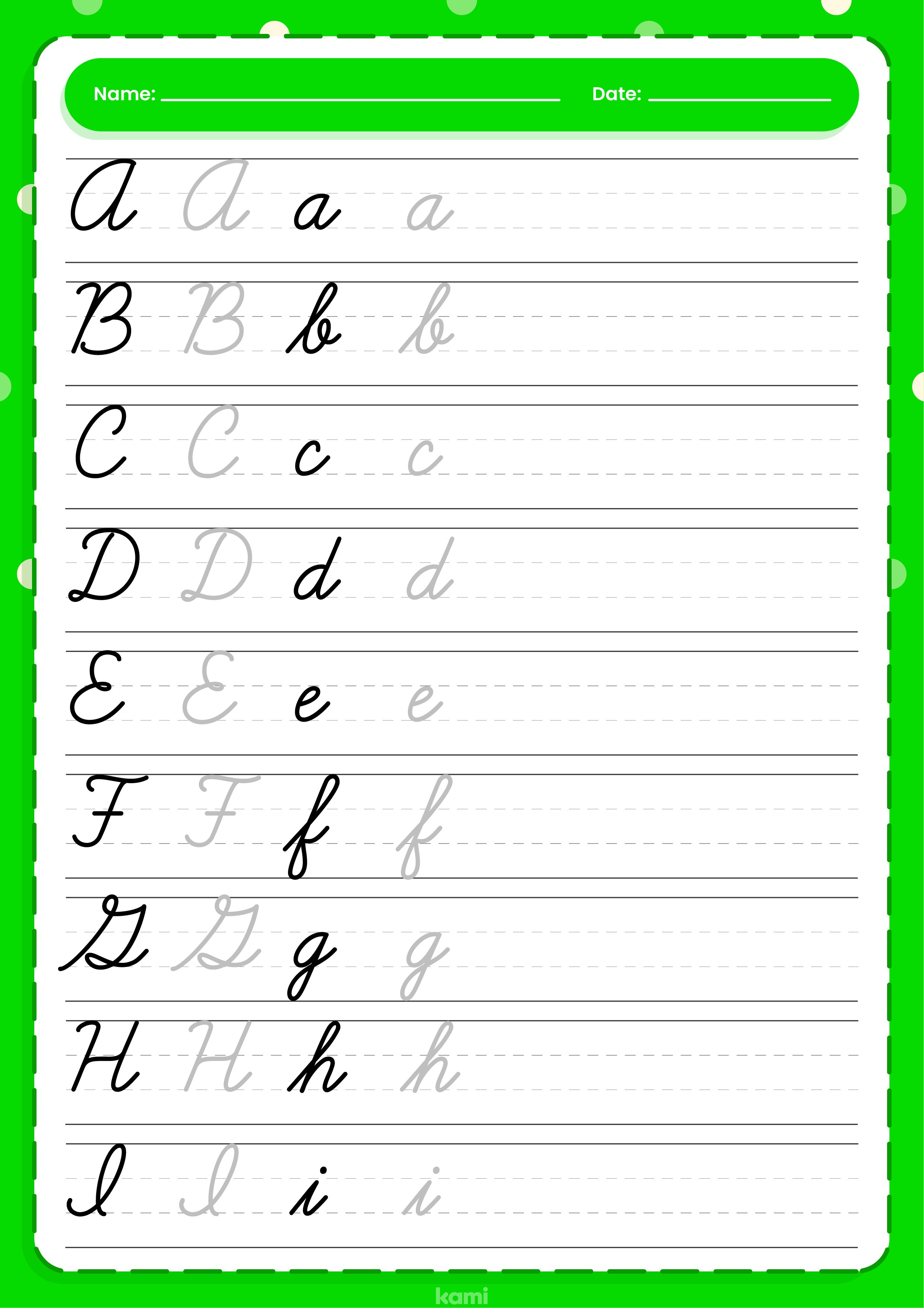
Introduction
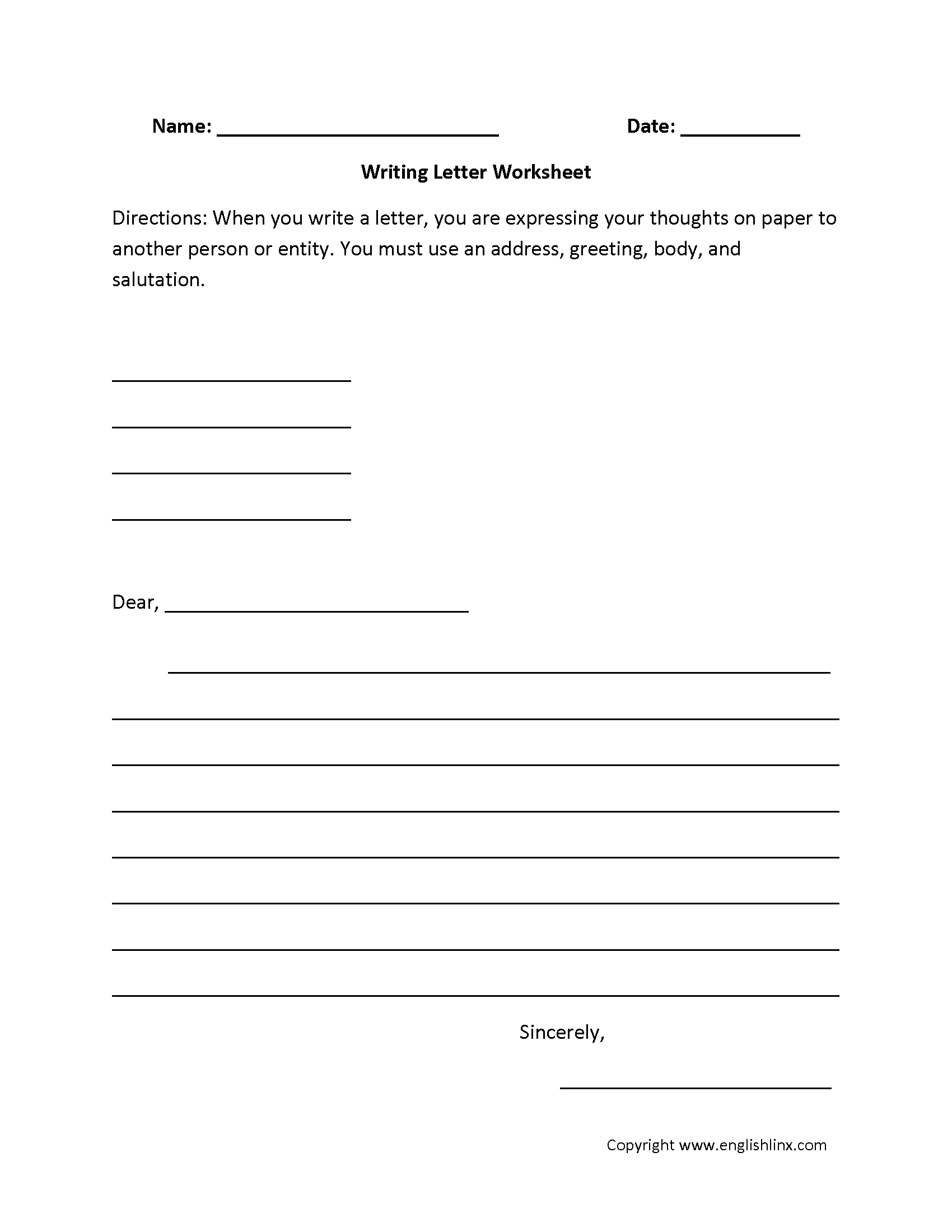
A letter writing worksheet for class 3 serves as a targeted pedagogical tool designed to bridge the gap between basic letter formation and fluent cursive or advanced print penmanship. According to the American Occupational Therapy Association (AOTA), fine motor development and sustained grip control during third-grade writing tasks directly correlate with spatial organization and academic stamina. Educators utilize these structured practice sheets to reinforce uniform letter height, proper baseline placement, and automatic stroke sequencing without relying on digital devices. Mastering these foundational mechanics prevents hand fatigue, establishes a legible personal style, and ensures that writing speed matches cognitive development during academic assessments.
Handwriting Practice Snapshot:
- Core Focus: Refining letter proportions, stroke automation, and connective spacing.
- Target Scope: Third-grade elementary classrooms, homeschool environments, and occupational therapy clinics.
- Key Recommendation: Pair daily printable practice sheets with consistent posture monitoring and dynamic tripod grip checks.
Core Principles and Detailed Overview
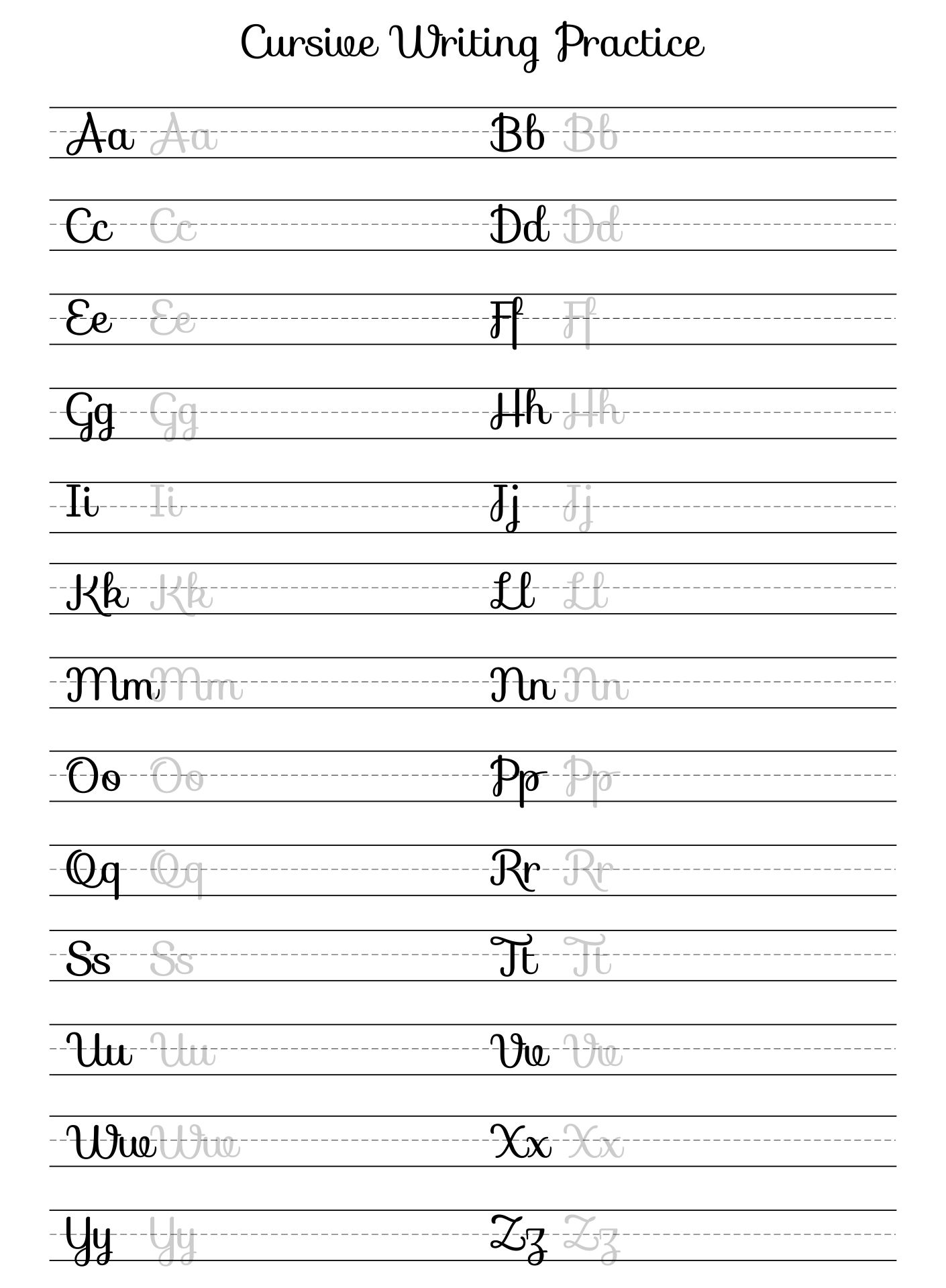
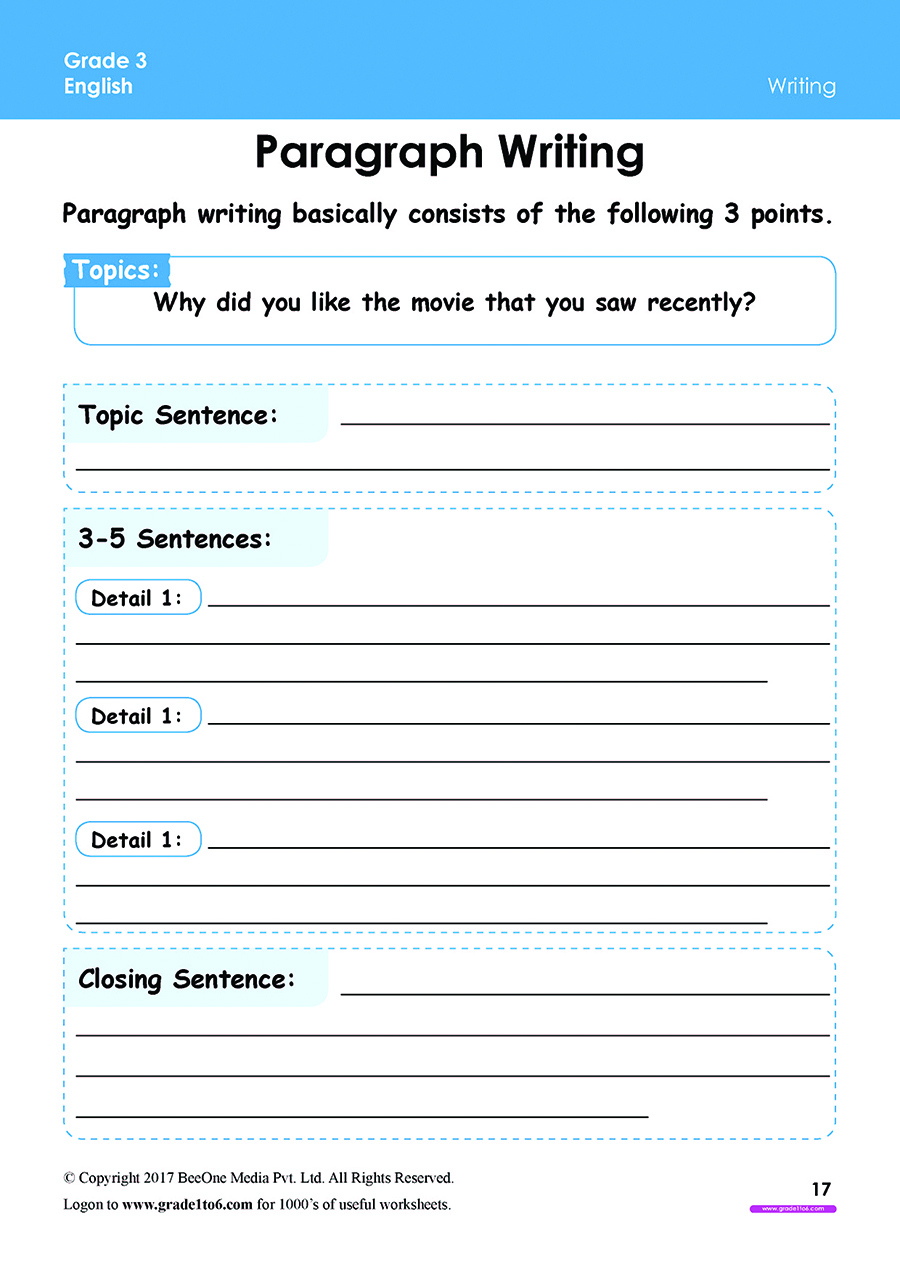
Letter writing worksheet for class 3 layouts focus heavily on reducing line width to three-eighths of an inch while maintaining specific ascender and descender zones. Standard third-grade printing and transition-to-cursive modules require deliberate practice to eliminate common bad habits such as reversed strokes or improper pencil lifts. Educators integrate these resources within daily literacy centers to cultivate muscle memory, ensuring that letter production becomes an unconscious, fluid process. Utilizing structured letter writing worksheets allows students to internalize spatial boundaries, which ultimately supports complex composition tasks and creative writing assignments.
Key Specifications and Breakdown
| Skill Level / Grade | Target Stroke / Mechanical Focus | Pedagogical / Coaching Cue |
|---|---|---|
| Class 3 Transition | Consistent slant, loop closure, and baseline alignment | “Anchor the wrist and pull straight down toward the body.” |
| Advanced Print | Proportional sizing, uniform spacing, and curve continuity | “Keep uppercase capitals touching the top headline.” |
| Remedial Support | Reversal correction and directional stroke sequencing | “Start at the top dot and trace clockwise without lifting.” |
Fine Motor Control and Writing Readiness Standard — American Occupational Therapy Association (AOTA)
Step-by-Step Practical Application and Guidelines
Implementing a daily handwriting routine requires a methodical sequence of physical preparation, guided tracing, and independent execution. Instructors should begin each session by evaluating student posture, ensuring feet rest flat on the floor and the non-dominant hand stabilizes the paper surface. Educators then introduce the target characters on specialized tracing worksheets to establish correct directional habits before transitioning to blank-lined media. Regular feedback during the copying phase prevents the entrenchment of incorrect motor pathways, ensuring long-term legibility and writing confidence across all academic subjects.
Common Challenges and How to Avoid Them
Hand fatigue, erratic letter sizing, and mirrored letter reversals represent the most frequent obstacles encountered during third-grade penmanship instruction. Educators mitigate hand cramping by enforcing ergonomic grip adjustments and integrating preparatory fine motor drills from available preschool worksheets to strengthen intrinsic hand muscles. When students rush through exercises, line boundaries are frequently ignored; therefore, establishing a quality-over-quantity rule ensures deliberate focus on each individual stroke. Furthermore, incorporating engaging coloring worksheets into the weekly schedule helps maintain student interest while simultaneously building finger dexterity and hand-eye coordination.
💬 Frequently Asked Questions
Explore More Free Handwriting and Character Worksheets
Developing exceptional penmanship requires a diverse library of scaffolded practice materials tailored to every developmental milestone in the elementary classroom. Educators, parents, and therapists can access an extensive collection of specialized printables, including targeted name practice worksheets and advanced writing templates, directly through CharacterWritingWorksheets.com to support comprehensive literacy goals.
Worksheet Previews & Reference Materials