Introduction
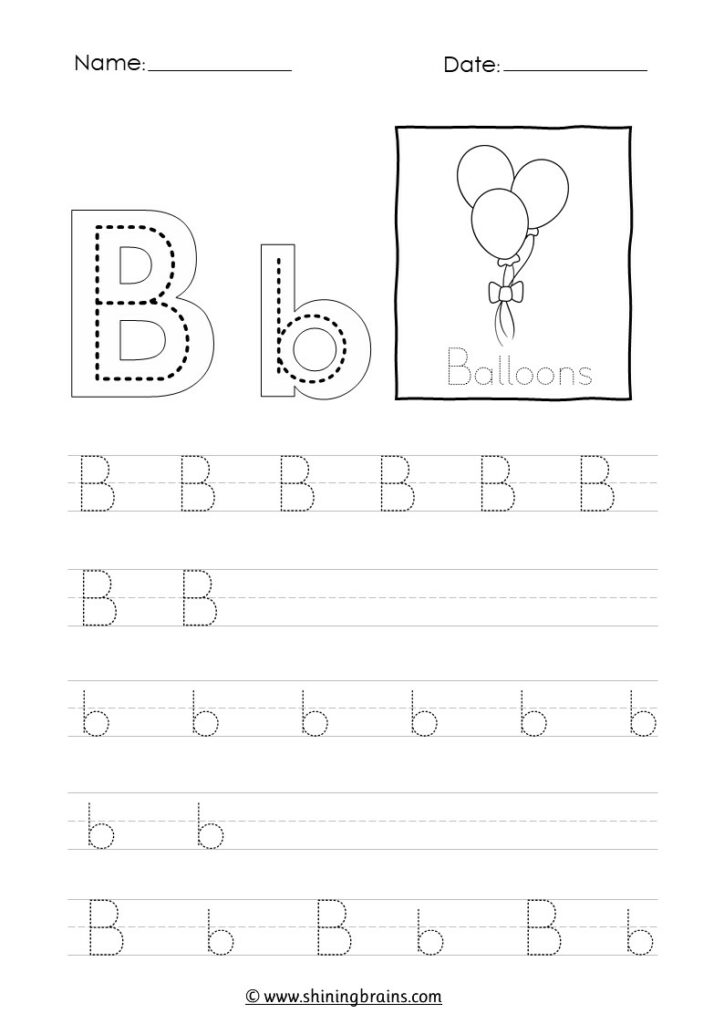
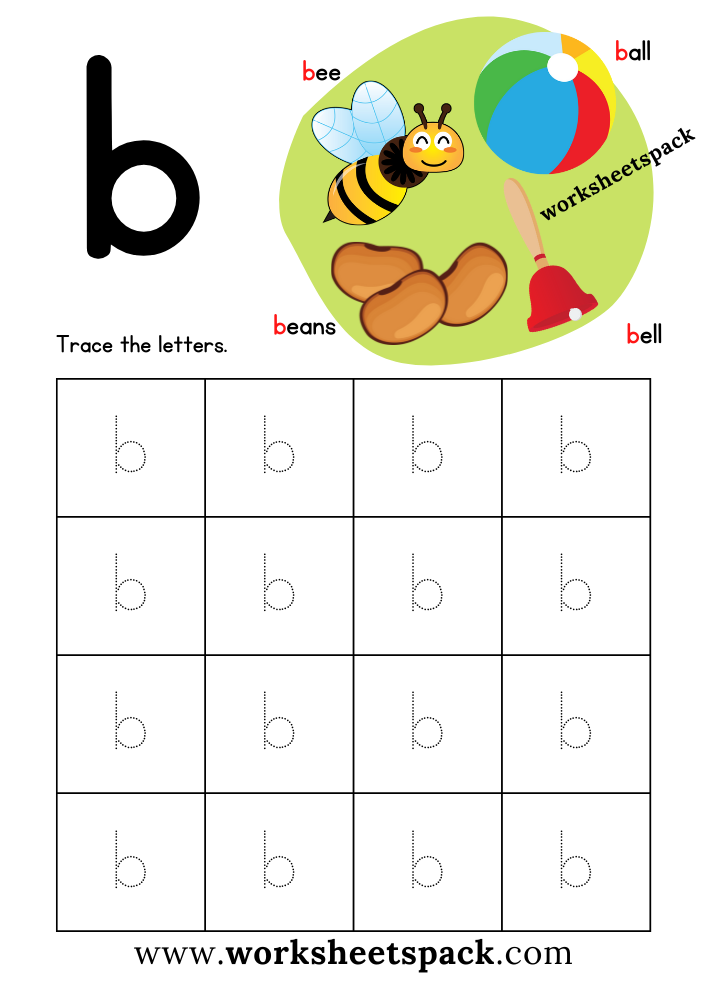
Writing letter b worksheets for kindergarten provide structured, multi-sensory practice sheets designed to develop vertical line control and continuous curved motion for early literacy mastery. According to the National Association for the Education of Young Children (NAEYC), purposeful early writing experiences built on fine motor development significantly enhance letter recognition and subsequent reading fluency. Educators utilize these foundational materials alongside broader preschool worksheets to build early pencil grip strength and spatial awareness before tackling complex sentences.
Handwriting Practice Snapshot:
- Core Focus: Mastering the downward vertical stroke and continuous clockwise loop required for letter b.
- Target Scope: Kindergarten classrooms, homeschool settings, and occupational therapy interventions.
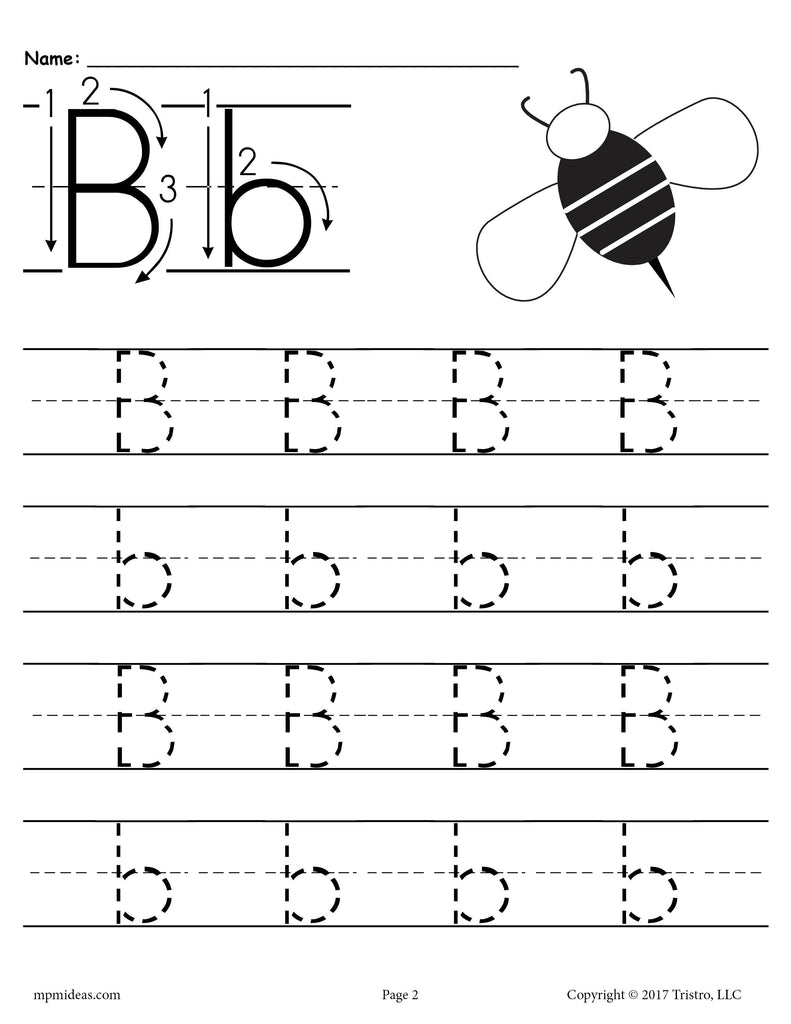
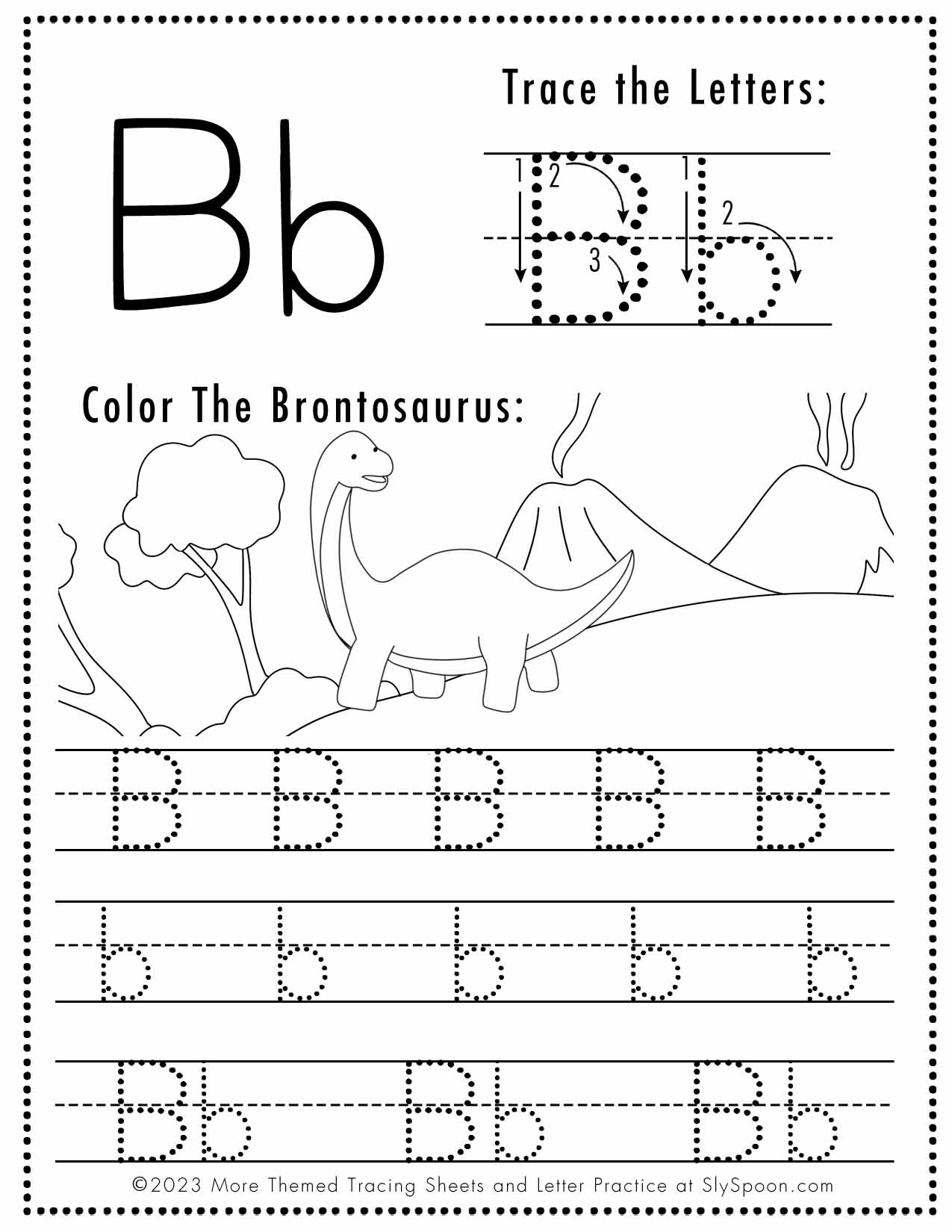
- Key Recommendation: Emphasize the “pull down, up, and around” stroke sequence to prevent letter reversals with ‘d’.
Core Principles and Detailed Overview
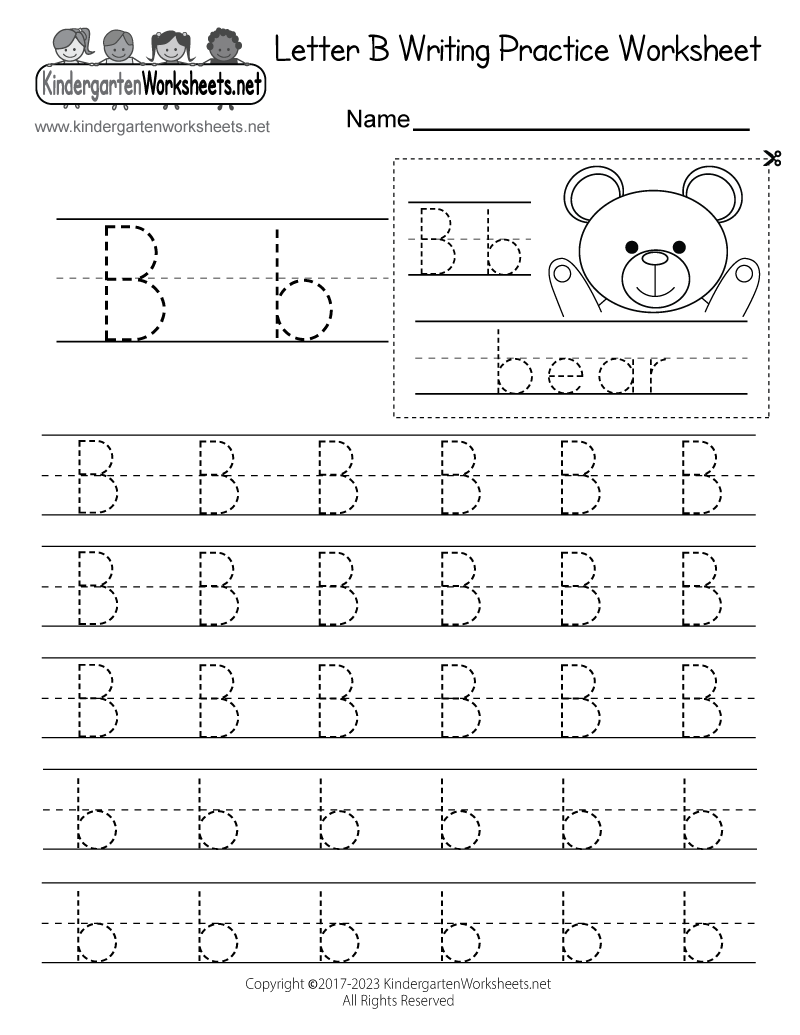
Writing letter b worksheets for kindergarten establish mechanical precision by separating stroke formation into distinct directional steps that prevent common letter reversals. Kindergarten literacy frameworks emphasize that lowercase ‘b’ requires a top-to-bottom vertical pull followed immediately by tracing back up the same line to form a closed right-facing bowl. When paired with targeted tracing worksheets, learners build muscle memory through tactile arrow cues and numbered dot sequences that guide the hand organically across standard three-line kindergarten writing paper.
Key Specifications and Breakdown
| Skill Level / Grade | Target Stroke / Mechanical Focus | Pedagogical / Coaching Cue |
|---|---|---|
| Early Kindergarten | Top-to-bottom vertical line stability | “Start at the sky line, pull straight down to the ground.” |
| Mid Kindergarten | Closed right-facing loop attachment | “Trace back up and bump around to the right.” |
| Late Kindergarten | Independent proportional letter spacing | “Keep the stick tall and the belly small.” |
Developmental progression in early childhood requires consistent kinesthetic feedback paired with visual cues to transition fine motor control from large muscle groups to precise finger-thumb opposition. — American Occupational Therapy Association (AOTA)
Step-by-Step Practical Application and Guidelines
Executing effective letter formation lessons involves demonstrating the correct start point on specialized letter writing worksheets before independent practice begins. Instructors should first model the stroke in the air, followed by finger-tracing oversized templates, and finally moving to pencil-on-paper exercises. Consistency in verbal coaching cues ensures young learners associate the physical movement of the hand with the auditory sound and visual shape of the letter.
Common Challenges and How to Avoid Them
Visual-motor confusion between lowercase ‘b’ and ‘d’ remains the most frequent hurdle during early handwriting instruction, often mitigated by emphasizing the “bat comes before the ball” sequence. Educators can resolve directional reversals by incorporating multisensory reinforcement, such as kinetic tracing, verbal mnemonics, and integrating complementary coloring worksheets that highlight the physical orientation of target objects.
💬 Frequently Asked Questions
Explore More Free Handwriting and Character Worksheets
Accessing comprehensive literacy resources supports young learners as they build essential fine-motor control and early writing fluency. Explore the complete collection of free educational tools available directly through the primary hub at CharacterWritingWorksheets.com to elevate daily classroom instruction and home practice sessions.
Worksheet Previews & Reference Materials