Introduction
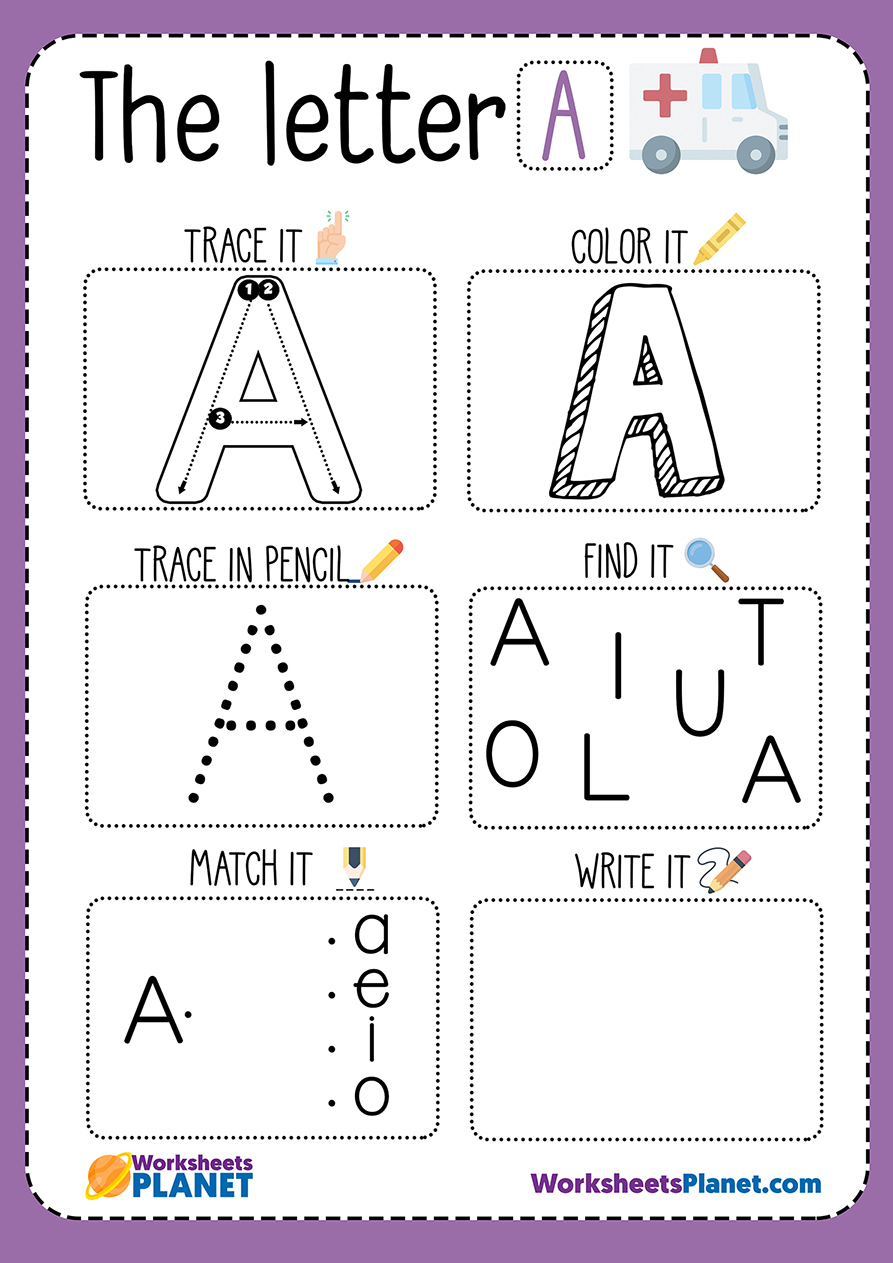
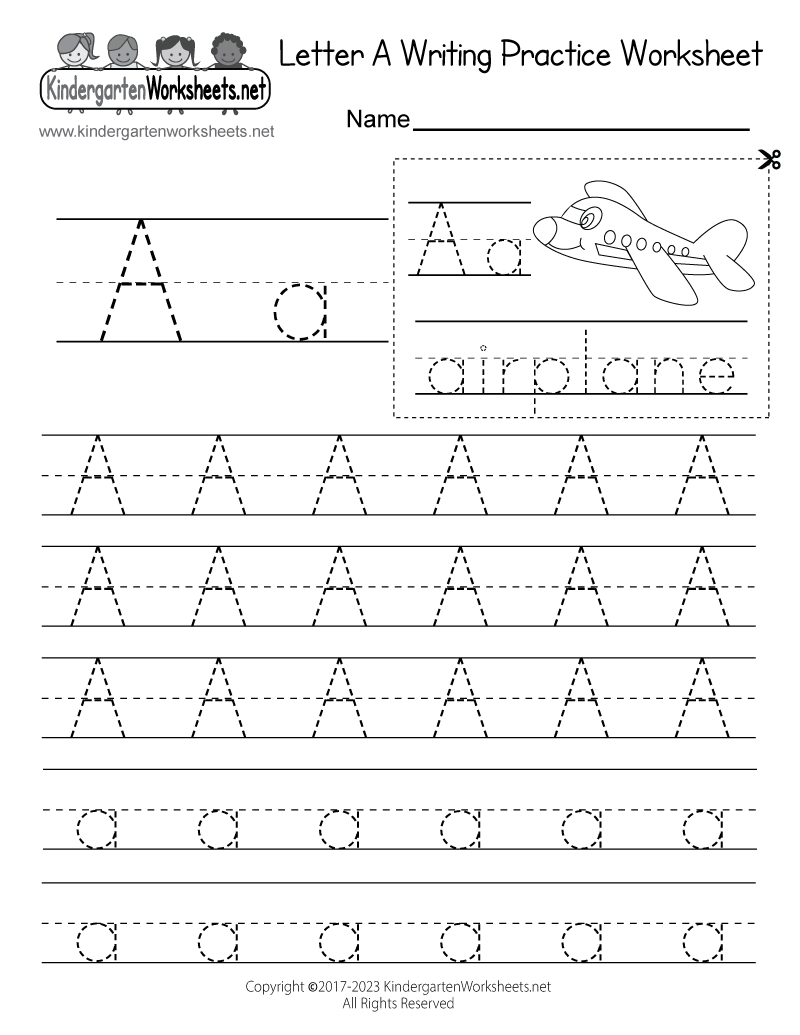
A handwriting letter a worksheet provides structured tracing and freehand writing exercises designed to teach children proper stroke formation, baseline placement, and fine-motor control. According to the American Occupational Therapy Association (AOTA), explicit instruction in foundational letter formation mechanics during early childhood is critical for developing legible, efficient, and automatic handwriting skills. Utilizing targeted letter writing worksheets helps young learners build the muscle memory required to transition from basic pre-writing shapes to fluent manuscript writing. Early educators and parents rely on these specialized printables to scaffold letter recognition into consistent physical execution, setting the stage for long-term literacy success.
Handwriting Practice Snapshot:
- Core Focus: Mastering the counter-clockwise curved stroke and vertical straight line for the letter ‘a’.
- Target Scope: Preschoolers, kindergarteners, and early elementary students building foundational penmanship.
- Key Recommendation: Combine tactile tracing with structured tracing worksheets before transitioning to unguided primary lines.
Core Principles and Detailed Overview
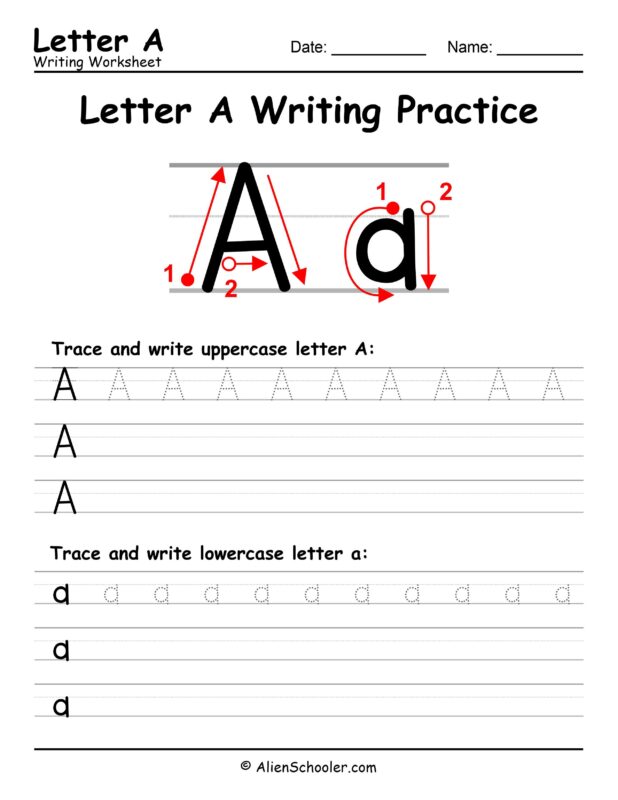
Mastering the lowercase letter ‘a’ requires precise coordination between a continuous curved stroke and a straight downstroke. A high-quality worksheets collection isolates this character to prevent cognitive overload, allowing learners to focus exclusively on starting below the midline, curving up and around to the starting point, and pulling straight down to the baseline. This specific sequence prevents common reversal patterns and ensures fluid integration into broader preschool worksheets curricula. Educators must ensure that practice sheets incorporate directional arrows and dotted starting dots to guide the pencil continuously without unnecessary lifting.
Key Specifications and Breakdown
| Skill Level / Grade | Target Stroke / Mechanical Focus | Pedagogical / Coaching Cue |
|---|---|---|
| Pre-K / Early Learners | Continuous curve-left and vertical pull | “Curve around like a magic C, close the gate, and pull straight down.” |
| Kindergarten | Proportional scaling within standard primary lines | “Touch the midline, bounce off the baseline, and stay inside the box.” |
| 1st Grade & Beyond | Automaticity and speed in word integration | “Keep the pencil moving smoothly without lifting during the circle.” |
Explicit instruction in foundational stroke sequences directly correlates with long-term writing speed, legibility, and reduced hand fatigue in elementary students. — American Occupational Therapy Association (AOTA)
Step-by-Step Practical Application and Guidelines
Implementing a structured handwriting letter a worksheet session begins with verifying correct pencil grip and upright seating posture to support optimal wrist mobility. Instructors should first model the stroke sequence on a large vertical surface, such as a whiteboard, before directing learners to trace oversized examples on paper. Students trace the faded models using continuous pressure, gradually moving toward independent dotted lines and finally unassisted box writing. Incorporating supplementary creative tasks like coloring worksheets can reinforce letter-sound association while giving small hand muscles a necessary developmental break.
Common Challenges and How to Avoid Them
Reversing the letter ‘a’ into a ‘d’ or starting the stroke from the bottom baseline are the most frequent obstacles encountered during early penmanship instruction. Instructors overcome these errors by enforcing the “magic c” starting cue, which naturally forces the pencil to approach the formation from the correct upper-right quadrant. Providing specialized practice modules, such as targeted name practice worksheets that highlight recurring vowel sounds, helps learners contextualize letter mechanics within familiar, highly motivating words.
💬 Frequently Asked Questions
Explore More Free Handwriting and Character Worksheets
Accessing comprehensive educational tools is essential for maintaining engagement and steady progression in early literacy development. Parents and educators can explore an extensive library of printable resources, targeted exercises, and foundational printables by visiting the main hub at CharacterWritingWorksheets.com to support every stage of a child’s writing journey.
Worksheet Previews & Reference Materials