Introduction
Writing letters activity sheets provide structured pedagogical frameworks designed to build foundational handwriting mechanics, correct stroke sequences, and finger dexterity in early learners. According to the National Association for the Education of Young Children (NAEYC), purposeful, developmentally appropriate writing experiences support literacy acquisition by cementing the neurological connection between visual symbols and physical production. Early childhood educators and parents utilize these specialized printable pages to guide children past random scribbling and into deliberate, controlled letter formation. Mastering these foundational physical skills reduces cognitive load during composition, allowing learners to focus higher-order thinking on spelling, grammar, and creative expression. Structured instruction via specialized letter writing worksheets ensures students build accurate motor memory from the very first stroke.
Handwriting Practice Snapshot:
- Core Focus: Systematic stroke sequencing and fine-motor coordination using guided writing letters activity sheets.
- Target Scope: Preschool through early elementary classrooms and home-school environments.
- Key Recommendation: Implement daily short-duration practice sessions emphasizing directional accuracy over sheer writing volume.
Core Principles and Detailed Overview
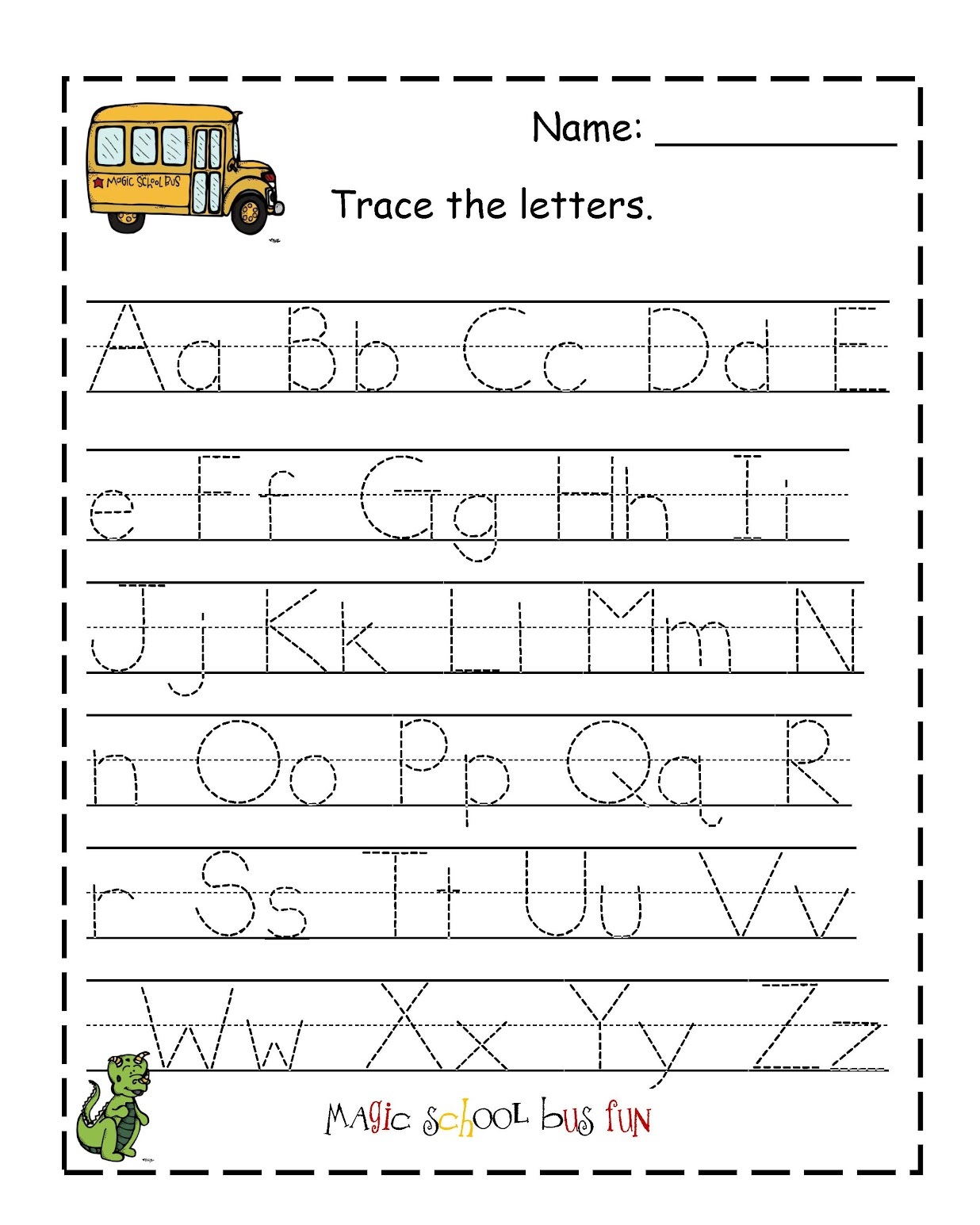
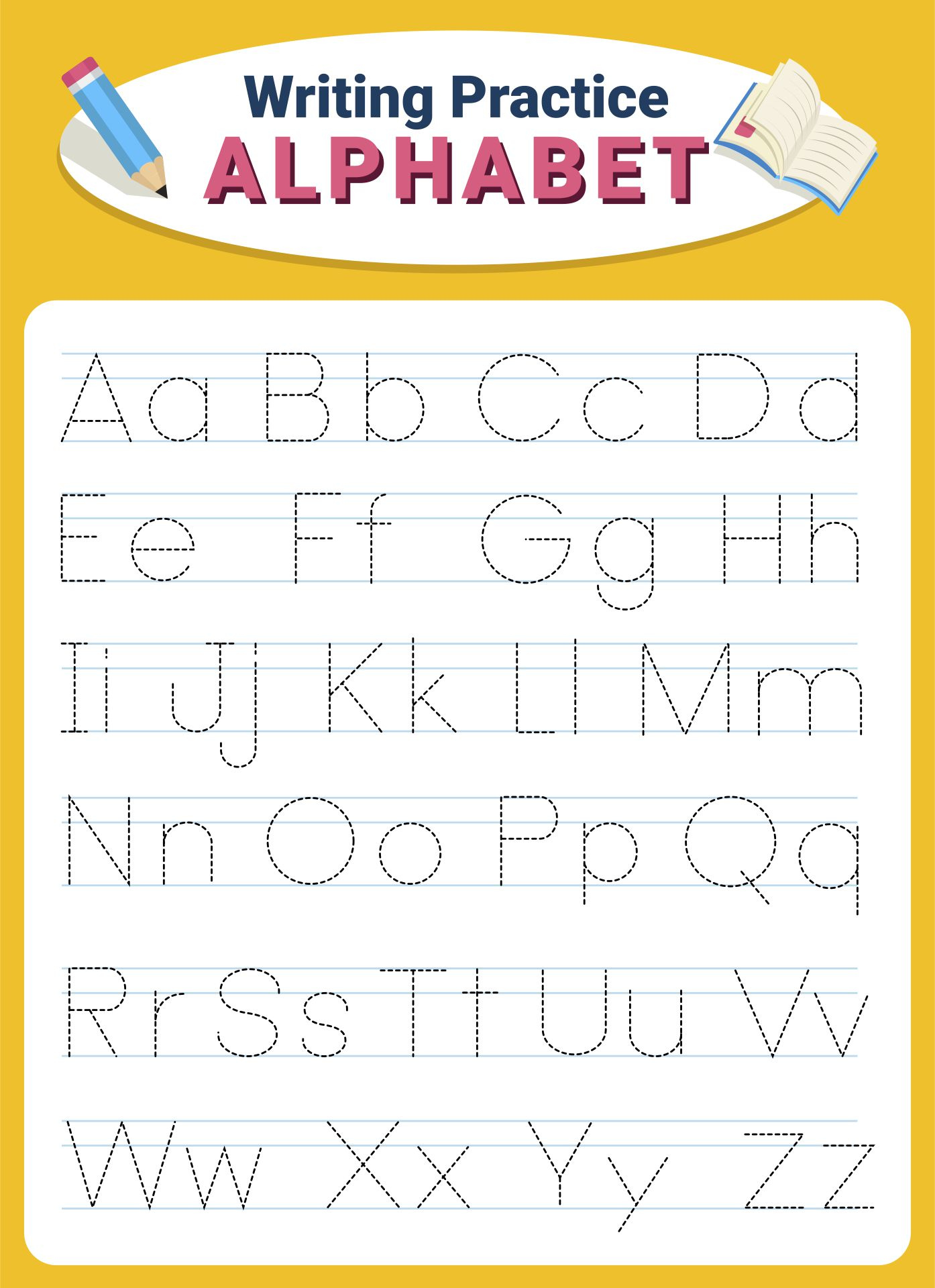
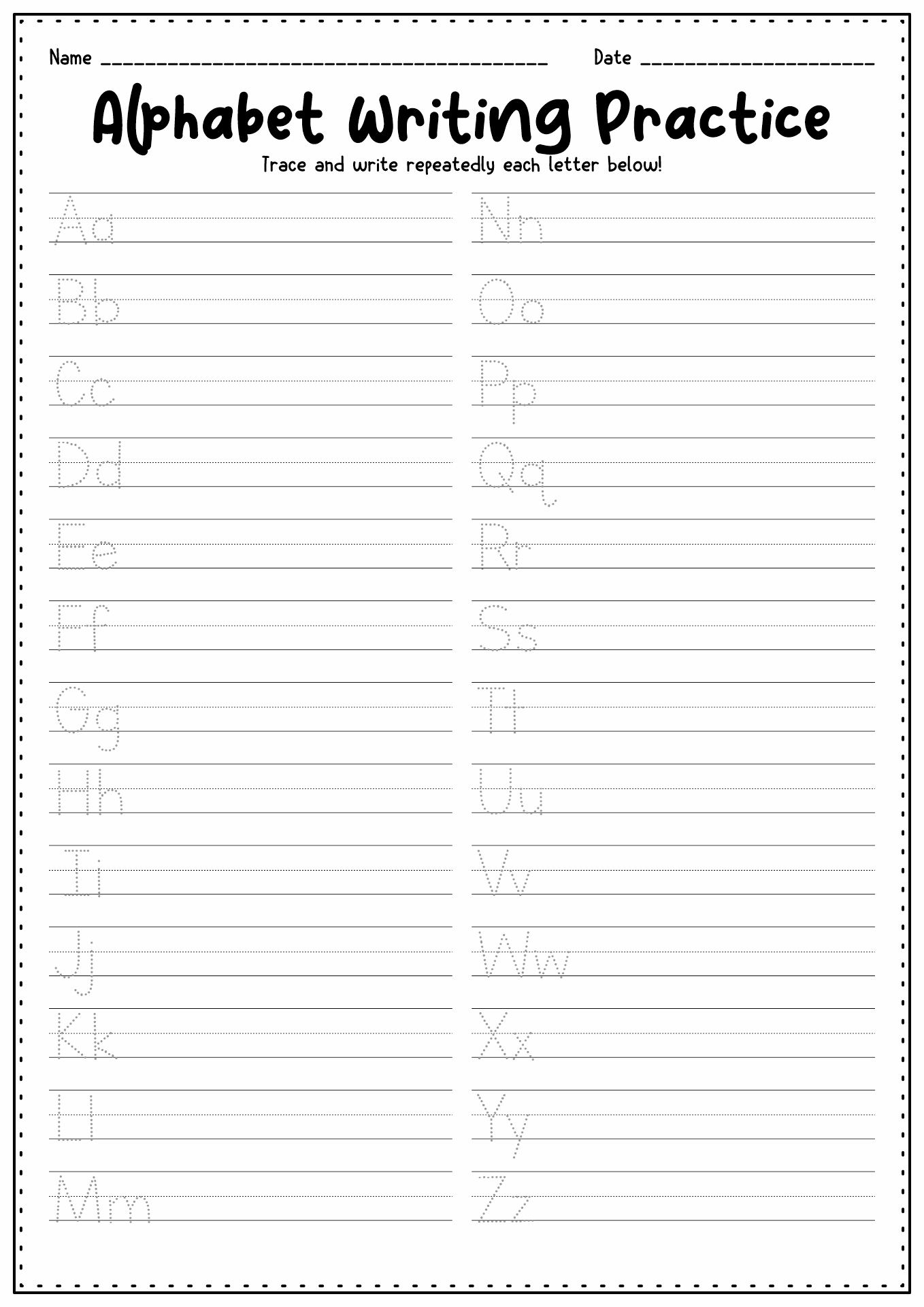
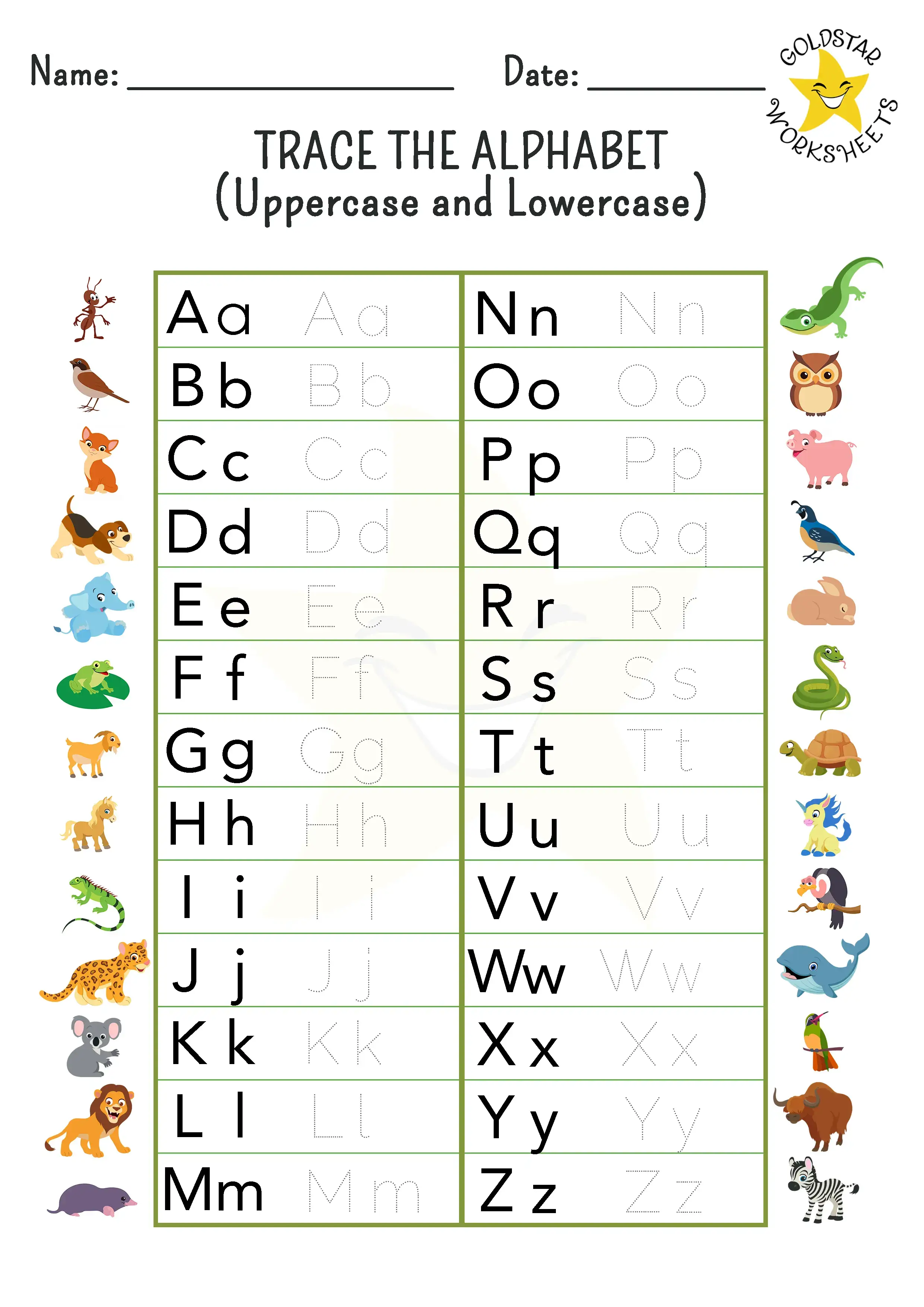
Effective writing letters activity sheets rely on explicit starting dots, directional arrows, and proportional grid lines to teach proper spatial awareness and baseline orientation. Handwriting mechanics require continuous visual-motor integration, where the eyes direct the hand to replicate exact vertical, horizontal, diagonal, and curved lines. Educators must introduce letter families based on similar starting strokes—such as magic c letters (c, o, a, d, g, q) and vertical line letters (l, t, i, j, h, b, k)—to maximize cognitive efficiency and reduce muscle fatigue. Integrating tracing worksheets alongside standard writing exercises bridges the gap between passive observation and active independent production. Consistency in baseline positioning and uniform letter sizing prevents common developmental regressions like persistent letter reversals and floating text.
Key Specifications and Breakdown
| Skill Level / Grade | Target Stroke / Mechanical Focus | Pedagogical / Coaching Cue |
|---|---|---|
| Preschool (Ages 3-4) | Vertical and horizontal lines, basic curves | “Start at the top sky line and pull straight down to the grass line.” |
| Kindergarten (Ages 5-6) | Uppercase and lowercase letter differentiation | “Touch the top line, curve around, and rest flat on the bottom baseline.” |
| Early Elementary (Ages 6-7) | Proportional spacing, ascenders, and descenders | “Keep the tail below the baseline; let the tall sticks touch the very top.” |
Handwriting instruction should prioritize correct motor planning, consistent baseline adherence, and proper pencil grip over mere speed or quantity of completed pages. — American Occupational Therapy Association (AOTA)
Step-by-Step Practical Application and Guidelines
Executing writing letters activity sheets requires a sequential teaching methodology that moves from gross-motor air writing to precise pencil-on-paper execution. Begin each session by having learners trace oversized models with an index finger to reinforce the correct directional pathways. Next, transition students to writing utensils while actively monitoring a functional tripod grasp, ensuring fingers rest approximately one inch above the sharpened tip. Instructors should supervise the initial three to five repetitions on any given page to catch incorrect stroke starts immediately before muscle memory solidifies errors. Following initial letter practice, educators can transition children to name practice worksheets to personalize engagement and foster a sense of individual identity through writing.
Common Challenges and How to Avoid Them
Frequent handwriting struggles on writing letters activity sheets typically stem from premature introduction of narrow lines, improper writing grips, or rushing through directional stroke arrows. Teachers and parents often encounter the persistent reversal of symmetrical letters like ‘b’ and ‘d’, which can be corrected by anchoring the starting stroke with a physical verbal cue such as starting with the bat before the ball. If a child demonstrates hand fatigue or tight fisting, intersperse fine-motor warm-ups like clay manipulation or finger-tapping exercises prior to pencil work. Utilizing supplementary preschool worksheets helps build foundational hand strength before demanding sustained writing endurance. Maintaining a positive, low-stress environment ensures children associate letter practice with confidence rather than frustration.
💬 Frequently Asked Questions
Explore More Free Handwriting and Character Worksheets
Building strong literacy foundations requires continuous access to versatile, high-quality practice materials designed for diverse developmental stages. Educators and parents can expand their instructional toolkits by exploring the comprehensive collections available across CharacterWritingWorksheets.com. Whether transitioning from basic fine-motor drills to complex sentence composition, integrating specialized resources like coloring worksheets keeps early learners motivated and engaged.
Visual Reference Gallery