Introduction
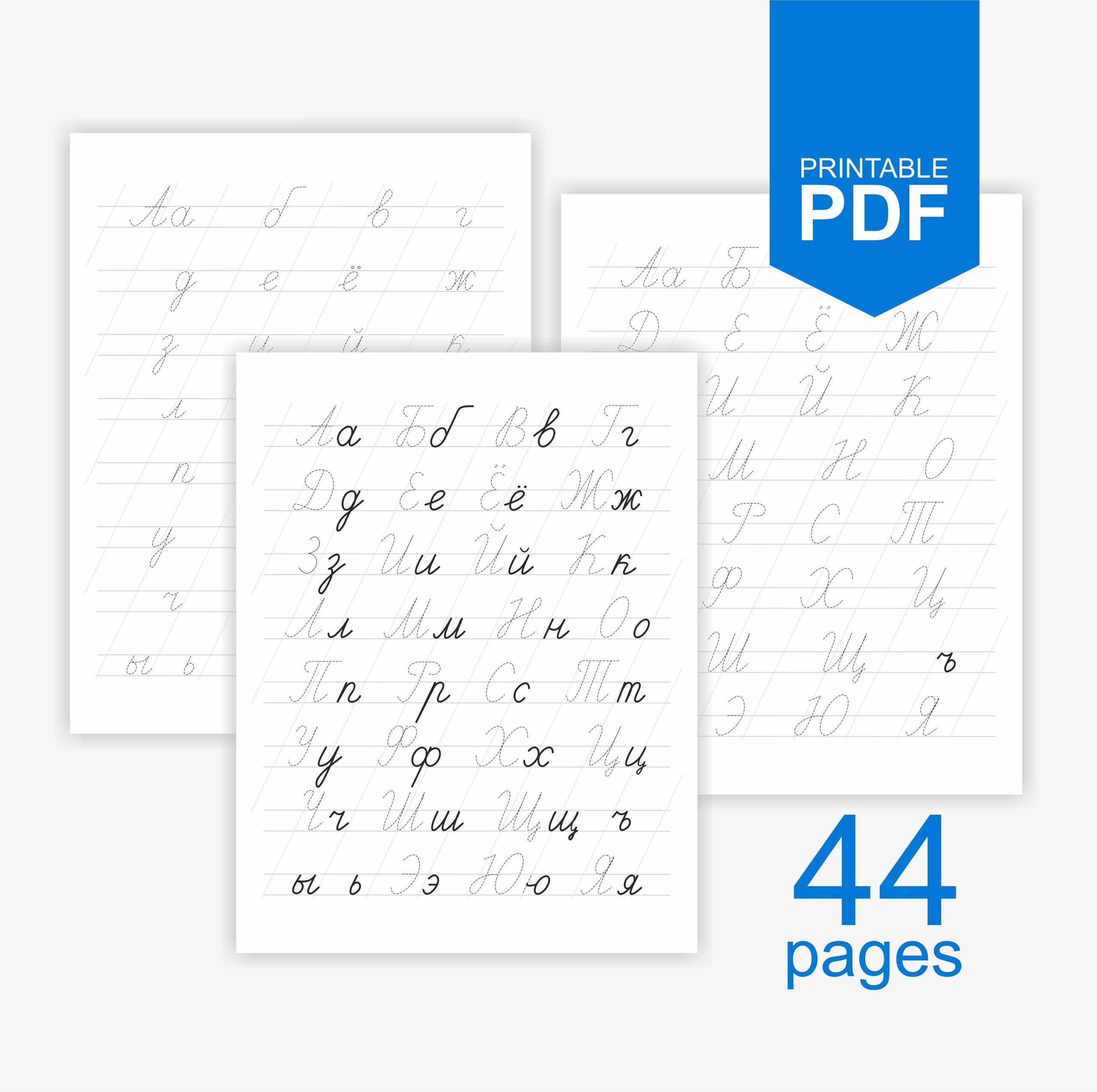
Introducing a new alphabet to young learners requires a careful balance of visual tracking, spatial awareness, and precise motor control. The free printable cyrillic handwriting sheet offers a structured pathway for children mastering character formation in languages like Russian, Ukrainian, or Bulgarian. Little hands often grip pencils too tightly when faced with unfamiliar letter shapes, leading to early hand fatigue and frustration. Educators and occupational therapists frequently observe that breaking down complex Slavic characters into manageable, repeatable strokes transforms a daunting writing task into an engaging developmental exercise.
💡 Educational Key Takeaways:
- Core Skill: Structured Cyrillic Handwriting Sheet focused on developing pencil grip, stroke control, and early literacy/math confidence.
- Target Scope: Suited for homeschoolers, preschool, kindergarten, and elementary learners.
- Best Recommendation: Practice 10–15 minutes daily with ergonomic writing tools to reinforce muscle memory without hand fatigue.
What This Worksheet Covers
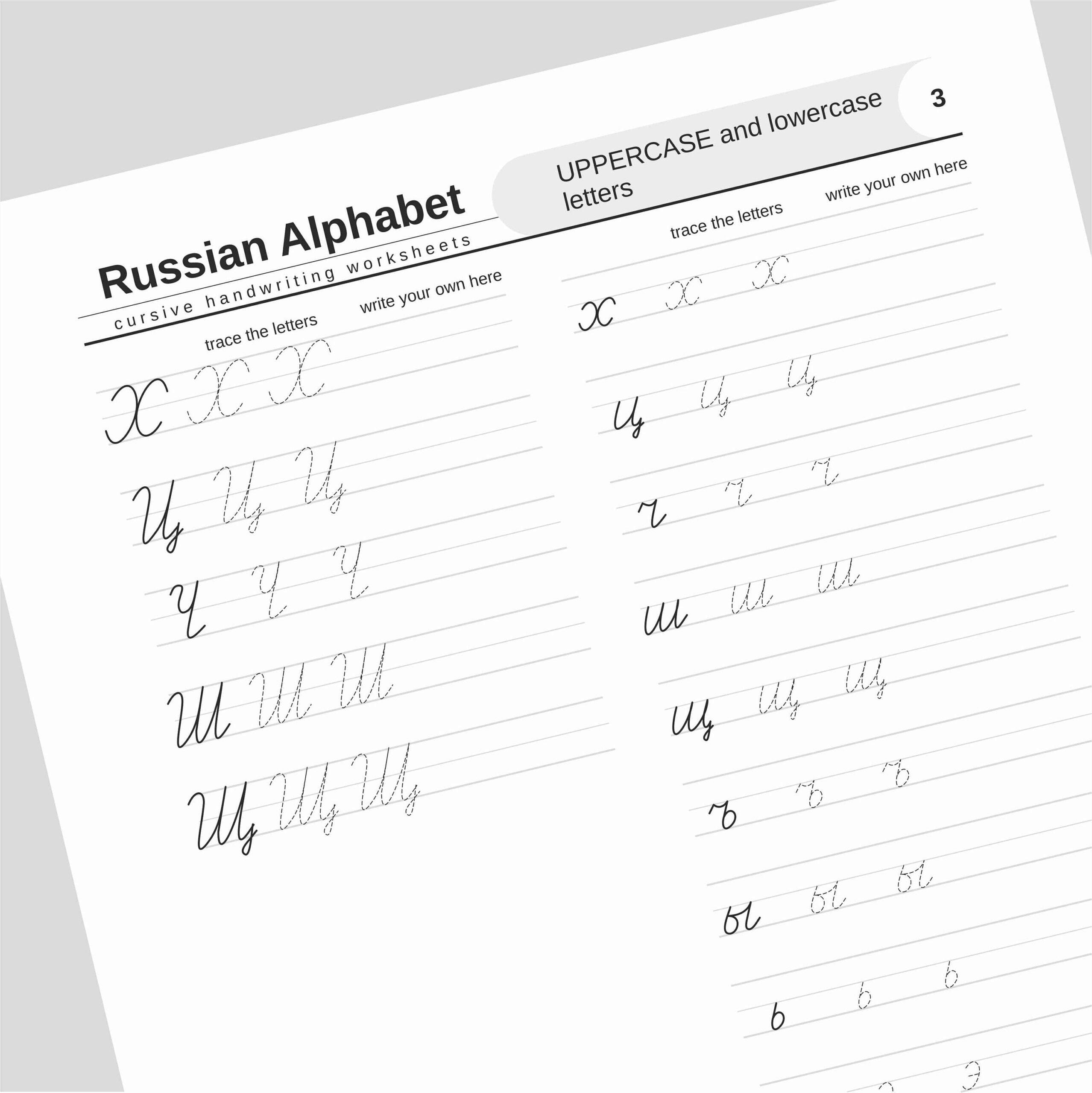
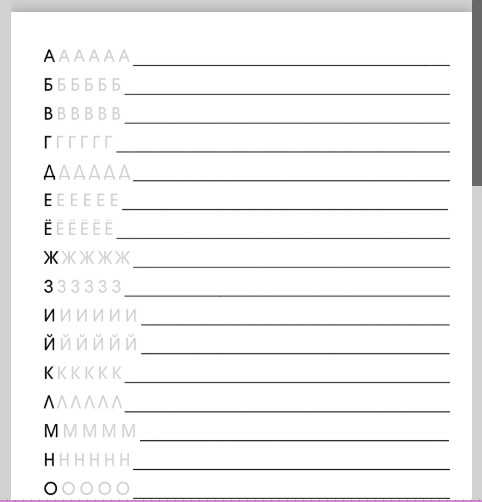
This printable resource focuses specifically on correct letter formation, stroke order, and proportional spacing within standard primary writing lines. Children transition from basic pre-writing lines found in Tracing Worksheets to forming distinct Cyrillic graphemes. The layout provides ample white space, directional arrows, and dotted models that guide the pencil tip smoothly across the page. Every row targets specific motor patterns, ensuring that loops, verticals, and horizontal crossbars are executed with proper biomechanical efficiency.
Key Learning Outcomes
Regular engagement with these targeted writing exercises builds crucial neuromuscular pathways between the hand and the brain. According to the American Occupational Therapy Association, foundational fine motor tasks directly support academic success by enabling children to focus on content rather than the mechanics of writing. Learners develop bilateral coordination, pencil pressure regulation, and visual-motor integration. As they practice repeatedly, letter sequencing becomes second nature, laying the groundwork for fluent bilingual literacy or modern foreign language acquisition.
How to Use This Worksheet
Adults should always model the correct pencil grasp before handing over the writing utensil, ensuring the thumb and index finger pinch the barrel while resting comfortably on the middle finger. Begin by having the child trace the large starter letters with an index finger to build kinesthetic memory before touching wood or graphite to paper. Working through the rows at a measured pace prevents rushing and sloppy formations. Pairing these exercises with broader literacy tools, such as resources found in Letter Writing Worksheets, reinforces overall alphabet mastery.
Practical Tips for Parents and Teachers
Short, frequent sessions yield significantly better results than long, exhausting drill marathons lasting over twenty minutes. Children benefit immensely from using broken wax crayons or short golf pencils, as smaller writing instruments naturally encourage an efficient tripod grasp. Praise specific improvements in line alignment or loop closure rather than offering generic compliments. If a child shows signs of hand cramping or sensory overload, transition temporarily to broader creative tasks available through Coloring Worksheets to keep hand muscles loose and pliable.
Age-Appropriate Recommendations
Children aged six to eight generally possess the necessary intrinsic hand muscle strength and visual discrimination required for mastering complex Cyrillic letter structures. According to National Association for the Education of Young Children guidelines on developmentally appropriate practice, educators must align instructional expectations with the physical maturation stages of young learners. Younger preschoolers are often still developing foundational hand dominance and core stability, making them better suited for gross motor pre-writing activities rather than fine character reproduction.
Foundational fine motor manipulation and visual-motor integration are critical predictors of early academic competence and long-term writing fluency. — American Occupational Therapy Association
Frequently Asked Questions
Getting started with new writing sheets is simple when following standard printing protocols and developmental guidelines.
Explore More Free Printable Worksheets
Expanding a child’s writing toolkit involves exploring diverse formats tailored to specific developmental milestones and learning objectives. Educators looking for broader foundational practice can utilize Preschool Worksheets to target early cognitive and motor skills. For children ready to personalize their handwriting journey, incorporating exercises from Name Practice Worksheets builds vital identity recognition and spelling confidence alongside global collection sets available across all Worksheets directories.
Developmental Milestone & Activity Table
| Development Stage | Recommended Daily Duration | Primary Learning Objective |
|---|---|---|
| Preschool & Pre-K | 10 – 15 Minutes | Pencil grip development & basic pre-stroke lines |
| Kindergarten | 15 – 20 Minutes | Letter/number formation & spatial line awareness |
| Early Elementary (Grade 1–2) | 20 – 30 Minutes | Fluency, sentence construction & neatness |
Images References