Introduction
Blank pages often cause hesitation in young learners, especially when the task requires moving from imagination to the physical act of writing. Developing narrative skills involves bridging oral storytelling with foundational writing mechanics, requiring kids to sequence ideas while simultaneously managing pencil pressure and letter formation. Many children possess vibrant inner storylines yet struggle to translate those cognitive concepts onto paper because the physical demands of writing interfere with creative flow. Structured writing tools change this dynamic by breaking down storytelling into manageable chunks, supporting both fine motor control and early literacy. Educators and therapists frequently observe that when children are given a clear framework to assemble narratives piece by piece, writing anxiety decreases and engagement multiplies.
💡 Educational Key Takeaways:
- Core Skill: Structured Creating Fiction Writing Sentences Assembling Narratives Collected focused on developing pencil grip, stroke control, and early literacy/math confidence.
- Target Scope: Suited for homeschoolers, preschool, kindergarten, and elementary learners.
- Best Recommendation: Practice 10–15 minutes daily with ergonomic writing tools to reinforce muscle memory without hand fatigue.
What This Worksheet Covers
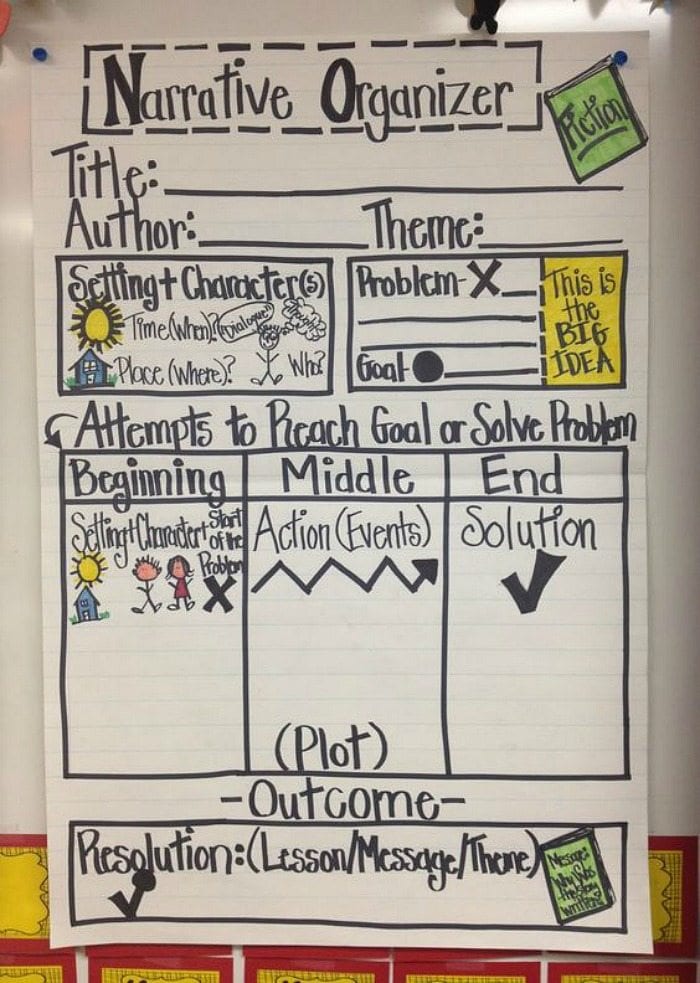
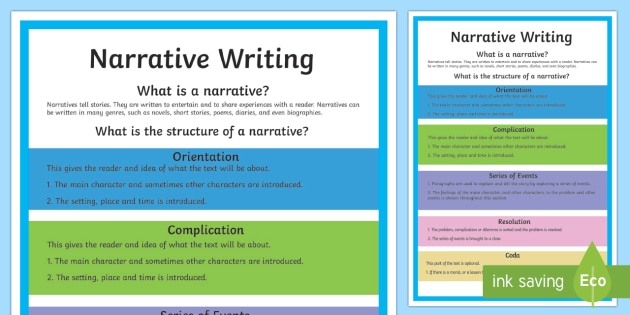
The creating fiction writing sentences assembling narratives collected worksheet targets the complex intersection of cognitive sequencing and physical handwriting control. It guides learners through organizing narrative elements—such as characters, settings, and plots—into coherent sentences that build an entire story. Within the broader selection of Worksheets available for early childhood development, narrative assembly sheets serve a unique role in uniting literacy with motor execution. Children practice the fundamental mechanics of sentence structure while maintaining the hand stability necessary for legible handwriting. Working through these exercises encourages learners to think about how words fit together on a page, reinforcing left-to-right progression and proper spacing between words.
Key Learning Outcomes
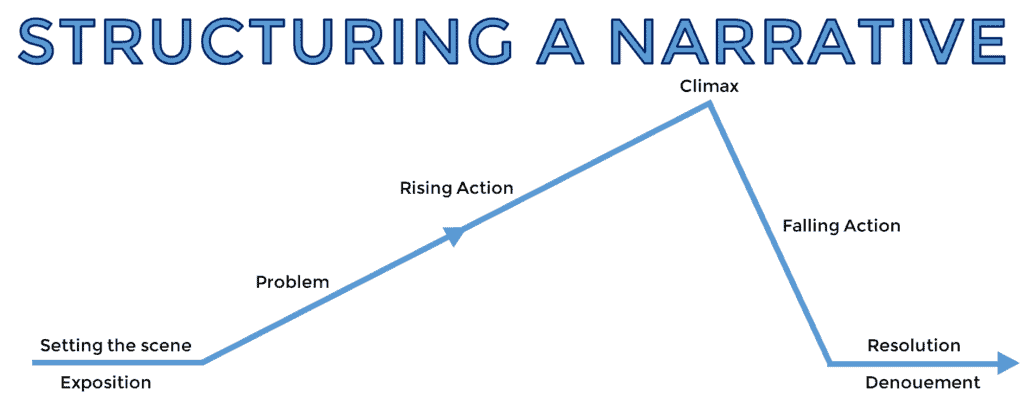
Mastering narrative assembly yields visible improvements across multiple developmental domains. Fine motor endurance grows as children sustain a functional grasp through drafting complete sentences rather than isolated words. According to the American Occupational Therapy Association, foundational writing activities support the development of intrinsic hand muscles, which are critical for long-term writing fluency and joint stability. Literacy skills also expand rapidly during this stage. Learners build vocabulary, comprehend narrative arcs, and discover how individual sentences connect to form a cohesive theme. It sounds simple, and that’s the point: scaffolding the writing process removes cognitive overload so children can focus on both what they want to say and how their hand forms each letter.
How to Use This Worksheet
Successful implementation relies on pacing and environmental setup rather than rushing to complete the page. Begin by discussing the narrative pieces orally, allowing the child to verbalize the sentence components before picking up a writing utensil. This oral rehearsal bridges the gap between spoken language and written text. Next, ensure the workspace promotes proper posture, with feet flat on the floor and paper slanted to match the natural angle of the child’s forearm. Adults can pair these narrative tasks with foundational exercises found in Tracing Worksheets to warm up the hand muscles and reinforce smooth line control before sentence writing begins.
Practical Tips for Parents and Teachers
Observe hand fatigue closely during writing sessions; if a child’s grip shifts or letters begin to drift downward, pause for hand stretches or wall push-ups to reset proprioceptive feedback. Adults should encourage a dynamic tripod or quadripod grasp without forcing rigid perfection, as comfort and legibility matter most during creative expression. For younger learners who find physical writing tedious, temporary oral dictation paired with adult scribing can build confidence before transitioning the pencil back to the child’s hand. Integrating these targeted practice pages alongside broader Preschool Worksheets ensures a balanced approach that respects individual developmental timelines.
Age-Appropriate Recommendations
Developmental readiness dictates how much support a child needs when assembling narrative sentences. According to the National Association for the Education of Young Children, developmentally appropriate practice involves meeting children at their current motor and cognitive levels rather than imposing uniform expectations. Kindergarteners may require sentence prompts and dotted-line guidance to form individual words correctly, aligning with Common Core ELA standard W.K.2 for informative and narrative composition. Older children in first and second grade can independently sequence collected narrative fragments, focusing heavily on punctuation, capitalization, and descriptive vocabulary expansion. Modifying expectations based on age ensures that writing remains an empowering exercise rather than a frustrating chore.
Foundational writing activities support the development of intrinsic hand muscles, which are critical for long-term writing fluency and joint stability. — American Occupational Therapy Association (AOTA)
Frequently Asked Questions
Navigating early writing milestones often brings practical questions for educators and families alike. Accessing and utilizing writing resources effectively requires understanding both digital formatting and developmental milestones. Reviewing specific guidance helps clarify how to support young writers at home and in the classroom.
Explore More Free Printable Worksheets
Expanding a child’s learning journey involves offering diverse, engaging practice materials that target every area of fine motor and literacy development. Transitioning from narrative sentence creation to targeted fine motor drills helps maintain steady skill progression. Educators and parents can easily supplement writing instruction by exploring Letter Writing Worksheets to refine specific alphabet formations, or incorporating Name Practice Worksheets to build early personal confidence and reliable letter sequencing.
Developmental Milestone & Activity Table
| Development Stage | Recommended Daily Duration | Primary Learning Objective |
|---|---|---|
| Preschool & Pre-K | 10 – 15 Minutes | Pencil grip development & basic pre-stroke lines |
| Kindergarten | 15 – 20 Minutes | Letter/number formation & spatial line awareness |
| Early Elementary (Grade 1–2) | 20 – 30 Minutes | Fluency, sentence construction & neatness |
Images References