The ability to precisely assess the length of written content is an indispensable skill in various professional and academic environments. Understanding the exact number of words and characters in a document is crucial for meeting submission guidelines, adhering to project specifications, and ensuring conciseness. This valuable learning resource, focused on document word assessment within Google’s collaborative platform, serves as an essential guide for mastering this fundamental aspect of digital document management. It systematically breaks down the process, transforming a potentially overlooked feature into a powerful tool for effective writing and editing.
💡 Educational Key Takeaways:
- Core Skill: Structured Count Docs Google Words focused on developing pencil grip, stroke control, and early literacy/math confidence.
- Target Scope: Suited for homeschoolers, preschool, kindergarten, and elementary learners.
- Best Recommendation: Practice 10–15 minutes daily with ergonomic writing tools to reinforce muscle memory without hand fatigue.
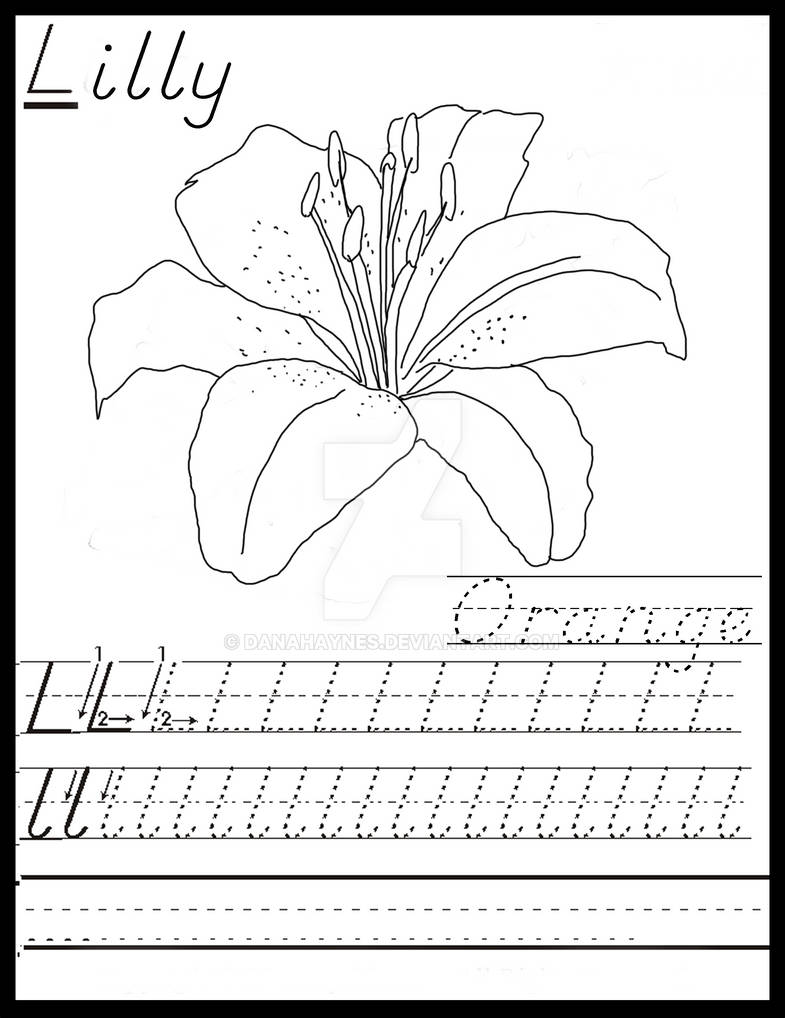
Engaging with this instructional guide offers significant benefits for content creators and editors alike. It fosters an acute awareness of document length, which is vital for developing succinct communication skills and adhering to strict word limits. The comprehensive understanding gained supports improved writing efficiency, allowing for better planning and allocation of content. Furthermore, mastering this feature enhances critical thinking by encouraging writers to evaluate every word’s contribution to the overall message, ultimately leading to clearer, more impactful documentation. It empowers individuals to take full control over their written output. For more related activities, check out our How Do You Spell Lily In Cursive.
This practice material is structured to provide a clear and progressive learning experience. It typically includes sections that illustrate various methods for accessing document statistics, such as total word count, character count (with and without spaces), and page count. Activities within the resource often involve analyzing different document types and sizes, prompting users to identify these metrics accurately. Some sections may present practical scenarios requiring the application of these counting functions to hypothetical project requirements, ensuring a comprehensive grasp of their real-world utility.
To maximize the learning potential from this guide, a methodical approach is recommended. Begin by locating the menu option dedicated to displaying document statistics within an open document on Google’s platform. This is typically found under the ‘Tools’ menu. Practice accessing this feature with various test documents to become familiar with its location and the information it presents. Experiment with keyboard shortcuts, often a combination like Ctrl+Shift+C (or Cmd+Shift+C on Mac), to quickly toggle the statistics window. A beneficial exercise involves setting a specific word or character target and then actively monitoring progress using this integrated feature, making real-time adjustments to the content as needed.
Further enhancing proficiency in document length assessment involves several key insights. Consider how footnotes, headers, and footers might influence total word counts, as different platforms or contexts may include or exclude these elements. Utilize the real-time counting feature to maintain writing discipline, preventing scope creep or overly verbose passages. For advanced application, explore how these metrics can inform content strategy or help streamline communication in team-based projects. Related instructional materials covering advanced text analysis tools or comprehensive document editing techniques can provide complementary knowledge, deepening expertise in digital content creation.
In conclusion, the mastery of document statistics within Google’s collaborative writing environment is more than a technical skill; it is a foundational element of effective digital communication. The insights gained from using this guide will significantly enhance precision, conciseness, and strategic planning in all written endeavors. The consistent application of these techniques ensures documents are always optimized for their intended purpose and audience. Individuals are highly encouraged to explore this essential resource and delve into related instructional materials to further solidify their expertise in managing and refining digital content.
Developmental Milestone & Activity Table
| Development Stage | Recommended Daily Duration | Primary Learning Objective |
|---|---|---|
| Preschool & Pre-K | 10 – 15 Minutes | Pencil grip development & basic pre-stroke lines |
| Kindergarten | 15 – 20 Minutes | Letter/number formation & spatial line awareness |
| Early Elementary (Grade 1–2) | 20 – 30 Minutes | Fluency, sentence construction & neatness |
Images References
Discover more printable learning activities by visiting our full worksheets archive for teachers, homeschoolers, and parents.