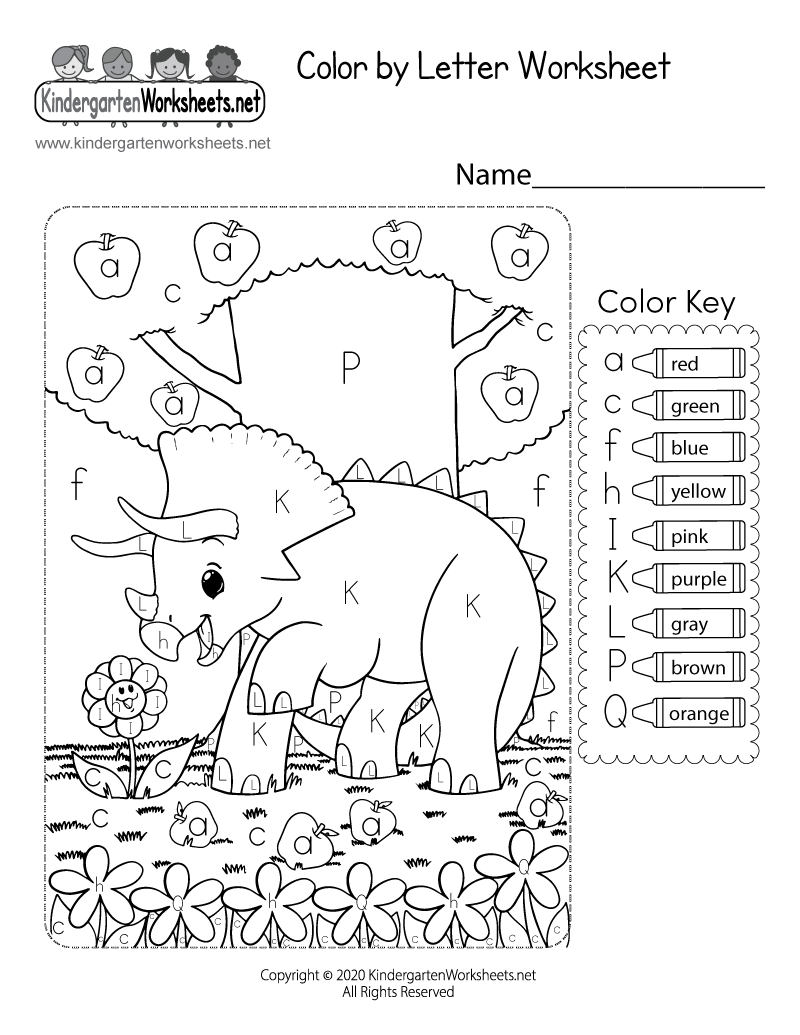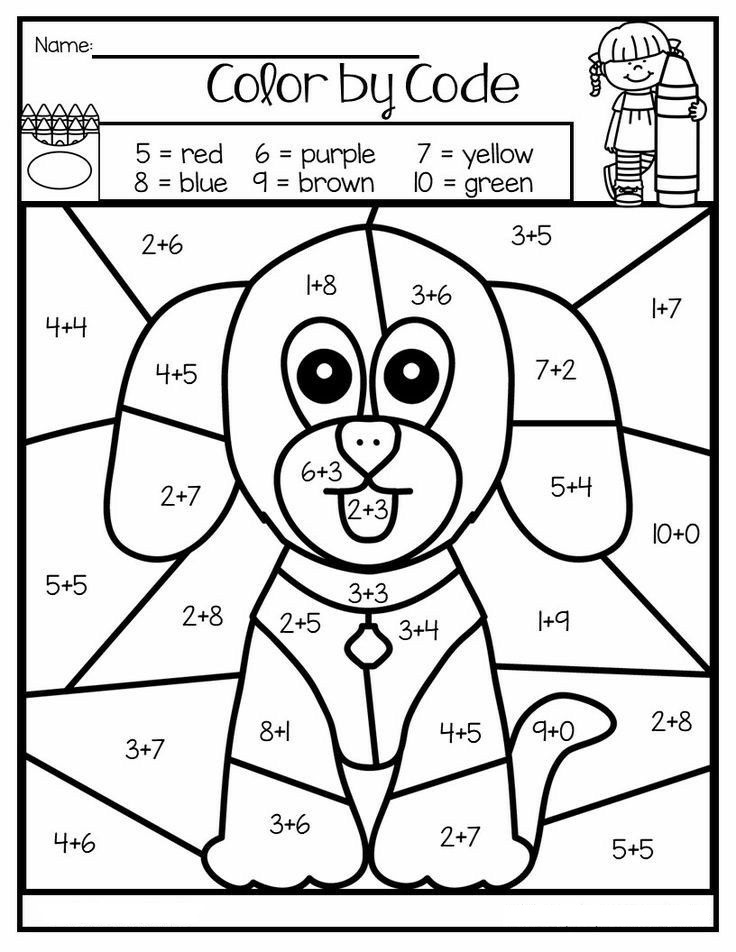
Introduction
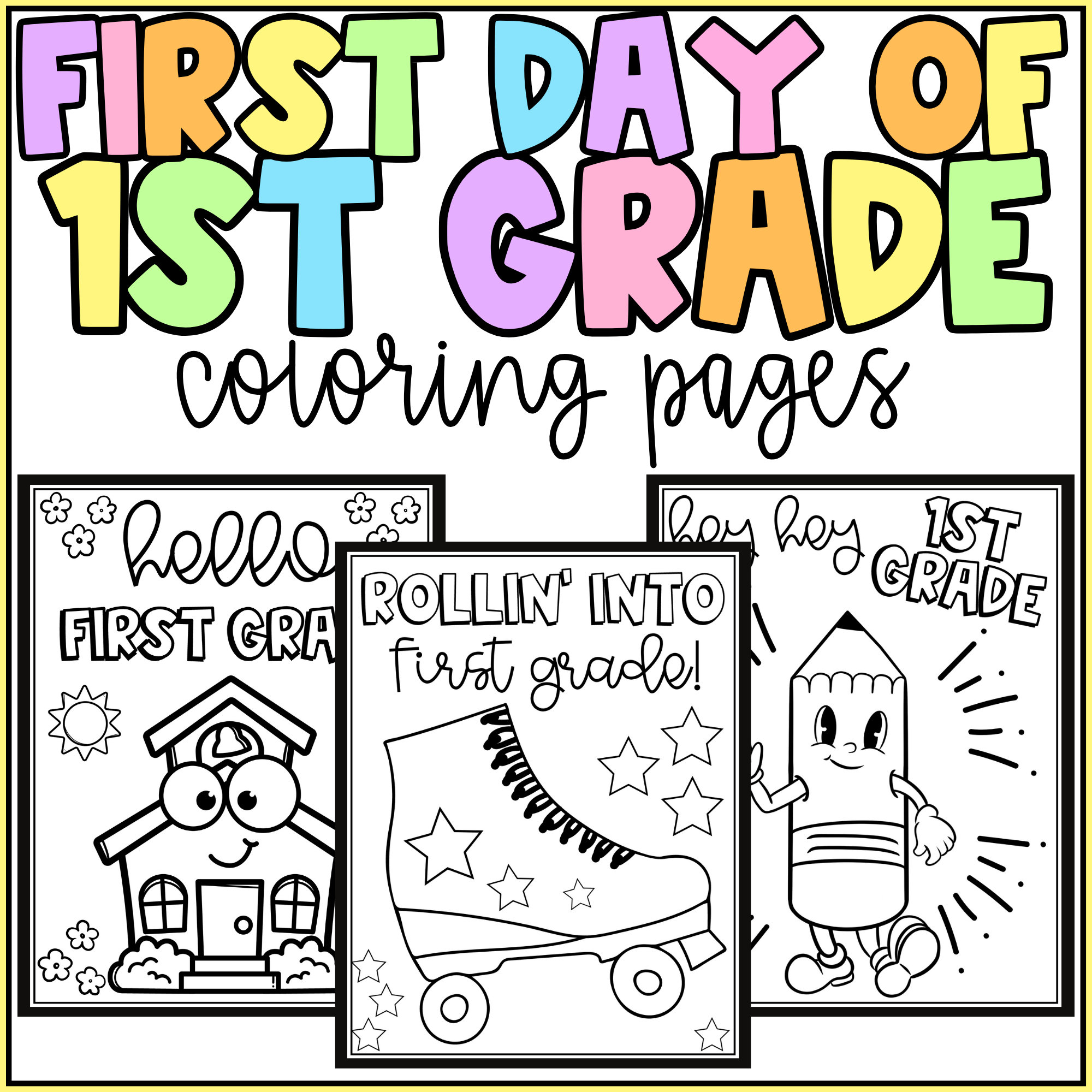
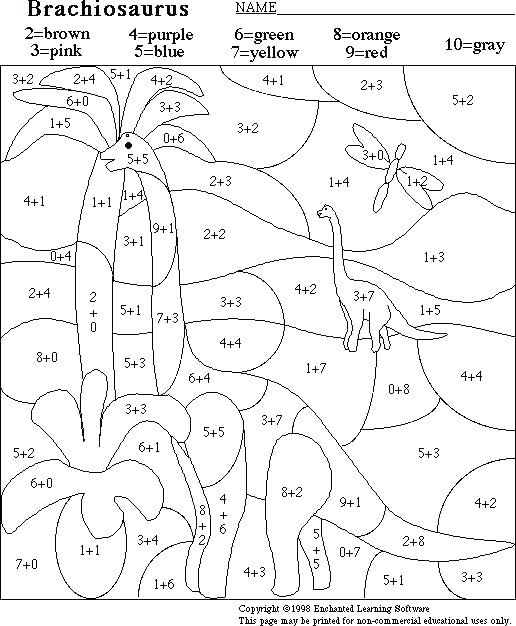
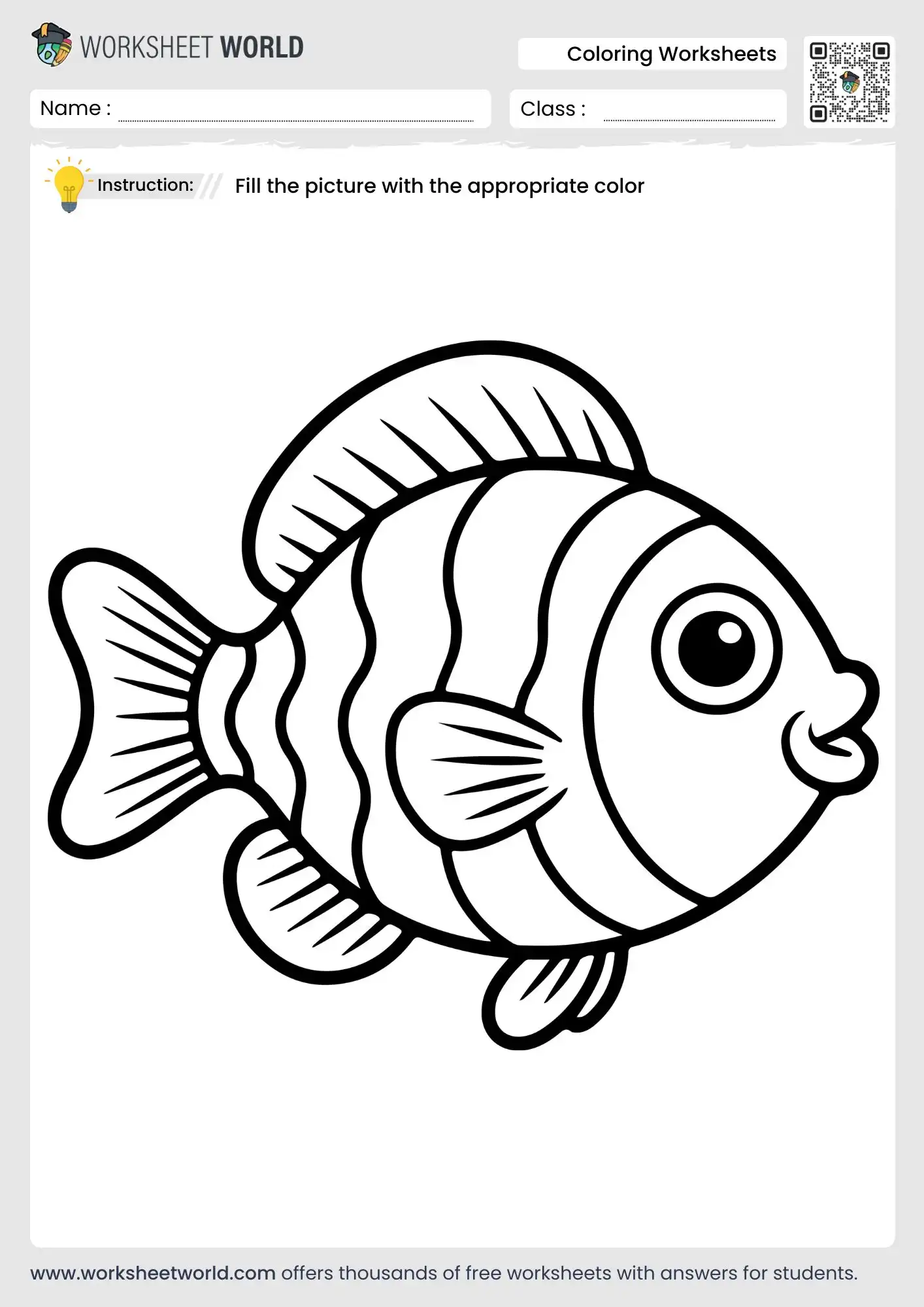
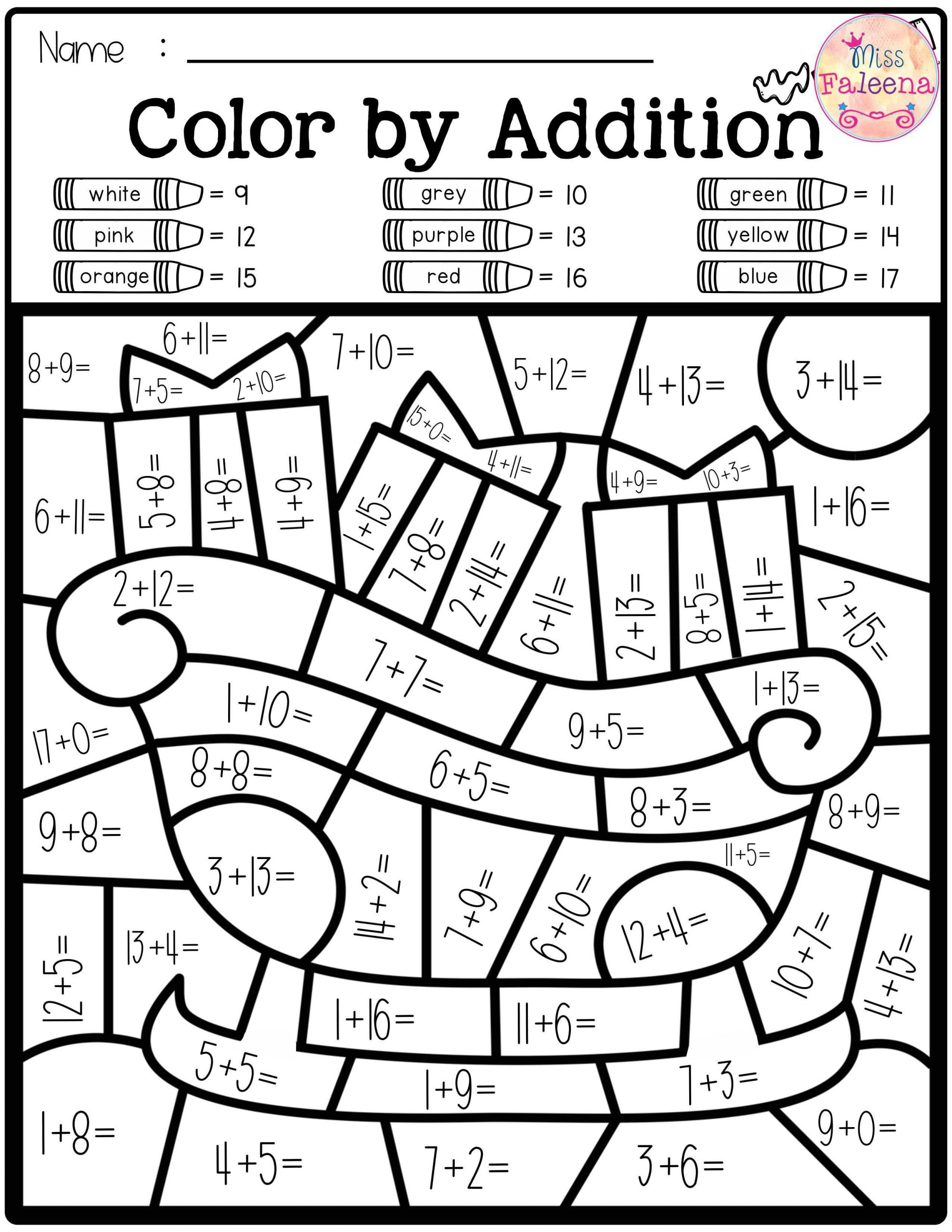
Coloring worksheets for grade 1 serve as structured pedagogical instruments designed to bridge the gap between gross motor play and precise letter formation through targeted crayon and pencil control. According to the American Occupational Therapy Association (AOTA), purposeful manipulation of writing and coloring tools builds the intrinsic hand muscle strength and bilateral coordination required for sustained academic writing endurance. Educators and parents leverage these foundational materials within comprehensive worksheets curricula to cultivate proper pencil grasps, enhance visual-spatial awareness, and stabilize kinetic control before introducing rigorous alphabetical stroke sequences.
Handwriting Practice Snapshot:
- Core Focus: Strengthening fine-motor precision and dynamic tripod grasps using structured graphical boundaries.
- Target Scope: First-grade classrooms and home environments requiring targeted handwriting preparation.
- Key Recommendation: Pair border-adherence coloring challenges directly with subsequent tracing worksheets to maximize skill transfer.
Core Principles and Detailed Overview
Deliberate control over coloring boundaries directly reinforces the visual-motor integration necessary for accurate letter sizing and baseline adherence in primary literacy. Direct answer: First-grade coloring tasks require sustained visual attention, spatial boundary recognition, and precise finger-joint articulation that mirror the exact biomechanical demands of early writing. When young learners deliberately shade enclosed shapes without crossing boundary lines, brains process spatial boundaries and proportional scaling—two cognitive domains critical for transitioning toward formal letter writing worksheets. Integrating these graphic tasks alongside targeted name practice worksheets ensures that hand muscles experience balanced resistance and varied directional strokes.
Key Specifications and Breakdown
| Skill Level / Grade | Target Stroke / Mechanical Focus | Pedagogical / Coaching Cue |
|---|---|---|
| Early Grade 1 | Coarse boundary filling and continuous directional shading | “Keep the crayon tip inside the fence lines.” |
| Mid Grade 1 | Controlled directional cross-hatching and pressure modulation | “Press lightly for soft color, firmly for bold lines.” |
| Advanced Grade 1 | Intricate detail shading and multi-directional stroke control | “Use short circular motions to fill every tiny white space.” |
Fine-motor precision during early childhood graphical activities directly predicts future legibility and writing speed outcomes in elementary school curricula. — American Occupational Therapy Association (AOTA)
Step-by-Step Practical Application and Guidelines
Executing effective coloring sessions requires explicit adult modeling of correct hand posture, paper positioning, and systematic stroke progression. Direct answer: Instructors must first demonstrate the dynamic tripod grasp, ensuring the index finger and thumb pinch the tool while resting comfortably on the middle finger. Learners should angle their papers slightly opposite their writing hands and stabilize the page with their non-dominant hand. Educators should encourage perimeter tracing before interior filling, a technique that trains the hand to respect boundary lines before executing rapid infill strokes that build stamina.
Common Challenges and How to Avoid Them
Children frequently encounter hand fatigue, accidental grip regression, and boundary overflow due to underdeveloped intrinsic hand musculature and unmonitored seating posture. Direct answer: Mitigating these physical hurdles requires shortening continuous work intervals, enforcing upright seating postures with feet flat on the floor, and substituting oversized triangular crayons that naturally encourage correct finger placement. Educators should transition learners away from closed-fist grasps early by providing specialized preschool worksheets or wedge grips whenever hand fatigue triggers poor mechanical habits.
💬 Frequently Asked Questions
Explore More Free Handwriting and Character Worksheets
Access an extensive library of educational resources designed to support primary literacy milestones by exploring the comprehensive collections hosted directly at CharacterWritingWorksheets.com. Educators and parents can easily supplement daily instructional routines by downloading specialized coloring worksheets alongside targeted writing materials tailored specifically for early childhood development.
Printable Coloring Page Previews