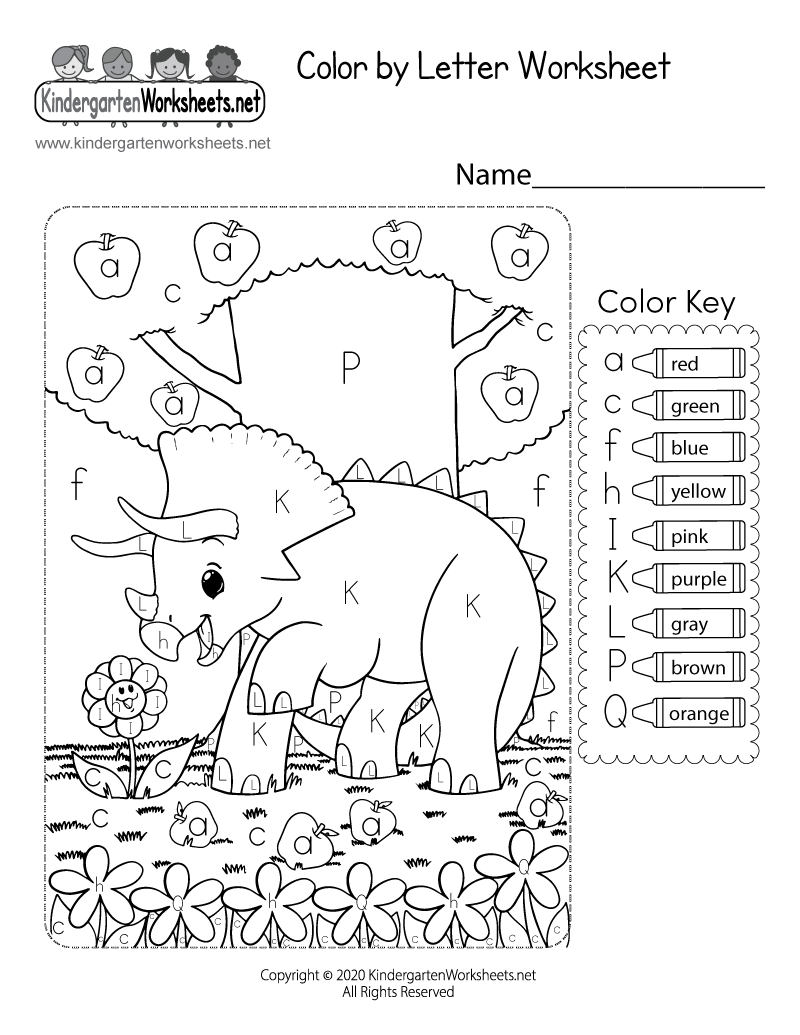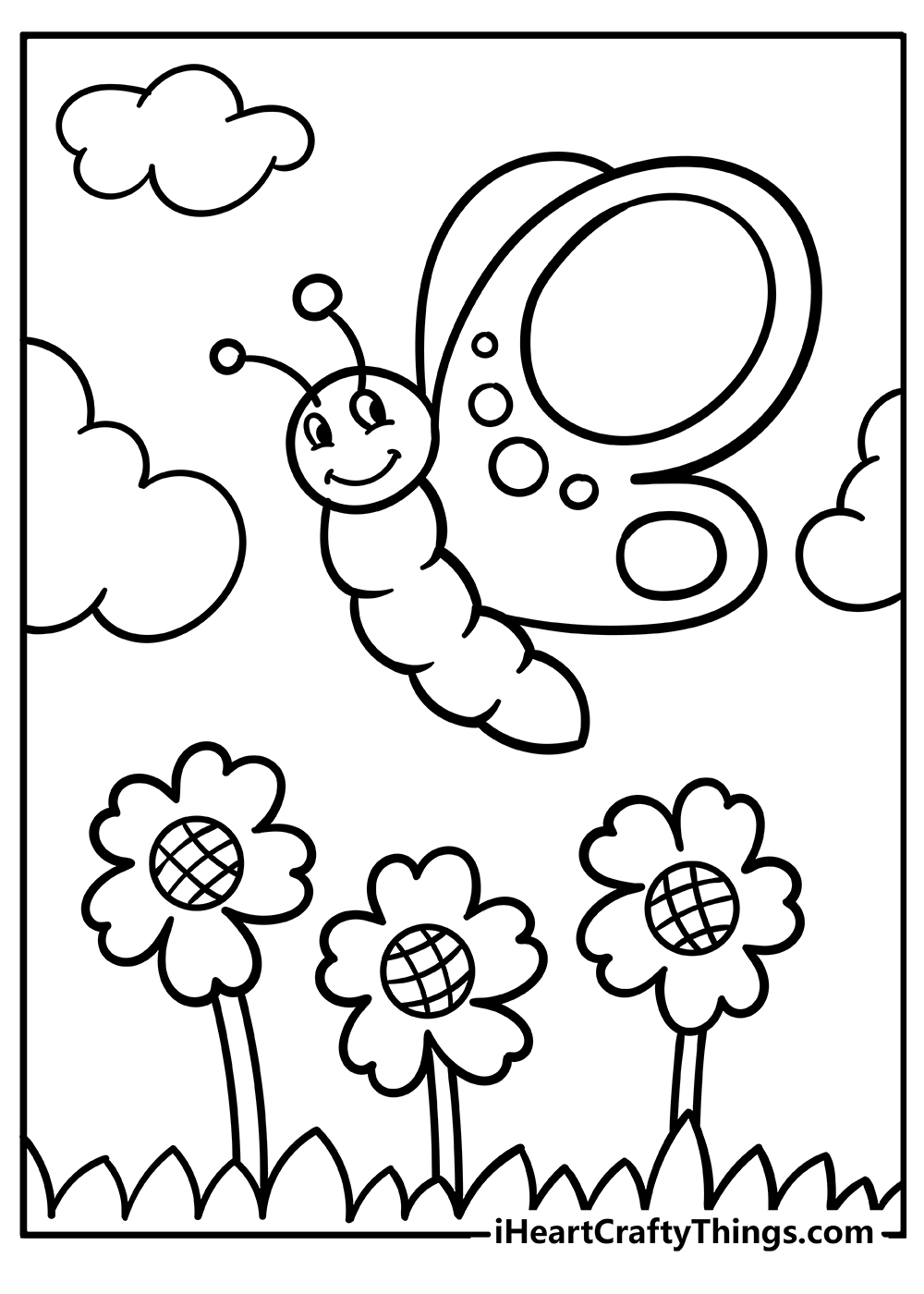
Introduction
Coloring worksheets for kindergarten serve as foundational preparatory tools that bridge the gap between gross-motor control and precise letter formation by conditioning intrinsic hand muscles for sustained pencil grip. According to the National Association for the Education of Young Children (NAEYC), developmentally appropriate early childhood curricula must integrate targeted fine-motor activities to build the muscular endurance required for formal handwriting. Educators and parents utilize specialized coloring worksheets to establish directional stroke awareness, visual-spatial boundaries, and bilateral hand coordination before expecting mastery of complex typographic symbols. Establishing these early mechanics prevents the onset of hand fatigue, poor grip postures, and incorrect letter alignments during kindergarten writing instruction.
Handwriting Practice Snapshot:
- Core Focus: Coloring worksheets for kindergarten build foundational fine-motor control, finger dexterity, and pencil stamina for early writing.
- Target Scope: Applied during early childhood education, kindergarten classrooms, and home-schooling environments.
- Key Recommendation: Pair structured coloring pages with tracing worksheets to transition smoothly from shaded areas to linear letter strokes.
Core Principles and Detailed Overview
Coloring worksheets for kindergarten directly influence handwriting mechanics by reinforcing controlled wrist movement, controlled paper stabilization with the non-dominant hand, and continuous visual tracking from left to right. When children manipulate crayons or short pencils to fill defined shapes without crossing borders, neurological pathways responsible for hand-eye coordination strengthen significantly. Furthermore, integrating preschool worksheets featuring simple outlines allows young learners to practice maintaining uniform pressure—a critical prerequisite for producing consistent line weights in future letter and name practice worksheets. Pedagogical frameworks emphasize that structured coloring activities should prioritize controlled directional strokes over rapid, haphazard scribbling to maximize functional neuromuscular benefits.
Key Specifications and Breakdown
| Skill Level / Grade | Target Stroke / Mechanical Focus | Pedagogical / Coaching Cue |
|---|---|---|
| Early Kindergarten | Isolating individual finger movements; maintaining a functional tripod grip. | Encourage small, circular shading motions while keeping the wrist relaxed. |
| Mid Kindergarten | Controlling directional boundaries; staying within defined perimeter lines. | Remind learners to slow down when approaching corners and edges. |
| Late Kindergarten | Applying uniform pressure; transitioning smoothly into linear letter writing. | Instruct students to lift the coloring tool purposefully rather than dragging across white space. |
Developmental Fine-Motor Milestones — American Occupational Therapy Association (AOTA)
Step-by-Step Practical Application and Guidelines
Implementing coloring worksheets for kindergarten requires a deliberate progression from loose geometric shapes to structured alphanumeric characters to ensure proper muscle memory development. Educators begin by selecting sheets that feature bold, thick boundary lines which provide strong visual contrast and boundary feedback for developing eyes and hands. Next, supervising adults verify that learners establish a proper dynamic tripod grasp before the coloring tool touches the paper surface, actively correcting thumb-wrap or fist grips immediately. Finally, children practice filling designated spaces using consistent top-to-bottom and left-to-right stroke patterns, mirroring the exact directional movements required later when utilizing letter writing worksheets.
Common Challenges and How to Avoid Them
Hand fatigue, excessive grip tension, and frequent boundary trespassing represent the most frequent obstacles encountered when children engage with early graphic activities. Overcoming these mechanical hurdles involves replacing standard full-sized markers with broken crayon stubs or specialized short writing instruments, which physically prevents adult-like fist grasps and forces proper finger positioning. Additionally, educators must monitor posture to ensure both feet remain flat on the floor and the paper rests at an appropriate slanted angle, reducing physical strain during extended practice sessions. Providing diverse worksheets that gradually increase in visual complexity helps maintain student engagement while systematically eliminating bad motor habits.
💬 Frequently Asked Questions
Explore More Free Handwriting and Character Worksheets
Accessing comprehensive educational resources ensures that early childhood educators, parents, and homeschool instructors have continuous access to high-quality pedagogical materials designed for every stage of development. Exploring the expansive digital library at CharacterWritingWorksheets.com provides immediate access to specialized printable resources tailored for optimal handwriting development, letter mastery, and fine-motor refinement.
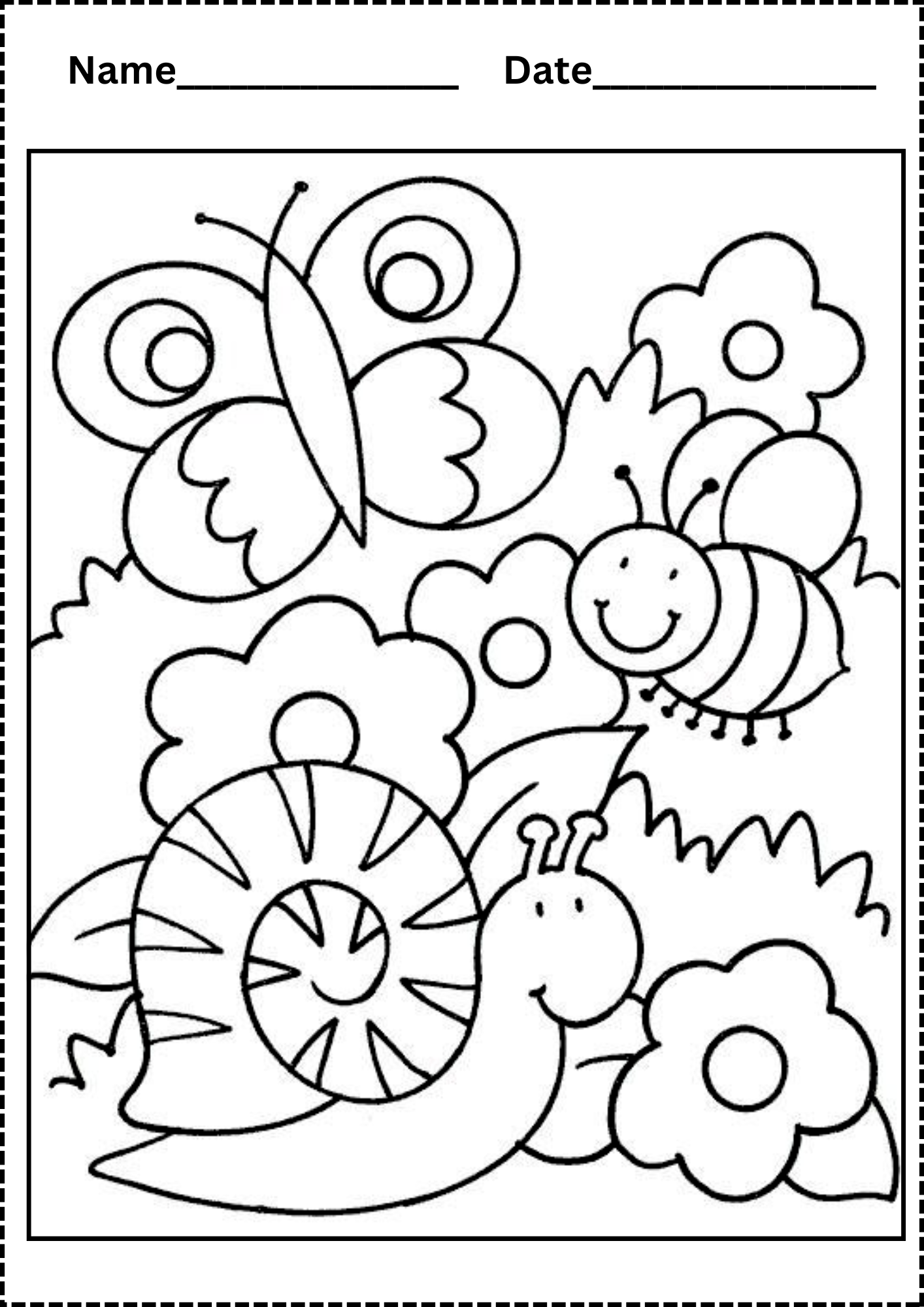
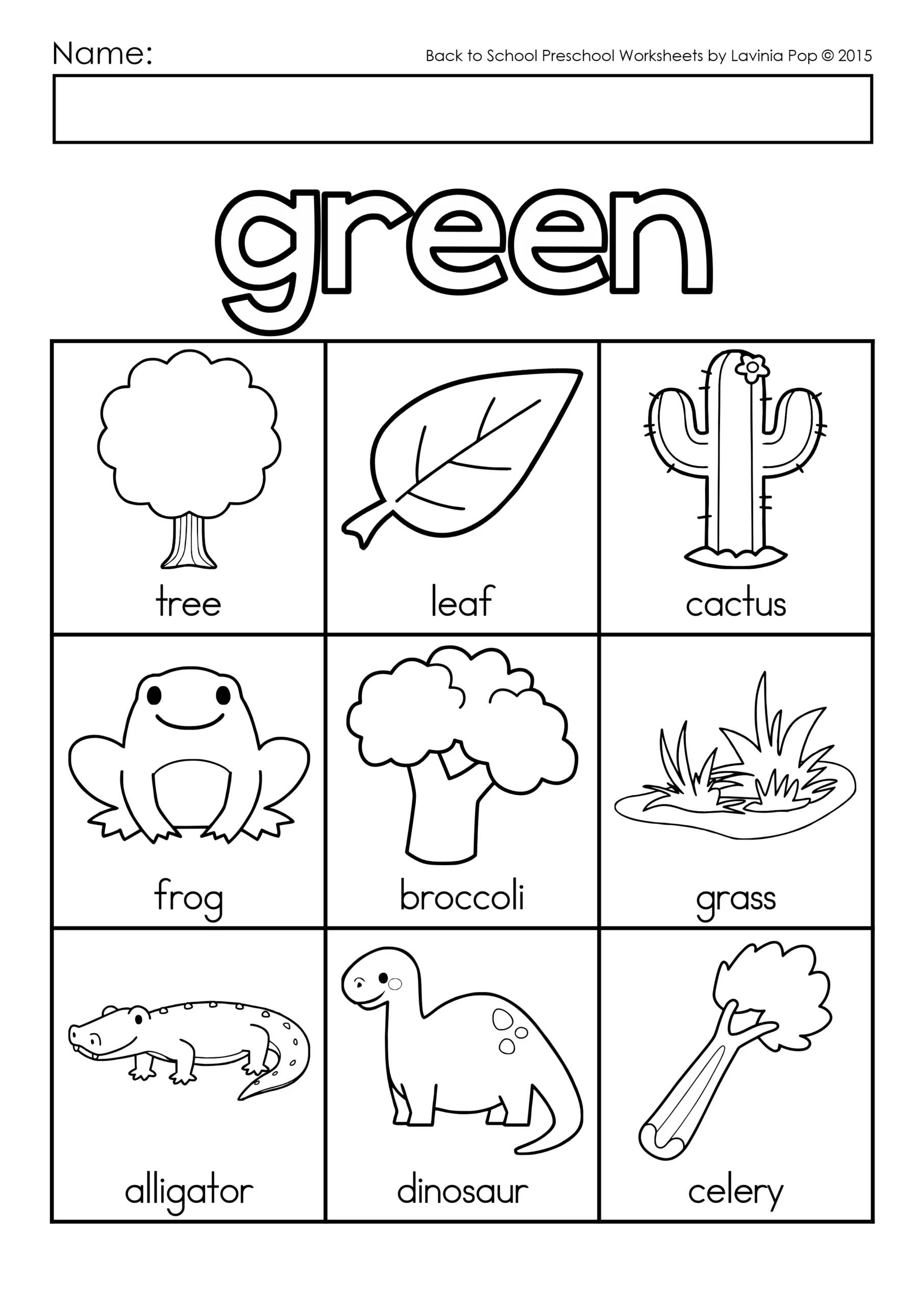
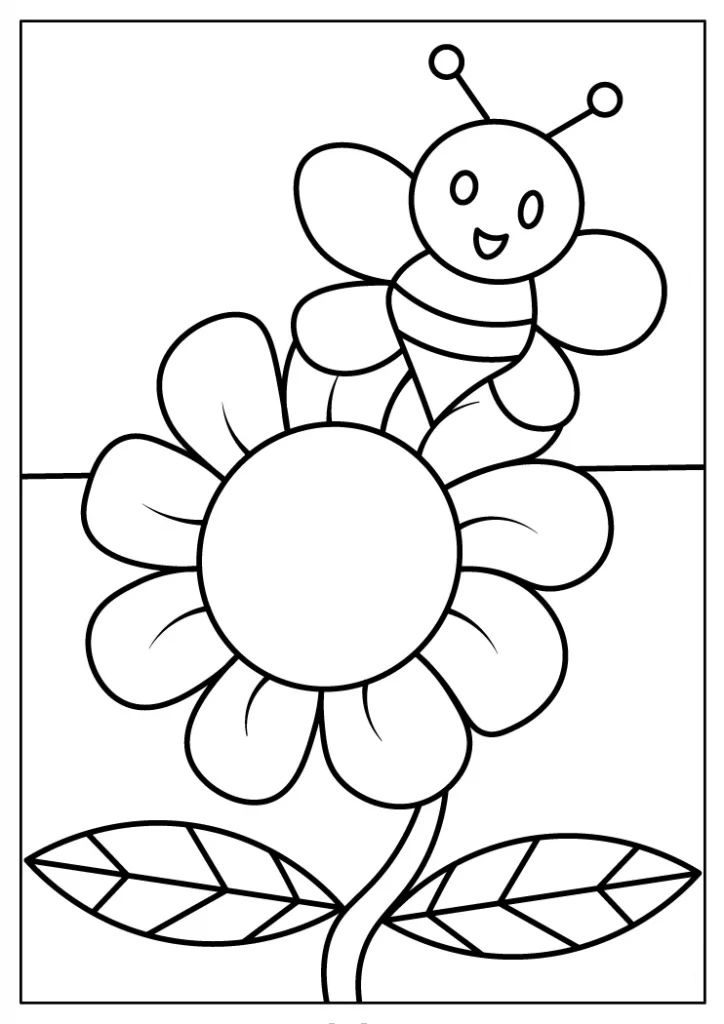
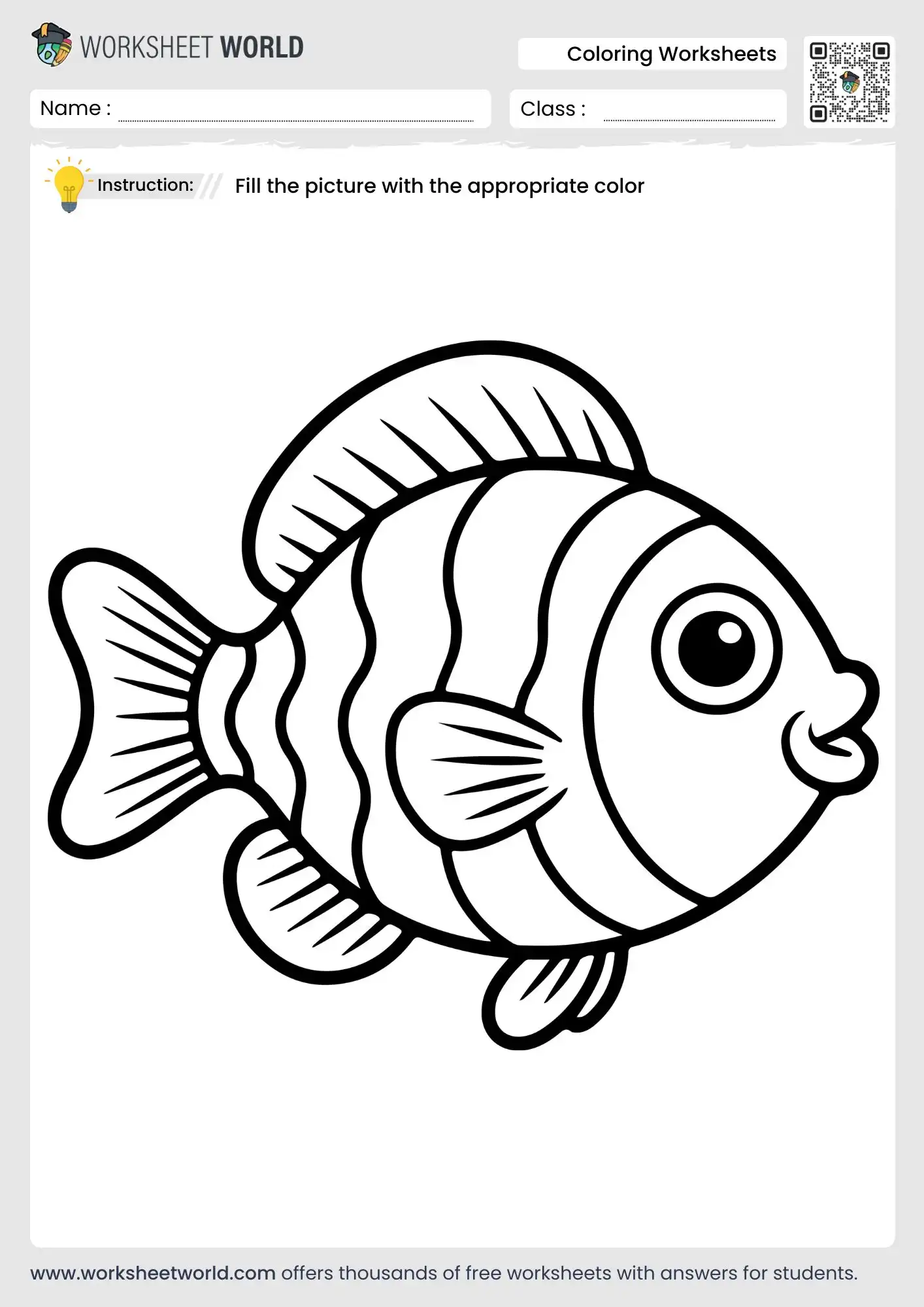
Printable Coloring Page Previews