Introduction
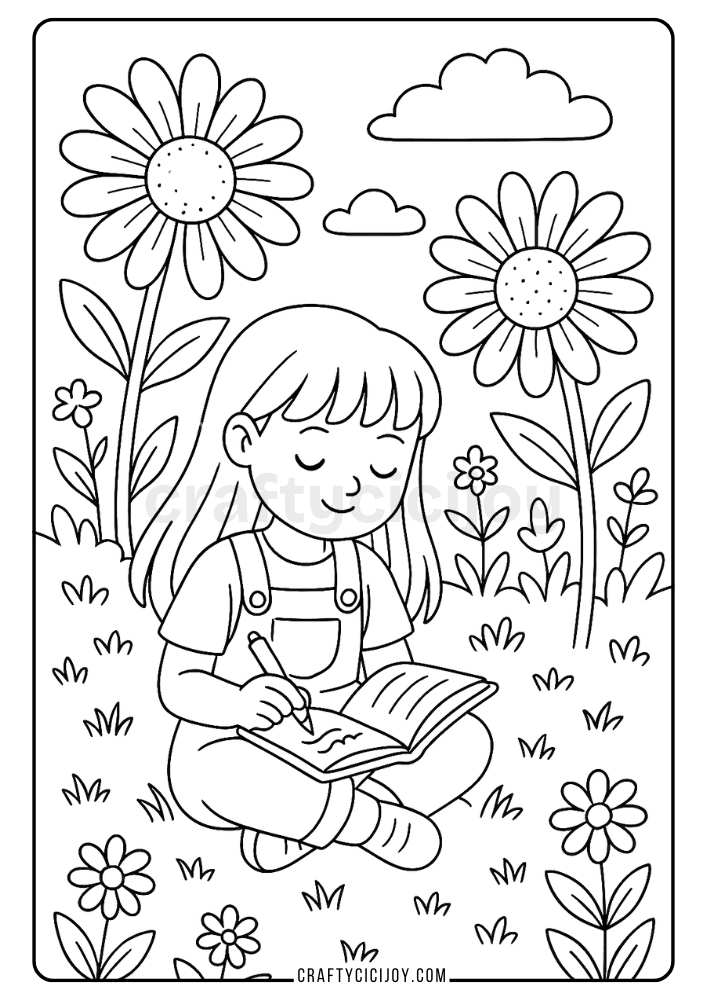
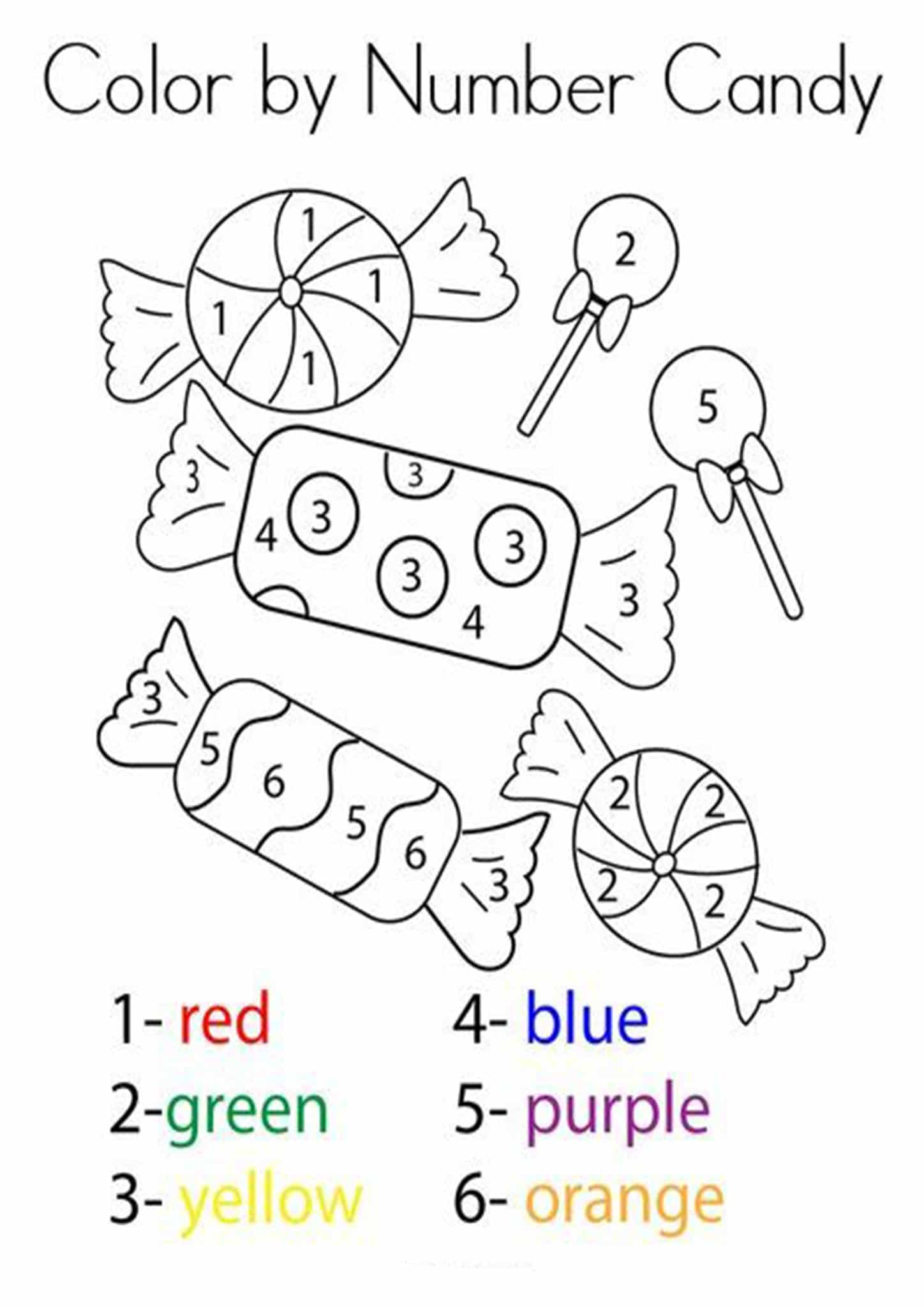
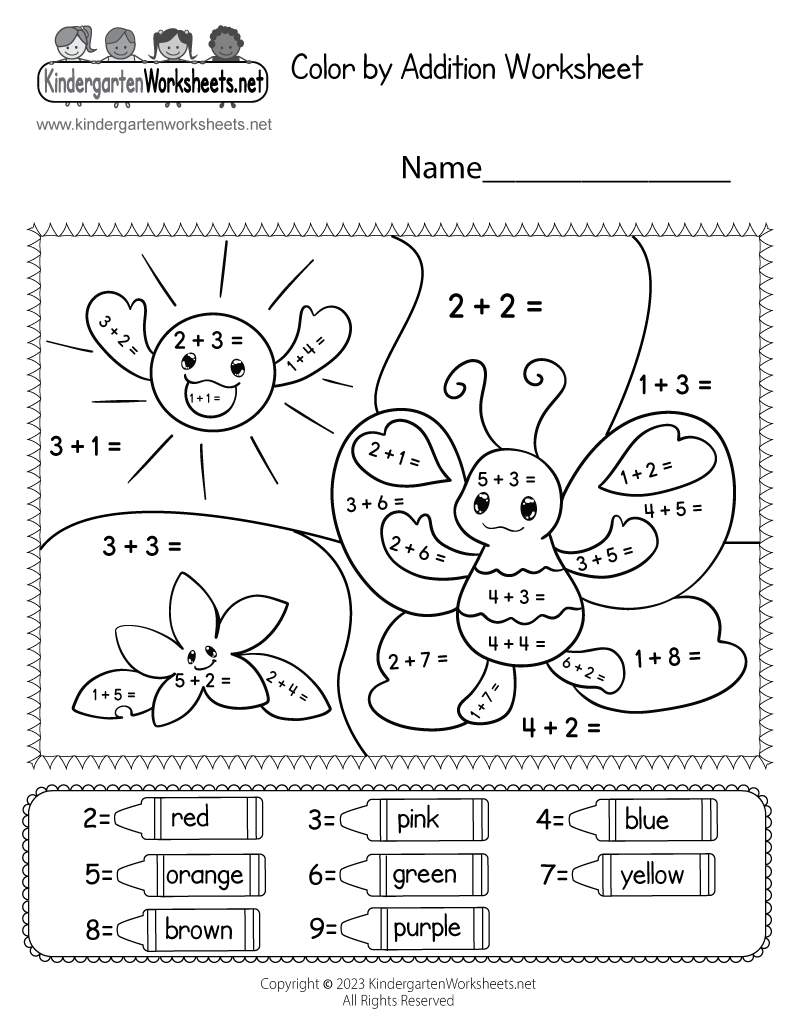
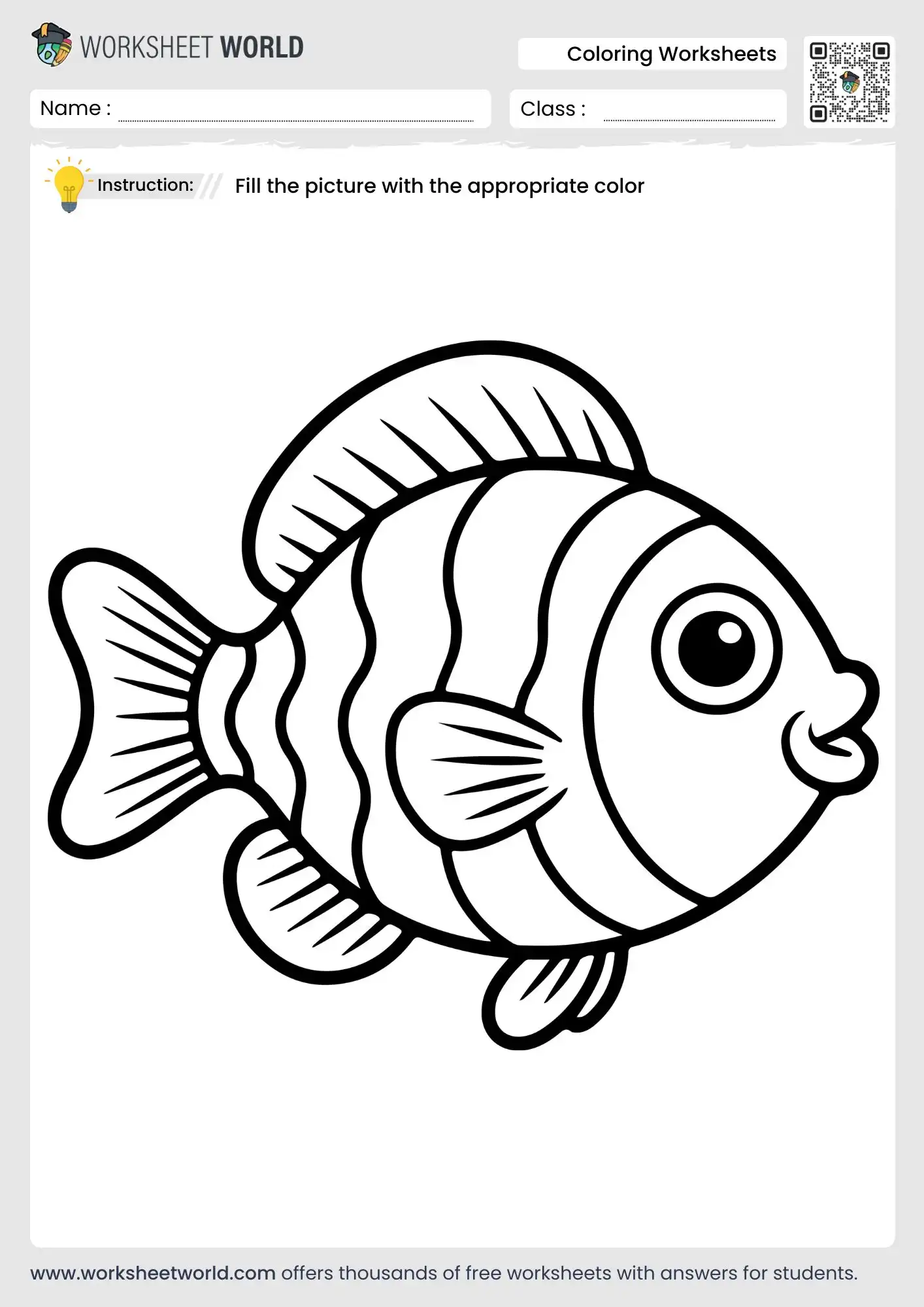
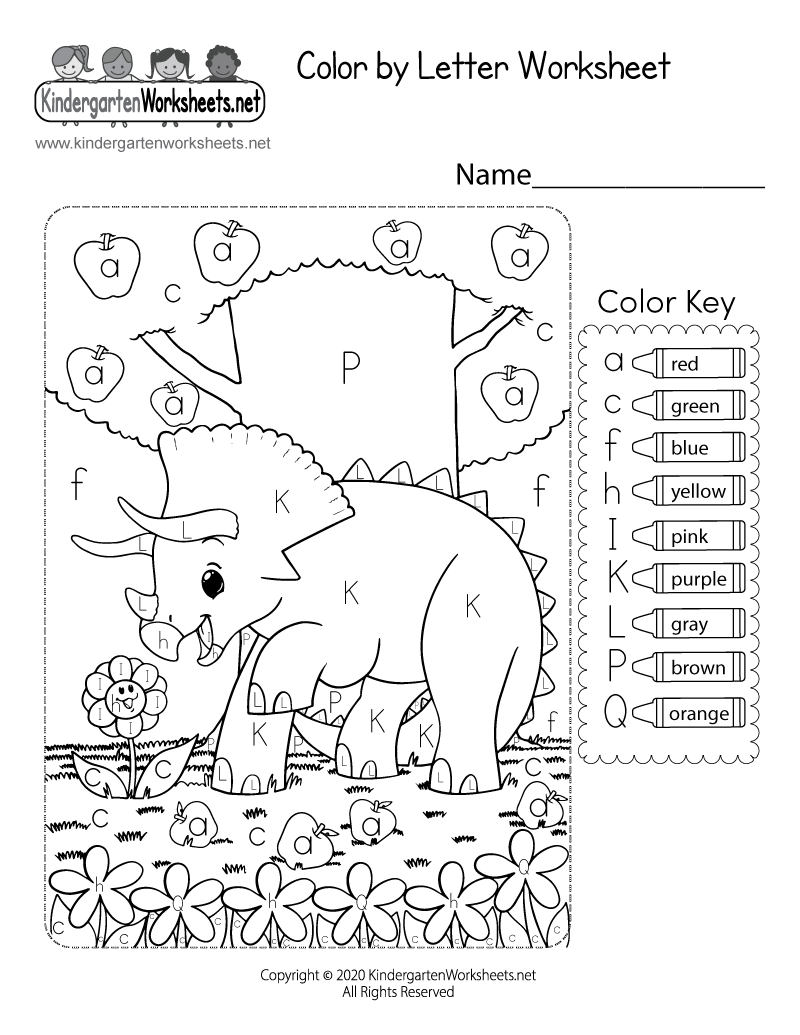
Coloring worksheets for kids serve as foundational motor-planning tools that bridge freeform art and structured writing mechanics by building essential hand-eye coordination and finger dexterity. According to the National Association for the Education of Young Children (NAEYC), purposeful fine-motor activities during early childhood education are critical precursors to fluent letter formation and legible writing skills. Utilizing specialized coloring worksheets allows young learners to master pencil grip, boundary control, and bilateral hand coordination without the cognitive overload of complex orthography. Educators and parents can seamlessly integrate these resources into daily routines to strengthen intrinsic hand muscles, preparing children for advanced letter writing worksheets and daily writing tasks.
Handwriting Practice Snapshot:
- Core Focus: Developing fine-motor strength, pencil control, and spatial awareness through targeted coloring sheets.
- Target Scope: Preschoolers and early elementary students establishing foundational handwriting mechanics.
- Key Recommendation: Pair structured coloring pages directly with subsequent tracing worksheets to transfer motor control into letter forms.
Core Principles and Detailed Overview
Targeted coloring sheets reinforce the precise kinetic movements required for manuscript letter construction by training the hand to stop, start, and change direction within defined borders. The mechanics of shading and filling bounded spaces directly mimic the continuous fluid strokes demanded by cursive and print alphabets. When children manage pressure control and directional boundaries on preschool worksheets, the intrinsic muscles of the hand develop the stamina necessary to prevent early fatigue during writing sessions. Furthermore, integrating name practice worksheets alongside artistic shading activities bridges creative engagement with functional literacy development.
Key Specifications and Breakdown
| Skill Level / Grade | Target Stroke / Mechanical Focus | Pedagogical / Coaching Cue |
|---|---|---|
| Early Preschool | Palmar supine to dynamic tripod grip transition, gross boundary containment. | Encourage small, controlled wrist movements rather than sweeping arm motions. |
| Late Preschool | Pencil pressure modulation, directional shading from left to right. | Remind learners to keep fingertips close to the writing tip for optimal stability. |
| Early Kindergarten | Detailed contour tracing, micro-directional stroke reversals inside shapes. | Prompt children to slow down and trace boundaries before filling open areas. |
Fine-motor precision and controlled manipulation of writing instruments are core developmental milestones required for academic success — American Occupational Therapy Association (AOTA)
Step-by-Step Practical Application and Guidelines
Implementing targeted artistic sheets effectively requires establishing a systematic progression from broad geometric boundaries to intricate character contours. Instructors should first verify proper tripod grasp before distributing any worksheets, ensuring the non-dominant hand stabilizes the paper at a comfortable angle. Next, direct learners to outline the outer perimeter of the character graphic before shading the interior zones, establishing boundary awareness that transfers directly to uppercase and lowercase letter spacing. Finally, evaluate the output for consistent stroke direction and pressure regulation, addressing any instances of grip fatigue or excessive hand tension before transitioning the child to letter-specific drills.
Common Challenges and How to Avoid Them
Frequent developmental hurdles include excessive hand pressure, awkward thumb wraps, and poor visual-spatial tracking across the page boundary. When children press too hard, hand cramping occurs, signaling the need for softer graphite or crayon mediums combined with verbal reminders about relaxed muscle tension. Inattentive boundary crossing often stems from rushed visual scanning; therefore, instructors should guide the child’s eyes along the perimeter of the shape prior to physical coloring. Addressing these mechanical errors early ensures that children develop sustainable, fluid motor habits that support lifelong handwriting legibility.
💬 Frequently Asked Questions
Explore More Free Handwriting and Character Worksheets
Access a comprehensive library of developmental writing resources, instructional guides, and practice materials by visiting CharacterWritingWorksheets.com today to support early literacy.
Printable Coloring Page Previews