Introduction
Coloring worksheets daycare resources serve as foundational developmental tools that build hand-eye coordination, finger dexterity, and pencil control necessary for formal handwriting instruction. According to the National Association for the Education of Young Children (NAEYC), purposeful manipulation of writing implements during early childhood activities directly correlates with enhanced fine-motor control and long-term literacy readiness. Educators and caregivers utilize these targeted coloring worksheets to transition young learners from gross-motor scribbling to controlled, precise stroke execution.
Handwriting Practice Snapshot:
- Core Focus: Building intrinsic hand strength and stroke precision via structured coloring worksheets daycare activities.
- Target Scope: Early childhood classrooms, daycare centers, and homeschool environments serving toddlers to kindergarteners.
- Key Recommendation: Pair thick-boundary coloring sheets with short, triangular crayons to encourage correct tripod grasp mechanics.
Core Principles and Detailed Overview
Fine-motor development relies heavily on the physical mechanics practiced during structured coloring exercises. Coloring worksheets daycare curricula bridge the gap between creative expression and foundational writing readiness by training the hand muscles to sustain pressure, navigate spatial boundaries, and execute controlled directional movements. When children color within defined contours, they subconsciously internalize the physical boundaries, proportions, and directional flows later required for mastering complex letter writing worksheets. Teachers optimize these exercises by selecting pages with gradual line weight variations, ensuring toddlers build wrist stability and finger isolation before advancing to standard tracing worksheets.
Key Specifications and Breakdown
| Skill Level / Grade | Target Stroke / Mechanical Focus | Pedagogical / Coaching Cue |
|---|---|---|
| Toddler / Early Daycare | Palmar grasp transition to digital pronate grip; whole-arm sweeping strokes. | “Hold the crayon like a rocket ship taking off from the launchpad.” |
| Preschool / Mid Daycare | Static tripod grip initiation; directional filling and boundary containment. | “Keep the crayon inside the fence lines and move your fingers, not your whole arm.” |
| Pre-K / Kindergarten Prep | Dynamic tripod grasp mastery; controlled pressure gradation and letter-like curves. | “Press lightly for soft shading and firmly for solid lines along the edges.” |
Early childhood fine-motor interventions must emphasize proper postural stability, proximal joint control, and natural grasp maturation before enforcing rigid pencil pressure demands. — American Occupational Therapy Association (AOTA)
Step-by-Step Practical Application and Guidelines
Implementing coloring worksheets daycare activities effectively requires a structured daily routine that balances open-ended creativity with targeted mechanical instruction. Educators begin by assessing current grip strengths and selecting appropriate writing utensils that prevent hand fatigue during coloring tasks. Next, facilitators introduce specific boundary rules, encouraging children to outline shapes before filling them inward to reinforce the exact stroke sequences utilized in subsequent preschool worksheets. Finally, adults monitor posture, ensuring feet remain flat on the floor and paper is slanted at a natural angle matching the child’s dominant hand orientation.
Common Challenges and How to Avoid Them
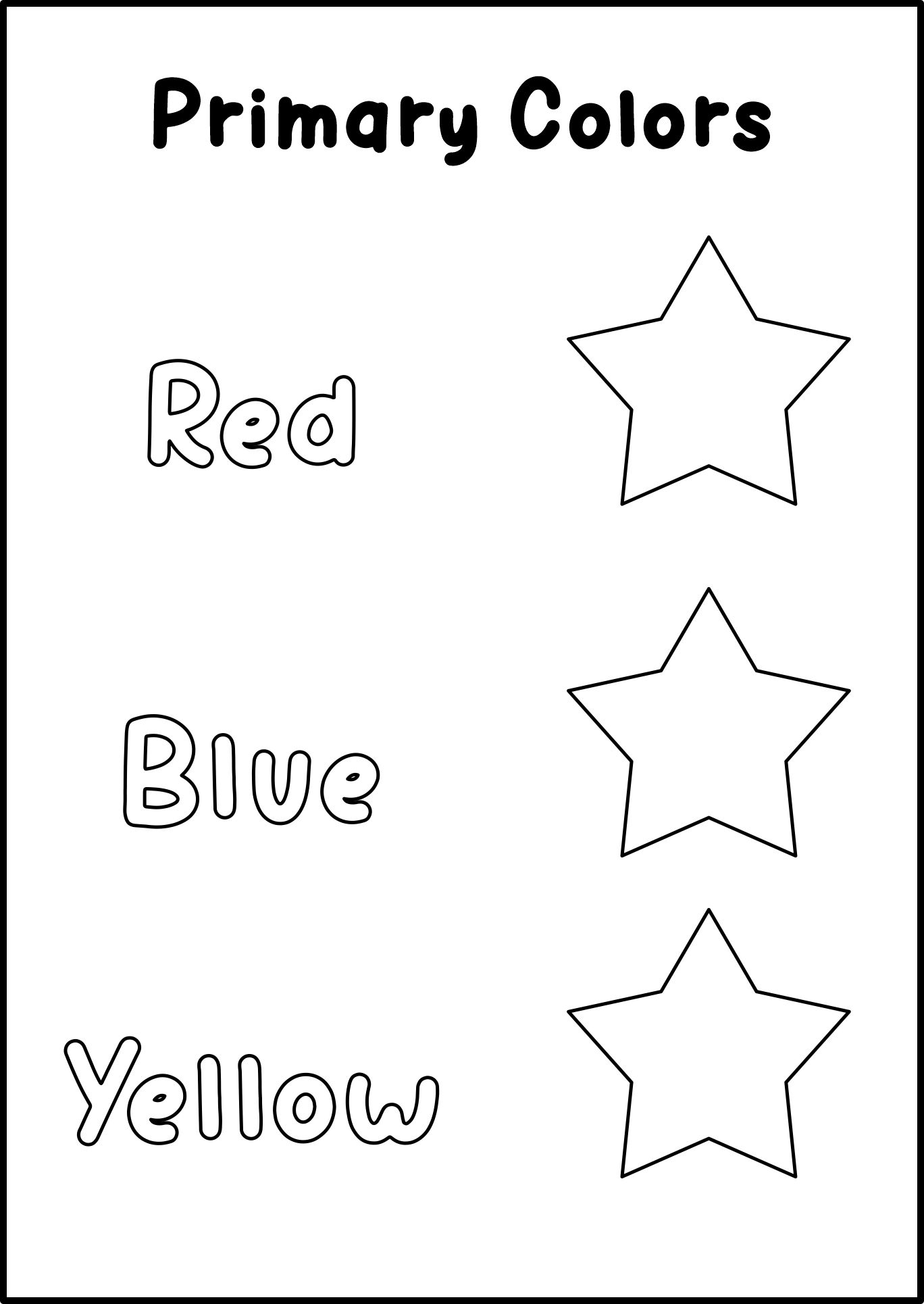
Premature fatigue, incorrect grip formations, and frustration over boundary containment represent the most frequent hurdles observed during early childhood coloring sessions. Educators counteract hand fatigue by keeping coloring sessions brief and utilizing hexagonal or triangular crayons that naturally prevent rolling and finger slipping. When children struggle to stay within lines, instructors substitute intricate illustrations with bold, thick-bordered geometric shapes, which can later be paired with name practice worksheets to maintain sustained engagement and progressive skill development.
💬 Frequently Asked Questions
Explore More Free Handwriting and Character Worksheets
Comprehensive early childhood education requires a diverse repository of printable resources designed to support every phase of motor and literacy development. Educators, parents, and homeschool providers can access an extensive library of free instructional printables directly at CharacterWritingWorksheets.com to elevate daily writing instruction.
Printable Coloring Page Previews