Introduction
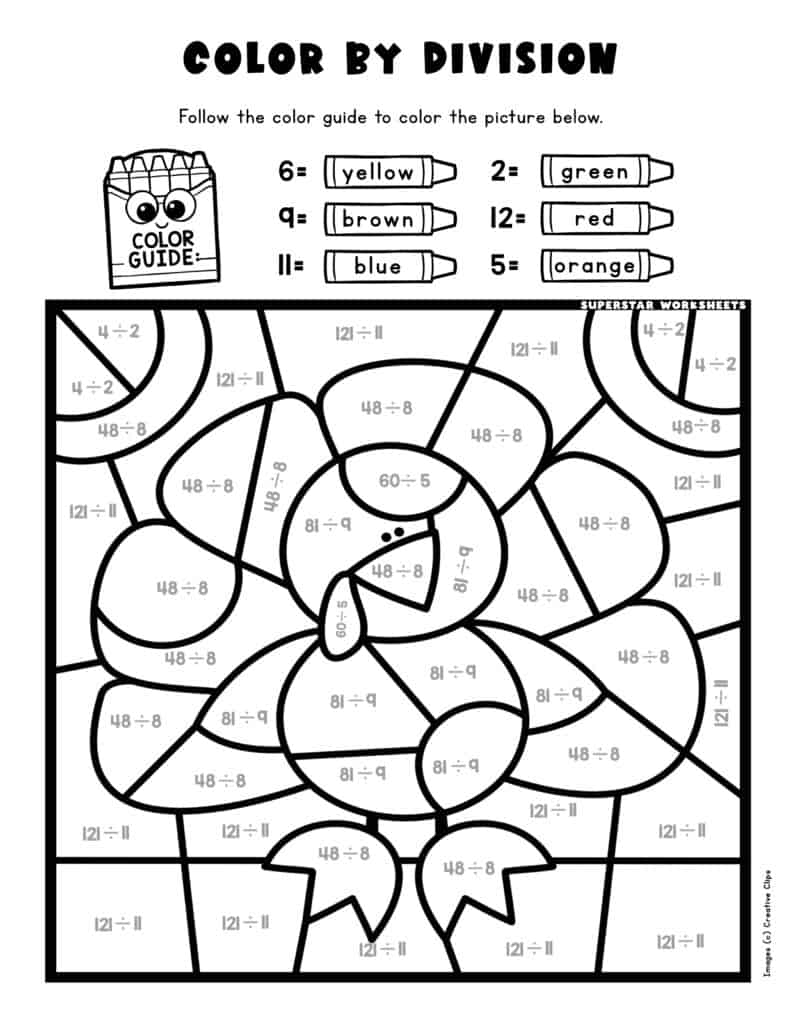
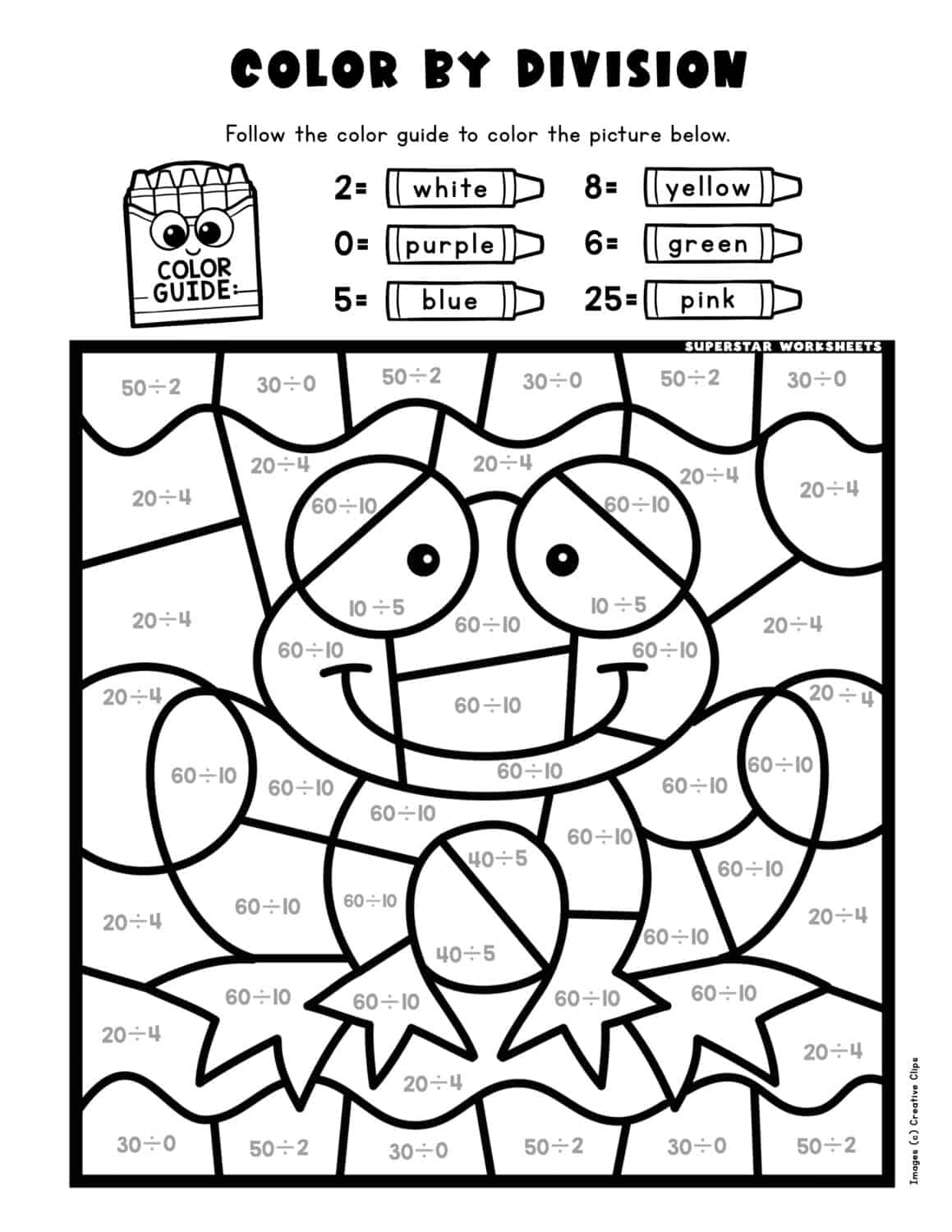
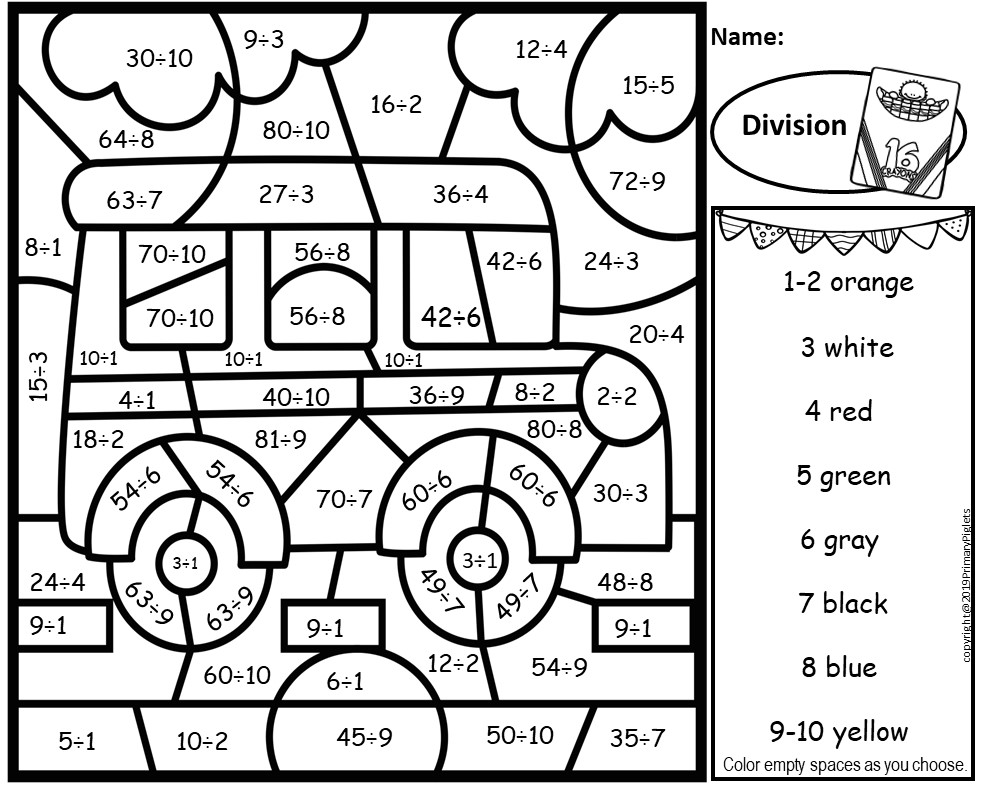
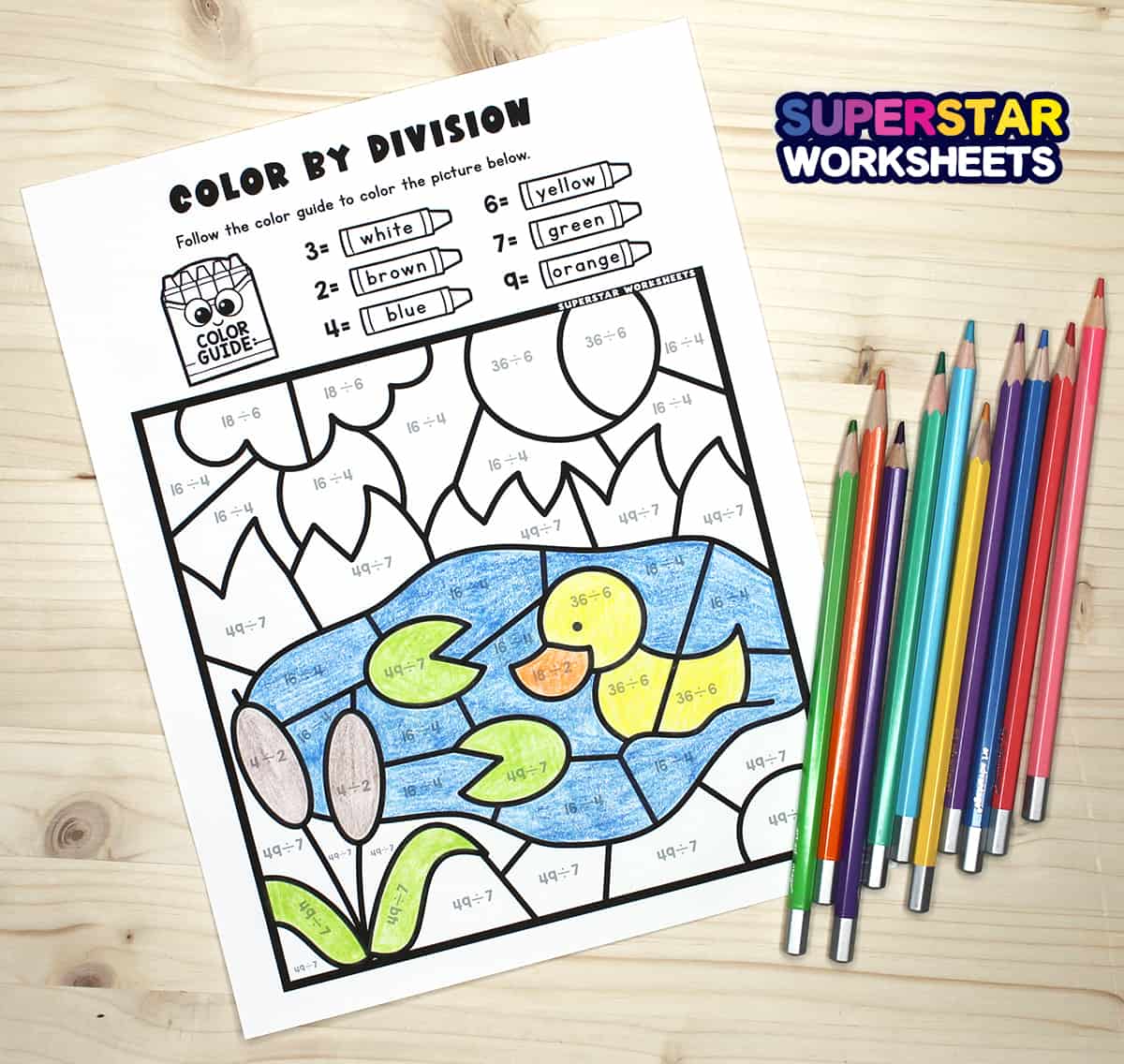
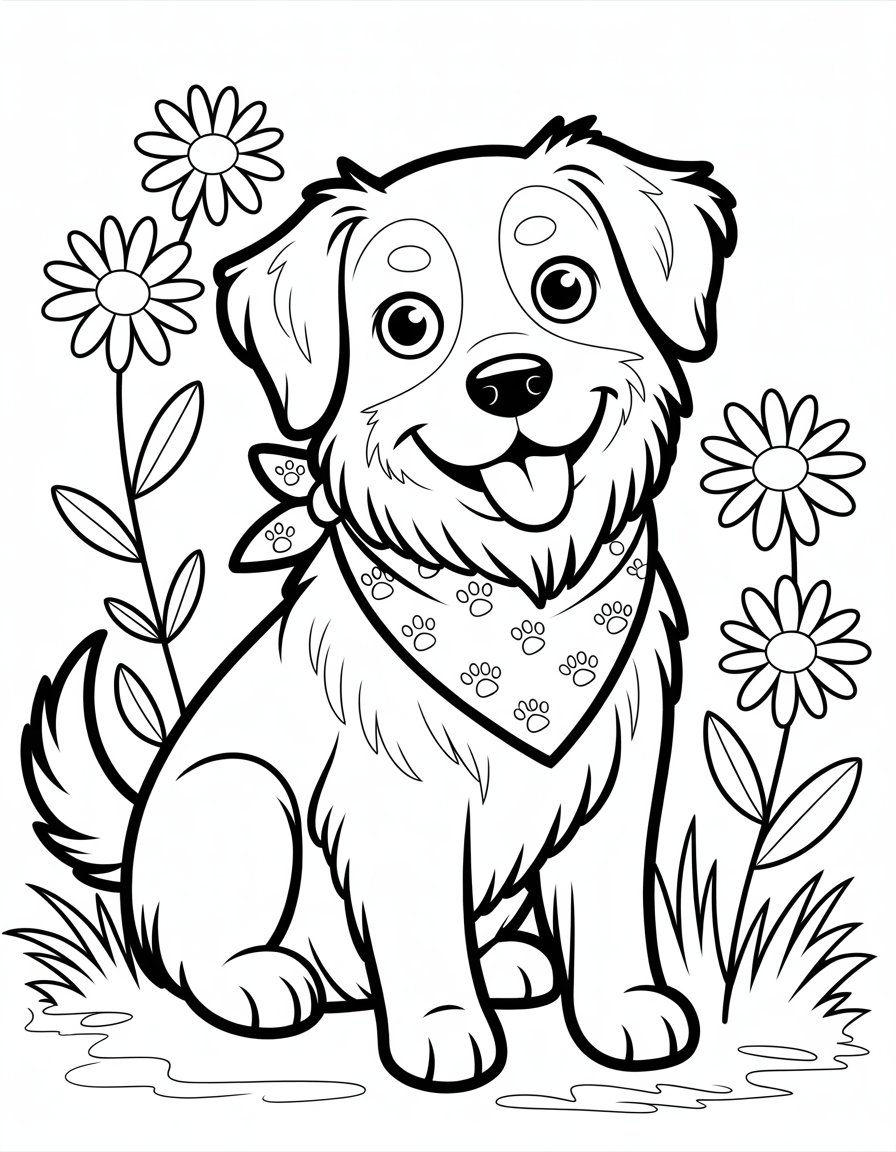
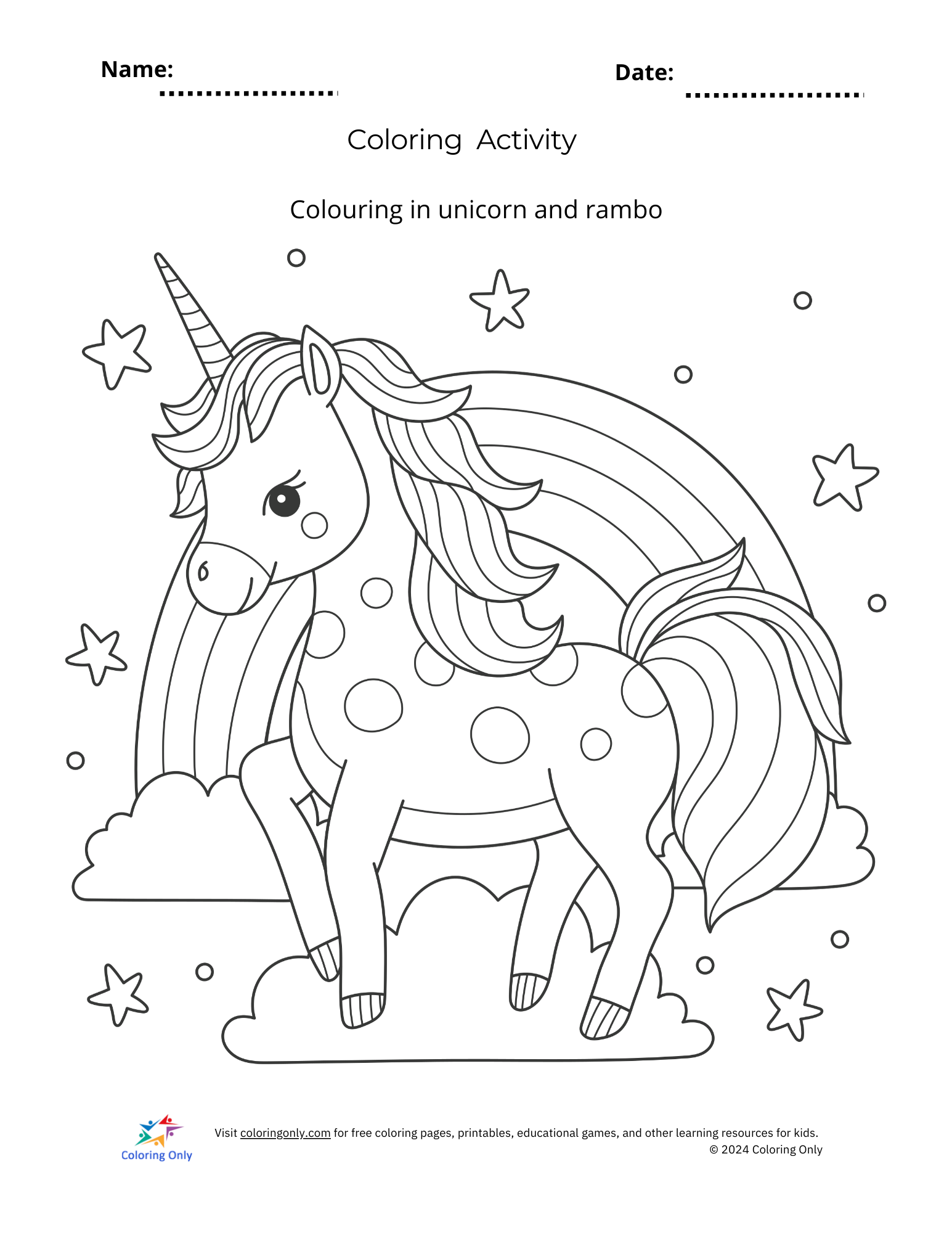
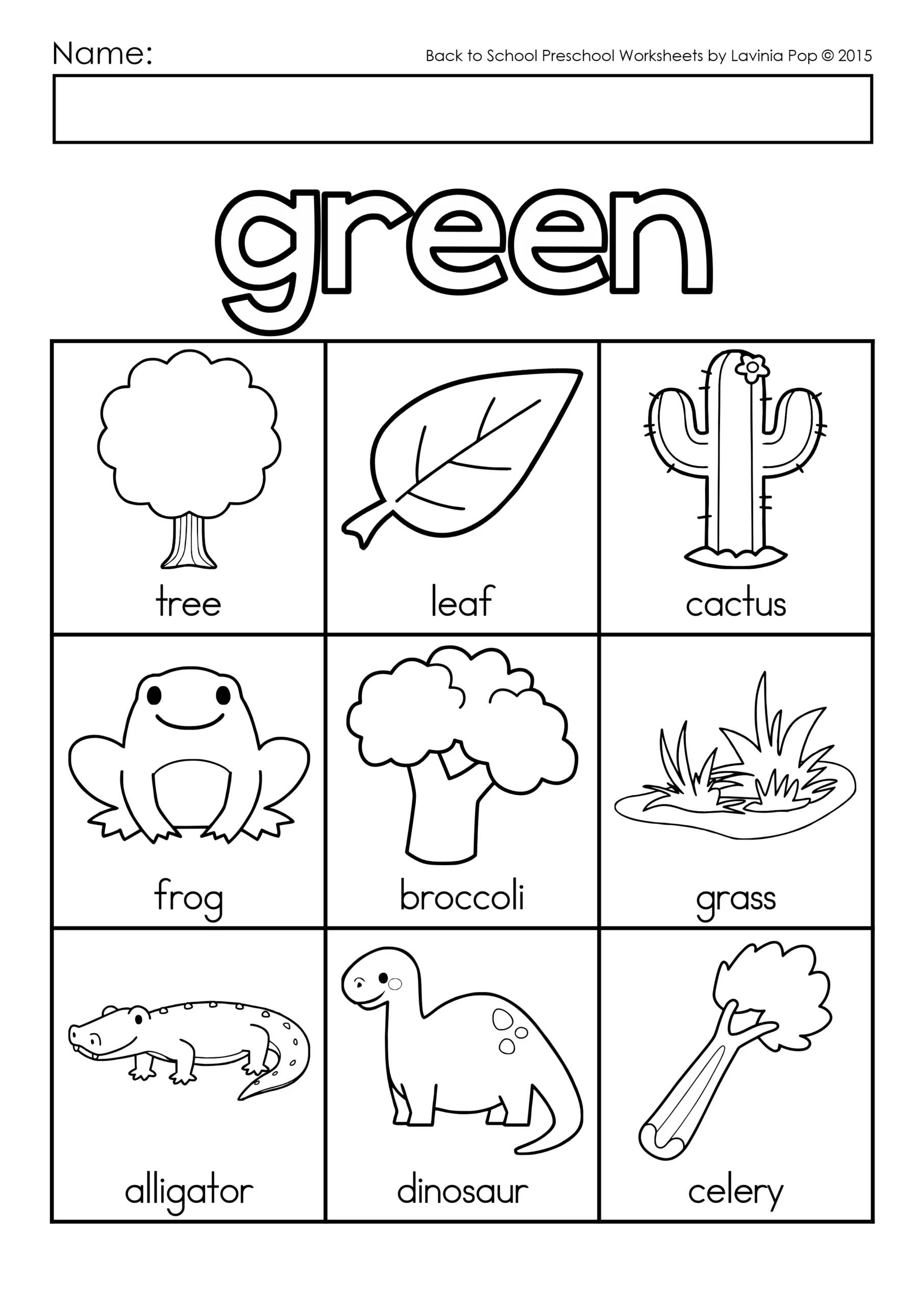
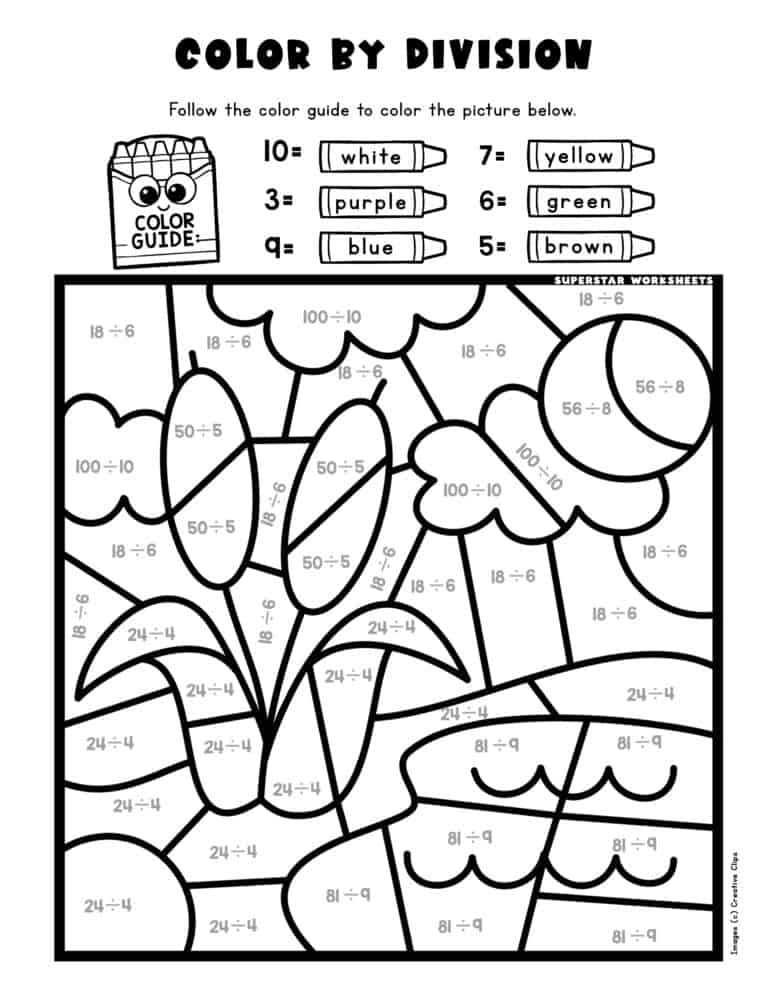
Coloring worksheet division refers to the deliberate structural separation of a printable page into distinct visual, motor, and tactile boundaries that isolate specific letter strokes, shapes, and character practice zones. According to the National Association for the Education of Young Children (NAEYC), purposeful fine-motor segmentation in early educational printables directly enhances a child’s pencil control, spatial awareness, and sustained attention during foundational writing instruction. Educators utilize this layout strategy to prevent cognitive overload, ensuring young learners master individual strokes before attempting complex multi-segment characters found in standard tracing worksheets.
Handwriting Practice Snapshot:
- Core Focus: Strategic spatial separation of graphic and letter-forming practice zones.
- Target Scope: Early childhood education, kindergarten literacy centers, and home-schooling environments.
- Key Recommendation: Pair bounded coloring segments directly with targeted letter writing worksheets to reinforce motor memory.
Core Principles and Detailed Overview
Coloring worksheet division operates on the principle that compartmentalized visual stimuli reduce visual clutter and direct micro-movements more efficiently. When page layouts isolate distinct character components into designated geometric sectors, learners experience improved hand-eye coordination and cleaner directional stroke execution. This pedagogical framework supports structured practice across various preschool worksheets by transforming unstructured coloring tasks into deliberate wrist-strengthening exercises. Occupational research highlights that segmenting a page into manageable visual blocks prevents grip fatigue and encourages proper three-finger tripod grasps.
Key Specifications and Breakdown
| Skill Level / Grade | Target Stroke / Mechanical Focus | Pedagogical / Coaching Cue |
|---|---|---|
| Early Preschool (Ages 3-4) | Gross wrist movements, boundary containment | “Keep the crayon inside the thick border lines.” |
| Late Preschool / Kindergarten (Ages 4-5) | Precision finger pivots, vertical and horizontal strokes | “Stop at the dividing line before changing direction.” |
| Early Elementary (Ages 5-6) | Letter-specific directional flow and pressure modulation | “Color this segment using smooth, top-to-bottom strokes.” |
Structured visual division on early learning materials significantly reduces motor planning errors by compartmentalizing complex spatial tasks into distinct, manageable cognitive steps — American Occupational Therapy Association (AOTA)
Step-by-Step Practical Application and Guidelines
Executing structured worksheet separation requires a methodical approach that aligns material design with physical child development milestones. Instructors must first review individual worksheets to verify that boundary lines feature adequate thickness and distinct contrast against white backgrounds. Next, facilitators should introduce the divided sections sequentially, preventing learners from jumping randomly across disparate visual zones. Educators can integrate specialized name practice worksheets alongside segmented coloring grids to connect abstract art boundaries with concrete literacy goals. Finally, regular observation of pencil pressure within these segmented regions ensures that learners maintain proper hand posture without excessive tension.
Common Challenges and How to Avoid Them
Over-complication of boundary lines represents the most frequent obstacle when utilizing segmented practice sheets with early learners. When division lines appear too thin or intricate, children frequently experience frustration and abandon correct stroke sequencing in favor of erratic scribbling. To counteract this issue, educators must select materials with bold, high-contrast borders that clearly delineate each practice zone. Additionally, avoiding overcrowded layouts prevents visual exhaustion, allowing young writers to focus entirely on precision, finger dexterity, and correct character formation.
💬 Frequently Asked Questions
Explore More Free Handwriting and Character Worksheets
Mastering early literacy mechanics requires a diverse library of structured printables that build fine-motor control progressively. Educators and parents can discover an extensive collection of expert-designed resources, including targeted coloring worksheets, by visiting CharacterWritingWorksheets.com today.
Printable Coloring Page Previews