Introduction
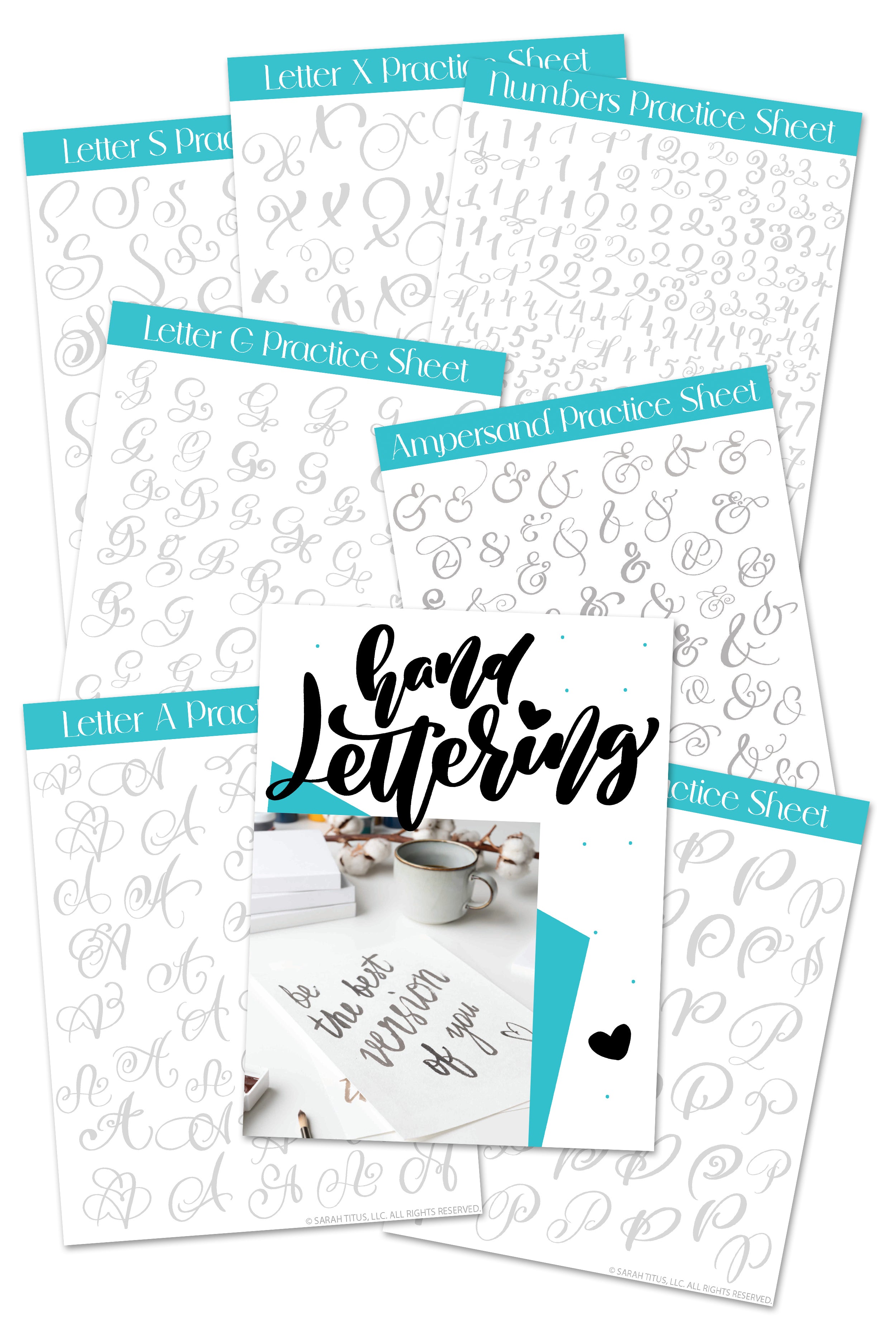
Mastering pencil control requires more than basic straight lines and repetitive loops. Children frequently encounter complex punctuation marks and symbols that demand advanced finger dexterity, spatial awareness, and fluid wrist movement. The ampersand practice sheet offers a targeted resource designed to bridge the gap between simple pre-writing strokes and complex symbol formation. Observing a young learner tackle the looping, winding shape of an ampersand often reveals distinct insights into their current hand strength and motor planning capabilities. Educators and therapists recognize that symbols like the ampersand challenge the brain to coordinate directional shifts that standard alphabet letters rarely require in a single continuous stroke. Integrating these specialized tools into daily routines strengthens the intrinsic muscles of the hand, preparing students for broader academic demands found across various Worksheets.
💡 Educational Key Takeaways:
- Core Skill: Structured Ampersand Practice Sheet focused on developing pencil grip, stroke control, and early literacy/math confidence.
- Target Scope: Suited for homeschoolers, preschool, kindergarten, and elementary learners.
- Best Recommendation: Practice 10–15 minutes daily with ergonomic writing tools to reinforce muscle memory without hand fatigue.
What This Worksheet Covers
This specific printable focuses entirely on the continuous motion required to form a clean, legible ampersand symbol. Learners navigate through graduated tracing exercises that begin with oversized, dotted models and gradually scale down to independent writing lines. Along the way, children engage their visual-motor integration systems, learning how to gauge starting points, curve around imaginary boundaries, and cross intersecting lines without losing control of the writing utensil. Such precision aligns closely with foundational goals often practiced within Tracing Worksheets, where line accuracy and steady pencil pressure dictate ultimate success.
Key Learning Outcomes
Repeated engagement with this printable yields measurable improvements in fine motor precision and cognitive symbol recognition. Children refine their dynamic tripod grasp as they navigate the sharp turns and sweeping loops inherent to the design. Furthermore, the exercise enhances bilateral coordination, requiring one hand to stabilize the paper while the dominant hand executes controlled, fluid movements. Educators often pair these targeted symbol drills with broader foundational exercises found in Preschool Worksheets to ensure a well-rounded approach to early school readiness.
How to Use This Worksheet
Successful implementation begins long before putting pencil to paper. Adults should first demonstrate the continuous stroke pattern in the air, allowing children to internalize the flowing motion through gross motor imitation before transferring that movement to a smaller scale. It sounds simple, and that is the point: breaking complex visual shapes into physical gestures removes the intimidation factor. Providing high-quality writing instruments, such as short triangular pencils or broken crayons, naturally encourages a correct functional grasp while working through the rows of symbols.
Practical Tips for Parents and Teachers
Creating a low-stress environment yields the best outcomes during fine motor skill sessions. Placing the printable on a slanted surface or a specialized writing board automatically positions the child’s wrist in a safe, extended posture, reducing fatigue and shielding early hand joints from strain. Limiting practice sessions to short, five-to-ten-minute intervals prevents frustration and maintains high engagement levels. When children begin to show signs of hand fatigue, shifting their focus to broader motor activities or creative tasks ensures a positive association with writing practice.
Age-Appropriate Recommendations
Introducing specialized symbols requires careful attention to developmental readiness. According to the National Association for the Education of Young Children (NAEYC) standards for developmentally appropriate practice, learning experiences must match the physical and cognitive capacities of the child. Younger children aged four to five benefit most from large-scale tactile tracing, while older kindergarteners and early elementary students can tackle the fine, controlled lines of standard-sized printouts. This structured progression supports overall literacy development without overwhelming immature hand structures.
According to the American Occupational Therapy Association (AOTA), fine motor skill acquisition is directly linked to early academic success and functional independence in the classroom environment. — AOTA Practice Guidelines
Frequently Asked Questions
Navigating early writing resources can raise questions regarding printing setup, optimal skill timing, and developmental milestones. The following answers address common inquiries from educators and families looking to maximize the benefits of fine motor printables.
Research highlighted by Reading Rockets demonstrates that explicit handwriting instruction significantly enhances letter recognition and overall writing fluency in young learners. — Reading Rockets
Explore More Free Printable Worksheets
Expanding a child’s fine motor toolkit requires access to a diverse array of targeted practice materials. Beyond advanced punctuation and symbol tracing, learners thrive when given opportunities to develop independent writing habits through specialized Letter Writing Worksheets. Building confidence further is easily achieved by integrating personalized practice found inside Name Practice Worksheets. Providing a balanced mix of structured symbol drills and creative pencil control exercises ensures that every child develops the physical endurance and spatial awareness necessary for lifelong writing success.
Developmental Milestone & Activity Table
| Development Stage | Recommended Daily Duration | Primary Learning Objective |
|---|---|---|
| Preschool & Pre-K | 10 – 15 Minutes | Pencil grip development & basic pre-stroke lines |
| Kindergarten | 15 – 20 Minutes | Letter/number formation & spatial line awareness |
| Early Elementary (Grade 1–2) | 20 – 30 Minutes | Fluency, sentence construction & neatness |
Images References