Introduction
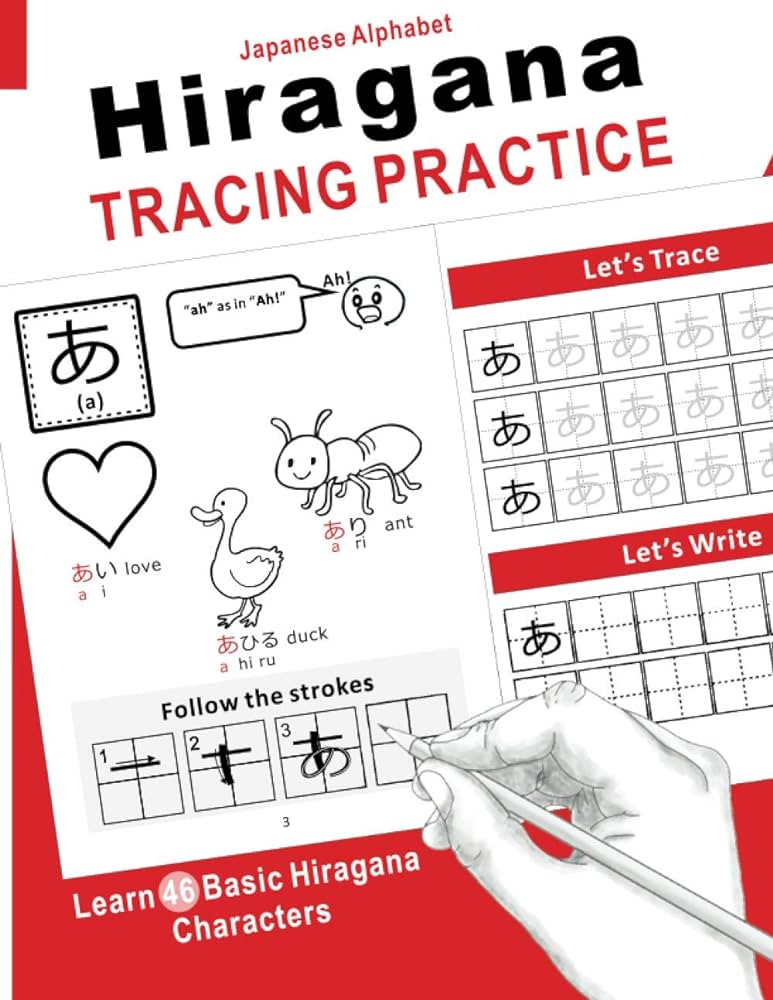
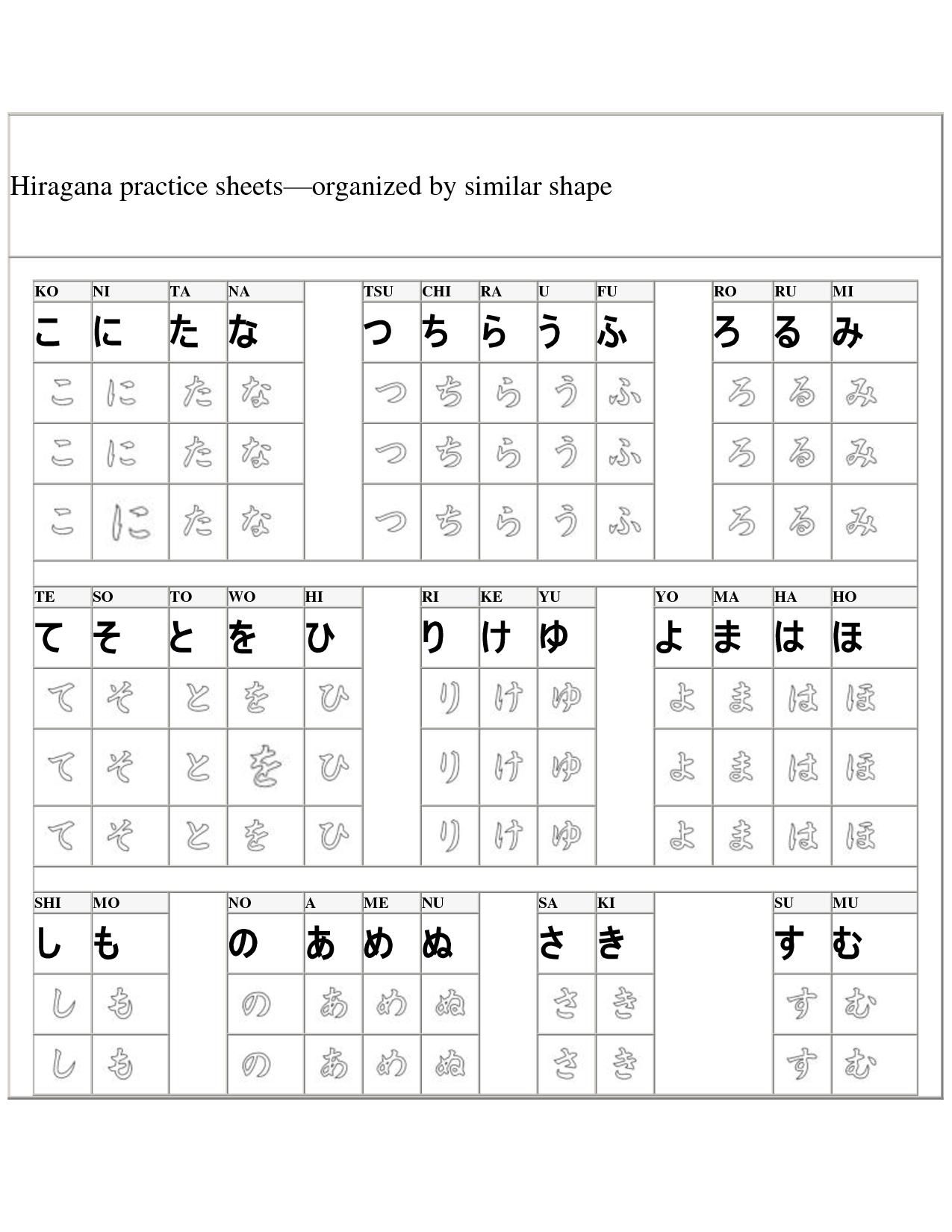
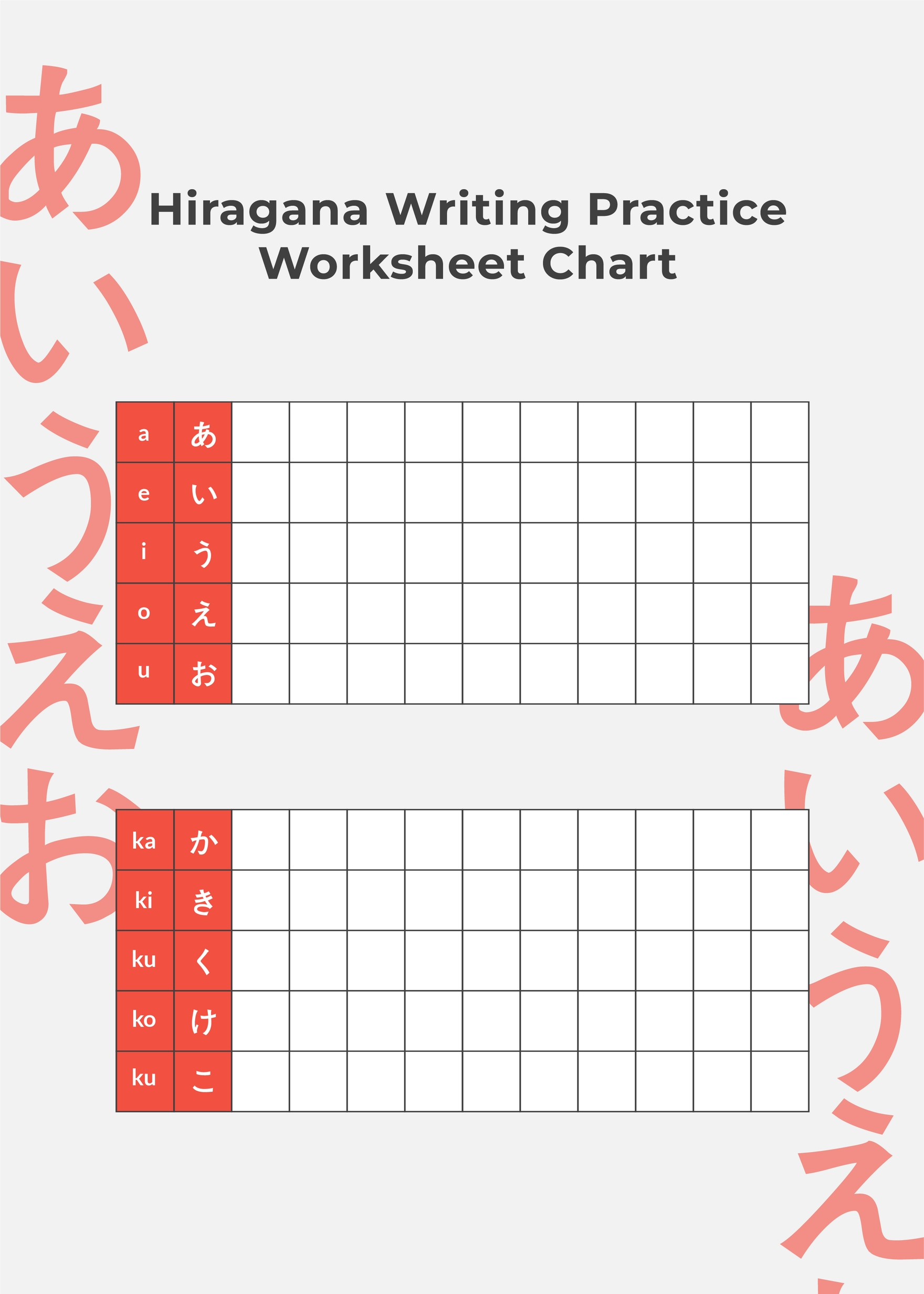
Introducing a new writing system to young children requires careful navigation of fine motor control, visual-spatial awareness, and sequential memory. The free printable hiragana tracing practice sheet provides a structured pathway for developing early Japanese literacy alongside foundational pencil skills. Mastering these distinct phonetic characters goes beyond simple copying; it demands precise hand-eye coordination and an understanding of stroke directionality. When children sit down to guide a writing utensil along dotted lines, complex neurological pathways activate in the brain. Educators often observe young learners holding their breath while attempting intricate loops and sharp corners, demonstrating just how much physical and mental effort goes into early line accuracy. Resources found within specialized collections like Tracing Worksheets help build this necessary muscle memory before asking children to produce characters freehand. Transitioning from basic pre-writing strokes to complex syllabaries requires patience, consistency, and targeted materials that break down each character into manageable visual components.
💡 Educational Key Takeaways:
- Core Skill: Structured Hiragana Tracing Practice Sheet focused on developing pencil grip, stroke control, and early literacy/math confidence.
- Target Scope: Suited for homeschoolers, preschool, kindergarten, and elementary learners.
- Best Recommendation: Practice 10–15 minutes daily with ergonomic writing tools to reinforce muscle memory without hand fatigue.
What This Worksheet Covers
Every single character in the Japanese hiragana syllabary possesses a specific stroke order that dictates how the pencil moves across the page. This practice sheet guides learners through these precise formations, emphasizing horizontal lines, vertical drops, and smooth curved loops. Proper stroke sequence prevents hand fatigue and lays the groundwork for fluid, legible handwriting later in life. It sounds simple, and that’s the point: repetition builds the automated muscle memory required for confident execution. Beyond Japanese language acquisition, working through these detailed stroke patterns heavily reinforces foundational skills highlighted in comprehensive Preschool Worksheets libraries. Children learn to manage spatial boundaries, maintain consistent pencil pressure, and respect directional arrows that indicate where a stroke begins and ends.
Key Learning Outcomes
Consistent interaction with these structured tracing exercises yields measurable improvements in fine motor control and visual discrimination. According to the American Occupational Therapy Association, foundational fine motor tasks directly support a child’s ability to manipulate small objects, manage fasteners, and execute controlled pencil strokes during academic activities. Learners develop enhanced hand strength and intrinsic muscle endurance as they navigate the varied geometry of curves and straight lines. Furthermore, repetition aids in visual-spatial memory, allowing young minds to retain the distinct shapes of characters rather than viewing them as random collections of marks. Building familiarity with diverse writing systems also fosters early cognitive flexibility, encouraging children to recognize distinct patterns and structural rules across different languages.
How to Use This Worksheet
Facilitating successful writing sessions begins with optimal seating and proper writing tool selection. Children should sit with feet flat on the floor and hips positioned at a ninety-degree angle, ensuring stable core support for upper-extremity mobility. Providing broken crayons or short pencils naturally encourages an efficient tripod grasp by limiting the fingers’ ability to wrap entirely around the barrel. Adults should model the correct stroke sequence aloud, verbalizing movements like “top to bottom” or “sweep around” to engage auditory learners. Pairing this activity with broader resources from broader Letter Writing Worksheets collections helps bridge the gap between phonetic symbols and standard alphabet formation.
Practical Tips for Parents and Teachers
Frustration often arises when children attempt too many characters in a single sitting, leading to poor grip adjustments and sloppy line adherence. Setting a timer for short, five-minute bursts of focused tracing keeps energy levels high and prevents hand cramping. Placing the printed sheet inside a transparent dry-erase sleeve allows learners to practice the same character multiple times without the pressure of permanent mistakes. Tracing over raised textures, such as sandpaper cutouts or puffy paint lines, before touching the paper provides valuable tactile feedback. Observing how a child approaches a corner reveals a great deal about their current visual-motor integration skills, guiding decisions on when to offer physical hand-over-hand assistance or when to step back and encourage independence.
Age-Appropriate Recommendations
According to the National Association for the Education of Young Children guidelines for developmentally appropriate practice, children between the ages of four and eight benefit most from playful, hands-on writing tasks that respect individual motor maturity. Four-year-olds typically focus on larger pre-writing strokes, vertical and horizontal lines, and simple intersecting crosses. By age six, fine motor dexterity improves enough to tackle the nuanced, multi-stroke curves found in foundational hiragana characters. Adults must avoid forcing prolonged writing sessions on children whose hand muscles tire quickly, as fatigue promotes compensatory, inefficient grips that prove difficult to break later on.
Fine motor control and tool manipulation are directly correlated with early academic success and sustained engagement in classroom writing activities. — American Occupational Therapy Association (AOTA)
Frequently Asked Questions
Clear guidance helps families and educators maximize the benefits of these printable resources. The answers below address common questions regarding access, skill integration, and developmental appropriateness.
Explore More Free Printable Worksheets
Expanding a child’s toolkit of writing resources keeps engagement high and supports holistic skill development across multiple domains. Educators and parents can easily supplement Japanese literacy practice with activities from various related categories. Exploring options within Coloring Worksheets offers fantastic opportunities to build essential hand strength and pencil control in a relaxed, creative format. Additionally, discovering fresh material across the broader directory of Worksheets ensures learners always have access to targeted, high-quality practice pages suited to their evolving developmental needs.
Developmental Milestone & Activity Table
| Development Stage | Recommended Daily Duration | Primary Learning Objective |
|---|---|---|
| Preschool & Pre-K | 10 – 15 Minutes | Pencil grip development & basic pre-stroke lines |
| Kindergarten | 15 – 20 Minutes | Letter/number formation & spatial line awareness |
| Early Elementary (Grade 1–2) | 20 – 30 Minutes | Fluency, sentence construction & neatness |
Images References