Introduction
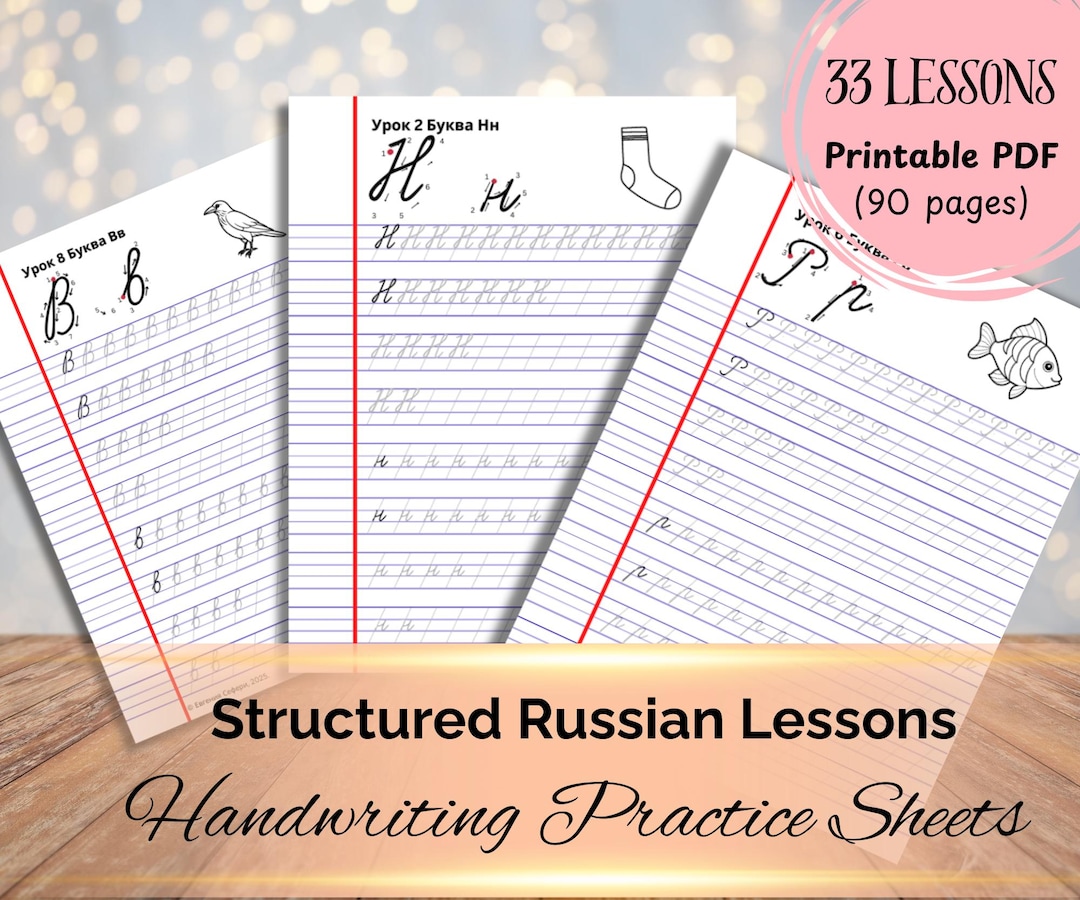
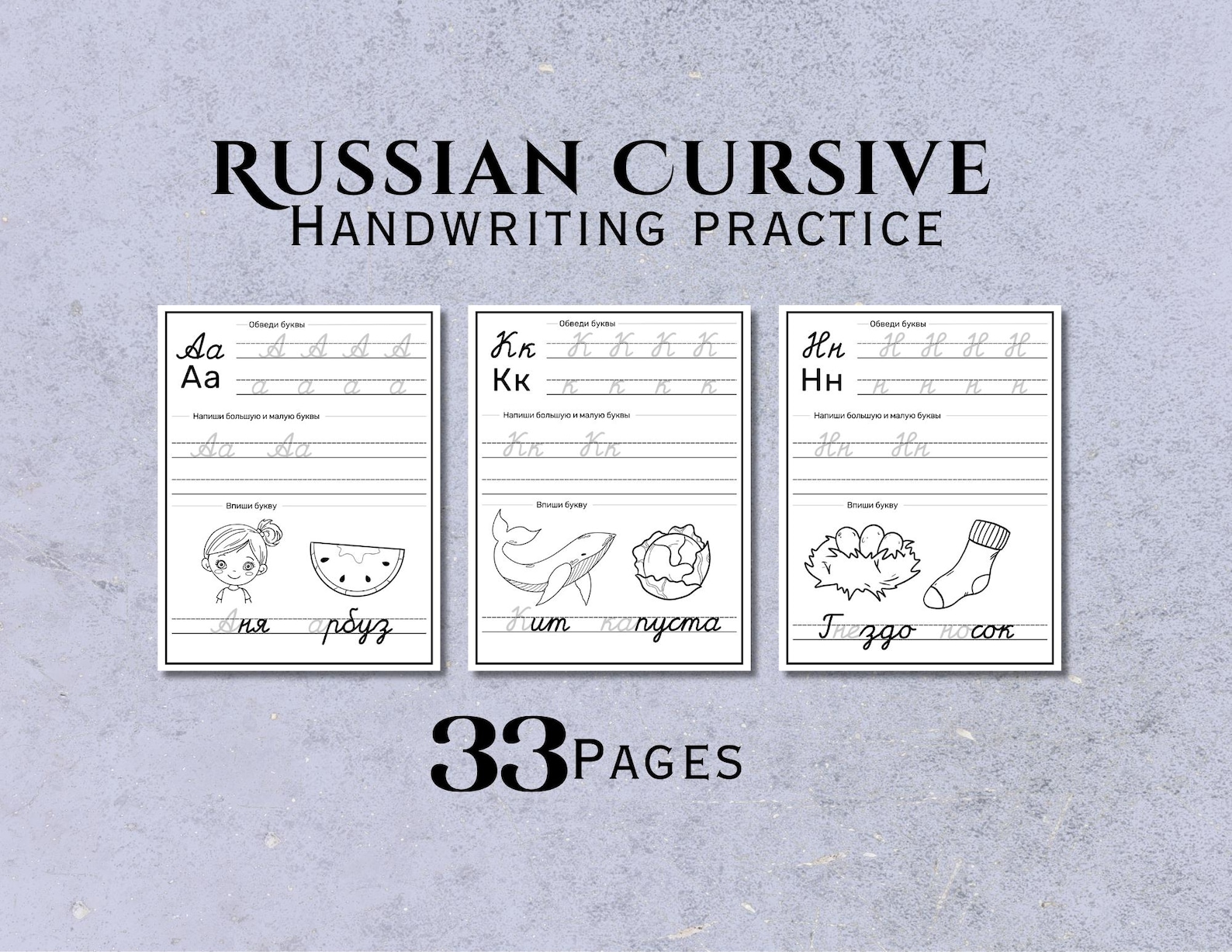
Mastering a new script requires specialized foundational control, particularly when shifting from standard print to fluid, connected handwriting styles. The free printable cyrillic cursive worksheet provides targeted repetition for learners acquiring the intricate ligatures and sweeping loops characteristic of the Russian alphabet. Children often grip pencils with white-knuckled intensity when encountering unfamiliar letterforms, forgetting posture and paper stabilization entirely. Introducing structured cursive resources bridges the gap between abstract character recognition and automatic motor execution. Educators frequently observe that structured tracing pages calm anxious learners by establishing a predictable, rhythmic physical cadence. Providing explicit visual pathways helps young writers coordinate complex multi-directional strokes without experiencing overwhelming cognitive fatigue.
💡 Educational Key Takeaways:
- Core Skill: Structured Cyrillic Cursive Worksheet focused on developing pencil grip, stroke control, and early literacy/math confidence.
- Target Scope: Suited for homeschoolers, preschool, kindergarten, and elementary learners.
- Best Recommendation: Practice 10–15 minutes daily with ergonomic writing tools to reinforce muscle memory without hand fatigue.
What This Worksheet Covers
Every page focuses heavily on letter formation, stroke order, and proportional spacing between ascending and descending stems. Unlike standard print practice found in typical Letter Writing Worksheets, this resource addresses the continuous flow required to link characters like ‘л’, ‘м’, and ‘я’ seamlessly. Learners navigate slanted guide lines that enforce consistent letter slant and baseline alignment. Careful attention is paid to entry and exit strokes, which dictate how one letter transitions fluidly into the next without lifting the writing utensil. Such precision builds essential intrinsic muscle memory in the hand.
Key Learning Outcomes
Consistent interaction with these materials refines bilateral hand coordination and visual-motor integration at a neurological level. Children systematically improve pencil pressure regulation, stopping jagged lines and uneven loops from forming across the page. According to the American Occupational Therapy Association, engagement in structured handwriting tasks directly correlates with enhanced upper extremity stability and refined distal finger control. Learners also develop spatial awareness, ensuring letters remain correctly proportioned relative to the primary writing line. This targeted practice strengthens the neural pathways responsible for translating visual symbols into coordinated physical outputs effortlessly.
How to Use This Worksheet
Successful implementation begins with posture: feet flat on the floor, hips pushed back against the chair seat, and the non-dominant hand stabilizing the page. Adults should demonstrate the starting point of each letter explicitly, verbalizing the directional path before allowing independent attempts. It sounds simple, and that’s the point. Breaking complex cursive chains into smaller, digestible components prevents frustration during early sessions. Educators often pair these sheets with supplementary foundational exercises found across broader collections of Worksheets to reinforce pencil control holistically.
Practical Tips for Parents and Teachers
Limiting practice sessions to short, ten-minute increments prevents hand cramping and cognitive burnout among developing learners. Using alternative utensils like short colored pencils or broken crayons naturally encourages an optimal three-point grasp by restricting the space available for improper fist grips. Tracing over laminated copies with dry-erase markers adds a tactile, low-stakes dimension that invites repeated trial and error. Furthermore, celebrating individual well-formed connectors rather than demanding entire flawless pages keeps motivation high. Adults must remain patient observers, stepping in only to correct persistent wrist anchoring or improper paper tilting.
Age-Appropriate Recommendations
Introducing connected script aligns closely with the developmental expectations outlined in the National Association for the Education of Young Children Developmentally Appropriate Practice framework. Typically, children aged seven to nine possess the necessary fine motor maturity, visual perception, and finger dexterity required for cursive mastery. Younger learners exploring early developmental concepts should instead utilize Preschool Worksheets to build foundational hand strength safely. For older students refining specific alphabetical styles, incorporating specialized resources like Name Practice Worksheets creates meaningful, personalized connections to the mechanics of handwriting. Scaffolded progression guarantees that children never face demands exceeding their current musculoskeletal development.
According to the American Occupational Therapy Association, regular participation in targeted handwriting activities significantly improves fine motor precision and classroom endurance in school-aged children. — AOTA
Frequently Asked Questions
Caregivers often wonder how to access, print, and utilize these specialized resources effectively at home or within a bustling classroom environment. Clear answers regarding file formats, developmental readiness, and mechanical benefits ensure optimal educational outcomes for every single child utilizing the printables.
According to the National Center for Learning Disabilities, explicit handwriting instruction supports orthographic mapping and enhances overall reading fluency. — NCLD
Explore More Free Printable Worksheets
Expanding a child’s writing toolkit requires diverse, engaging resources tailored to every stage of developmental readiness. Educators and parents can discover additional creative avenues by exploring supplementary Tracing Worksheets designed to hone pre-writing accuracy. Complementary artistic activities found within curated collections of Coloring Worksheets further build essential hand strength and focus. Integrating these varied exercises ensures a balanced, enjoyable, and robust foundation for lifelong literacy and fine motor excellence.
Developmental Milestone & Activity Table
| Development Stage | Recommended Daily Duration | Primary Learning Objective |
|---|---|---|
| Preschool & Pre-K | 10 – 15 Minutes | Pencil grip development & basic pre-stroke lines |
| Kindergarten | 15 – 20 Minutes | Letter/number formation & spatial line awareness |
| Early Elementary (Grade 1–2) | 20 – 30 Minutes | Fluency, sentence construction & neatness |
Images References