Introduction
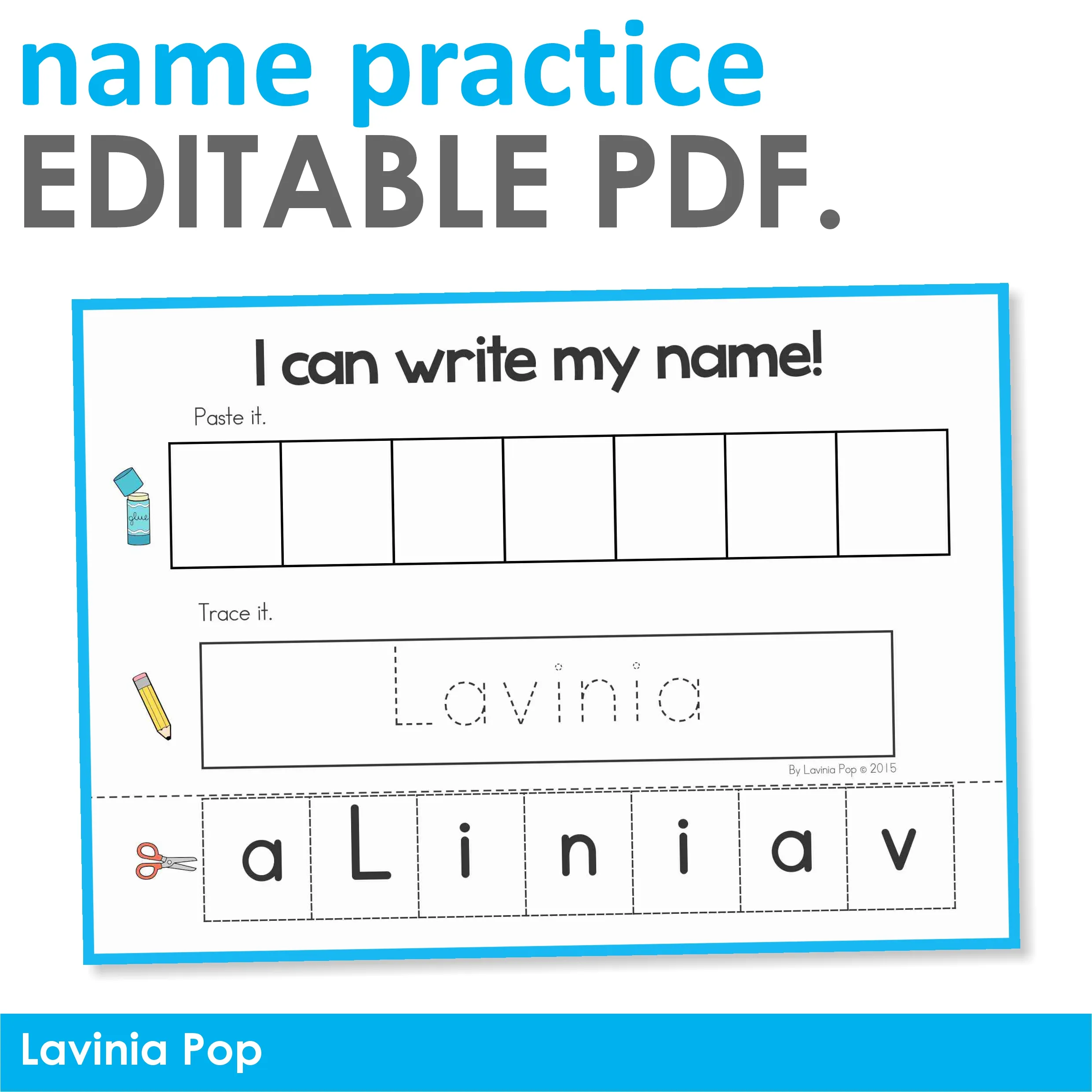
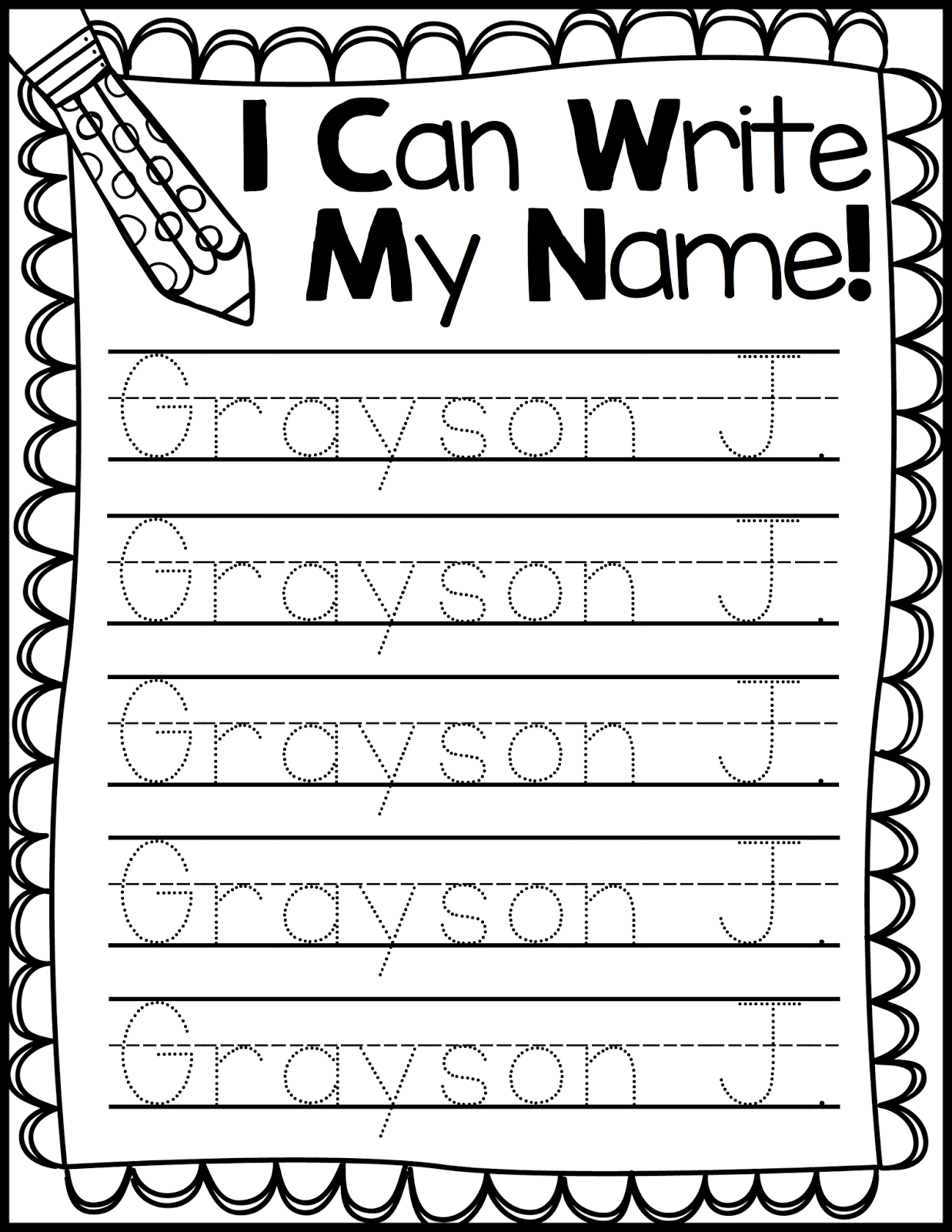
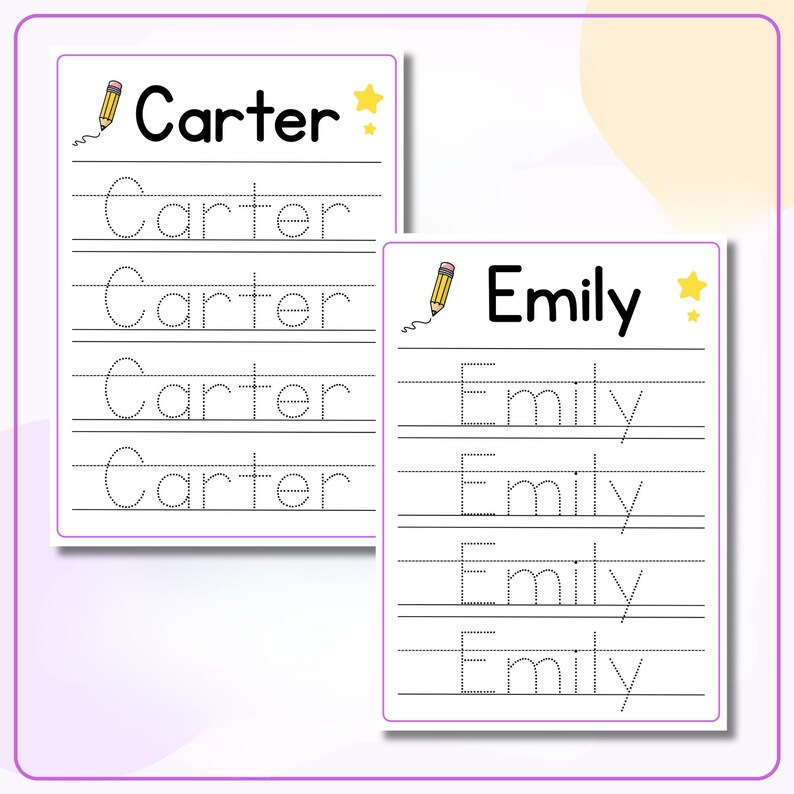
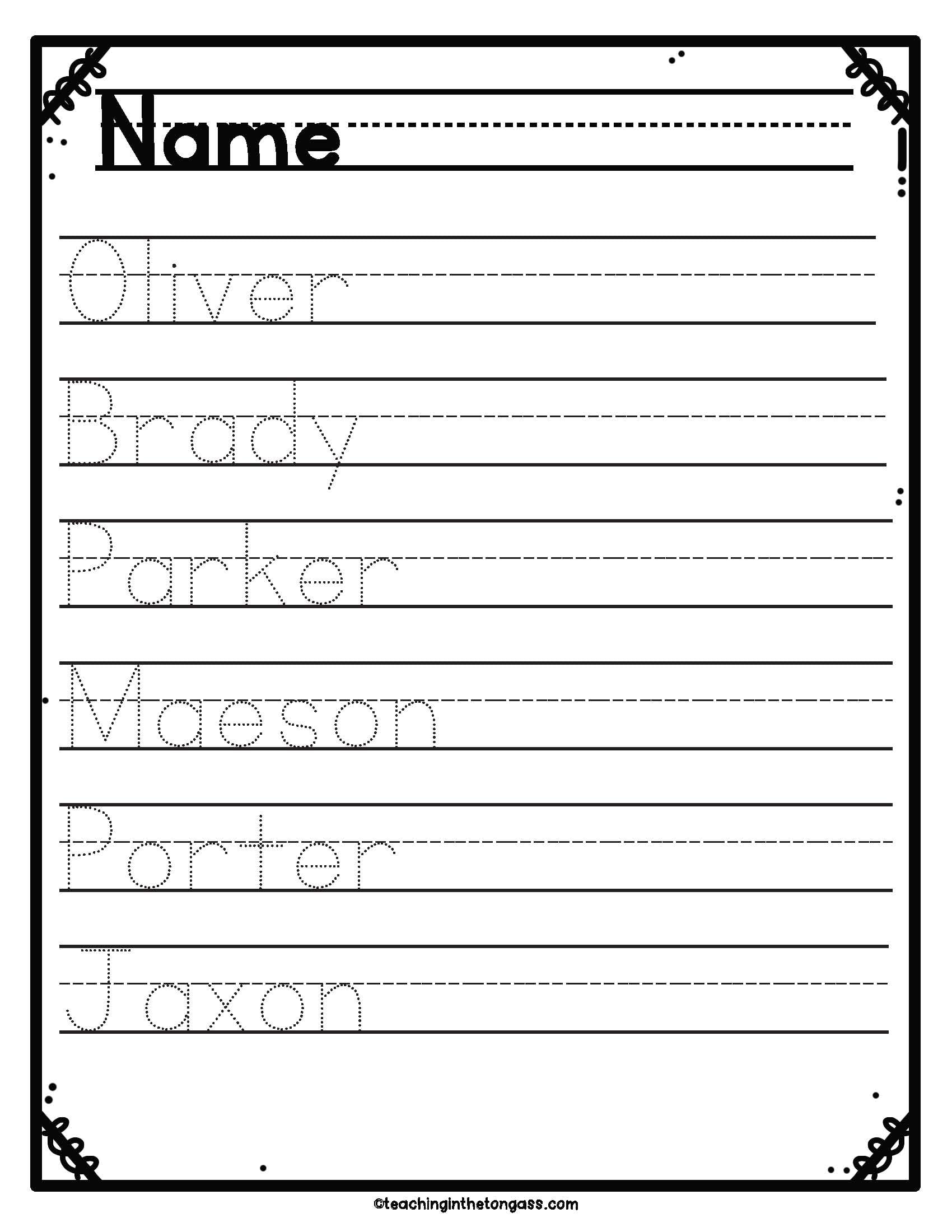
Name practice worksheets for preschool serve as foundational pedagogical tools designed to transition young learners from gross-motor scribbling to precise, intentional letter formation. According to the National Association for the Education of Young Children (NAEYC), meaningful early literacy experiences must integrate sensory-rich fine-motor skill development with personally relevant symbols, making a child’s own given name the optimal starting point for formal handwriting instruction. Utilizing structured name practice worksheets accelerates letter recognition while establishing correct biomechanical habits for future academic writing tasks across diverse preschool worksheets.
Handwriting Practice Snapshot:
- Core Focus: Personalized letter formation and stroke sequence mastery using a child’s unique name.
- Target Scope: Early childhood educational settings, homeschool environments, and occupational therapy interventions.
- Key Recommendation: Pair structured visual templates with multi-sensory tracing before expecting independent freehand reproduction.
Core Principles and Detailed Overview
Name practice worksheets for preschool establish critical hand-eye coordination by enforcing consistent directional strokes, proportional sizing, and spatial awareness on baseline guides. Effective instructional design requires a gradual release model, transitioning from solid-line tracing to dotted-font guidelines, and finally to independent box-grid writing. Educators integrate these targeted assets alongside letter writing worksheets to reinforce phonetic awareness and orthographic memory simultaneously, supporting both fine-motor dexterity and cognitive symbol association.
Key Specifications and Breakdown
| Skill Level / Grade | Target Stroke / Mechanical Focus | Pedagogical / Coaching Cue |
|---|---|---|
| Early Preschool (Ages 3-4) | Horizontal lines, vertical pulls, and continuous curves. | “Start at the top dot and pull straight down like a waterfall.” |
| Mid Preschool (Ages 4-5) | Diagonal slants, closed circles, and uppercase capital letter sizing. | “Trace slowly along the grey train tracks without lifting the pencil.” |
| Late Preschool / Kindergarten (Ages 5-6) | Lowercase descenders, proportional spacing, and baseline alignment. | “Keep the tall letters touching the ceiling and small letters inside the fence.” |
Fine-Motor Readiness Principle: Fine-motor control and proximal stability must be developed through multi-sensory manipulation before expecting sustained precision on standard two-dimensional paper formats. — American Occupational Therapy Association (AOTA). Related guide: The Name Lily In Cursive.
Step-by-Step Practical Application and Guidelines
Name practice worksheets for preschool yield optimal literacy outcomes when implemented through structured, low-stress daily routines lasting no longer than five to ten minutes. Instructors should first model correct pencil grasp (dynamic tripod) and explicit verbal stroke cues while completing the initial model row. Learners then trace highlighted models using varied tactile mediums, such as colored pencils or fine-tip markers, before advancing to standard graphite pencils on unassisted tracing worksheets.
Common Challenges and How to Avoid Them
Premature fatigue, letter reversals, and improper pencil grips represent the most frequent obstacles encountered during early handwriting instruction. Educators can prevent physical exhaustion by limiting repetitive drill lengths and substituting standard writing utensils with shorter, triangular crayons that naturally encourage proper finger placement. When children exhibit persistent letter inversions, pairing name templates with supplemental coloring worksheets helps reinforce visual-spatial boundaries in a relaxed, low-pressure context.
💬 Frequently Asked Questions
Explore More Free Handwriting and Character Worksheets
Building robust early literacy and pencil control requires a continuous supply of dynamic, engaging practice materials tailored to developing learners. Educators, parents, and homeschool instructors can access an extensive library of free educational assets, specialized practice drills, and creative printables by visiting the main repository at CharacterWritingWorksheets.com for all foundational worksheets.
Worksheet Previews & Reference Materials