Introduction
A letter writing worksheet for class 5 serves as a targeted pedagogical tool designed to bridge foundational stroke mechanics with advanced compositional fluency and stylistic consistency. According to the International Literacy Association (ILA), structured daily writing practice significantly enhances orthographic mapping, text legibility, and long-term cognitive processing speeds among fifth-grade learners. Educators and parents utilize these specialized letter writing worksheets to refine spatial organization, cursive connectivity, and formal letter formatting standards. Establishing clear baseline benchmarks during this pivotal academic year ensures students transition smoothly from mechanical handwriting to expressive, professional-grade composition across all cross-curricular subjects and standardized assessments.
Handwriting Practice Snapshot:
- Core Focus: Advanced letter writing worksheet for class 5 focusing on structural letter formation, formal correspondence layout, and consistent slant.
- Target Scope: Fifth-grade classrooms, homeschooling environments, and upper-elementary occupational therapy interventions.
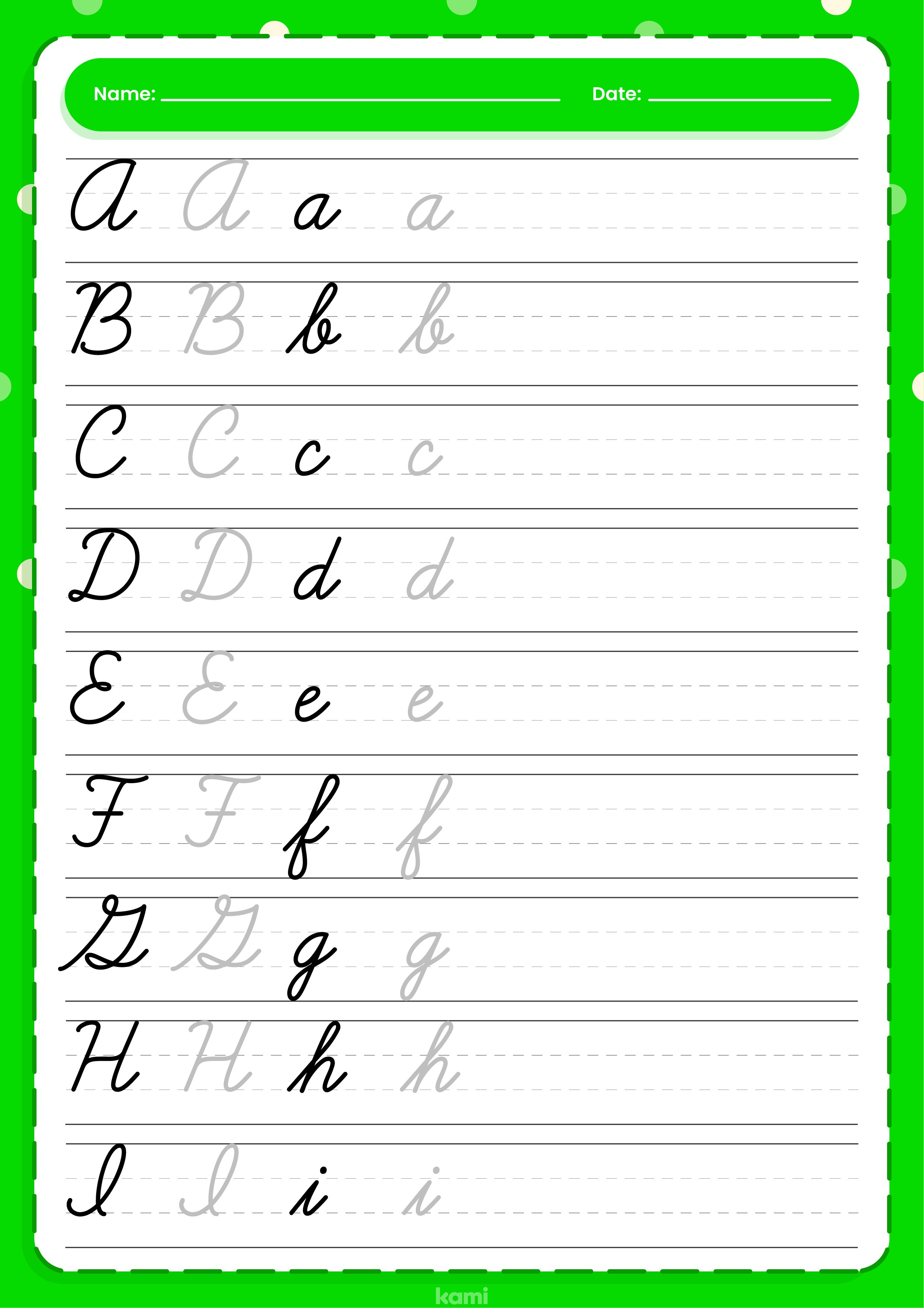
- Key Recommendation: Pair structured lined practice templates with tracing worksheets to reinforce complex multi-stroke letter shapes and spacing control.
Core Principles and Detailed Overview
Advanced letter writing worksheet for class 5 designs incorporate precise baseline alignment grids, paragraph indentations, and formal salutation-to-signoff placement zones. Fifth-grade fine-motor development requires sustained grip endurance, precise pressure modulation, and rapid automaticity to maintain legibility during extended writing sessions. Instructional designers structure these practice pages to reduce cognitive load by separating mechanical stroke execution from creative composition, allowing students to focus entirely on letter height, proportion, and alignment. Utilizing quality worksheets helps cultivate professional communication standards, preparing learners for middle school workloads where legible, rapid handwriting directly correlates with academic achievement and note-taking efficiency.
Key Specifications and Breakdown
| Skill Level / Grade | Target Stroke / Mechanical Focus | Pedagogical / Coaching Cue |
|---|---|---|
| Grade 5 Transition | Consistent slant, uniform height, and proper baseline anchoring. | “Keep the pencil moving fluidly while maintaining firm control on downward strokes.” |
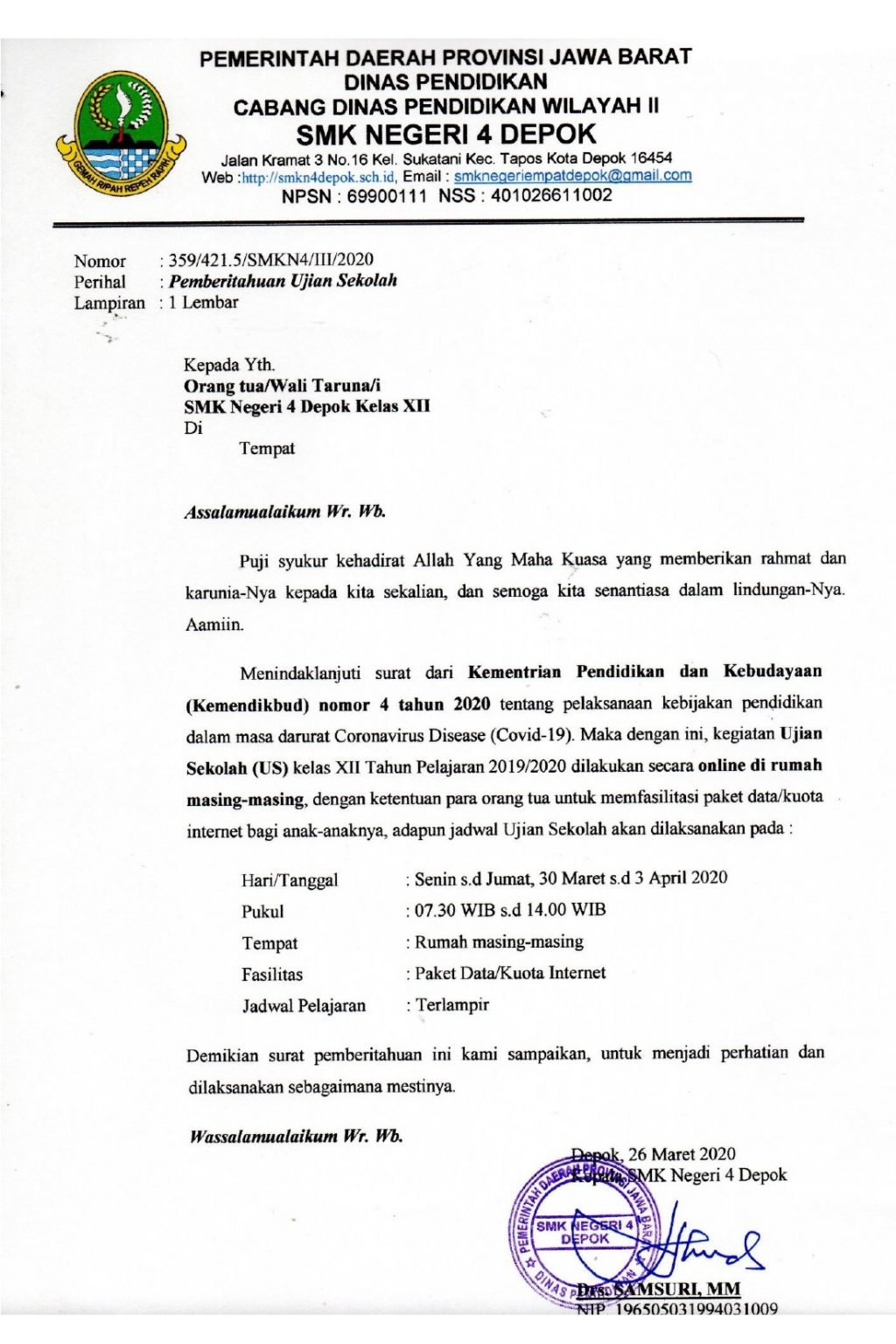
| Formal Correspondence | Heading, salutation, body indentation, and closing placement. | “Check horizontal margins and ensure exact alignment for formal section breaks.” |
| Endurance & Speed | Rhythmic pacing, minimal hand fatigue, and fluid cursive loops. | “Relax the grip and allow the wrist to glide smoothly across the paper surface.” |
Upper-elementary handwriting interventions must emphasize efficient neuromuscular patterning, proper posture, and ergonomic pencil grasps to prevent hand strain during extended writing tasks — American Occupational Therapy Association (AOTA)
Step-by-Step Practical Application and Guidelines
Implementing a structured letter writing worksheet for class 5 begins with verifying correct seating posture, feet flat on the floor, and a relaxed tripod pencil grasp. Educators and parents should guide learners through an initial warm-up phase using foundational name practice worksheets to loosen hand muscles before tackling formal letter layouts. Instruct learners to inspect the target template for margins, salutation punctuation, and body paragraph spacing before making contact with the page. Consistent monitoring during the initial strokes ensures that bad habits, such as excessive finger movement or awkward paper tilts, are corrected immediately before muscle memory solidifies.
Common Challenges and How to Avoid Them
Inconsistent letter sizing and drifting baselines represent the most frequent obstacles encountered when utilizing a letter writing worksheet for class 5. Learners frequently rush through multi-paragraph correspondence, leading to cramped text, illegible loops, and incorrect spacing between formal letter components. Instructors can mitigate these issues by pairing writing sessions with visual art exercises or coloring worksheets to build fine-motor patience and spatial awareness. Emphasizing quality over speed during early practice sessions ensures students develop the automaticity and precision required for lifelong legible handwriting.
💬 Frequently Asked Questions
Explore More Free Handwriting and Character Worksheets
Discover an extensive library of educational tools, progressive practice sheets, and developmental resources by exploring the complete collection available directly at CharacterWritingWorksheets.com. Whether expanding vocabulary, refining fine-motor coordination, or mastering formal composition, educators and parents will find comprehensive materials tailored to every developmental stage.
Worksheet Previews & Reference Materials