Introduction
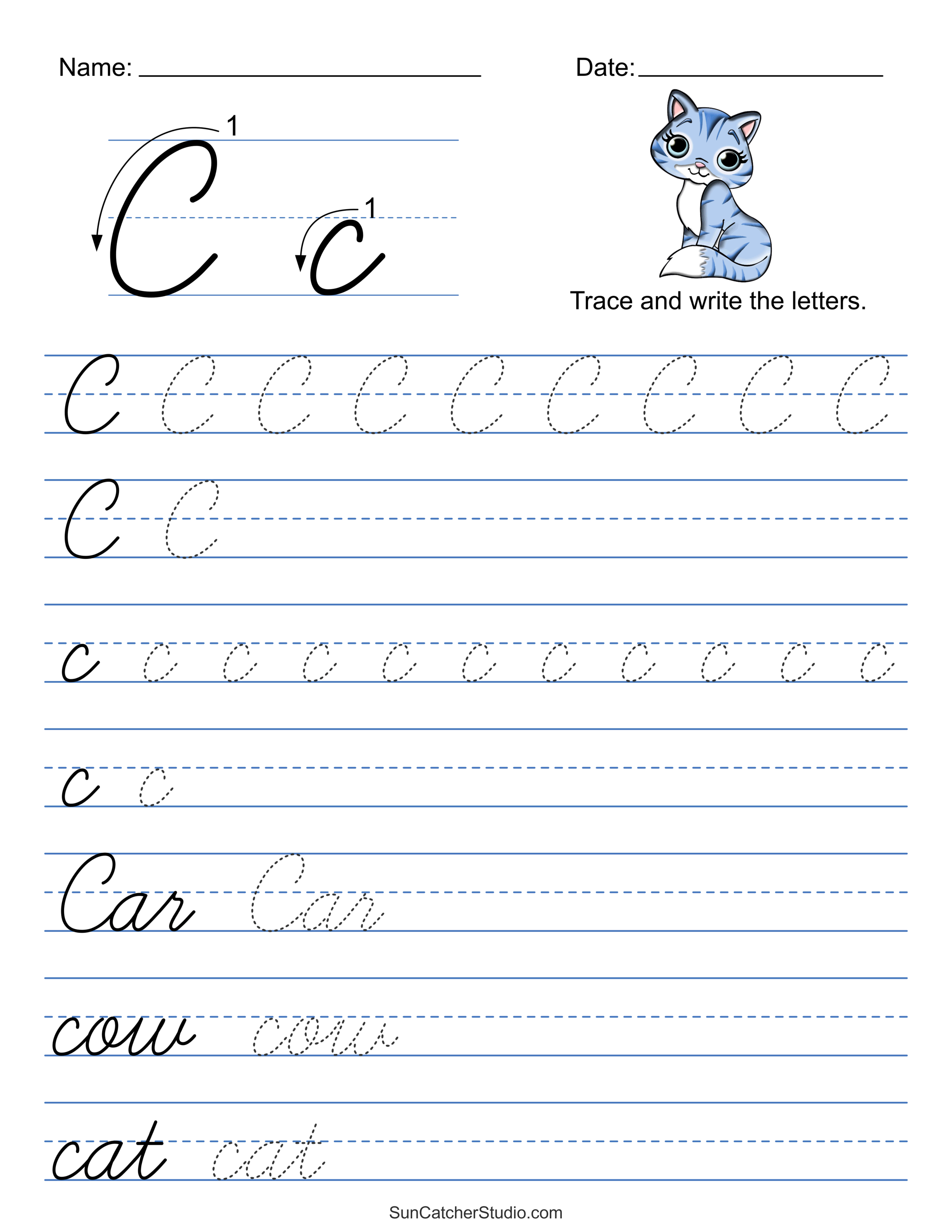
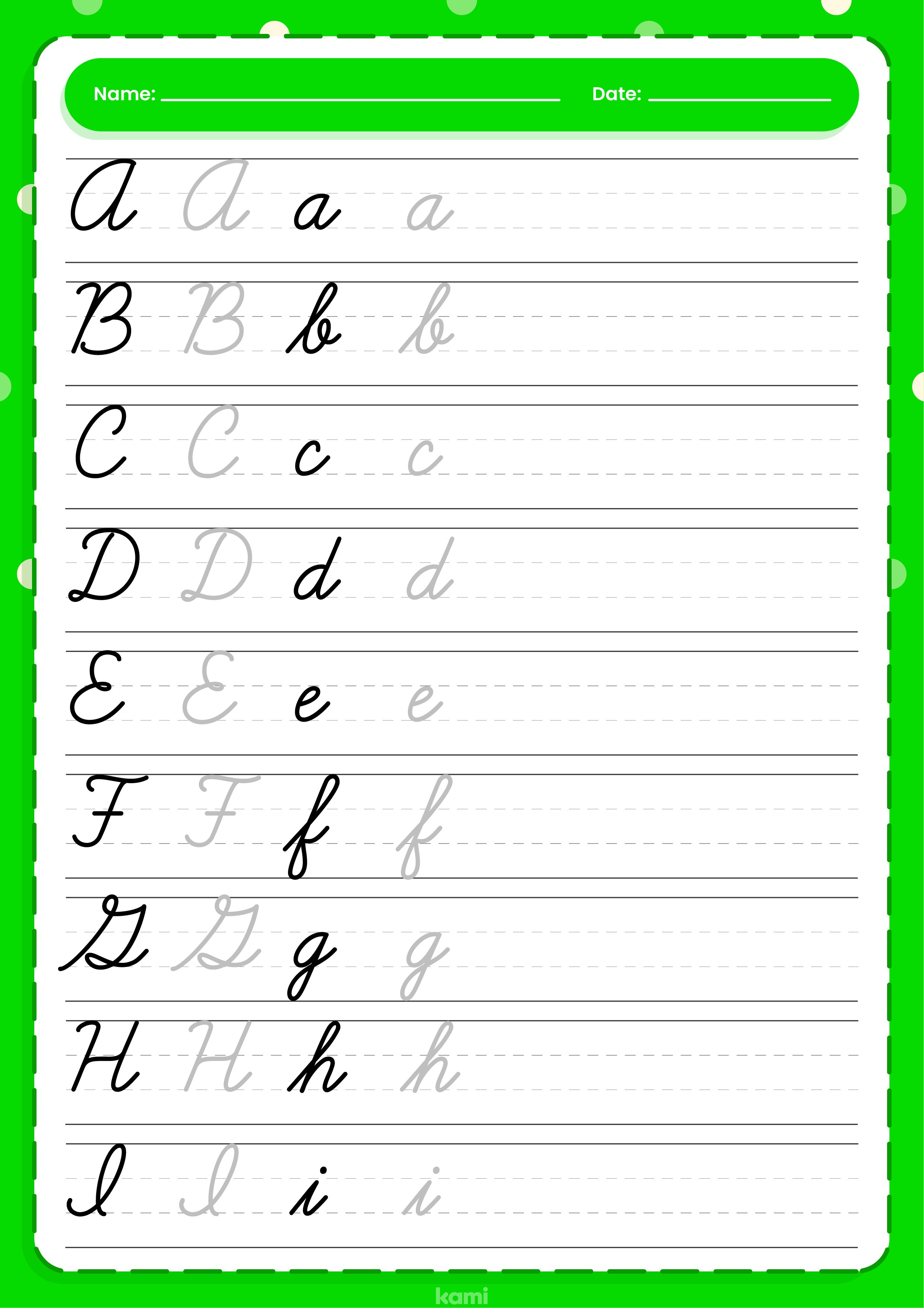
Mastering the letter C requires structured writing letter c worksheets that target foundational curved stroke mechanics and fine-motor control. According to the National Association for the Education of Young Children (NAEYC), developmentally appropriate writing instruction must emphasize proper grip, fluid counter-clockwise motion, and consistent baseline alignment over rote repetition. Integrating specialized preschool worksheets into early literacy centers bridges the gap between gross-motor pre-writing lines and precise lowercase character formation.
Handwriting Practice Snapshot:
- Core Focus: Developing fluid counter-clockwise curved strokes for lowercase and uppercase letter C.
- Target Scope: Early childhood education, occupational therapy clinics, and home kindergarten classrooms.
- Key Recommendation: Combine tactile sensory tracing with structured letter writing worksheets daily.
Core Principles and Detailed Overview
Effective writing letter c worksheets establish essential muscle memory by isolating the continuous curved trajectory required for open-sided circular glyphs. The letter C serves as a foundational gateway shape for subsequent curved letters like O, G, Q, and S, making proper stroke sequence acquisition paramount for early writers. Educators should utilize progressive tracing worksheets that transition students from oversized multi-sensory guides down to standard three-line primary ruling. Establishing correct top-down execution prevents the formation of inverted or bottom-starting habits that impede future writing speed and legibility.
Key Specifications and Breakdown
| Skill Level / Grade | Target Stroke / Mechanical Focus | Pedagogical / Coaching Cue |
|---|---|---|
| Early Preschool (Ages 3-4) | Continuous counter-clockwise curve | “Start at the top, curve around like a cup.” |
| Mid Kindergarten (Ages 5-6) | Baseline touch and proportional height | “Touch the middle line, curve down to rest on the bottom.” |
| Advanced First Grade (Ages 6-7) | Independent spacing and connective fluency | “Keep the curve open and consistent across the row.” |
Ergonomic pencil grasp and stroke consistency standards — American Occupational Therapy Association (AOTA)
Step-by-Step Practical Application and Guidelines
Implementing writing letter c worksheets successfully requires moving sequentially from tactile demonstration to independent paper execution. Instructors must first model the motion in the air, emphasizing the start point just below the top dotted line before sweeping left and down to the solid baseline. Students then trace enlarged dotted templates while verbalizing directional cues aloud to reinforce auditory-motor pathways. Following guided tracing, learners transition to independent practice boxes on standard worksheets, checking their own work for proper curve closure and spatial proportion.
Common Challenges and How to Avoid Them
Reversing the letter C or drawing it clockwise represents the most frequent mechanical hurdle during early handwriting instruction. Educators combat this directional confusion by placing physical dot markers at the starting position to anchor the hand before movement begins. Furthermore, pairing alphabet writing tasks with complementary coloring worksheets reinforces bilateral hand coordination and strengthens the intrinsic hand muscles necessary to maintain a relaxed tripod grasp.
💬 Frequently Asked Questions
Explore More Free Handwriting and Character Worksheets
Expanding early childhood literacy curricula is seamless when utilizing comprehensive resources found across the CharacterWritingWorksheets.com directory. Educators and parents can pair foundational letter drills with targeted name practice worksheets to deliver a well-rounded handwriting program that supports long-term academic success.
Worksheet Previews & Reference Materials