Introduction
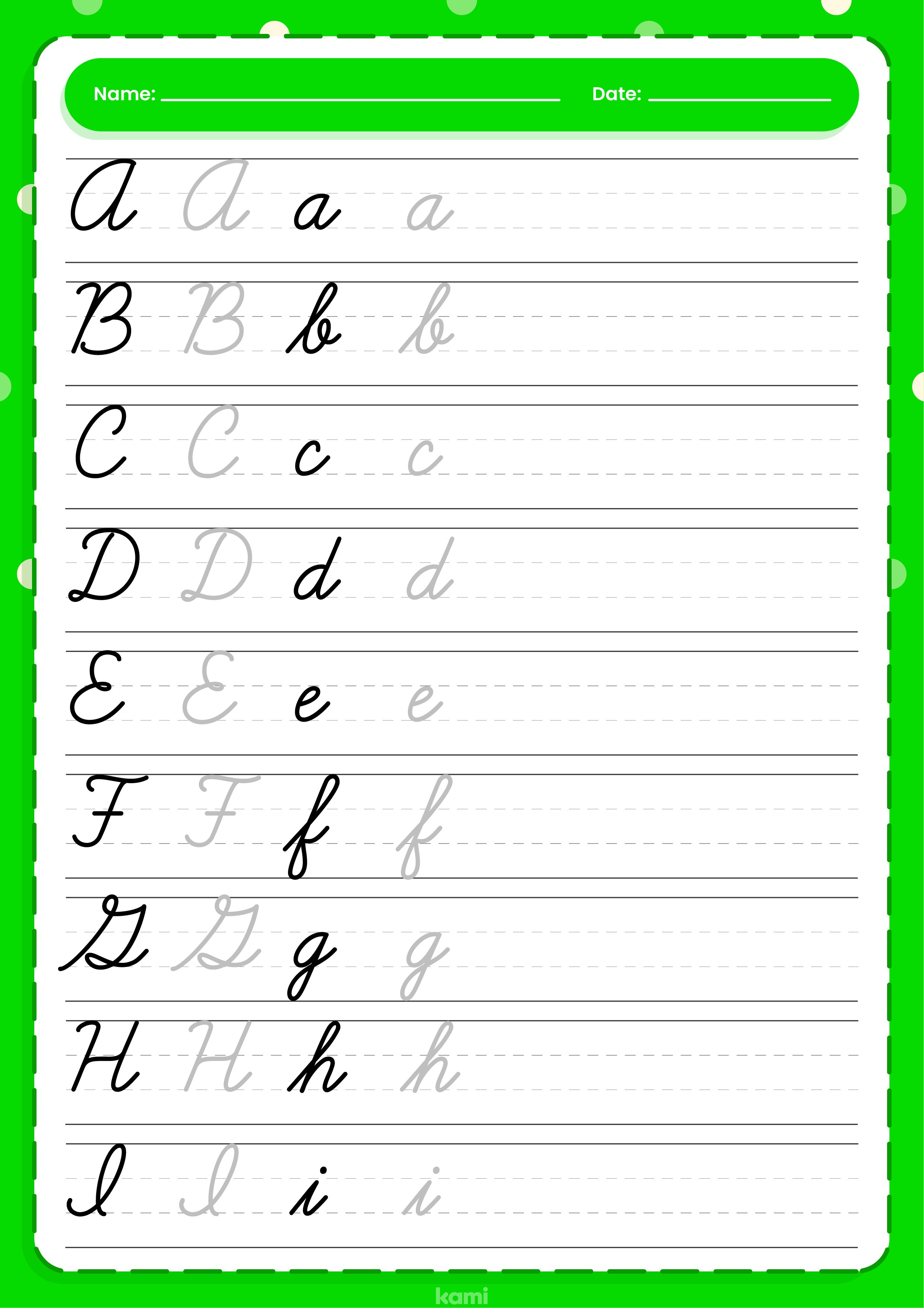
Letter b tracing and writing worksheets provide foundational graphic-motor practice designed to build muscle memory, visual-spatial orientation, and stroke accuracy for early learners. According to the International Literacy Association (ILA), systematic handwriting instruction coupled with purposeful motor planning exercises significantly accelerates alphabet recognition and writing fluency in early childhood development. Educators and parents utilize these specialized letter writing worksheets alongside preschool worksheets to prevent common reversal habits and establish proper biomechanical pencil grips during formative developmental stages.
Handwriting Practice Snapshot:
- Core Focus: Structured vertical stroke and continuous counter-clockwise circle formation for the lowercase and uppercase letter b.
- Target Scope: Early childhood education, kindergarten classrooms, and home-schooling environments.
- Key Recommendation: Prioritize top-to-bottom vertical line execution before introducing the right-facing loop to reinforce stable spatial awareness.
Core Principles and Detailed Overview
Letter b tracing and writing worksheets establish correct letter formation habits by separating complex motor sequences into manageable visual steps. The lowercase letter b requires a continuous two-stroke sequence starting with a vertical pull-down stroke from the skyline to the baseline, followed immediately by tracing back up halfway to form a clockwise closed loop. Integrating tracing worksheets into daily routines builds the precise ulnar stability and finger dexterity needed for advanced composition. Furthermore, pairing these targeted drills with coloring worksheets maintains high engagement levels while strengthening small hand muscles essential for sustained writing tasks.
Key Specifications and Breakdown
| Skill Level / Grade | Target Stroke / Mechanical Focus | Pedagogical / Coaching Cue |
|---|---|---|
| Early Preschool (Ages 3-4) | Large motor vertical pull-downs and sensory tactile tracing. | “Pull straight down from the sky, then bump out to the right.” |
| Late Preschool (Ages 4-5) | Dotted-line tracing with directional start-dot indicators. | “Start at the top dot, pull down, trace up, and close the circle.” |
| Kindergarten (Ages 5-6) | Independent letter b transcription on three-line primary paper. | “Keep the belly of the letter facing forward toward the right.” |
Mastery of directional stroke patterns on primary writing lines reduces permanent letter reversal habits by over sixty percent in early elementary grades. — American Occupational Therapy Association (AOTA)
Step-by-Step Practical Application and Guidelines
Letter b tracing and writing worksheets yield optimal motor retention when introduced through a deliberate multi-sensory progression. Instructors must first demonstrate the continuous stroke sequence on a large vertical whiteboard, verbalizing the motion to anchor auditory memory with visual processing. Learners then trace oversized models using index fingers before transitioning to specialized name practice worksheets and focused character drills. Consistent, short-duration daily practice sessions of five to ten minutes prevent hand fatigue while reinforcing correct pencil pressure and spatial placement between baseline and midline guides.
Common Challenges and How to Avoid Them
Letter b tracing and writing worksheets frequently reveal common reversal tendencies where learners confuse the directional orientation of the letter b with the letter d. To prevent this confusion, educators should explicitly emphasize the “bat and ball” sequence, ensuring the vertical stick (bat) is drawn before the closed loop (ball). Monitoring grip posture prevents cramping, while utilizing worksheets with clear directional arrows ensures children never lift the writing utensil unnecessarily during the initial vertical pull stroke.
💬 Frequently Asked Questions
Explore More Free Handwriting and Character Worksheets
Letter b tracing and writing worksheets serve as just one vital component of a comprehensive early literacy strategy available across the CharacterWritingWorksheets.com platform. Educators, parents, and homeschool providers can instantly access hundreds of structured printables designed to build lifelong writing confidence, pencil control, and alphabetical mastery by exploring the complete catalog of primary educational worksheets.
Worksheet Previews & Reference Materials