Introduction
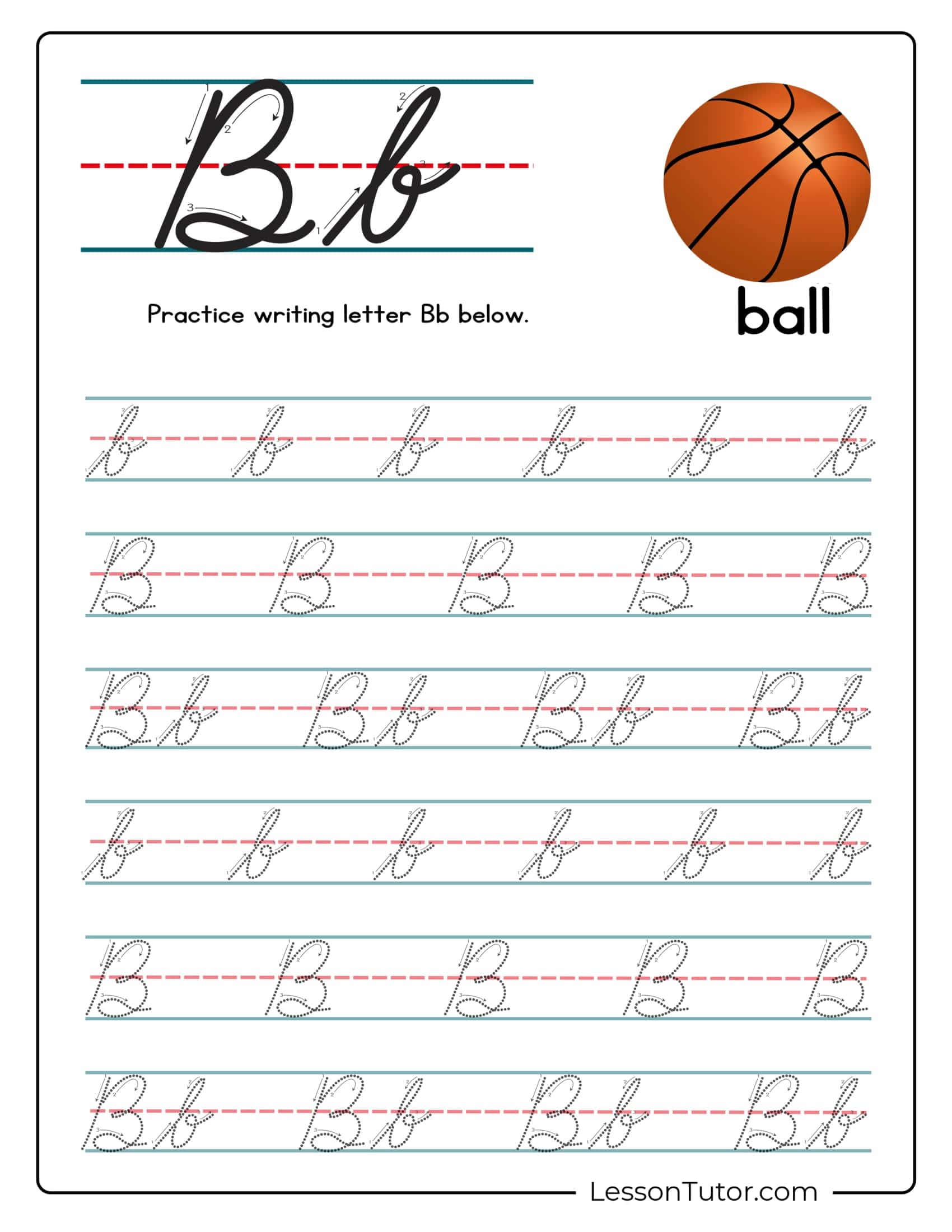
Cursive writing letter b worksheets provide structured tracing and freehand practice regimens designed to build fluid fine-motor coordination, directional stroke memory, and legible character formation. According to the American Occupational Therapy Association (AOTA), explicit multisensory handwriting instruction significantly enhances neural pathways responsible for automatic letter recognition and spatial organization in early childhood learners. Mastering the lowercase and uppercase variants of the letter ‘b’ requires a combination of continuous upward looping strokes, precise baseline pivots, and subtle exit connectors that seamlessly transition into subsequent characters. Establishing these foundational muscle memory patterns early prevents common reversals, excessive hand fatigue, and uneven letter spacing across standard lined paper. Educators and parents utilizing specialized tracing worksheets can effectively bridge the cognitive gap between initial printed letter recognition and advanced connected script writing.
Handwriting Practice Snapshot:
- Core Focus: Systematic mastery of lowercase and uppercase cursive letter b mechanics.
- Target Scope: Early elementary students, remedial handwriting learners, and homeschool environments.
- Key Recommendation: Prioritize stroke fluidity over speed during initial repetitive tracing phases.
Core Principles and Detailed Overview
Cursive writing letter b worksheets operationalize the mechanics of continuous cursive literacy by breaking down complex loops, vertical ascenders, and horizontal exit tails into repeatable micro-movements. The lowercase cursive ‘b’ begins on the baseline, sweeps upward in a sloped slant to the top ascender line, loops backward to form a clean vertical stem down to the baseline, and finishes with a small right-facing hook that prepares the hand for letters like ‘e’, ‘a’, or ‘o’. Structural practice layouts incorporate dotted midlines, baseline indicators, and directional arrows to guide proper pencil pressure and rhythmic pacing. Integrating these targeted practice pages alongside broader letter writing worksheets ensures learners develop consistent slant angles and proportional height ratios. Furthermore, consistent engagement with structured script pages reinforces cognitive fluency, allowing students to shift focus from mechanical letter drawing to higher-order creative writing and composition tasks.
Key Specifications and Breakdown
| Skill Level / Grade | Target Stroke / Mechanical Focus | Pedagogical / Coaching Cue |
|---|---|---|
| Early Beginner (Grade 2) | Ascender loop height and baseline alignment | “Up to the top, loop back straight down, and flick out.” |
| Intermediate (Grade 3) | Connector tails and letter-to-letter spacing | “Keep the exit stroke level before starting the next vowel.” |
| Advanced (Grade 4+) | Speed regulation and consistent slant consistency | “Maintain a uniform thirty-degree forward slant on every stem.” |
Explicit handwriting instruction promotes orthographic processing and cognitive automaticity in developing learners — American Occupational Therapy Association (AOTA)
Step-by-Step Practical Application and Guidelines
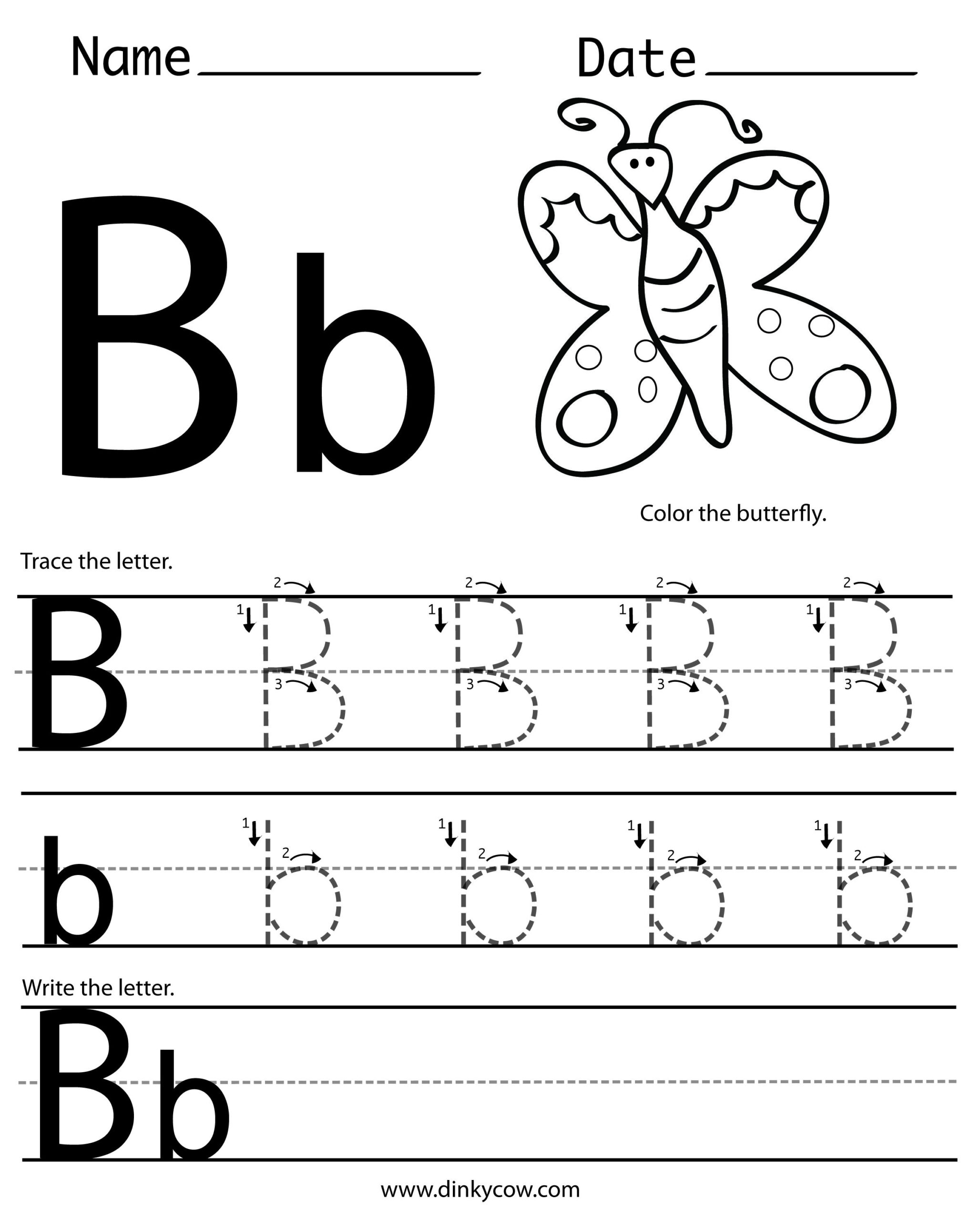
Executing effective cursive writing letter b practice sessions requires a progressive instructional sequence starting with air-writing, moving to tactile tracing, and culminating in independent sheet completion. Instructors should first demonstrate the continuous stroke on a large whiteboard or overhead grid, emphasizing that the pencil never leaves the paper between the initial upward slant and the final connector. Learners then trace oversized models using textured markers or chalk to engage proprioceptive feedback before transitioning to standard-sized paper. Practitioners must monitor pencil grip, paper tilt, and body posture to prevent physical strain during extended writing blocks. Pairing these focused writing drills with supplemental preschool worksheets or relaxing coloring worksheets helps maintain engagement and reduces hand fatigue through balanced fine-motor variety.
Common Challenges and How to Avoid Them
Frequent errors in cursive letter b formation include collapsing the ascender loop, creating a printed vertical line instead of a sloped loop, and looping the final connector tail too high into the writing space. Educators can easily correct these mechanical mistakes by using high-contrast highlighted starting dots and tactile boundary lines that visually restrict the pencil path. When students accidentally lift the pencil mid-letter, returning to guided dot-to-dot tracing sheets reestablishes the crucial fluid motion required for authentic cursive writing. Ensuring that practice sessions remain short, focused, and positive prevents frustration and builds sustainable, lifelong handwriting confidence across all name practice worksheets and academic subjects.
💬 Frequently Asked Questions
Explore More Free Handwriting and Character Worksheets
Elevate elementary literacy instruction by accessing the complete library of specialized educational resources available across CharacterWritingWorksheets.com. Dedicated educators, parents, and homeschooling specialists can download unlimited printable practice materials tailored to every stage of fine-motor development.
Worksheet Previews & Reference Materials